Listen to this article
The Bank of England interest rate changes are crucial events that resonate throughout the UK housing market, influencing everything from mortgage rates to home buying decisions. As the central bank adjusts these rates, they impact fixed-rate and variable-rate mortgages, affecting whether homeowners can afford their monthly payments or whether potential buyers can secure financing for new properties. Understanding how the Bank of England’s interest rate fluctuations can influence your financial landscape is essential for anyone navigating the complexities of home ownership and remortgaging. This article delves into the effects of these rates on mortgages and how you can effectively respond to maintain your financial health amid changing economic conditions. By staying informed about these shifts, you can make better choices when it comes to your mortgage and home buying endeavors.
Navigating the landscape of interest rate alterations by the Bank of England is vital for both current homeowners and those looking to purchase property in the UK. These adjustments, often referred to as monetary policy changes, have significant implications for various mortgage types including fixed and variable options, impacting affordability and market dynamics. As we explore the ramifications of these shifts, it’s important to understand how such decisions made by the central bank can alter your financial obligations and opportunities. This piece will shed light on how interest rate adjustments affect home buying, remortgaging strategies, and overall market conditions. Being aware of these factors not only empowers individuals but also informs sound financial strategies in a fluctuating economy.
Understanding the Impact of Bank of England Interest Rate Changes on Mortgages
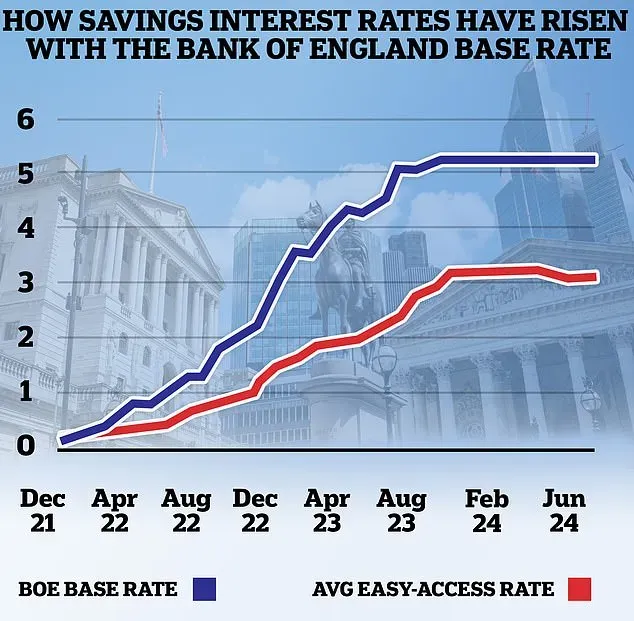
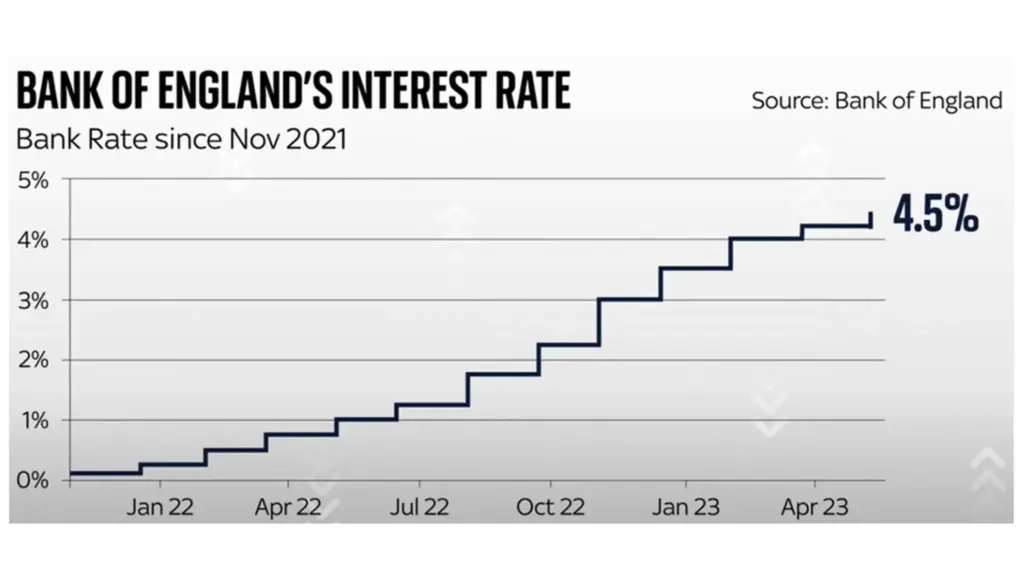
The Bank of England plays a crucial role in shaping the UK’s borrowing landscape through its interest rate decisions. When the BoE adjusts its base rate, whether it’s an increase or decrease, it sends ripples through mortgage products, affecting both existing homeowners and prospective buyers. For individuals looking to secure a mortgage, an increase in the base rate typically translates to higher mortgage rates. This means that your monthly payments could significantly rise, especially if you’re considering variable-rate mortgages that directly correlate with these fluctuations.
Conversely, if the Bank of England lowers the interest rate, it can ease the financial strain on borrowers, leading to lower monthly mortgage payments. This scenario proves beneficial for homebuyers, allowing them to expand their budget and possibly afford better homes. Understanding these dynamics is essential for anyone involved in the UK housing market, whether you’re looking to buy, sell, or refinance your home.
Fixed-Rate Mortgages: Stability Amidst Rate Changes
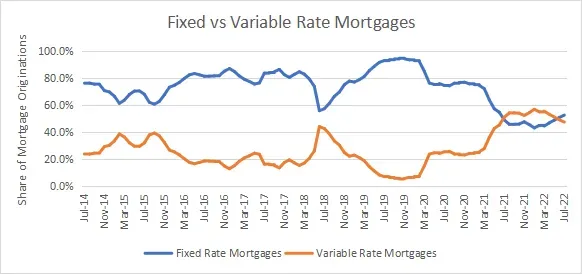
Fixed-rate mortgages offer borrowers a reassuring advantage during times of fluctuating interest rates. When you secure a fixed-rate mortgage, your interest rate remains unchanged for the duration of the loan term, which usually spans two to five years. This consistency can be incredibly beneficial in an environment where the Bank of England is expected to raise rates. Homeowners can enjoy lower payment stability without the worry of their loan becoming more expensive as the market shifts.
However, as the term comes to an end, borrowers face the challenge of remortgaging. If fixed rates have risen during your mortgage term, you might encounter significantly higher rates upon remortgaging, which can lead to increased monthly payments and overall financial burden. Therefore, while fixed-rate mortgages provide initial peace of mind, it’s imperative to plan ahead for future adjustments in the market.
Variable-Rate Mortgages: Flexibility and Financial Risk
Variable-rate mortgages are often appealing due to their initial lower rates, which can save borrowers money if the Bank of England keeps the base rate stable or lowers it during the borrowing period. However, this type of mortgage carries inherent risks as well. When the central bank raises interest rates, those with variable-rate mortgages will see their payments increase, which can quickly become a financial strain. Homeowners must stay vigilant in such an economic landscape.
To mitigate the risks associated with variable rates, borrowers should consider their long-term financial goals and whether they prefer the flexibility of a variable rate or the certainty of a fixed rate. Understanding current economic trends and the Bank of England’s anticipated moves will play a significant role in this decision-making process. Knowledge is power, and staying informed can help borrowers capitalize on favorable market conditions.
Navigating Home Buying in a Rising Interest Rate Environment
As interest rates rise due to the Bank of England’s adjustments, potential homebuyers may feel discouraged by increasing mortgage costs. Higher rates can diminish the pool of affordable homes, as prospective buyers find their borrowing power reduced. This can create a slowdown in the housing market as buyers elect to postpone purchasing a property, resulting in diminished demand and potential price corrections.
For first-time buyers, rising rates can be particularly daunting. Government initiatives aimed at promoting home ownership, such as shared ownership schemes, can serve as a lifeline. Yet, as rates climb, the feasibility of affording homes may still be compromised. Understanding how to leverage available support systems and market timing can make a significant difference in navigating the complexities of home buying.
The Strategic Advantage of Remortgaging
Given the fluctuating nature of interest rates influenced by the Bank of England, remortgaging can often present a strategic opportunity for homeowners looking to optimize their financial situation. When the central bank lowers rates, remortgaging to a lower fixed or variable rate can lead to substantial savings on monthly payments and overall interest. This strategy not only improves cash flow but also increases financial flexibility.
Nonetheless, homeowners should conduct thorough research and possibly seek advice from mortgage brokers before committing to a remortgage. It’s necessary to weigh potential remortgaging fees against the expected savings. The right decision will depend on individual circumstances and the prevailing economic conditions, highlighting the importance of being proactive in a changing financial landscape.
Preparing for Future Rate Changes: Budgeting and Financial Planning
When interest rates fluctuate, it is imperative for homeowners with variable-rate mortgages to adjust their financial planning accordingly. Budgeting for potential rate increases should be a priority, ensuring that outgoings can accommodate higher payments if the Bank of England raises rates further. Being foresighted can prevent financial strain and maintain peace of mind when economic conditions become unpredictable.
Additionally, homeowners should consider building an emergency fund or exploring ways to increase their income streams to buffer against potential financial challenges. Staying informed about market trends, in conjunction with proactive financial management, can safeguard against the unpredictability that comes with rate changes.
Frequently Asked Questions
How do Bank of England interest rate changes impact mortgage rates?
The Bank of England’s interest rate changes directly influence the rates offered for mortgages. When the BoE raises the base rate, lenders typically increase their mortgage rates, affecting both fixed-rate and variable-rate mortgages. Homebuyers and homeowners refinancing should be aware of these fluctuations to make informed decisions.
What should I do if I’m on a variable-rate mortgage during Bank of England interest rate changes?
If you have a variable-rate mortgage, be prepared for potential increases if the Bank of England raises interest rates. It’s advisable to budget for higher monthly payments and monitor the economic situation closely to anticipate changes in your financial commitments.
How can first-time buyers navigate the UK housing market amid Bank of England interest rate changes?
First-time buyers should pay close attention to the Bank of England’s interest rate adjustments, as rising rates can affect affordability. Exploring government schemes like Help to Buy can provide assistance, while waiting for lower rates may offer better opportunities for purchasing a home.
What are the benefits of remortgaging in response to Bank of England interest rate changes?
Remortgaging can be beneficial, especially if the Bank of England lowers interest rates. Homeowners might find better mortgage deals, leading to significant savings on monthly payments and reduced overall interest costs. However, consider any associated fees before proceeding.
Should I lock in a fixed-rate mortgage in anticipation of Bank of England interest rate hikes?
Yes, locking in a fixed-rate mortgage can be a prudent decision if you expect the Bank of England to raise interest rates. This move protects you from immediate increases and allows you to secure a more favorable rate for the mortgage term, ensuring predictable payments.
What impact does the Bank of England’s base rate have on the housing market?
The Bank of England’s base rate affects borrowing costs for homebuyers and homeowners, which in turn influences demand in the UK housing market. If rates rise, fewer people may afford mortgages, potentially slowing down home sales and leading to changes in property prices.
| Key Point | Explanation |
|---|---|
| Bank of England’s Base Rate | The interest rate at which the Bank lends to commercial banks, influencing overall borrowing costs. |
| Impact on Fixed-Rate Mortgages | Fixed rates remain constant over a set period, protecting borrowers from short-term increases in the base rate. |
| Impact on Variable-Rate Mortgages | Variable rates fluctuate with the base rate, affecting monthly payments directly. |
| Buying a Home in High-Rate Climate | Higher interest rates can decrease borrowing power, deterring potential buyers from purchasing homes. |
| Challenges for First-Time Buyers | Increased mortgage rates can pose significant entry barriers for new homebuyers. |
| Opportunities in Low-Interest Rates | Lower rates may provide favorable borrowing conditions for homebuyers. |
| Consider Remortgaging | Homeowners may save on payments by remortgaging when rates drop, despite potential fees. |
| Budget for Potential Rate Increases | Homeowners should prepare for possible rises in mortgage payments, especially with variable rates. |
| Locking in Interest Rates | Borrowers should consider locking in rates if they anticipate future increases. |
Summary
The Bank of England interest rate changes are a crucial aspect of the financial landscape in the UK, especially regarding mortgages. When the BoE adjusts its base rate, it directly affects the mortgage rates offered to consumers. Homebuyers need to be aware of these changes because rising interest rates may limit their borrowing capacity and deter them from purchasing homes. Additionally, current homeowners must stay informed to manage their mortgage payments effectively. Understanding these shifts empowers individuals to make strategic financial decisions, whether by remortgaging at a more favorable rate or budgeting for potential payment increases. Ultimately, staying informed about Bank of England interest rate changes is vital for navigating the complexities of the mortgage market.