
Listen to this article
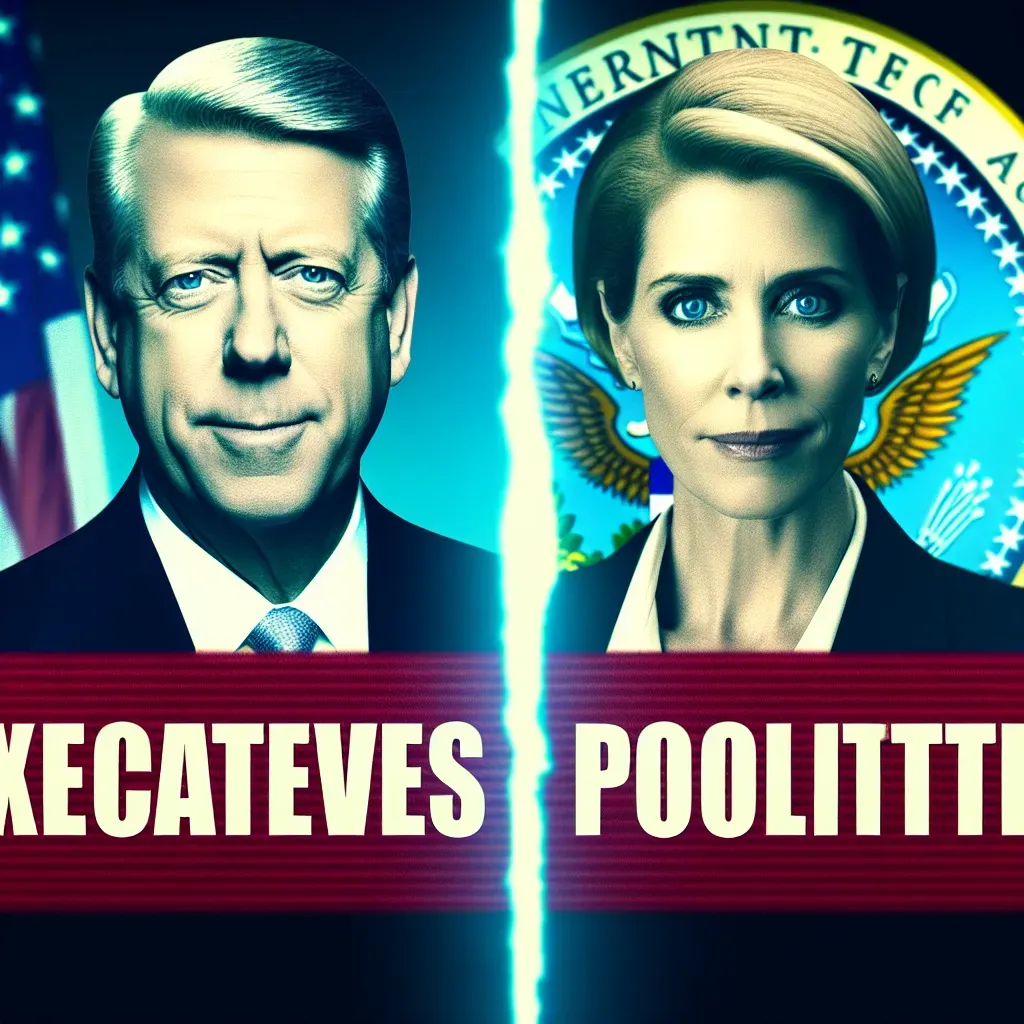
In a surprising move, President Donald Trump announced the firing of Kristi Noem from her position as Secretary of Homeland Security, marking a significant change in his cabinet just before a pivotal election year. This decision comes after Noem’s controversial tenure, which was characterized by hardline immigration policies and public scrutiny over expensive spending on advertising campaigns. Trump will replace her with Markwayne Mullin, an Oklahoma senator known for his conservative stance on immigration, indicating a potential shift in the administration’s approach to Homeland Security changes. Critics have argued that Noem’s high-profile methods, including her on-the-ground participation in enforcement operations, may have tarnished Trump’s immigration agenda rather than bolstered it. As the Trump cabinet shakeup unfolds, it raises questions about the future direction of Noem’s immigration policies and how these changes will affect the ongoing discourse surrounding DHS leadership and border control strategies.
In a dramatic reshuffling, President Trump has decided to part ways with Kristi Noem, the former Secretary of the Department of Homeland Security. This controversial move reshapes the leadership at DHS, where the emphasis on strict immigration enforcement has sparked significant debate. Trump’s appointment of Markwayne Mullin as Noem’s successor suggests a continued focus on hardline immigration reforms, pivotal in upcoming discussions surrounding the administration’s policies. Noem’s tenure was marked by a blend of fierce debates, from her field operations in immigration raids to the backlash over her lavish spending, reflecting the complexities in the political landscape. As analysts anticipate possible implications of this change, the question looms: Will this cabinet shakeup pave the way for a new direction in how the U.S. addresses immigration issues?
Understanding Trump’s Decision: Noem’s Firing Explained
The recent decision by President Trump to remove Kristi Noem from her position as Secretary of the Department of Homeland Security underscores the complexities of leadership dynamics within the administration. Trump’s announcement of Noem’s firing via social media caught many off-guard, especially given her previous prominence in his immigration policies. This shakeup is indicative of a president who is responsive to internal criticism and the sentiments of Republican leaders calling for change. The firing also highlights the unwritten rule in Trump’s governance: loyalty and alignment with his vision are paramount for survival in high-stakes roles.
In recent months, Trump has faced mounting pressure regarding his immigration strategies, leading to significant scrutiny of Noem’s aggressive tactics. While she initially garnered attention for her tough stance on immigration, her unorthodox methods—often viewed as aiming to boost her personal brand—ultimately contributed to her downfall. Trump’s decision to replace her with Markwayne Mullin signals a potential pivot in the administration’s approach to immigration policy as they head into an election season where public approval matters more than ever.
Noem’s firing also raises questions about the future direction of the Department of Homeland Security. With Mullin taking the reins, expectations are set for a continuation of hardline policies, albeit possibly with a different public-facing strategy. The transition provides an opportunity for Trump to recalibrate his immigration enforcement narrative, possibly learning from the backlash Noem faced during her tenure. The controversy surrounding her high-profile spending, including her lavish ad campaigns, indicates a need for the administration to present a more grounded image, particularly as border enforcement continues to be a polarizing issue among voters.
Moreover, Trump’s decision-making process regarding Noem reflects a broader trend in his administration—swift and decisive changes in personnel when performance does not align with political goals. As Mullin steps into the role, Trump’s cabinet shakeup may signify a commitment to a streamlined immigration strategy, but it also puts pressure on Mullin to deliver results while navigating a tumultuous political landscape.
The Impact of Noem’s Immigration Policies on the DHS
Kristi Noem’s tenure as Secretary of Homeland Security has been marked by a series of controversial immigration policies that have drawn both support and ire. While she was initially celebrated for her active role in immigration raids, participating alongside DHS agents in the field, her approach has been criticized for deviating from traditional customs of the department. Noem’s direct involvement in immigration enforcement operations not only raised eyebrows but also highlighted a shift towards more aggressive and public-facing tactics aimed at reinforcing Trump’s tough immigration rhetoric.
The implications of Noem’s policies were significant, as they shaped the public perception of DHS’s role in enforcing immigration laws. Her high-profile visits, including appearances in prisons abroad, were designed to send a strong message about the administration’s stance on illegal immigration. However, these methods sparked debates about the ethical implications and effectiveness of such aggressive strategies, especially in communities that saw increased scrutiny from federal agents. Many observers have questioned whether Noem’s tactics were more about crafting a personal brand than effectively managing immigration enforcement.
As Noem’s departure unfolds, it remains to be seen how her policies will influence the DHS under Mullin’s leadership. The next steps taken by Trump and his new appointee will be critical in shaping the future of immigration enforcement in the United States. Mullin’s hardline position suggests continuity in aggressive immigration strategies, but the public’s reaction to Noem’s controversial leadership may necessitate a more measured approach moving forward. As the administration navigates its immigration agenda, the balance between enforcing laws and maintaining public support will be a focal point of scrutiny.
The landscape is further complicated by ongoing debates over funding and resources for DHS, which have been contentious among lawmakers. As the government faces ongoing challenges related to immigration policies, the new leadership under Mullin will need to address these complex issues in a way that aligns with the administration’s objectives while considering the lessons learned from Noem’s tenure.
Reactions to Trump Noem Firing in Washington
The reaction to Trump’s decision to fire Kristi Noem from her position as Secretary of Homeland Security has stirred varied responses within Washington D.C. Political figures across the spectrum have weighed in on the implications of such a significant personnel change. Some Republican senators, sensing the need for a shift in the administration’s immigration strategy, welcomed the decision as necessary for restoring public confidence in the DHS’s mission. Senator Lindsey Graham articulated a widely held sentiment among GOP leaders that a transformation had become essential at the agency, reflecting anxiety over the administration’s handling of immigration issues in recent months.
Conversely, Democratic lawmakers have seized the moment to critique the ongoing challenges faced by the Trump administration regarding immigration policy. Many expressed skepticism about the effectiveness of a new leader, like Mullin, who has a track record of hardline stances akin to Noem’s approach. These discussions reveal a partisan divide that underscores the complexity of immigration as a political issue, one that continues to shape debates in Congress amidst a backdrop of ongoing funding battles and proposed reforms.
The dialogue surrounding the Trump Noem firing spotlights the ongoing tensions within the Republican party over how best to address immigration reform. Some party members advocate for stricter enforcement while others call for more innovative solutions to the immigration crisis, suggesting that Noem’s time in office may serve as a pivotal lesson for future leadership in the DHS. As political narratives around immigration evolve, the effectiveness of the new leadership under Mulllin will be closely monitored by both supporters and critics alike.
In summary, the reactions to Noem’s dismissal illustrate a broader conversation about the future of immigration policies in the Trump administration. Whether the changes will result in a more effective strategy remains to be seen, but the implications of Noem’s controversial tenure will certainly influence the path forward for the DHS as it grapples with its mission amidst shifting political landscapes.
Markwayne Mullin’s Vision for DHS After Noem
Markwayne Mullin’s appointment as the new Secretary of Homeland Security marks a significant shift in the department’s leadership and a possible renewed commitment to Trump’s immigration agenda. As a known ally of the president, Mullin’s hardline stance on immigration aligns with the administration’s previous policies, indicating continuity in the direction of enforcement practices. This transition could bring about a heightened focus on border security and a more robust response to illegal immigration, especially in light of the controversies that surrounded his predecessor’s approach.
Mullin’s arrival comes at a critical juncture for DHS, which is navigating numerous challenges such as funding hurdles and widespread discontent over immigration enforcement methods. His past remarks defending federal agents from criticisms and advocating for strict compliance with ICE directives suggest that he will likely prioritize aggressive immigration measures. However, the challenge will be to manage these policies in a way that maintains public trust and addresses the persistent concerns about humanitarian impacts on immigrant communities.
Moreover, the political landscape as Mullin steps in will be vastly different from Noem’s. With midterm elections approaching, his policies will be scrutinized not only by opponents but also by party members seeking to strike a balance between strict enforcement and appealing to broader voter sentiments. The potential for backlash against aggressive enforcement tactics looms large, especially since public opinion has shown a growing resistance to harsh measures similar to those embraced by Noem.
As Markwayne Mullin takes the helm at DHS, his capacity to unify Republicans while addressing immigration challenges will be key to his success. His leadership style will likely dictate how the agency adapts to evolving political climates and public expectations. The hope among GOP leaders is that Mullin can forge a path that strengthens immigration policies without inciting further controversy, learning from the lessons of Noem’s turbulent tenure.
Implications of Noem’s Spending Controversy on DHS
One significant aspect of Kristi Noem’s time at the helm of the Department of Homeland Security has been her controversial spending decisions, particularly regarding her advertising campaigns. Reports of extravagant expenditures, including a $220 million ad blitz designed to bolster her image, have drawn sharp criticism and raised questions about fiscal responsibility within the department. Such spending, especially in light of her lavish lifestyle, sparked bipartisan concern regarding the appropriate allocation of resources in an agency tasked with national security. This controversy not only tarnished Noem’s reputation but also placed the Trump administration under intensified scrutiny for its handling of taxpayer dollars.
As the Trump administration transitions to new leadership under Mullin, these financial controversies will likely continue to haunt the agency. The need for increased transparency and accountability in spending decisions has become paramount, particularly as Mulllin prepares to establish his priorities. The challenge will be to navigate a careful balance between enforcing strict policies and justifying the financial outlay required to support such initiatives. Congressional oversight will undoubtedly remain vigilant as the administration attempts to rectify the perception of financial mismanagement stemming from Noem’s term.
Moreover, Noem’s controversies surrounding high-profile spending highlight the broader implications for the Department of Homeland Security’s mission. The juxtaposition of immigration effectiveness and fiscal responsibility poses an ongoing challenge, impacting both the agency’s operational strategies and public perceptions. Mullin, stepping into this complex situation, will need to foster a new narrative that emphasizes both enforcement and financial stewardship to regain lost trust among constituents who expect efficient governance.
Ultimately, the fallout from Noem’s excessive spending casts a long shadow over the DHS’s future strategies. Mullin’s ability to redirect the agency’s focus towards sensible financial practices while maintaining strong immigration policies will be crucial as he seeks to redefine the department’s image and credibility in the eyes of the American public.
What Trump’s Leadership Changes Mean for Immigration Policy
President Trump’s decision to shake up the leadership at Homeland Security by firing Kristi Noem underscores a broader strategy to recalibrate his administration’s approach to immigration policy as the political landscape grows more complex. As Trump prepares to face a challenging election cycle, the effectiveness of his immigration strategies will be closely linked to his leadership team. The shift in personnel not only signifies a desire for change but also reflects the need for a more disciplined and cohesive approach amidst internal and external pressures. Mullin’s appointment suggests that Trump is looking for a fresh face to reinvigorate his hardline stance while also addressing growing public discontent with the administration’s tactics.
Experts have noted that personnel changes within the DHS often signal shifts in immigration policy, emphasizing the importance of leadership in dictating the agency’s direction. With Mullin taking on this role, there is speculation about the potential for redefined enforcement tactics and prioritization. The need for a well-rounded immigration policy that combines nationwide security with humanitarian concerns will be imperative as Trump aims to consolidate support within his base.
The dynamics of Trump’s second term present unique challenges, particularly as public opinion evolves. Recent polls suggest that while a segment of the electorate supports tough immigration policies, many disapprove of the aggressive operations led by figures like Noem. This indicates that Trump’s leadership changes may be an attempt to recalibrate his policies to strike a better balance between enforcement and public sentiment. There are hopes that Mullin’s past compliance with Trump’s directives, combined with a focus on operational results and public perception, can help navigate the complex landscape Trump faces as he seeks to rally support from both his base and undecided voters.
In conclusion, the consequences of Noem’s dismissal will reverberate throughout the DHS and beyond, potentially setting the tone for Trump’s immigration policies as he aims to secure a win in the coming elections. How effectively Mullin can implement strategies that resonate with the electorate while preventing internal dissent will be a determining factor in the success of the administration’s renewed focus on immigration.
Frequently Asked Questions
What were the reasons behind Trump firing Noem from Homeland Security?
Trump’s decision to fire Kristi Noem from her position as Secretary of Homeland Security stemmed from her controversial tenure, marked by public backlash over her aggressive immigration policies and participation in field operations. Critics labeled her actions, including flashy spending and a need to enhance her public image, as problematic. Trump’s frustration had been evident for months, particularly after significant public outcry followed federal agent actions under her leadership.
How will Noem’s firing affect immigration policies at Homeland Security?
Noem’s firing could signal a shift in immigration policies at Homeland Security, as her replacement, Markwayne Mullin, is known for his hardline stance on immigration as well. While Trump aims to maintain his strict immigration agenda, the administration may adopt a more moderated approach following public scrutiny and discontent regarding previous strategies championed by Noem.
Who will replace Noem at Homeland Security, and what impact might he have?
Markwayne Mullin, an Oklahoma Senator and ally of Trump, will replace Kristi Noem at Homeland Security. As a conservative voice on immigration, Mullin is expected to continue some of the hardline policies but may also face pressure to adapt to changing public opinions regarding immigration enforcement and DHS’s approach.
What criticisms did Noem face during her time as Homeland Security Secretary?
Kristi Noem faced significant criticism for her unconventional methods in enforcing immigration policies, particularly her media appearances in tactical gear during operations and the lavish spending on advertising campaigns. Critics labeled her ‘ICE Barbie’ and scrutinized her over a $220 million ad blitz and luxury travel expenses, leading to broader discontent among lawmakers.
What does the term ‘Trump cabinet shakeup’ refer to in the context of Noem’s firing?
The term ‘Trump cabinet shakeup’ refers to the reshuffling of key positions within Trump’s administration, a notable occurrence following Kristi Noem’s dismissal from Homeland Security. Such changes are often indicative of Trump’s reaction to internal and external pressures concerning policy effectiveness and public perception.
What initiated Trump’s decision to remove Noem from her position at Homeland Security?
Trump’s decision to remove Noem was initiated by a culmination of factors, including her contentious leadership style, the public backlash against DHS actions, and questionable spending practices related to her ad campaigns. This decision was also influenced by discussions with Congressional Republicans who advocated for changes in the Homeland Security leadership.
| Key Points | Details |
|---|---|
| Trump Noem Firing | Kristi Noem was removed from her position as Secretary of Homeland Security by President Trump after a controversial tenure. |
| Replacement | Oklahoma Senator Markwayne Mullin will replace Noem at the end of the month. |
| Controversies | Noem faced backlash for her field operations as Secretary and criticized for an expensive ad campaign that Trump claimed he was unaware of. |
| Public and Political Reaction | Several Republicans expressed support for the decision to remove Noem, indicating a change in leadership was needed in the Department of Homeland Security. |
| Future Implications | Mullin, who will take over, is also a hardline voice on immigration, indicating possible continuity in policy direction. |
Summary
The Trump Noem firing marks a significant shift in the administration’s approach to immigration enforcement. Following a tumultuous tenure characterized by controversies and criticism, Kristi Noem was removed from her role as Secretary of Homeland Security. President Trump’s decision , coupled with comments from both allies and critics, highlights the ongoing challenges and necessary adjustments within the administration’s immigration strategy. As Markwayne Mullin steps into Noem’s former role, the future direction of policies remains a focal point for both supporters and opponents as the election year approaches.

