Listen to this article
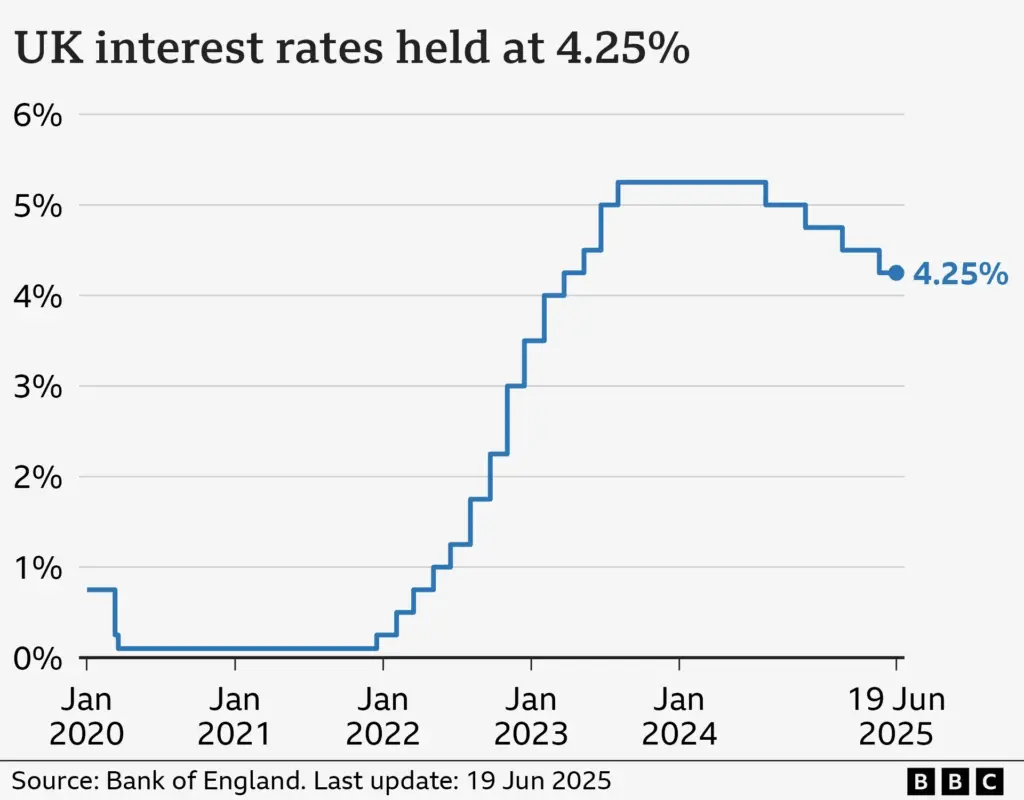
The Bank of England interest rates play a pivotal role in shaping the financial landscape for homebuyers across the UK. With recent fluctuations in these rates, understanding their implications has never been more critical for anyone considering purchasing property. As these interest rates have a direct impact on UK mortgage rates, potential homeowners must stay informed to navigate the complexities of fixed-rate and variable-rate mortgages effectively. Additionally, knowledge about the interest rate impact can provide invaluable homebuying tips, helping buyers make sound financial decisions. Ultimately, staying abreast of the Bank of England’s policies is essential for anyone looking to secure the best mortgage deals in today’s market.
The recent dynamics surrounding the Bank of England’s monetary policy are crucial for prospective homeowners. These adjustments impact lending rates, which in turn affect various mortgage options available to buyers in the UK. As home financing becomes increasingly contingent on interest trends, it’s essential for potential buyers to grasp how these changes influence their purchasing power. Information on borrowing costs, whether through fixed-rate or variable-rate products, can offer insights on how the economic climate might affect future homebuying strategies. In essence, understanding the broader economic implications of central bank decisions can empower buyers to make informed choices in their journey towards homeownership.
Understanding the Basics of Interest Rates
Interest rates act as a critical economic lever through which central banks like the Bank of England can influence the economy. They are determined by a combination of market conditions, inflation, and the overall economic outlook. For homebuyers, understanding how these rates function is essential, as they directly affect the cost of borrowing money through mortgages. Low interest rates typically signal an attempt to stimulate the economy, making home purchases more affordable, while high interest rates may indicate a tightening of monetary policy to combat inflation.
When the Bank of England adjusts interest rates, it’s not just about numbers; it’s about real impacts on consumers, especially for those entering the housing market. People need to grasp how both fixed and variable interest rates operate, as these will determine their monthly mortgage payments over the life of the loan. Being informed about these fundamental concepts equips homebuyers to make better financial decisions during their homebuying journey.
The Bank of England’s Role in UK Mortgage Rates
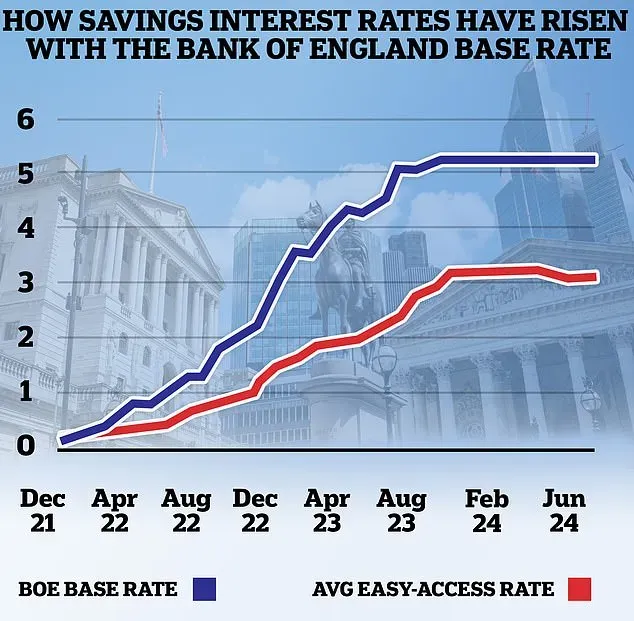
The Bank of England’s interest rate decisions are a primary factor in determining UK mortgage rates. When the BoE raises or lowers its base rate, lenders typically adjust their mortgage products accordingly. This adjustment means that any changes in the BoE interest rates can have a direct correlation with both fixed-rate and variable-rate mortgages available to consumers. For instance, individuals looking into fixed-rate options may secure lower rates when overall interest rates are down, providing long-term predictability in their monthly payments.
Moreover, the Bank of England’s monetary policy not only impacts the rates themselves but also consumer confidence in the housing market. A stabilized or increasing rate environment often leads to more cautious buying behaviors among potential homeowners. Understanding how the BoE manages these rates gives homebuyers better insight into the broader economic environment, enabling them to anticipate their mortgage options and make informed decisions.
The Impact of Interest Rate Fluctuations on Homebuyers
For homebuyers, the fluctuation of interest rates directly influences the affordability of their mortgage repayments. An increase in the interest rate can lead to significantly higher monthly payments, which may be a barrier for first-time buyers or those on tight budgets. It’s important for prospective homeowners to regularly monitor the interest rates and consider their potential impact on their overall housing costs.
Additionally, understanding the timing of these fluctuations can help homebuyers plan their purchases. Those who are able to anticipate interest rate movements might opt to finalize their home purchase before a projected rate hike, thus locking in lower borrowing costs. Properly timed decisions can make a significant difference in overall spending, especially in a volatile market.
Fixed vs. Variable Rate Mortgages: Making the Right Choice
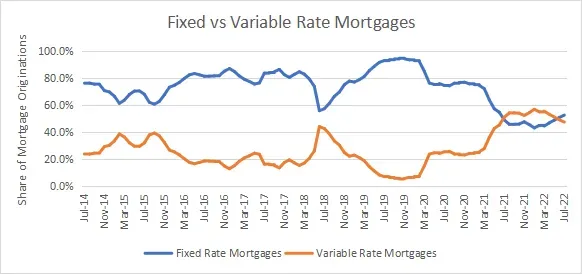
Navigating the choice between fixed-rate and variable-rate mortgages is crucial for homebuyers, especially in a changing interest rate landscape. Fixed-rate mortgages offer stability, as these loans maintain the same interest rate throughout the mortgage term. This can be advantageous when interest rates are expected to rise, allowing homebuyers to avoid increasing payments during their loan period.
On the other hand, variable-rate mortgages are tied to the Bank of England’s base rate, which means they can fluctuate over time. While they may offer lower initial payments, there’s a risk of rising costs if the BoE increases rates. It’s vital for buyers to evaluate their financial situation and risk tolerance when deciding which type of mortgage aligns better with their homebuying strategy.
Preparing Financially in a Changing Interest Rate Environment
In light of fluctuating interest rates, it is essential for potential homebuyers to prepare their finances strategically. This involves staying informed not only about the BoE’s latest decisions but also about broader economic indicators that could indicate future changes. Financial literacy is crucial, as understanding how interest rates influence overall costs can make or break the homebuying experience.
Building an emergency fund is also a recommended strategy for navigating interest rate uncertainties. Having reserves can mitigate the risks associated with potential payment increases caused by rate hikes, enabling homeowners to sustain their mortgage obligations even as economic conditions shift. Additionally, consulting with mortgage advisors can provide tailored insights, helping buyers choose the most suitable financing options amid the fluctuating landscape.
Future Outlook: Predictions and What They Mean for Homebuyers
Looking toward the future, financial analysts provide varied predictions regarding interest rates and the overall housing market. While some experts forecast continued upward adjustments from the Bank of England to combat inflation, others predict a stabilizing effect as economic recovery progresses. For homebuyers, understanding these forecasts can be integral in shaping their approach to home purchase timing and financing decisions.
Potential homeowners should closely monitor key economic indicators, such as inflation rates, employment data, and GDP growth. These factors can significantly influence the Bank of England’s rate decisions in the coming years. By remaining proactive and informed, buyers can make educated decisions and strategically position themselves in the housing market to secure favorable mortgage terms.
Frequently Asked Questions
How do Bank of England interest rates affect UK mortgage rates?
Bank of England interest rates significantly influence UK mortgage rates. When the BoE raises interest rates, lenders often increase their mortgage rates accordingly, impacting the cost of borrowing for homebuyers. Conversely, a reduction in the BoE’s rates can lower mortgage rates, making home financing more affordable.
What impact do the Bank of England interest rates have on fixed-rate mortgages?
The Bank of England interest rates directly affect fixed-rate mortgages when refinancing or remortgaging. If the BoE’s rates increase after your fixed term ends, you’ll likely face higher rates upon renewal, which can affect your long-term financial planning.
How should first-time buyers consider Bank of England interest rate changes?
First-time buyers need to be particularly aware of Bank of England interest rate changes, as even a small hike can significantly increase monthly mortgage payments and overall affordability. Monitoring interest rate trends helps in planning and budgeting for a home purchase.
What are homebuying tips related to the impact of Bank of England interest rates?
Homebuying tips regarding Bank of England interest rates include staying informed on rate trends, consulting with mortgage advisors, and considering locking in a mortgage before potential rate hikes to avoid higher costs later.
How do variable-rate mortgages react to Bank of England interest rate adjustments?
Variable-rate mortgages are directly tied to Bank of England interest rates. If the BoE increases rates, your monthly payments on a variable-rate mortgage will likely rise, affecting your overall mortgage expenses and budget.
Why is it important for homebuyers to track Bank of England interest rates?
Tracking Bank of England interest rates is crucial for homebuyers because these rates dictate mortgage costs, influencing their buying power and financial strategy. Awareness allows buyers to make informed decisions and secure favorable mortgage products.
| Key Point | Details |
|---|---|
| Why Do Interest Rates Change? | Interest rates change mainly due to inflation control, economic growth stimulation, and to mitigate financial crises. |
| Current Interest Rate Trends | As of late 2023, the Bank of England is cautiously raising interest rates in response to ongoing inflation, impacting mortgage rates and borrowing costs for homebuyers. |
| Types of Mortgages | Fixed-rate mortgages remain stable for the loan duration, while variable-rate mortgages fluctuate with BoE decisions, which can raise monthly payments. |
| Advice for Homebuyers | Stay informed about interest rate changes, consult mortgage advisors, maintain an emergency fund, and consider purchasing sooner to avoid rising rates. |
| Future Predictions | Financial experts have mixed views on future interest rates, with some anticipating tightening monetary policy while others expect stabilization due to recovery. |
Summary
Bank of England interest rates play a pivotal role in shaping the landscape for potential homebuyers. As the Bank of England adjusts interest rates, homebuyers must be aware of how these changes can affect their borrowing costs and mortgage decisions. Keeping abreast of current trends, understanding different mortgage types, and being proactive in financial planning are key to navigating this complex environment. With financial experts offering varied predictions for the future, it’s essential to stay informed and ready to adapt to the evolving market.