Listen to this article
The Iran crisis has sent shockwaves through international relations and domestic policies, prompting urgent discussions in the UK government. Amid growing concerns over the safety of British nationals abroad, Prime Minister Sir Keir Starmer has stepped forward to address the nation, reassuring the public while acknowledging the challenges ahead. As the conflict escalates, the ramifications are not just geopolitical but also deeply intertwined with the British economy, prompting fears of rising energy costs and economic instability. Starmer’s announcement of repatriation efforts highlights the urgency of the situation, as thousands of citizens remain stranded in the Middle East. With tensions high, the UK government’s response will be critical in navigating these tumultuous times and safeguarding its citizens while managing the broader economic impact of the crisis.
The turmoil surrounding Iran has escalated into a significant international dilemma, causing ripples throughout the upper echelons of the UK administration. As discussions unfold about the escalating conflict, concerns have been raised about the welfare of British citizens caught in the crossfire, prompting a strategic response from the government. Keir Starmer, addressing the nation, has made clear the focus on ensuring the safety of overseas nationals while simultaneously reinforcing economic stability amidst increasing uncertainty. This conflict has profound implications not only for foreign policy but also for domestic economic conditions, raising important questions about energy security and the government’s readiness to assist its citizens in times of peril. As the situation develops, the collective sentiment within the government may shape the future trajectory of its diplomatic and economic strategies.
Keir Starmer’s Approach to the Iran Crisis
In the face of the escalating Iran crisis, Prime Minister Sir Keir Starmer has taken a cautious yet resolute stance. His press conference aimed to reassure the British public by outlining the government’s commitment to ensuring the safety of British nationals abroad. Starmer highlighted the ongoing efforts to repatriate citizens stranded in the Middle East, acknowledging that only a small number of those needing assistance had returned home so far. This approach illustrates Starmer’s awareness of the emotional toll on families worrying about their loved ones while reinforcing the government’s larger strategy to navigate the crisis carefully.
Furthermore, Starmer’s remarks reflect the complexity of the situation, as he emphasized that a full-scale evacuation may still be necessary depending on how the conflict unfolds. By framing the issue as a significant undertaking, he highlighted the logistical challenges while attempting to ease public concern. The mention of contrasting past crises, such as the evacuation from Afghanistan, underscored a commitment to improving performance in managing emergencies involving British nationals.
Impact of the Iran Crisis on the UK Economy
As the Iran crisis intensifies, its implications for the British economy have become a central theme in Keir Starmer’s narrative. He pointed out the need for a robust economic strategy to weather the uncertainties brought about by international conflicts. With rising energy prices due to geopolitical tensions, the potential for economic disruption poses a significant concern. Starmer’s acknowledgment of energy security issues indicates a heightened awareness of how external conflicts can affect domestic markets and the cost of living for citizens.
The prime minister also suggested that the ongoing uncertainties may compel the UK government to consider measures such as subsidizing household energy bills to mitigate the impact on consumers. Such measures reflect not only a proactive governmental response to impending economic strains but also a keen focus on supporting vulnerable populations during tumultuous times. As public confidence is intertwined with economic stability, Starmer’s economic assertions may be crucial in shaping perceptions of the government’s competency in crisis management.
British Nationals Abroad: Government Response
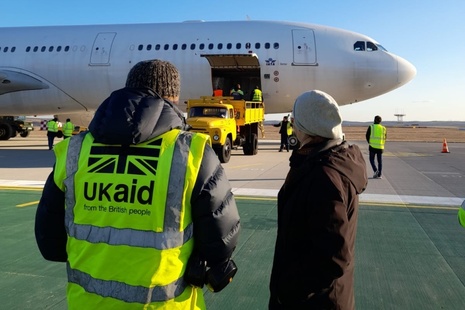
The plight of British nationals caught in the escalating Iran crisis has garnered significant attention from the government, prompting Prime Minister Starmer to detail the ongoing repatriation efforts. With approximately 140,000 Britons reported to be in the Middle East, the urgency to provide assistance is clear. Starmer’s government is undertaking a substantial logistical challenge by organizing flights and support networks to facilitate a safe return for these individuals, reflecting a deep commitment to protecting its citizens abroad.
Starmer reinforced the message that while progress is being made, it may take time for all stranded individuals to return home. He described the complexity of the situation and the necessity for careful planning to ensure that each citizen’s safety is prioritized. This focus on responsive governance in the face of international crises not only aims to reassure those affected but also seeks to maintain public trust in the government’s ability to act decisively amidst chaos.
Potential for Conflict Escalation
Prime Minister Keir Starmer has expressed concerns about the ongoing potential for conflict escalation in Iran, noting that the situation could persist for some time. His careful choice of words aims to prepare the public for a prolonged period of instability, underscoring the unpredictable nature of international conflicts. By addressing the possible implications of escalating tensions, Starmer seeks to maintain transparency with the British public regarding the challenges the government may face in navigating this crisis.
Moreover, recognizing the real possibility of extended conflict also signals to the UK population that proactive measures are being amplified to protect both national interests and citizen safety. As Starmer navigates the political landscape shaped by this crisis, it becomes imperative to balance public reassurance with realistic assessments of the situation, thereby fostering a citizenry that is informed and prepared for potential ramifications of prolonged military engagement.
Sir Keir Starmer’s Strategy for International Relations
Keir Starmer’s strategy regarding international relations during the Iran crisis reflects a calculated and measured approach. By emphasizing the UK’s longstanding position of pursuing diplomacy over military intervention, he aims to position the UK as a responsible actor on the global stage. He highlighted the importance of negotiations, particularly concerning Iran’s nuclear ambitions, which aligns with a broader strategy of seeking peaceful resolutions to conflicts rather than rushing into combat. This strategy may resonate well with the public, considering the potential for unintended consequences from military actions.
Starmer’s choice not to engage with initial strikes on Iran showcases a commitment to long-term outcomes rather than immediate, reactionary measures. This distinction may bolster public trust in his leadership, as many citizens are apprehensive about military escalations that could further jeopardize both regional stability and the safety of British nationals abroad. By framing his policy decisions in this light, Starmer reassures the British public that thoughtful deliberation guides the UK’s foreign policy, ultimately serving national and global interests.
Public Sentiment on Government Actions
Public sentiment towards the UK government’s actions amid the Iran crisis has been notably complex. Many citizens express a sense of apprehension coupled with a desire for effective leadership during troubling times. Prime Minister Starmer’s attempts to reassure the public about the government’s response to the crisis aim to quell growing concerns regarding the safety of British nationals abroad while also addressing economic implications. His acknowledgment of public worry reflects an understanding of the emotional state of the electorate in turbulent times.
Interestingly, Starmer’s decision to avoid military engagement in the early stages of the conflict has garnered mixed feelings among the public. While some view this as a prudent approach to avoid further escalation, others question whether a stronger stance could have provided a more decisive response to the tensions. The balance of public opinion on these issues highlights the ongoing challenge each governing body faces in responding to international crises while maintaining public support and confidence.
Challenges to Repatriation Efforts
The logistical challenges surrounding the repatriation of British nationals from the Middle East amid the Iran crisis present significant hurdles for the UK government. Prime Minister Keir Starmer’s assertion that the repatriation effort is larger than previous crises underscores the complexity involved in orchestrating safe returns. Technical difficulties such as delayed flights can exacerbate the anxiety faced by families waiting for their loved ones to return. These challenges require meticulous planning and resource allocation to ensure that every effort is made for safe and efficient evacuations.
Furthermore, ongoing geopolitical tensions and the unpredictability of the conflict can hinder the pace of these repatriation efforts. The government’s ability to effectively communicate its strategies and reassure the public of its commitment to British nationals is paramount during these trying circumstances. Starmer’s remarks about the scale of the undertaking serve to manage public expectations while underscoring the government’s dedication to overcoming these obstacles.
Navigating Economic Uncertainties Amidst Conflict
As the situation in Iran continues to evolve, economic uncertainties emerge as one of the key concerns articulated by Prime Minister Keir Starmer. The potential for conflict escalation is intricately linked to market volatility, particularly in energy sectors that have already felt pressures from rising geopolitical tensions. By addressing the economic ramifications of peacekeeping and conflict resolution, Starmer seeks to reassure the public that the government remains vigilant about maintaining a stable economic environment. This approach emphasizes the interdependent nature of national security and economic stability.
Moreover, the call for discussions around energy subsidies reflects a responsive governance style aimed at alleviating the burden on households facing increased living costs resulting from external conflicts. Starmer’s recognition of the challenges posed by energy prices highlights a deeper understanding of how international crises affect everyday life, thus presenting the government as proactive in safeguarding citizens’ well-being. This awareness of economic realities forms a crucial component of Starmer’s broader strategy in managing the Iran crisis.
Frequently Asked Questions
What is the UK government response to the Iran crisis regarding British nationals abroad?
In response to the Iran crisis, the UK government, under Prime Minister Keir Starmer, is actively facilitating the repatriation of British nationals stranded in the Middle East. Approximately 4,000 Britons have already returned home, but the government acknowledges that there are still around 140,000 British nationals in the region requiring assistance. The repatriation efforts are being described as a significant undertaking, highlighting the complexities involved in managing such a crisis.
How is the Iran crisis impacting the UK economy?
The Iran crisis is expected to have notable impacts on the UK economy, particularly concerning energy security. Prime Minister Keir Starmer has indicated that ongoing tensions could drive energy prices higher. This uncertainty amplifies the need for a robust economic plan as the UK government prepares to address potential economic challenges arising from the conflict.
What measures are being taken for British nationals abroad during the Iran crisis?
The UK government has implemented measures to assist British nationals abroad during the Iran crisis, including repatriation flights from Oman and other locations. Prime Minister Keir Starmer has indicated that while strides are being made, the situation involves logistical challenges and may take time to fully address the needs of the 140,000 British nationals reported to be in the Middle East.
What are the concerns about conflict escalation in the Iran crisis?
Concerns regarding conflict escalation in the Iran crisis have been expressed by Prime Minister Keir Starmer, who stated that the situation could persist for some time. The government is closely monitoring developments and is prepared to respond to the implications of ongoing tensions, particularly as they relate to national security and economic stability.
How has public opinion been influenced by Keir Starmer’s response to the Iran crisis?
Public opinion regarding the Iran crisis has been affected by Keir Starmer’s response, particularly his stance on avoiding direct military strikes and prioritizing negotiation for a settlement. His approach has resonated with many, as it reflects a commitment to diplomatic solutions rather than aggressive military action, which could lead to unpopularity.
| Key Areas of Concern | Details |
|---|---|
| Wellbeing of family and friends | Keir Starmer reassured worried citizens about family stranded in the Middle East, announcing progress on repatriation flights. |
| Impact on the economy | Starmer mentioned energy security as a primary concern, linking it to the ongoing conflict and the potential for economic repercussions. |
| Potential for escalation | The prime minister indicated that the conflict may persist, acknowledging the challenges in managing the situation effectively. |
Summary
The Iran crisis has escalated concerns across multiple fronts, prompting Prime Minister Keir Starmer to address the nation with a focus on the wellbeing of citizens, the economy, and the ongoing conflict. As thousands remain stranded, and the economic implications deepen, public sentiment reflects a demand for careful management of this international issue. Starmer faces a challenging task, balancing immediate humanitarian needs while preparing for potential long-term impacts from the crisis.