Listen to this article
The social care system in England is at a critical juncture, as highlighted by Baroness Louise Casey, who leads an independent commission on adult social care. The current framework is described as disjointed and failing to meet the needs of vulnerable populations, including those requiring dementia support and care for motor neurone disease. Casey’s evaluation indicates that there exists a significant gap between health services and social care, leading to inadequate support for people with complex needs. This alarming situation calls for urgent reforms to ensure a cohesive approach that prioritizes individuals rather than institutions. With the UK health care landscape evolving, the need for a functional social care system has never been more pressing.
The framework that governs the provision of care for older adults and individuals with disabilities is under scrutiny, with experts advocating for a transformation of this critical sector. Identified issues within this care paradigm underscore the confusion and fragmentation in delivering necessary services, such as support for dementia and assistance for those fighting against motor neurone disease. Baroness Louise Casey emphasizes the importance of bridging the gap between health and social services, advocating for a system that recognizes the diverse needs of all citizens. As discussions about potential changes gain momentum, the focus on improving adult social care has become a focal point for policymakers. In essence, the examination of how care is structured and delivered is crucial for ensuring that all communities receive the support they deserve.
The Urgent Need for Reform in the Social Care System
Baroness Louise Casey has highlighted a pressing need for transformation within the UK’s social care system, particularly as it relates to adult social care. The existing framework is described as disjointed, with deficiencies hindering adequate support for older and disabled individuals. The stark divide between health services and social care delivery poses significant challenges for those reliant on assistance. To address these concerns, Casey advocates for immediate government action, proposing the establishment of a national adult safeguarding board and the creation of a dedicated role, a dementia tsar, to oversee critical care strategies.
In this moment of reckoning, the ramifications of the current inadequacies extend beyond just structural failures; they deeply affect human lives. Families struggling to navigate the complexities of the social care system often face emotional and financial distress. While efforts are underway to implement reforms, Casey’s assertion that care for individuals, particularly those with conditions like dementia or motor neurone disease (MND), is fractured indicates a significant gap that requires urgent attention. It is crucial for policymakers to prioritize comprehensive reforms that ensure equitable access to care and an enhanced quality of life for vulnerable populations.
Bridging the Divide Between Health Services and Adult Social Care
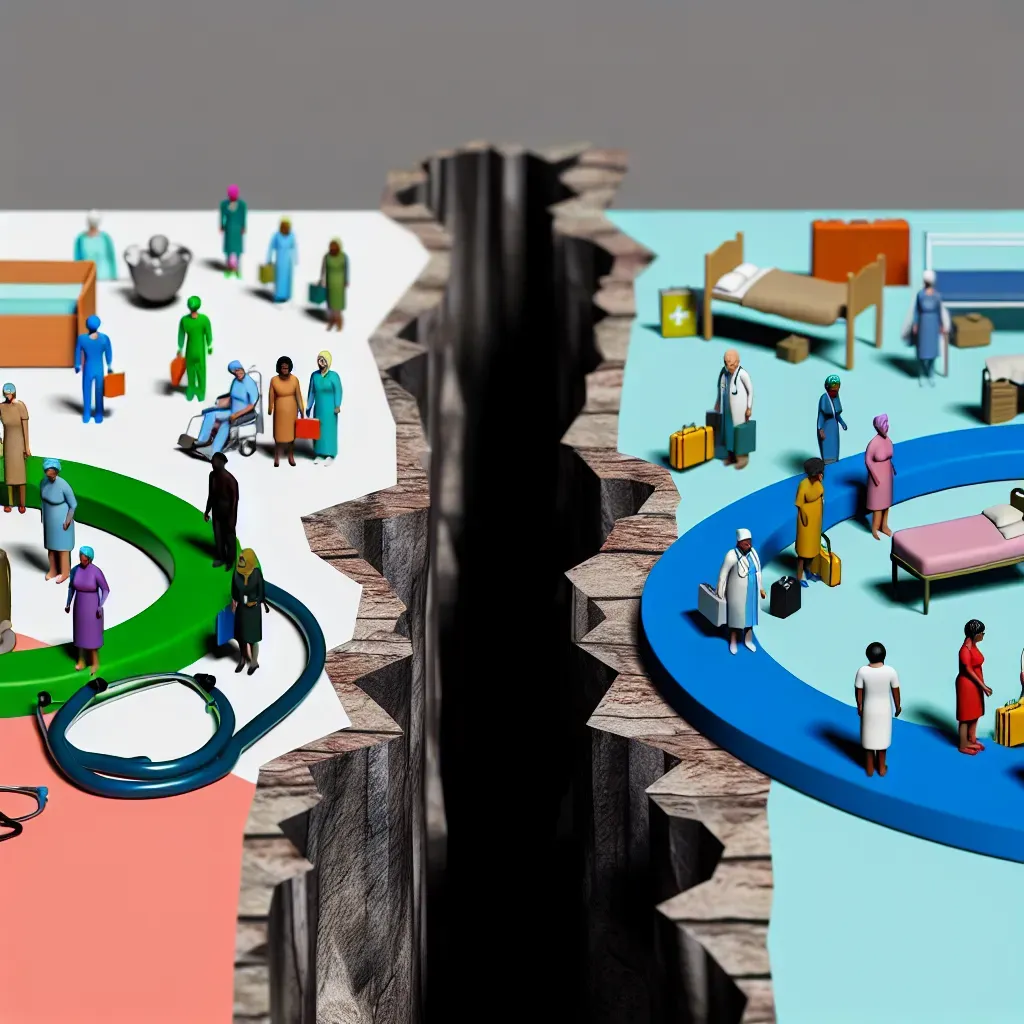
One of the essential recommendations from Baroness Casey’s commission is to address the apparent divide between health services and the social care system that supports the elderly and disabled. This disconnection leads to a patchy delivery of care, often resulting in individuals not receiving timely or appropriate support. Timely interventions can lead to improved outcomes for patients, particularly for those battling severe conditions like motor neurone disease, where delays can significantly impact their quality of life. By fostering a collaborative approach, these recommendations could pave the way to a more integrated care system.
Casey emphasizes that bridging this gap is not just a bureaucratic challenge but a moral imperative. The current state has created a situation where care staff—weighed down with heavy workloads—are often undervalued and inadequately compensated. This exacerbates the current crisis within the care workforce, leading to high turnover rates and, consequently, poorer care for patients. Addressing these disparities is a vital step in ensuring that individuals receive the support they deserve, laying the groundwork for a more robust adult social care system in the UK.
Economic Impact of Inaction on Social Care
The economic implications of neglecting reforms in the social care system are profound. Baroness Casey has warned that the failure to adequately address the social care system could lead to escalating costs in healthcare. When vulnerable individuals cannot access appropriate care, they often end up relying on the NHS for treatment of worsening conditions that could be managed through proper social care supports. Hence, investing in adult social care is not only a matter of social responsibility but also an economic necessity, as it can alleviate pressure on the health system.
Moreover, addressing the issues within social care can lead to substantial financial savings for the overall healthcare system. By ensuring that patients with conditions such as dementia receive adequate support through community resources, the long-term costs associated with emergency healthcare services can be significantly reduced. This presents a compelling argument for policymakers to take swift action to fund and implement comprehensive reforms, ultimately leading to a sustainable social care model that benefits everyone involved.
The Role of Government in Social Care Reform
Baroness Casey’s commission is calling for a robust response from the government, highlighting that political will is crucial for any sustainable reform in the social care system. The demand for a national adult safeguarding board is a critical recommendation aimed not only at enhancing transparency and accountability but also at ensuring that vulnerable populations are protected. The government’s role cannot be understated; it needs to facilitate essential changes that foster meaningful support for those in need of care.
Additionally, Casey’s proposal for a full-time dementia tsar signifies the need for targeted leadership within the social care landscape. These dedicated roles are pivotal in streamlining services and ensuring that individuals facing severe health challenges receive the requisite support promptly and without bureaucratic hurdles. The government’s immediate involvement in these initiatives will be paramount in realizing a more equitable and efficient adult social care system.
The Importance of Fair Pay for Care Workers
Fair pay for care workers has emerged as a critical concern in the ongoing dialogue about social care reform. Baroness Casey has underscored the pressing need to rectify the disparities in compensation between the NHS and care staff. Many caregivers face the harsh reality of earning less than minimum wage, leading to workforce shortages that ultimately jeopardize the quality of care provided to vulnerable individuals. This systemic undervaluation of care workers not only affects their livelihoods but also significantly impacts the support available to those relying on adult social care.
Ensuring competitive wages and favorable working conditions for care workers is essential to retain talent in the sector. As the demand for quality care services continues to rise, attracting skilled professionals becomes critical. By addressing these wage disparities, the social care system can enhance its overall efficacy while ensuring that individuals with varying needs—including those with conditions like MND—receive timely and compassionate support.
Identifying Key Recommendations for Enhanced Social Care
In her assessments, Baroness Casey has provided a clear framework of recommendations aimed at overhauling the adult social care system. Establishing a national adult safeguarding board and appointing a full-time dementia tsar are among her core directives. These measures are designed to elevate the standards of care and ensure that individuals with specific needs are prioritized and adequately supported. Increased investment in social care infrastructure will also play a pivotal role in addressing the fragmentation currently plaguing the system.
Moreover, Casey’s call for a fast-track passport for individuals diagnosed with MND highlights the necessity for swift access to essential care services for those facing terminal illnesses. By implementing these strategic recommendations, the UK can begin to turn the tide on the inadequacies of the current system while providing a blueprint for sustained improvements in care quality for citizens across the spectrum of social care needs.
Navigating the Challenges of Dementia Support in Social Care
Support for individuals with dementia represents one of the most pressing challenges within the social care system. Families often find themselves navigating a convoluted maze of services that are disjointed and inconsistent. As Baroness Casey pointed out, families dealing with dementia often bear the brunt of these systemic failings, facing overwhelming uncertainty and little professional guidance. A dedicated focus on dementia support could simplify access to care and empower families with the knowledge and resources they require.
The proposal for appointing a full-time dementia tsar aims to rectify this situation by providing a centralized point of organization and advocacy for individuals affected by dementia and their families. This leadership role would drive collaboration among care providers, ensuring that a coherent approach to dementia support is established. Ultimately, fostering such a specialized focus is essential to enhance the quality of life for those impacted by dementia within the current social care system.
Advocating for Motor Neurone Disease Care in the Social Care Framework
Motor Neurone Disease (MND) care represents a unique set of challenges within the adult social care framework, as highlighted by Baroness Casey’s commission. Individuals diagnosed with MND often have a limited life expectancy and require immediate, comprehensive care. The current system’s inefficiencies mean that many MND patients face excessive assessments and barriers to access critical support services. Casey’s proposal for a fast-track passport system for MND patients is aimed at addressing these gaps, ensuring that they receive the care they need without unnecessary delays.
This initiative is vital not only because it acknowledges the urgency surrounding MND care but also sets a precedent for how the social care system should respond to similar conditions. By prioritizing resources and streamlining access for individuals facing terminal illnesses, the system can transform lives, allowing patients to spend their remaining time with dignity and in a supportive environment. This kind of targeted support is essential in modernizing the UK’s approach to complex health conditions within the social care system.
The Future of Adult Social Care: A Need for Continuous Assessment and Reform
Looking ahead, the call for an ongoing assessment of the adult social care system, as proposed by Baroness Casey, is a crucial element in achieving lasting improvements. Understanding the evolving needs of the population and ensuring that the social care system adapts in tandem is essential for continued effectiveness. This forward-thinking approach will provide the necessary groundwork for establishing a National Care Service that is resilient, responsive, and capable of addressing future challenges.
As the independent commission is set to release its report, it will guide policymakers in making informed decisions about funding and structural updates needed for sustainable social care. The focus on comprehensive assessments will help avoid the mistakes of the past, ensuring that crucial support systems remain relevant and effective. The engagement of various stakeholders across the healthcare and community spaces is vital to create a collaborative environment that propels the adult social care system into a future that prioritizes individual needs and well-being.
Frequently Asked Questions
What is the current state of the adult social care system in the UK?
According to Baroness Louise Casey, the adult social care system in the UK is fragmented and confusing. It operates with a significant divide between health and social care, leading to inadequate support for many vulnerable individuals, including those with dementia and motor neurone disease. This disjointed system means that some essential needs go unmet or are addressed too late.
How does Baroness Louise Casey’s report address dementia support within the social care system?
Baroness Louise Casey’s report highlights the urgent need for enhanced dementia support in the social care system. She advocates for appointing a dedicated dementia tsar to oversee and improve the support services available to families affected by dementia, which she describes as currently minimal and insufficient.
What recommendations has Baroness Casey made regarding the support for individuals with motor neurone disease (MND) in the UK social care system?
Baroness Casey has proposed the creation of a fast-track passport for individuals diagnosed with motor neurone disease (MND) to ensure they receive timely and appropriate care. This recommendation is based on the recognition that those affected by MND often face numerous challenges in accessing the social care services they urgently need.
Why is there a need for reform in the UK’s social care system?
The need for reform in the UK’s social care system stems from its current fragility and confusion, as highlighted by Baroness Casey. She points out that the system fails to adequately support individuals, particularly the elderly and disabled, leading to distressing experiences for those seeking care. Additionally, there is an urgent call for equitable treatment of care workers to improve service delivery.
What are the consequences of the divide between health care and social care in the UK?
The divide between health care and social care has serious consequences, including a lack of cohesive support for patients. Many individuals experience delays in receiving care, as illustrated by Baroness Casey’s remarks that the public does not perceive this divide. Instead, it compounds the challenges faced by vulnerable populations, including those needing dementia support and care for motor neurone disease.
How can the public influence changes in the adult social care system?
The public can influence changes in the adult social care system by advocating for the recommendations made by Baroness Casey and participating in discussions surrounding social care reform. Public support for equitable pay for care workers and awareness of the challenges faced by those requiring care can also put pressure on policymakers to prioritize improvements.
What role does the Association of Directors of Adult Social Services play in the social care system?
The Association of Directors of Adult Social Services plays a crucial role in shaping the adult social care system in the UK by advocating for reforms and improvements. Their support for Baroness Casey’s focus on adult social care emphasizes the importance of this issue in national discourse and highlights the need for collaborative solutions to the system’s challenges.
When is the report outlining a plan for establishing a National Care Service expected to be released?
The report outlining a plan for establishing a National Care Service is scheduled for release later this year, according to Baroness Casey’s independent commission on adult social care. This report will be a critical step in addressing the pressing challenges facing the social care system in the UK.
| Key Points |
|---|
| Baroness Louise Casey identifies the need for reform in the social care system for older and disabled people in England. |
| She highlights a significant divide between health and social care in the UK. |
| Casey urges immediate government action to address failures in social care, including establishing a national adult safeguarding board. |
| She calls for a full-time dementia tsar and a fast-track passport for individuals diagnosed with motor neurone disease (MND). |
| The current social care system is fragmented and often fails to meet individuals’ needs adequately. |
| Care workers are poorly compensated and face undervalued working conditions compared to NHS staff. |
| Casey describes the experience of accessing social care as ‘horrendous’ for many individuals. |
| The government is urged to implement Casey’s preliminary recommendations fully and create a responsive adult social care system. |
| A cross-party effort is essential for the identified reforms to succeed and deliver real benefits to individuals needing support. |
| The independent commission where Baroness Casey works aims to develop a National Care Service structure. |
Summary
The social care system in England is at a critical juncture, as highlighted by Baroness Louise Casey, who has called for urgent reforms to address its disparities. With significant deficiencies, particularly in support for elderly and disabled individuals, Casey emphasizes the need for swift government action to bridge the gap between health and social care. Her proposals aim to enhance the system, improve the working conditions of care staff, and ensure that vulnerable populations receive timely and effective care. Addressing the current shortcomings will require a unified approach from all political factions to build a social care system that serves the needs of all citizens.