Listen to this article
Humboldt penguins are a fascinating species that have recently made their debut at Birdland Park and Gardens in the Cotswolds. This exciting addition of three male Humboldt penguins marks a significant step in the park’s commitment to conservation efforts. Unfortunately, these incredible birds are classified as vulnerable wildlife species, primarily due to habitat loss and climate change. As part of a dedicated initiative, the park’s involvement in penguin breeding programs is crucial for ensuring a genetically diverse population. Visitors to Birdland can now enjoy observing these charming penguins while also supporting vital Humboldt penguin conservation efforts.
Recently, Birdland Park and Gardens welcomed a trio of adorable penguins from the species uniquely native to South America. Known for their striking appearance and playful nature, these seabirds are part of a larger conservation strategy aimed at protecting at-risk avian species. The arrival of these new residents is not only a treat for park visitors, but also aligns with global efforts to manage breeding programs that bolster the population of such species. As a highlight among Cotswolds attractions, Birdland’s initiative showcases the park’s dedication to wildlife preservation, particularly in light of the challenges faced by these captivating animals in their natural habitats.
Importance of Humboldt Penguin Conservation
Humboldt penguins are a crucial species for the ecosystem as they play a significant role in their native habitats in Peru and Chile. Conservation efforts for Humboldt penguins are vital, particularly in light of the increasing threats they face due to climate change, overfishing, and habitat loss. These penguins are classified as a vulnerable wildlife species, making their preservation essential not only for biodiversity but also for the health of marine environments. Active participation in conservation projects, such as the breeding programs at institutions like Birdland Park and Gardens, helps to maintain a genetically diverse population, ensuring that future generations of these remarkable birds can thrive.
To effectively protect Humboldt penguins, organizations and wildlife parks are implementing extensive conservation strategies, which include habitat restoration, public awareness campaigns, and captive breeding initiatives. These programs provide a safe environment for the penguins while contributing to scientific research that can inform better management practices for their wild counterparts. By fostering a strong community of breeding penguins within conservation zoos across Europe, we enhance the potential for successful reintroductions into their natural habitats, thereby paving the path towards sustainable populations in the wild.
Birdland Park and Gardens: A Hub for Penguin Breeding Programs
Birdland Park and Gardens, located in the scenic Cotswolds, has emerged as a prominent facility for penguin breeding programs, demonstrating a commitment to wildlife conservation. The park recently welcomed a trio of Humboldt penguins, adding to its existing colony, and creating an engaging experience for visitors while actively contributing to conservation efforts. By maintaining a healthy population of both Humboldt and King penguins, Birdland is well-equipped to educate the public about the vulnerabilities faced by these species and the importance of their conservation.
The park’s breeding programs are not only about increasing numbers but also focus on genetic diversity which is crucial for the long-term viability of bird populations. The arrival of the three male Humboldt penguins marks a significant step in strengthening the gene pool needed for healthy breeding. As Birdland Park continues to build on its initiatives, it collaborates with international teams, engaging in critical research and conservation actions. This not only highlights the park’s dedication to preserving wildlife but also makes Birdland a key attraction for those visiting the Cotswolds.
Challenges Facing Humboldt Penguins in the Wild
Humboldt penguins face numerous challenges in their natural habitat, primarily stemming from human activities. Climate change significantly impacts their breeding and feeding patterns, as rising ocean temperatures can lead to the decline of their fish prey, forcing penguins to travel further for food. Additionally, overfishing has led to dwindling fish populations around the coasts of Peru and Chile, where these penguins reside. As a result, many Humboldt penguins are unable to obtain sufficient nourishment, making survival increasingly difficult.
Moreover, habitat disturbance caused by tourism and development puts additional pressure on these vulnerable wildlife species. Increasing human encroachment on their nesting areas affects their ability to reproduce successfully and raise their chicks. Conservation programs, like those at Birdland Park, aim to address these challenges by raising awareness and taking concrete actions to protect their natural habitats, demonstrating the need for global support and cooperation in safeguarding the future of Humboldt penguins.
The Role of Education in Penguin Conservation
Education plays a pivotal role in the conservation of Humboldt penguins and other vulnerable wildlife species. By raising awareness about the threats these penguins face, wildlife parks like Birdland engage visitors in informed discussions about environmental stewardship and sustainable practices. Programs that educate the public about the importance of penguin conservation not only increase support for breeding programs but also inspire individuals to take practical steps toward protecting marine ecosystems.
Birdland Park includes interactive experiences and informative presentations that highlight the behaviors and habitats of Humboldt penguins. Visitors learn how climate change and pollution impact these birds directly and indirectly, fostering a sense of responsibility and urgency to act. This educational aspect promotes the conservation message beyond the park’s boundaries, encouraging communities to advocate for policies that protect fragile ecosystems both locally and globally.
Visitor Engagement at Birdland Park and Gardens
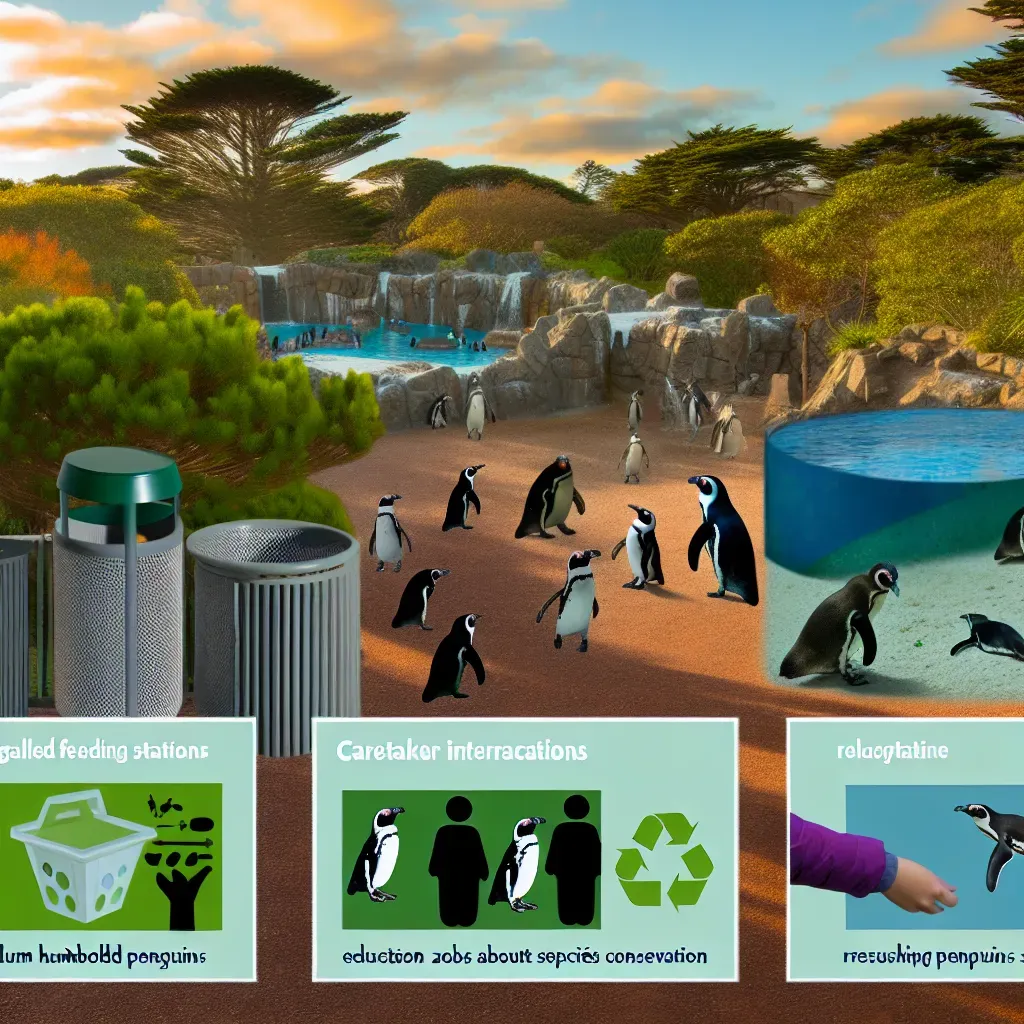
Birdland Park and Gardens offers more than just a glimpse of wildlife; it provides visitors with an engaging learning experience about penguin conservation, particularly through its vibrant Penguin Shore area. This part of the park allows guests to observe the newly arrived Humboldt penguins up close, fostering a connection between visitors and these incredible birds. Such interactions enhance public interest in conservation efforts and increase support for wildlife protection initiatives.
The excitement surrounding the new arrivals, including the trio of male Humboldt penguins, serves as a catalyst for deeper engagement with the public. Events, educational sessions, and themed exhibits at Birdland attract tourists while enhancing their understanding of the ongoing efforts to safeguard these vulnerable species. By transforming conservation into an interactive experience, Birdland Park not only entertains but also empowers its visitors to contribute to wildlife conservation efforts, making it a significant attraction within the Cotswolds.
The Future of Humboldt Penguins in Conservation Zoos
As conservation efforts continue, the future of Humboldt penguins in facilities like Birdland Park looks promising. The park’s ongoing breeding programs and partnerships with international conservation organizations enhance the prospects of a sustainable population. By maintaining genetically robust groups of penguins and focusing on the rehabilitation of their natural habitats, these conservation zoos play a critical role in ensuring that future generations can thrive, both in captivity and in the wild.
Moreover, the successful integration of the new Humboldt penguins into Birdland’s existing community signifies the ongoing commitment to the management and care of wildlife. With the potential for future breeding and the continuation of collaborative conservation initiatives, the park amplifies its impact on national and global efforts to protect these magnificent creatures. As conservation zoos evolve to meet the challenges of the modern world, they remain essential to the survival and future of vulnerable species like the Humboldt penguin.
Conservation Efforts and Their Global Impact
Conservation efforts for Humboldt penguins extend beyond local initiatives at places like Birdland Park and Gardens. These efforts are part of a broader, coordinated approach that includes multiple conservation organizations working collaboratively to address the critical challenges faced by these birds globally. This includes on-the-ground conservation work in their native habitats, as well as effective policy advocacy to protect marine environments from overfishing and habitat degradation.
As the situation for Humboldt penguins evolves, the international cooperation seen in these conservation programs will be key to ensuring long-term success. By sharing data, resources, and expertise, conservationists can develop more effective strategies to combat threats and preserve vulnerable wildlife species. Ultimately, the global impact of these collective efforts will resonate far beyond penguin populations, influencing the broader ecosystem and creating a healthier planet for all species.
The Role of Artificial Nesting in Penguin Conservation
Artificial nesting is an innovative strategy utilized in the conservation of Humboldt penguins. The deployment of artificial nest boxes, as practiced by Birdland Park and its collaborators, mimics the natural nesting environment of these birds, enhancing their chances of successful breeding. By providing secure nesting sites, parks can significantly increase the reproductive success of penguin populations in both captivity and the wild.
These artificial nests are particularly crucial in areas where natural nesting sites are scarce due to habitat destruction. They not only provide a safe haven for penguins but also facilitate monitoring by conservationists seeking to study penguin behavior and breeding patterns. As Birdland Park continues to engage in such conservation initiatives, including the establishment of artificial nests in their programs, they contribute valuable knowledge and practices to the broader conservation efforts aimed at protecting vulnerable wildlife species such as the Humboldt penguin.
The Cotswolds as a Conservation Destination
The Cotswolds, renowned for its picturesque landscapes and charming villages, has become a notable destination for wildlife conservation, with Birdland Park and Gardens leading the charge. Visitors flock to the area not only for its natural beauty but also to learn about the conservation efforts in place to protect vulnerable species like the Humboldt penguin. By visiting such parks, tourists can partake in a practical conservation experience while supporting local initiatives directly.
By positioning itself as a central hub for wildlife education and conservation, the Cotswolds attracts visitors who are interested in both leisure and the protection of natural resources. Birdland Park, with its engaging exhibits and conservation programs, serves as an exceptional model for how well-planned tourism can contribute positively to wildlife conservation. This synergy between tourism and conservation enhances the area’s appeal while fostering a deeper appreciation for the wildlife that inhabits it.
Frequently Asked Questions
What are the conservation efforts for Humboldt penguins at Birdland Park and Gardens?
Birdland Park and Gardens is dedicated to Humboldt penguin conservation through managed breeding programs that maintain a healthy and genetically diverse population. These efforts contribute to safeguarding the species, which is listed as vulnerable due to climate change and habitat disturbance.
How do Humboldt penguins contribute to vulnerable wildlife species awareness?
Humboldt penguins raise awareness of vulnerable wildlife species by showcasing the threats they face, such as overfishing and climate change. Their presence at conservation zoos like Birdland Park helps educate visitors on the importance of global conservation initiatives.
What is the importance of penguin breeding programs in conservation efforts?
Penguin breeding programs, such as those implemented at Birdland Park, play a crucial role in conserving Humboldt penguins. These programs help ensure a genetically diverse population, which is essential for the long-term survival of vulnerable species in captivity and in the wild.
Where can I see the new Humboldt penguins in the Cotswolds?
The new Humboldt penguins are located at the Penguin Shore area within Birdland Park and Gardens. Visitors can observe these exciting additions as part of the park’s commitment to wildlife conservation.
What inspired Birdland Park to expand its Humboldt penguin colony?
Birdland Park’s decision to expand its Humboldt penguin colony was inspired by international conservation efforts and a commitment to protecting vulnerable wildlife species. The arrival of three new male penguins is part of a larger initiative to support global conservation measures.
How do the new Humboldt penguins contribute to Birdland Park’s conservation goals?
The new Humboldt penguins enhance Birdland Park’s conservation goals by supporting managed breeding initiatives aimed at building a sustainable and genetically varied population. This aligns with the park’s mission to contribute to the preservation of vulnerable wildlife species.
What experiences do keepers have with Humboldt penguins during conservation efforts?
Keepers at Birdland Park gain vital experience through various conservation efforts, including research trips to Peru, where they monitor wild Humboldt penguins and study their natural habitats. This knowledge informs the care and management of the penguins at the park.
Why are Humboldt penguins considered a vulnerable wildlife species?
Humboldt penguins are considered a vulnerable wildlife species due to several threats, including climate change, overfishing, and habitat loss. Conservation efforts at facilities like Birdland Park help address these challenges and work towards their protection.
What can visitors expect to learn about Humboldt penguins at Birdland Park?
Visitors at Birdland Park can expect to learn about the ecology, behaviors, and conservation challenges that Humboldt penguins face. The park aims to educate the public on the importance of protecting these vulnerable wildlife species through engaging exhibits and informative talks.
| Key Points |
|---|
| Birdland Park and Gardens welcomed three Humboldt penguins. |
| The male trio is part of a conservation program to enhance the species’ population. |
| Humboldt penguins are native to Peru and Chile and are classified as vulnerable in the wild. |
| Threats to their survival include climate change, overfishing, and habitat disturbance. |
| Managed breeding programs are essential for maintaining genetic diversity in conservation zoos. |
| The new penguins hatched in 2024 and arrived from Folly Farm Adventure Park in Wales. |
| They have integrated with the existing colony of Humboldt and King penguins at the park. |
| Birdland’s head keeper previously traveled to Peru for research on wild penguins. |
| The addition of these penguins reflects the park’s commitment to global conservation efforts. |
| Visitors can see the new penguins at the park’s Penguin Shore area. |
Summary
Humboldt penguins have made a thrilling entrance at Birdland Park and Gardens, highlighting the park’s commitment to conservation efforts. The arrival of these three males is not only an addition for visitors to admire but also an integral part of a global initiative aimed at safeguarding the future of the species. With their natural habitats threatened, programs like this are essential to fostering a sustainable population in zoos and in the wild.