
Listen to this article
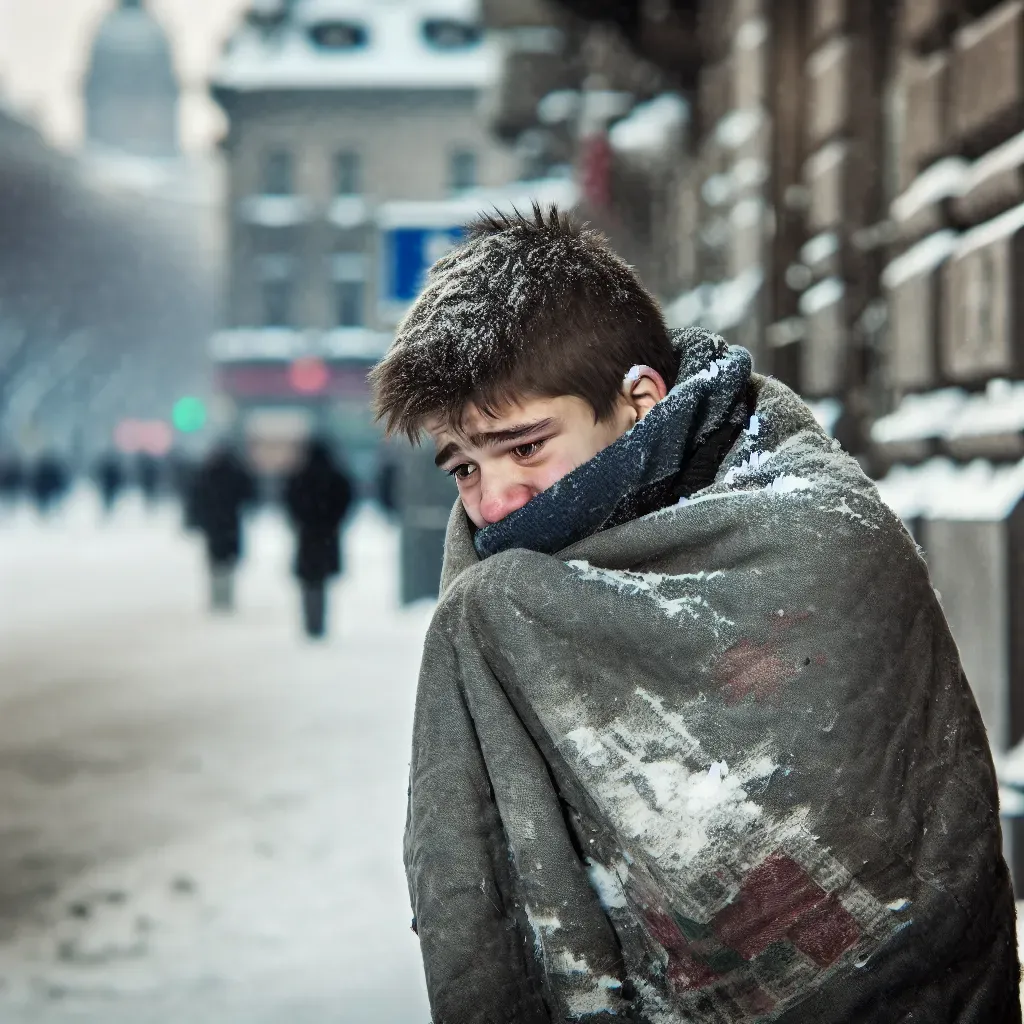
Teenage refugee homelessness is a pressing issue that highlights the vulnerabilities faced by young individuals seeking a safe haven after fleeing conflict and persecution. Many teenagers, like a 19-year-old Eritrean refugee, are left to navigate the harsh realities of life on the streets after being evicted from Home Office accommodation due to opaque policies. This precarious situation leaves them exposed to dangers, particularly during winter months when the cold makes homelessness even more severe. Asylum seeker support programs are often inadequate, failing to meet the immediate needs of these young refugees who have already endured tremendous hardships. The recent high court challenge shed light on systemic failures, pushing for better protections for those at risk of homelessness and emphasizing the need for immediate reforms in refugee accommodation provisions.
The plight of young migrants without stable housing is an urgent humanitarian issue that underscores the broader challenges of refugee integration. Many adolescents who have sought asylum in the UK encounter significant hurdles, including sudden evictions from designated shelters that leave them vulnerable to becoming street dwellers. Low support levels for these asylum seekers can exacerbate their situations, particularly during harsh weather conditions that threaten their survival and wellbeing. Recent legal actions have prompted discussions about the need for more compassionate policies and comprehensive support systems to help prevent youth homelessness among displaced populations. Ensuring consistent access to housing assistance and understanding of the rights of these vulnerable individuals remains essential for fostering their safety and stability.
The Crisis of Teenage Refugee Homelessness
Teenage refugee homelessness has emerged as a pressing crisis, particularly during the winter months when harsh conditions exacerbate the vulnerability of displaced youth. Many teenage refugees, like the 19-year-old Eritrean who recently faced eviction, find themselves navigating a treacherous path towards safety and stability. With limited resources and support systems, these young individuals often experience the devastating effects of homelessness firsthand. Their unique challenges highlight the urgent need for more comprehensive policies and adequate refugee accommodation to ensure their protection during such vulnerable times.
Refugees in transition possess a myriad of unmet needs that can lead to adverse outcomes, including exposure to violence and exploitation. Reports of attacks against those who find themselves homeless underscore the high risks faced by these vulnerable teenagers. The case of the Eritrean refugee illustrates how easily a young person can slip through the cracks of a system designed to protect them, revealing the systemic failures that contribute to street homelessness. To combat this issue, advocacy for improved asylum seeker support and stronger legal protections tailored specifically for minors is crucial.
Eviction Policies and Legal Challanges
Recent high court challenges shed light on the shortcomings of current eviction policies impacting refugees, particularly the harsh 28-day deadline set by the Home Office. These policies often disregard the circumstances of individuals actively seeking housing, thereby increasing their risk of homelessness during winter. The unintended consequences of rapid evictions not only threaten the well-being of refugees but also provoke legal scrutiny that demands systemic reform. As evidenced during the high court case involving teenage refugees, the courts have begun to recognize that current practices may violate the rights of asylum seekers, calling for increased accountability from the Home Office.
The ruling that followed this landmark legal challenge marks a significant shift in how authorities must address the needs of refugees. The court now mandates that individuals facing eviction must be informed about their rights, especially regarding the discretion to extend their accommodation period. This decision underscores the importance of transparency and adherence to regulations that prioritize the safety and security of vulnerable populations, particularly younger refugees at risk of street homelessness. Such legal outcomes highlight the potential for judicial intervention to catalyze much-needed reforms in asylum support policies.
The Role of Local Councils in Refugee Support
Local councils play a critical role in providing support to refugees, especially during times of transition. Their responsibility encompasses not only the immediate provision of housing but also access to vital services such as healthcare, education, and legal assistance. In cases where individuals like the Eritrean teenager find themselves homeless, local authorities are expected to step in and offer timely support. Unfortunately, systemic hurdles often hinder their efforts, leading to dire consequences for those in need. A more coordinated approach between local councils and the Home Office is necessary to ensure comprehensive care for refugees and minimize the risks of homelessness.
Furthermore, pushing for policy changes that foster cooperative efforts between local governments and asylum support services is essential for creating a robust framework for refugee assistance. Enhanced collaboration can help facilitate smoother transitions from temporary accommodation to permanent housing, thereby reducing the chances of refugees facing eviction and homelessness in the first place. By empowering local governments to take a proactive role, we can build a more resilient support system that addresses the challenges faced by refugees effectively.
Winter Challenges for Homeless Refugees
The plight of homeless refugees is particularly severe during winter, when frigid temperatures and inclement weather pose serious risks to their health and safety. Many refugees, such as the teenage boy who ended up sleeping rough, are left unprotected and without adequate supplies, significantly increasing their vulnerability to illness and violence. Winter conditions can lead to insomnia, hypothermia, and other health crises, especially for individuals without a safe, warm place to sleep. Addressing these challenges requires urgent action from both the government and community organizations to provide immediate aid.
Winter also often sees an increase in anti-migrant sentiment, which compounds the challenges faced by homeless refugees. As public discourse intensifies around immigration, homeless refugees can become scapegoats, facing hostility rather than support. It is vital to combat this narrative by fostering a compassionate understanding of their circumstances. Community initiatives that champion refugee rights and offer winter support programs, such as emergency shelters and warm clothing drives, are crucial in mitigating the hardships faced by these vulnerable individuals during the coldest months of the year.
Legal Rights of Refugees and Asylum Seekers
Understanding the legal rights of refugees and asylum seekers is paramount to ensuring their protection against unlawful eviction and homelessness. Many individuals, including teenagers, remain unaware of the legal frameworks designed to support them during their transition to a new life. The recent high court challenge underlined the necessity for authorities to provide clear and accurate information regarding the rights refugees possess—especially concerning eviction notices. This ensures that they can make informed decisions regarding their housing and explore available options for extended accommodation if they face immediate homelessness.
Informed advocacy for refugee rights not only empowers the individuals but also holds governing bodies accountable for their treatment of vulnerable populations. Legal assistance, tailored outreach programs, and awareness campaigns can help demystify the asylum process and reinforce the importance of compliance with established legal standards. Furthermore, educating both the refugees and the general public can help cultivate a more inclusive society, thus reducing stigma and fostering support systems that protect against discrimination and promote successful integration.
Homes Not Hotels: Reimagining Refugee Accommodation
The reliance on temporary hotels for asylum seeker accommodation has sparked widespread debate regarding the effectiveness and appropriateness of such measures. With many refugees staying in hotels lacking adequate resources for long-term stability, the urgent call for more permanent housing solutions has gained momentum. Advocates argue that transitioning away from hotels to more stable housing is essential in preventing the risk of homelessness for individuals who are already vulnerable, such as teenagers transitioning into adulthood. Establishing supportive housing models that facilitate a sense of community and self-sufficiency can make a significant difference in the lives of refugees.
Additionally, the development of permanent housing solutions must be accompanied by comprehensive support programs that address the unique needs of refugees. This includes access to social services, job training, and mental health resources. Governments and NGOs must collaborate to create housing programs that are not only sustainable but also culturally sensitive, ensuring that refugees feel welcomed and integrated into their new communities. Such initiatives would take significant strides towards ensuring that no refugee, especially vulnerable adolescents, has to face the threat of eviction into homelessness.
Advocacy and Action for Refugee Rights
Advocacy plays a crucial role in shaping policies and protecting the rights of refugees, particularly vulnerable demographics like teenagers experiencing homelessness. When individuals advocate for systemic changes, they raise awareness about the challenges faced by refugees and the urgent need for reforms that prioritize humane treatment and legal protections. Grassroots organizations have been instrumental in highlighting stories of homeless refugees, such as that of the Eritrean teenager, showcasing the need for swift action to provide support and mitigate the risks of homelessness.
Active engagement in advocacy can lead to tangible changes, pushing policymakers to adopt more inclusive strategies that take into account the lived experiences of refugees. Following the recent high court challenge, there is renewed momentum within advocacy circles to continue championing the rights of asylum seekers, minimizing the bureaucratic barriers that currently impede their access to housing and social support. By maintaining pressure on government bodies, advocates can ensure that the rights enshrined in international law are upheld, ultimately fostering a more just and equitable system for everyone.
Community Support Initiatives for Refugees
Community support initiatives have emerged as a vital lifeline for refugees experiencing homelessness, particularly as public resources become strained under the weight of rising asylum seeker numbers. Local organizations and volunteers have mobilized to provide critical assistance, including basic necessities such as food, clothing, and shelter during winter months. These initiatives not only address immediate needs but also help foster community ties and promote a sense of belonging among homeless refugees. Programs that prioritize the involvement of refugees in their implementation can lead to more effective and responsive support systems.
In addition to basic needs, these community endeavors often include mentorship, educational opportunities, and emotional support services tailored to the unique challenges faced by refugee youth. Such programs can play an essential role in enhancing resilience and helping homeless teenagers transition into stable housing and employment. By leveraging local resources and fostering empathy, communities can implement long-term solutions that enhance the lives of refugees and create more inclusive societies.
The Future of Refugee Policies: Moving Towards Equality
The future of refugee policies must prioritize the equal and fair treatment of individuals from all backgrounds, irrespective of their circumstances. Moving away from punitive measures and towards supportive frameworks will not only enhance the immediate safety of refugees, including vulnerable groups such as teenagers facing homelessness, but also nurture their ability to contribute to society. Ensuring that refugees have access to adequate housing and essential services is paramount for fostering social cohesion and mitigating anti-migrant sentiments that often lead to division.
As this new approach gains traction, stakeholders must advocate for sustained funding and resources dedicated to refugee support initiatives. This entails involving refugees in the decision-making processes that affect their lives, thereby enabling them to voice their needs and aspirations. Embracing this collaborative approach is crucial in shaping a society where refugees are recognized not merely as beneficiaries of aid but as vital contributors to the fabric of their new communities.
Frequently Asked Questions
What are the challenges of teenage refugee homelessness in the UK?
Teenage refugee homelessness in the UK is characterized by a lack of stable accommodation, with young refugees often facing eviction from Home Office housing. Many, like the Eritrean teen, are vulnerable to dangers such as violence and exploitation while trying to find safe shelter after being poorly supported in securing housing.
How does Home Office eviction impact teenage refugees?
Home Office eviction can significantly destabilize the lives of teenage refugees, leading to homelessness and increased risk of violence. Evictions often provide only 28 days to secure new accommodation, which can be nearly impossible without proper support, causing many to end up on the streets.
How is the high court challenge related to teenage refugee homelessness?
The high court challenge brought attention to the discriminatory 28-day move-on period for asylum seekers, exposing how many teenage refugees faced unjust evictions from Home Office accommodations, worsening their vulnerability to homelessness.
What support is available for teenage refugees facing homelessness?
Support for teenage refugees facing homelessness includes organizations that provide asylum seeker support, local councils that may offer housing assistance, and legal aid to challenge unfair eviction practices. However, access to these services can vary and remain inconsistent.
Why was the 28-day housing rule for refugees criticized?
The 28-day housing rule for refugees was criticized for not adequately considering the needs of individuals at risk of rough sleeping, including teenagers. A high court ruling has since mandated better communication about housing extensions to ensure vulnerable groups are protected.
What actions are being taken to prevent homelessness during winter for teenage refugees?
In response to rising concerns about teenage refugee homelessness during winter, legal challenges have led to improved guidance from the Home Office to caseworkers, ensuring better support for those at risk of eviction and rough sleeping.
How does forced labor history affect teenage refugees seeking accommodation?
Teenage refugees with forced labor backgrounds, like the Eritrean case, may face additional psychological and social barriers while seeking accommodation. Their trauma can impact their access to support systems, making it challenging to secure stable housing after experiencing homelessness.
What legislative changes are being made to assist teenage refugees?
Recent high court rulings have prompted legislative changes that require the Home Office to inform teenage refugees of their rights regarding housing extensions, aiming to reduce instances of homelessness caused by abrupt evictions.
| Key Points | Details |
|---|---|
| Teenage Refugee Eviction | A teenage refugee was evicted from Home Office accommodation due to unpublished rules. |
| High Court Challenge | Legal action revealed inconsistencies in applying discretion for housing extensions for at-risk individuals. |
| Forced Labor Experience | The 19-year-old from Eritrea fled forced labor in Libya and has faced homelessness in the UK. |
| Winter Homelessness | The refugee spent winter on the streets under harsh conditions leading to assaults. |
| Legal Protections | The court order now requires the Home Office to inform refugees of their rights to extension. |
| Government Statement | The Home Office maintains it is transitioning individuals while working with local governments. |
Summary
Teenage refugee homelessness is a pressing issue that has come to light due to recent legal developments. A teenage refugee in the UK faced severe challenges after being evicted from accommodation and spending winter on the streets. Such cases highlight the vulnerabilities of young refugees who, despite their attempts to secure housing, find themselves at imminent risk of homelessness. This legal challenge has led to more robust protections for this demographic, ensuring that they are informed of their rights when facing eviction. The responsibility now falls on the Home Office and local authorities to provide adequate support and prevent the tragic circumstances that many young refugees endure. It’s crucial to recognize these challenges and advocate for continued reforms to protect teenage refugees from homelessness.