Listen to this article
The recent Bank of England interest rate changes have captured the attention of many, especially homebuyers navigating the current real estate landscape. As the central bank adjusts the base interest rate to manage inflation and stimulate economic recovery, these developments significantly influence mortgage rates and, consequently, the affordability of buying a home. For those seeking to secure a mortgage, understanding how these interest rate fluctuations affect monthly payments is crucial. With rising costs often leading to more expensive mortgage options, aspiring homeowners must stay informed. In this blog post, we’ll explore how the Bank of England’s interest rate changes are reshaping opportunities for homebuyers in today’s market.
Understanding the shifts in interest rates set by the UK’s central bank is vital for anyone looking to enter the housing market. The adjustments made by the Bank of England directly impact borrowing costs, which can make or break the decision for many potential home purchasers. These changes are intricately linked with key factors like inflation trends and broader economic recovery efforts. For homebuyers, being aware of the implications of these interest rate adjustments can aid in making informed decisions while considering different mortgage options. As we delve into this topic, it becomes clear that navigating today’s housing environment requires both awareness and strategic planning.
The Impact of Bank of England Interest Rate Changes on Homebuyers
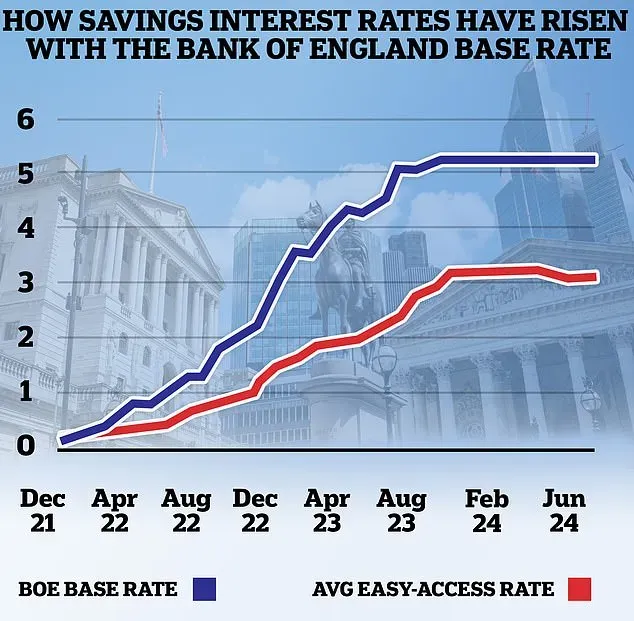
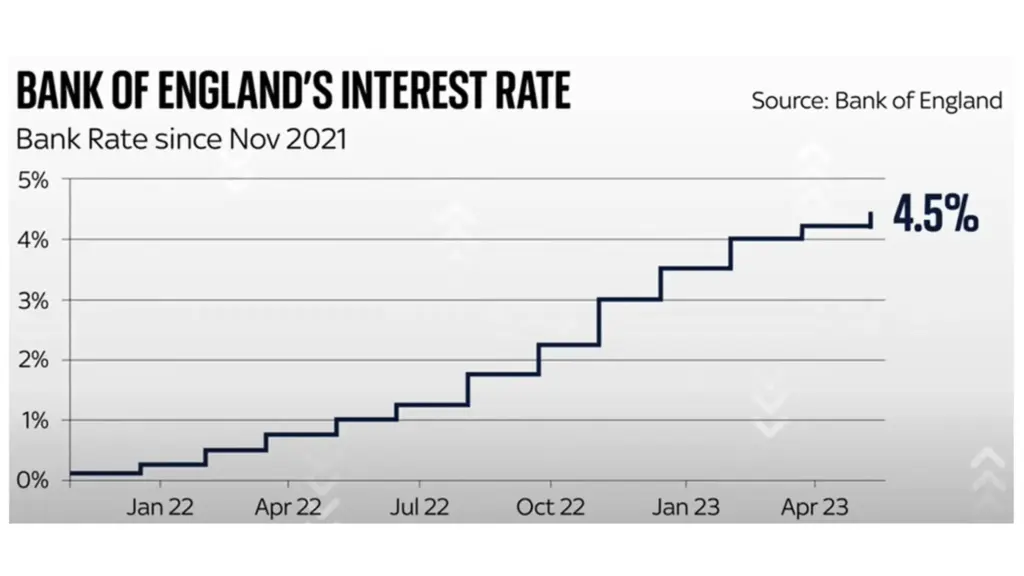
The Bank of England’s decisions regarding interest rates play a critical role in shaping the financial landscape for homebuyers. Higher rates generally lead to increased borrowing costs, directly affecting how much people pay monthly on their mortgages. As the interest rates rise, many prospective buyers need to reevaluate their budgets and financial capability. For example, a homebuyer aiming for a mortgage to purchase a home valued at £250,000 might see their monthly mortgage payment increase steeply with each uptick in interest rates, which can considerably stretch their financial limits.
Conversely, when the Bank of England lowers interest rates, borrowing becomes less expensive, and this can create a surge in homebuying activity. Lower mortgage rates encourage more people to enter the housing market, stimulating demand and consequently, prices in certain neighborhoods. Buyers who are aware of these trends can position themselves effectively; whether that means acting quickly when rates decline or preparing their financial profile for the eventual increases.
Understanding the Role of Inflation in Interest Rate Decisions
Inflation is a vital factor that influences the Bank of England’s decisions regarding interest rates. When inflation rates climb, the Bank may raise interest rates to control rising prices. This mechanism is intended to stabilize the economy by curbing excessive spending, which can otherwise lead to more inflation. For homebuyers, a closer link exists between inflation and their mortgage rates, meaning that rising inflation can lead to higher overall costs in their home financing.
In today’s economic climate, where inflation has surged due to various global factors, understanding this relationship is crucial. Homebuyers must realize that the timing of their home purchase can coincide with inflationary trends, and thereby affect their long-term mortgage costs. Indeed, those looking to buy a home should consider how current inflation rates may influence their interest rates and plan strategically.
Navigating Mortgage Options in a Changing Economy
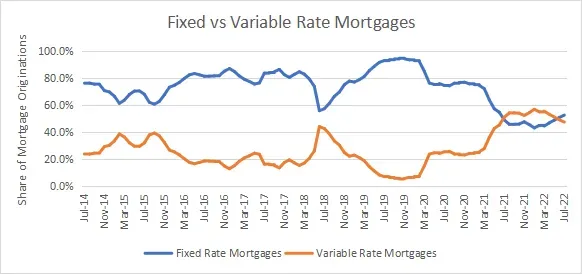
Rising interest rates lead many homebuyers to explore the various types of mortgage options available. Fixed-rate mortgages have gained popularity during periods of economic uncertainty because they allow buyers to lock in a specific rate for the duration of the loan. This situation is particularly appealing as it offers predictability in monthly payment structures even when the Bank of England foresees more future rate hikes. Homebuyers, especially first-time buyers, should weigh these options carefully.
On the other hand, adjustable-rate mortgages (ARMs) might seem attractive with lower initial rates. However, these can become a costly choice if interest rates continue to rise. Homebuyers need to assess their financial situation and risk tolerance when deciding between fixed or variable mortgage products. With fluctuating interest rates bringing uncertainties, thorough research and careful consideration should guide mortgage choices.
Preparing for Competition in the Housing Market
As interest rates rise, the housing market can experience paradoxical competition characteristics. Many potential buyers may hold back due to increasing costs, resulting in scenarios where some areas become less competitive, allowing savvy buyers to seize opportunities. First-time homebuyers, however, may find themselves in bidding wars, particularly for desirable properties. Those willing to engage seriously in the market may find that their offers must compete with fewer contingencies and better financing conditions.
For homebuyers looking to secure a home in such a competitive environment, strong strategies can make a significant difference. For example, getting pre-approved for a mortgage not only clarifies budget limits but also showcases commitment, potentially giving an edge during negotiations. Additionally, understanding market conditions and timelines can help homebuyers make informed decisions amid rising competition.
Navigating Economic Indicators While Buying a Home
Economic indicators such as employment rates, GDP growth, and consumer spending significantly affect the housing market and should be closely monitored by homebuyers. As economic conditions fluctuate, so too do interest rates set by the Bank of England. A strong economy may lead to tighter monetary policy, resulting in increased rates, while a sluggish economy might prompt lower rates to stimulate spending.
Thus, prospective homebuyers should keep an eye on these broader economic signals to adapt their buying strategies accordingly. This awareness can lead to more confident decisions, knowing when to buy or hold off based on predicted rate movements influenced by economic health. Staying informed requires a proactive approach to gather data and insights from trusted news sources, economic reports, and expert analyses.
Long-Term Strategies to Manage Rising Interest Rates
When navigating a market characterized by rising interest rates, homebuyers should adopt long-term financial strategies to mitigate increasing costs. One prevalent option is to secure a fixed-rate mortgage early in the homebuying process. Doing so provides financial stability in uncertain times by ensuring consistent monthly payments despite prevailing rate fluctuations.
Moreover, homebuyers should contemplate their long-term housing goals and not just immediate affordability. Buying a home is often a lengthy investment, and while current interest rates might seem daunting, historical trends show that real estate usually appreciates over time. With careful planning and a focus on long-term outcomes, buyers can make informed choices that align with their financial strategies.
Frequently Asked Questions
How do Bank of England interest rate changes affect mortgage rates for homebuyers?
Bank of England interest rate changes directly influence mortgage rates. When the BoE raises interest rates, lenders typically increase their mortgage rates, leading to higher monthly payments for homebuyers. Conversely, a drop in rates generally makes borrowing cheaper, allowing homebuyers to benefit from lower mortgage costs.
What impact do recent Bank of England interest rate changes have on homebuyers’ purchasing power?
Recent Bank of England interest rate changes have decreased homebuyers’ purchasing power as higher rates lead to higher mortgage payments. For instance, a rise in rates can significantly increase monthly costs, prompting buyers to reevaluate their budgets or consider smaller homes to maintain affordability in light of increased mortgage expenses.
Should homebuyers consider fixed-rate mortgages in light of Bank of England interest rate changes?
Yes, with the Bank of England increasing interest rates, fixed-rate mortgages are becoming more appealing for homebuyers. These mortgages lock in an interest rate for the loan’s duration, protecting against potential future rate hikes. This can provide financial stability in an unpredictable economic environment.
How can homebuyers best navigate a rising interest rate environment influenced by the Bank of England?
Homebuyers can navigate a rising interest rate environment by getting pre-approved for a mortgage, locking in current rates, and considering fixed-rate mortgage options. Understanding market trends and consulting with financial advisors can also help homebuyers make informed decisions amidst Bank of England interest rate changes.
What should first-time homebuyers know about Bank of England interest rate changes?
First-time homebuyers should be aware that Bank of England interest rate changes can significantly affect mortgage availability and affordability. Rising rates could increase monthly repayments, making it imperative for first-timers to assess their budgets thoroughly and explore fixed-rate mortgage options to safeguard against future increases.
How do Bank of England interest rate changes influence the overall housing market for homebuyers?
Bank of England interest rate changes can lead to fluctuations in the housing market. Higher rates typically reduce demand as potential homebuyers may delay purchases due to increased borrowing costs. This, combined with fewer buyers in the market, can lead to a more competitive landscape for those willing to proceed despite rising costs.
| Aspect | Key Points |
|---|---|
| Role of the Bank of England | Sets the base interest rate, influencing borrowing costs for mortgages. |
| Interest Rate Hikes | Increased rates due to inflation pressures lead to higher mortgage costs for homebuyers. |
| Impact on Mortgage Options | Fixed-rate mortgages become more popular, while adjustable-rate mortgages can be risky. |
| Increased Competition | Higher rates may discourage some buyers, leading to competitive bidding among those who proceed. |
| Homebuyer Strategies | Get pre-approved, lock in rates, consider long-term goals, and consult financial advisors. |
Summary
Bank of England interest rate changes have a profound impact on potential homebuyers, affecting affordability, market competition, and mortgage choices. As rates increase, it becomes crucial for homebuyers to understand how these changes influence their financial decisions. With rising interest rates leading to higher mortgage costs, awareness and preparedness are vital for navigating the housing market in today’s economic climate. By taking proactive steps such as obtaining mortgage pre-approval and considering the best mortgage options, homebuyers can better position themselves to make informed purchasing decisions, even amidst fluctuating interest rates.