Listen to this article
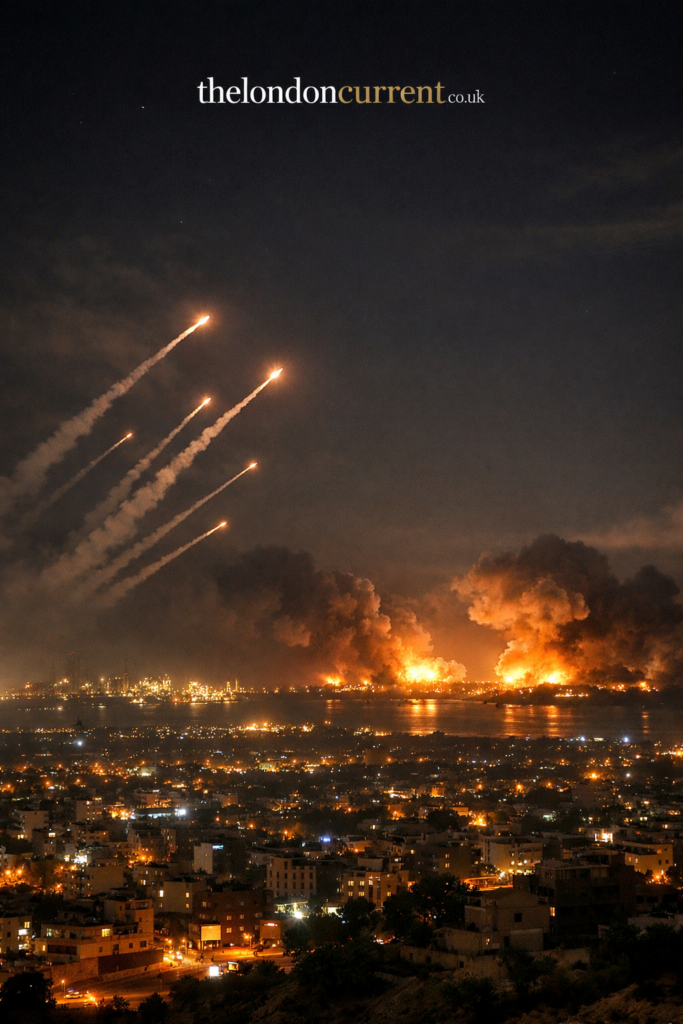
Middle East news today is filled with crucial updates and growing complexities that shape the region’s geopolitical landscape. As conflicts erupt and diplomacy wavers, understanding current events in the Middle East is more essential than ever. The ongoing Israeli-Palestinian conflict remains a central concern, fueled by recent clashes and humanitarian crises that draw both local and international attention. Additionally, discussions surrounding Iran’s nuclear deal and its implications for regional security continue to provoke debate among world powers. In this highly dynamic environment, exploring Middle East politics and its interconnected challenges—such as the Syrian civil war and Lebanon’s economic struggles—provides vital insights for those aiming to comprehend this multifaceted region.
The landscape of recent Middle Eastern affairs presents a mosaic of events that reflect the region’s intricate socio-political dynamics. Today’s headlines encapsulate the turmoil in various states, from the heated exchanges in the enduring Israel-Palestine saga to the dire humanitarian situations arising from the civil strife in Syria and Lebanon’s financial despair. The negotiations surrounding Iran’s pursuit of nuclear capabilities are signaling a precarious situation that invites scrutiny and dialogue among global stakeholders. In light of these pressing issues, analyzing the ongoing shifts in Middle Eastern relations as they pertain to both historical context and modern realities is of paramount importance. With every development, there lies an opportunity to decipher the implications of these tides of change on personal, national, and international levels.
Understanding Current Events in the Middle East
Staying informed about current events in the Middle East is imperative for grasping the region’s evolving political landscape. Recent events such as heightened tensions between Israel and Palestine or intricate international negotiations around Iran’s nuclear program showcase the complexities that define this area. Daily dynamics, which involve everything from grassroots movements to high-level diplomacy, are essential for contextualizing the broader geopolitical implications that these events may carry.
Moreover, the interconnectedness of these current events, such as the impact of the regional economic crisis in Lebanon or the consequences of the Syrian civil war, underscores the necessity of comprehensive analysis. Each development can directly or indirectly influence neighboring countries and global powers alike, demonstrating that understanding the Middle East is crucial not only for local stakeholders but for international policymakers too.
The Israeli-Palestinian Conflict: A Persistent Challenge
The Israeli-Palestinian conflict remains a core issue in Middle Eastern affairs, exemplifying the challenges of achieving lasting peace. Recent escalations highlight the ongoing tensions surrounding territorial disputes and humanitarian crises that arise from violence. Historical grievances, coupled with new calls for dialogue and compromise, demonstrate the complexity of the situation and the urgent need for sustained diplomatic efforts to address core issues.
Activism on social media platforms has amplified awareness of the plight of Palestinians and the impacts of Israeli policies, which has engaged a younger generation in activism and advocacy. With ongoing protests and advocacy driving international attention, the conflict remains a focal point for humanitarian organizations and governments striving for conflict resolution. Analyzing the roots of this conflict—and the potential for resolution—requires a multifaceted understanding of regional politics and the influence of external actors.
Iran’s Nuclear Ambitions and Regional Stability
Iran’s nuclear program poses significant challenges not only to the nation itself but also to the entire Middle East region. The development of nuclear capabilities has invoked international concern, specifically from Western countries fearing escalation and potential military conflicts. The complexities surrounding the Iran nuclear deal, particularly under the Biden administration’s new approach, necessitate careful examination of diplomatic strategies and their efficacy in preventing further nuclear development.
Understanding Iran’s nuclear ambitions in the context of its relationships with Gulf states and Israel underscores the precarious balance of power in the region. As tensions rise, the implications of a potentially nuclear-armed Iran become a critical point of analysis, revealing the intertwined fates of Middle Eastern countries amidst fears of conflict and instability. Comprehensive policies involving multilateral negotiations could provide pathways to ensure regional peace and security.
The Humanitarian Crisis in Syria: A Regional Catastrophe
The Syrian civil war has resulted in one of the most profound humanitarian crises of the 21st century, with millions displaced and in dire need of support. The repercussions of this conflict extend far beyond Syria’s borders, as neighboring states struggle to accommodate an influx of refugees, which exacerbates their own economic and political challenges. This complex situation calls for urgent humanitarian assistance as well as international cooperation to address the needs of those displaced and affected by the violence.
As external actors engage in negotiations and respond to the crisis, the impact of the Syrian conflict on regional stability cannot be underestimated. The ongoing turmoil complicates relationships in the region and raises questions about post-conflict reconstruction and governance. Effective analysis of these dynamics is essential for understanding how the resolution of the Syrian civil war can influence stability and peace across the Middle East.
Lebanon’s Economic Crisis: A Test of Resilience
Lebanon is currently facing one of the worst economic crises in its history, characterized by rampant inflation and severe currency depreciation. Political stalemate continues to hinder reform efforts, leading to widespread unrest and citizen protests demanding accountability and change. The implications of Lebanon’s economic crisis extend beyond its borders, affecting regional economic stability and straining relations with international partners.
Analyzing Lebanon’s situation reveals how intertwined national economies in the Middle East are, showcasing the regional implications of domestic crises. As Lebanon grapples with its economic challenges, the responses of neighboring countries and international actors will be crucial in shaping the path forward and impacting the overall stability of the region. Thus, understanding Lebanon’s circumstances is vital for anyone interested in the broader context of Middle Eastern politics.
Frequently Asked Questions
What are the latest developments in the Israel-Palestine conflict today?
The latest developments in Middle East news today highlight increased tensions arising from clashes in Jerusalem and Gaza, which have reignited discussions about peace initiatives. Recent protests reflect deep-rooted territorial disputes and humanitarian issues that continue to complicate the Israeli-Palestinian conflict.
How is Iran’s nuclear program affecting current events in the Middle East?
Iran’s nuclear program remains a focal point in Middle East politics today, with recent advancements in uranium enrichment raising concerns in the West. The implications of these developments are significant, as they may lead to heightened tensions, potential sanctions, and complications in the already strained relationships between Iran and its neighbors.
What role does Lebanon’s economic crisis play in Middle East stability today?
Lebanon’s ongoing economic crisis is a critical issue in current events in the Middle East. The severe financial instability, marked by inflation and political deadlock, not only affects Lebanese citizens but also impacts regional dynamics, as it may lead to increased unrest and influence the broader geopolitical landscape.
How are recent normalization efforts between Israel and Arab nations impacting Middle Eastern politics today?
The normalization of relations between Israel and countries like Bahrain and the UAE, following the Abraham Accords, is significantly altering Middle East politics today. This shift has potential long-term consequences for the Palestinian cause and is reshaping traditional alliances in the region.
What is the latest analysis of the Syrian civil war as it relates to current Middle East news?
The Syrian civil war remains a pressing humanitarian crisis in today’s Middle East news. The ongoing conflict continues to displace millions, straining neighboring countries and complicating international efforts for resolution. Analyzing the situation reveals fragmented societal dynamics and the challenges faced by both local and global actors.
| Key Events | Implications |
|---|---|
| Increased Tension in Israel and Palestine | Renewed calls for peace amidst ongoing violence, highlighting deep-rooted humanitarian and territorial disputes. |
| Iran’s Nuclear Program Developments | Heightened concerns over regional stability and potential military responses due to advancing enrichment. |
| Normalization of Relations (Bahrain and UAE with Israel) | Geopolitical landscape changes with potential long-term effects on the Palestinian cause. |
| Turmoil in Lebanon and Syria | Humanitarian crises and refugee surges impacting neighboring countries and Europe. |
| US Foreign Policy Shifts under Biden | Increased focus on diplomacy and multilateralism in Middle Eastern conflicts. |
Summary
Middle East news today reflects a complex interplay of events that shape regional and global dynamics. The ongoing tensions in the Israeli-Palestinian conflict, developments in Iran’s nuclear ambitions, and the humanitarian crises in Lebanon and Syria all highlight the intricacies of Middle Eastern politics. Understanding these issues is vital not only for those within the region but also for the international community to foster stability and peace. As changes in US foreign policy emphasize diplomacy, the interconnected narratives of conflict and cooperation will continue to evolve, underscoring the need for vigilance and advocacy.