Listen to this article
If you’re exploring options for a new credit card, understanding flexible credit card interest rates is crucial. These rates can fluctuate based on market conditions, offering both potential advantages and pitfalls for cardholders. Unlike fixed rates, which remain the same throughout your credit card’s lifespan, flexible rates adjust in response to economic indicators and your payment behaviors. This adaptability can lead to lower borrowing costs if you manage your credit responsibly, but it also means your rates can increase suddenly based on market shifts. Understanding how these credit card interest rates work will not only help you make informed choices but also aid in effectively managing your finances.
When considering various credit options, you may encounter the term ‘variable credit card interest rates,’ which essentially refers to the same concept as flexible credit card interest rates. These adjustable rates reflect changes in the broader financial landscape, offering a dynamic approach to how interest accumulates on your card balance. With variable rates, borrowers have the potential to enjoy lower costs during periods of favorable economic conditions, significantly impacting their overall financial strategy. However, the unpredictability associated with these interest rates necessitates that consumers remain vigilant about their payment habits and market conditions. Thus, recognizing the nuances between flexible and fixed rates can empower individuals to make more stable financial choices.
Understanding Credit Card Interest Rates
Credit card interest rates can vary widely, and understanding how they work is crucial for any cardholder. Interest rates dictate how much you’ll pay in addition to the principal balance on your card. This means if you’re carrying a balance, the rate at which interest is charged can significantly impact the total amount you owe. The interest rates can be categorized into fixed and flexible rates, with the latter often being tied to broader economic indicators such as the prime rate.
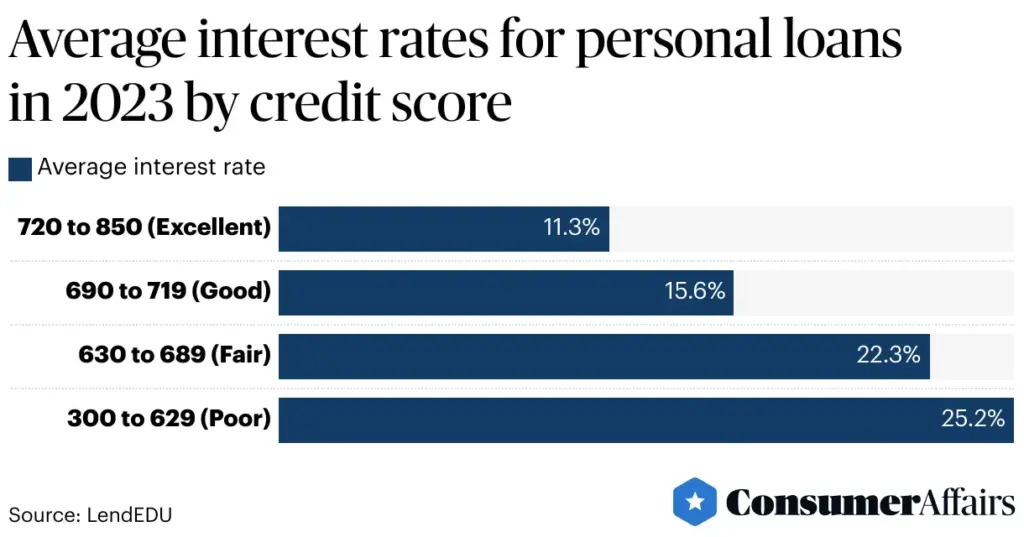
When you apply for a credit card, the issuer looks at your creditworthiness, typically through your credit score, to determine your interest rates. For instance, a high credit score might yield a lower rate, while a lower score could increase the cost of borrowing. Consequently, understanding these rates helps in making informed financial decisions, allowing you to choose a credit card that aligns with your spending habits and financial goals.
Flexible Credit Card Interest Rates Explained
Flexible credit card interest rates allow lenders to adjust your rate based on changing market conditions and your individual payment history. This means if economic indicators, such as the Federal Reserve’s interest rate adjustments, fluctuate, so too will your credit card interest rate. For example, if market interest rates rise, borrowers may see an increase in their flexible rates, leading to higher payments if they carry balances.
Unlike fixed rates that remain constant, flexible rates can lead to unpredictability. While this may initially appear beneficial during low-interest periods where rates could decrease, it poses a risk if rates climb unexpectedly, potentially leading to higher costs over time. Thus, being informed about how flexible rates operate is essential for managing future financial obligations.
The Pros of Flexible Credit Card Interest Rates
One of the key advantages of flexible credit card interest rates is the potential for decreased borrowing costs during favorable economic conditions. If your rate is tied to an index that decreases, you could see your interest rate go down, resulting in lower overall payments provided that you maintain a good credit standing. This flexibility can greatly benefit those who are diligent with their payments.
Additionally, many credit cards with flexible rates also come equipped with attractive rewards programs. If you pay off your balance in full each month, the benefits from cashback or travel rewards can far exceed the costs associated with the variable interest rates. Thus, for financially disciplined consumers, flexible credit card rates can turn out advantageous rather than detrimental.
Potential Drawbacks of Flexible Credit Card Rates
While flexible credit card interest rates offer certain benefits, they also come with drawbacks that can significantly impact cardholders. The primary concern is the unpredictability of rate changes, which can result in unexpectedly high payments that strain your budget. Economic shifts, such as inflation, often lead to rising interest rates, potentially increasing the cost of borrowing at a time when finances might already be tight.
Moreover, many borrowers may experience steep rate increases after promotional periods end. Once an introductory rate expires, users may find themselves subject to variable rates that are much higher than anticipated. This reality underscores the importance of understanding credit card terms and being prepared for potential shifts in rates that could impact financial planning.
Managing Flexible Credit Card Interest Rates Effectively
Managing flexible credit card interest rates can be achieved through disciplined financial practices. The most effective strategy is to make timely payments, as this not only avoids late fees but also helps maintain a favorable credit score. Automating payments or setting reminders can ensure you never miss a due date, keeping your interest rates lower based on your creditworthiness.
Additionally, it’s vital to stay informed about your credit report and score. Regularly reviewing your credit status allows you to take proactive steps to improve your score if it dips, thus maintaining better rates. Understanding your credit card’s terms is equally important; knowing when and how your interest rate can change empowers you to manage your costs more effectively.
Comparing Flexible and Fixed Interest Rates
When considering credit cards, a common dilemma is choosing between flexible and fixed interest rates. Fixed interest rates provide stability; borrowers know exactly what to expect regarding their monthly payments. This can be advantageous if market conditions change unfavorably, as fixed rates guard against sudden spikes in borrowing costs.
On the other hand, flexible interest rates can be beneficial when interest rates decline, as they allow for lower payments without the commitment to a fixed rate. It’s essential to weigh your personal financial habits and risk tolerance when deciding. For those who manage their credit well, flexible rates could offer opportunities for savings, while others may prefer the predictability of fixed rates.
Frequently Asked Questions
What are flexible credit card interest rates?
Flexible credit card interest rates allow credit card issuers to adjust the rates based on economic indicators and your creditworthiness. Unlike fixed rates, which remain constant, flexible rates can increase or decrease over time depending on market conditions and your payment behavior.
How do credit card interest rates work in terms of flexibility?
Credit card interest rates work flexibly by adjusting according to benchmarks like the prime rate. When these rates fluctuate due to economic changes, your credit card interest rates can also change, impacting how much you pay in interest over time.
What are the advantages of having flexible credit card interest rates?
One major advantage of flexible credit card interest rates is the potential for lower rates when market conditions are favorable. Additionally, if you maintain a good credit score and manage your payments responsibly, you may benefit from more advantageous rates.
What is the difference between flexible rates and fixed rates on credit cards?
The primary difference between flexible rates and fixed rates is that flexible rates can change based on market conditions, while fixed rates remain constant over the life of the loan. This can lead to unpredictability in payments with flexible credit card interest rates.
How does managing credit card rates impact your financial health?
Managing credit card rates effectively is crucial for financial health, particularly with flexible credit card interest rates. By making timely payments and monitoring your credit score, you can potentially secure lower rates and minimize costs associated with borrowing.
What should I consider when applying for a credit card with flexible interest rates?
When applying for a credit card with flexible interest rates, consider the terms regarding rate adjustments, your credit history, and any promotional rates offered. It’s important to understand how these factors can influence your overall cost of borrowing and financial obligations.
| Key Aspect | Details |
|---|---|
| Definition | Flexible credit card interest rates allow issuers to adjust rates based on economic factors and payment behavior. |
| Adjustment Factors | These rates can fluctuate due to changes in benchmark rates, the economy, and your creditworthiness. |
| Benefits | 1. Potential for lower interest rates during favorable economic conditions. 2. Greater flexibility allowing for reduced borrowing costs. 3. Access to rewards programs that can offset variable costs. |
| Drawbacks | 1. Unpredictable nature leading to potentially higher costs during inflation. 2. Rate increases after promotional periods can surprise users. 3. Reliance on credit score which can affect rates. |
| Management Strategies | 1. Make timely payments to avoid penalties. 2. Monitor your credit score regularly. 3. Understand your credit card terms well. 4. Explore balance transfer options for high rates. |
Summary
Flexible credit card interest rates can significantly influence your financial situation. These rates are adjustable based on various factors, providing both opportunities and risks. While they might offer potential lower rates connected to economic conditions, the unpredictable nature of these rates can lead to higher costs if not managed appropriately. Knowledge of how flexible credit card interest works, along with strategic financial planning, can help individuals capitalize on the benefits and mitigate the drawbacks associated with these rates.