Listen to this article
Long-term investment strategies UK focus on building wealth sustainably while navigating the complexities of the financial market. UK investors are increasingly turning to methods such as index funds and real estate investment to secure their financial futures and capitalize on tax advantages. With a keen eye on global diversification and dividend stocks, these strategies not only cushion against market volatility but also leverage compounding growth over time. By adopting long term investing principles, investors can create a balanced portfolio that is adaptable to changing market conditions. Ultimately, understanding and implementing effective investment strategies is crucial for anyone aiming to achieve substantial financial success in the UK.
Exploring enduring investment techniques across the UK landscape reveals a variety of options for those seeking to enhance their financial portfolios. From embracing the potential of index-linked funds to delving into property markets, UK investors are armed with various choices to fuel wealth growth. These approaches enable them to enjoy the perks of tax-efficient investing and the security of dividend-generating assets, while simultaneously opening doors to global market opportunities. Investing judiciously in real estate and maintaining an eye toward diversification are pivotal elements in this extended investment journey. By recognizing the importance of these diverse methodologies, investors can strategically align their financial goals with effective long-term results.
The Significance of Long Term Investing for UK Investors
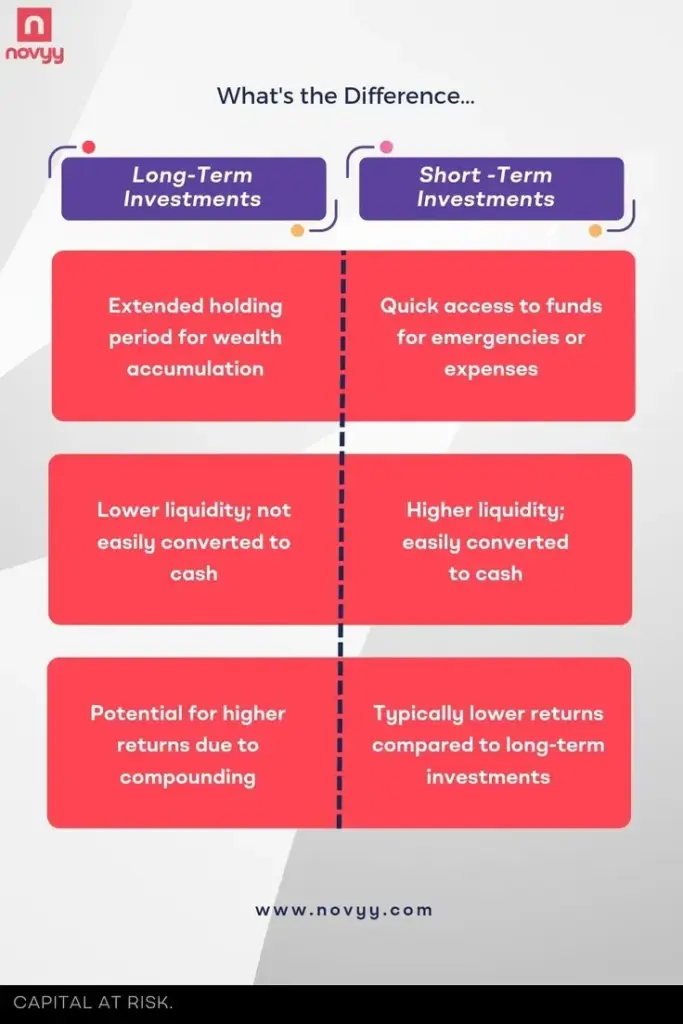
Long-term investing is a crucial strategy for UK investors who aspire to build substantial wealth over time. Unlike short-term trading, which often involves volatility and market speculation, long-term investing focuses on the gradual growth of an investment portfolio through the power of compounding. This method allows investors to ride out market fluctuations, capitalizing on the overall upward trend of equity markets and various asset classes. By adopting a long-term mindset, UK investors can better align their strategies with personal financial goals, minimizing the impact of short-term market noise and panic selling.
In the UK, the importance of long-term investment strategies cannot be overstated, particularly as individuals plan for retirement or other significant financial milestones. Using vehicles such as index funds or real estate investments not only secures potential earnings but also provides avenues for tax advantages, ultimately leading to better financial stability. Furthermore, a long-term strategy encourages a disciplined investment approach, reducing emotional reactions to market trends and promoting a consistent commitment to growing one’s portfolio.
Top Long Term Investment Strategies UK Investors Should Know
UK investors have a wealth of options when choosing long-term investment strategies, each offering unique advantages. One of the key strategies is investing in index funds. These funds allow investors to gain broad exposure to the market, reducing risks associated with individual stock investments. As they typically have lower fees and require minimal oversight, index funds are ideal for those looking for a hands-off investment approach. Furthermore, they have historically outperformed many actively managed funds, making them a wise choice for long-term asset growth.
Another effective strategy is investing in dividend-paying stocks. These stocks not only provide income through regular dividends but also have the potential for capital appreciation. A focus on dividend stocks can bring stability to an investor’s portfolio, especially in uncertain market conditions. Moreover, reinvesting dividends can significantly enhance overall returns, thanks to the compounding effect. This strategy is especially appealing for UK investors looking for passive income streams alongside wealth accumulation.
Investing in Real Estate: A Wise Long Term Strategy
Real estate investment is a time-honored long-term strategy favored by many UK investors. Investing in property can create a steady stream of rental income while benefitting from the inevitable appreciation of real estate prices over time. Whether opting for buy-to-let properties or real estate investment trusts (REITs), investors can capitalize on the growing demand for housing in the UK market. Moreover, real estate often acts as a hedge against inflation, making it a robust component of a diverse investment portfolio.
Additionally, UK investors should consider the tax advantages offered by real estate investments. Income generated from rental properties can be subject to various tax deductions, which can enhance overall profitability. Understanding the nuances of property tax and capital gains is crucial for successfully navigating the real estate market. To get started, potential investors should carry out extensive market research and consider factors such as location, property type, and anticipated economic trends to ensure a fruitful investment.
Harnessing Tax Advantages with Long Term Investing
Utilizing tax-advantaged accounts is a commonly overlooked yet crucial strategy for UK investors aiming for long-term success. Individual Savings Accounts (ISAs) and pensions offer significant tax benefits, ensuring that investments grow without the burden of immediate taxation. For instance, contributions to an ISA allow for tax-free growth, while pension contributions can provide tax relief, effectively stretching the investment dollar further. By maximizing these tax-efficient accounts, UK investors can potentially see enhanced growth in their retirement savings and investment portfolios.
To fully capitalize on the benefits, UK investors should adopt a strategic approach to funding their ISAs and pensions. For example, regularly contributing the maximum allowable amount to ISAs each tax year can significantly compound returns over time. Additionally, taking full advantage of employer contributions to pension plans is a method to strengthen long-term savings. By understanding and leveraging tax advantages, investors can create a more financially secure future, making informed choices as they navigate their investment journey.
The Benefits of Global Diversification for UK Investors
Global diversification is a strategic investment approach that many UK investors should consider when looking to build a resilient portfolio. By spreading investments across various global markets, investors can minimize risks associated with domestic economic downturns while capturing growth opportunities presented by other economies. This notion of diversification extends beyond stocks to include bonds, real estate, and emerging markets, ultimately enhancing a portfolio’s risk-return profile. Investing in international markets can provide a buffer against regional volatility, allowing for more stable long-term returns.
Moreover, global diversification can open doors to different asset classes that may not be available in the UK market, such as foreign real estate or international corporations with high growth potential. While entering foreign markets might present challenges, such as currency fluctuations and geopolitical risks, the potential rewards often outweigh the risks. UK investors can leverage diversified mutual funds or exchange-traded funds (ETFs) to gain exposure to international assets without having to individually navigate foreign markets, thereby simplifying the diversification process.
Building a Long-Term Investment Plan: Key Steps for Success
Creating a long-term investment plan is essential for UK investors looking to secure their financial future. The first step is to clearly define financial goals, whether they are saving for retirement, funding a child’s education, or accumulating wealth for future opportunities. Once goals are established, investors can assess their risk tolerance, which will guide the selection of appropriate investment vehicles, such as long-term stocks, bonds, or real estate. A well-structured investment plan enables UK investors to make informed decisions that align with their financial aspirations.
Additionally, regular portfolio reviews and adjustments are key components of a successful long-term investment strategy. Market conditions, personal circumstances, and financial goals may change over time; hence, it is vital for investors to remain flexible and proactive. Periodic rebalancing of the portfolio ensures that it remains aligned with the investor’s risk profile and expectations for growth. Engaging professional advice, when necessary, can also help UK investors navigate potential challenges and maximize investment opportunities, solidifying a pathway to financial security.
Frequently Asked Questions
What are effective long term investment strategies for UK investors?
Effective long term investment strategies for UK investors include investing in index funds, real estate, dividend stocks, tax-advantaged accounts, and exploring global diversification. These strategies allow investors to build wealth steadily over time while mitigating risks.
How do index funds fit into long term investment strategies in the UK?
Index funds are a crucial part of long term investment strategies for UK investors. They offer diversification and lower costs by tracking specific market indices, such as the FTSE 100, providing a balanced approach to long term investing.
What are the tax advantages of using ISAs for long term investing in the UK?
ISAs (Individual Savings Accounts) provide significant tax advantages for long term investing in the UK, allowing investors to grow their savings tax-free, maximizing returns over time without incurring tax liabilities on capital gains or income.
Why should UK investors consider real estate as a long term investment strategy?
Real estate investment is a favored long term strategy among UK investors due to its potential for capital appreciation and rental income. It typically behaves less volatile than stock markets and serves as a hedge against inflation.
How can dividend stocks enhance long term investment strategies for UK investors?
Dividend stocks play a vital role in long term investment strategies for UK investors by providing steady income streams and opportunities for reinvestment, which can significantly grow a portfolio over time through the power of compounding.
What benefits does global diversification offer to long term investment strategies for UK investors?
Global diversification enhances long term investment strategies for UK investors by reducing dependence on the domestic market’s performance. It allows for exposure to various economic conditions and potential growth in international markets.
| Investment Strategy | Key Benefits | Getting Started |
|---|---|---|
| Invest in Index Funds | Low costs, diversification, and reduced risk. | Start with reputable fund managers offering low expense ratios. |
| Consider Real Estate Investments | Less volatility, rental income, and hedge against inflation. | Focus on location and market trends for property investment. |
| Utilize Tax-Advantaged Accounts | Tax-free growth and tax relief on contributions. | Max out your ISA allowance each tax year and leverage employer pension contributions. |
| Invest in Dividend Stocks | Reliable income stream and potential for exponential growth through compounding. | Research companies with stable dividend histories; consider setting up a dividend reinvestment plan (DRIP). |
| Explore Global Diversification | Mitigates domestic risks and enhances portfolio balance. | Invest in international mutual funds or ETFs for foreign market exposure; monitor currency fluctuations. |
Summary
Long term investment strategies in the UK are essential for investors seeking to build their wealth over time. By employing methods such as investing in index funds, considering real estate, utilizing tax-advantaged accounts, investing in dividend stocks, and exploring global diversification, UK investors can secure greater financial stability and potential returns on their investments. These strategies not only minimize risks associated with market volatility but also offer various avenues for income and capital appreciation. Understanding and implementing these investment strategies can lead to a more robust and diversified portfolio, aligning with individual financial goals and fostering a prosperous investment journey.