Listen to this article
The Strait of Hormuz has once again become one of the most closely watched locations in the world as tensions involving Iran continue to rise. This narrow waterway, located between Iran and Oman, plays a critical role in global energy supply. Any disruption in the region could send shockwaves through international markets, affecting oil prices, economic stability, and geopolitical relations.
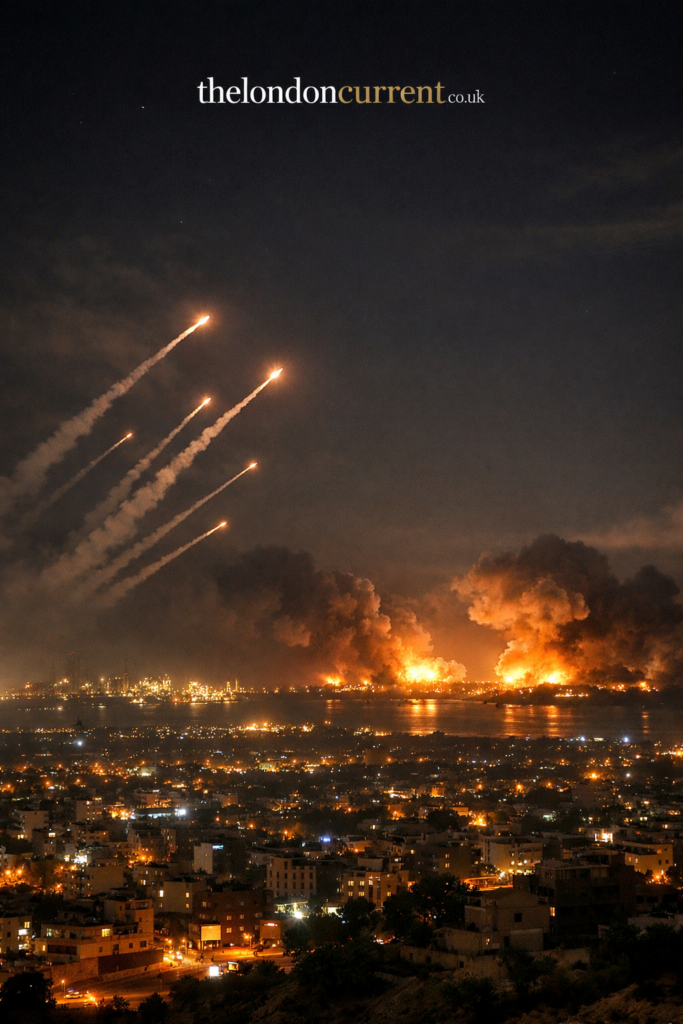
In 2026, renewed tensions connected to the Iran conflict have brought the strategic importance of the Strait of Hormuz back into the global spotlight. Military activity in the region, combined with political warnings and rising security concerns, has increased fears that shipping routes could be disrupted.
For global energy markets, the implications could be enormous.
Why the Strait of Hormuz Is So Important
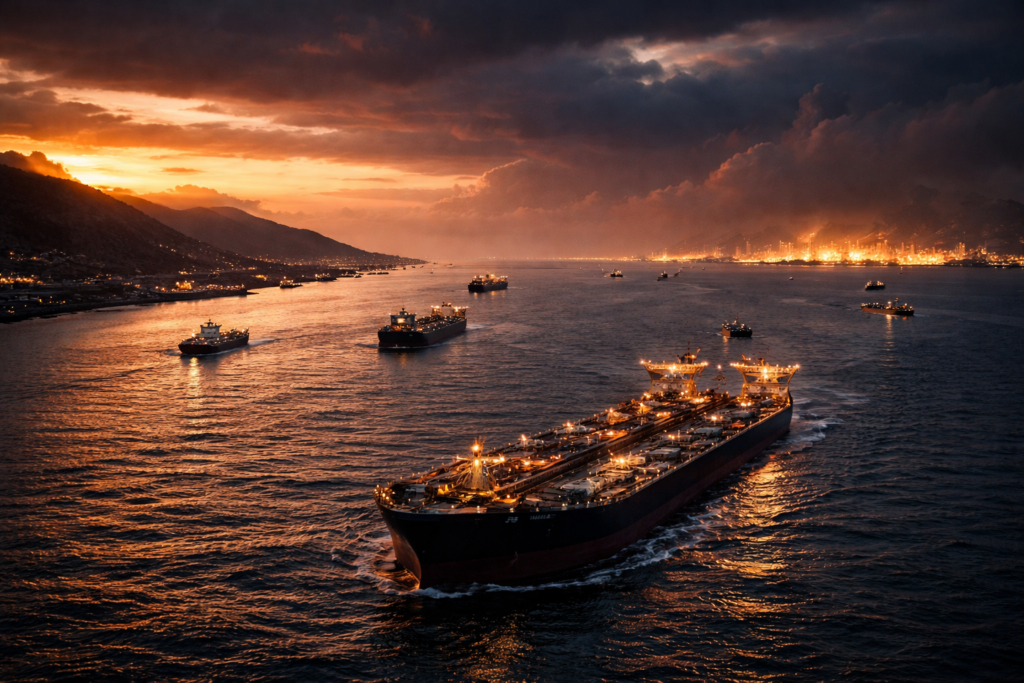
The Strait of Hormuz is one of the most important maritime chokepoints in the world. It is the main shipping route for oil exported from several major producers in the Middle East, including Saudi Arabia, Iraq, Kuwait, and the United Arab Emirates.
Every day, millions of barrels of oil pass through the narrow waterway on their way to global markets. This makes the strait a vital artery for international energy supply. If shipping were blocked or even temporarily disrupted, the impact on global oil prices could be immediate and dramatic.
Energy analysts estimate that roughly one-fifth of the world’s oil supply moves through the Strait of Hormuz. Because of this, even the threat of instability in the region often causes markets to react quickly.
Oil traders, governments, and multinational corporations are therefore watching developments closely.
Rising Tensions With Iran
Recent geopolitical tensions involving Iran have raised concerns about potential disruptions in the region. Military activity and political statements from various governments have increased speculation about what could happen if the situation escalates further.
Iran has historically emphasized its strategic position along the strait, and officials have occasionally warned that the waterway could become a point of leverage during times of conflict.
While no major shutdown has occurred, even the possibility of interference with shipping lanes can influence global markets.
Naval forces from several countries maintain a presence in the region to ensure safe passage for commercial vessels. However, the situation remains delicate, and any miscalculation could escalate tensions further.
Impact on Global Oil Prices
Energy markets tend to react quickly to geopolitical risks. Whenever tensions rise in the Strait of Hormuz region, oil prices often increase due to fears of supply disruptions.
If the strait were ever blocked or severely restricted, the consequences could be significant. Oil prices could surge dramatically in a short period of time, affecting transportation, manufacturing, and energy costs worldwide.
Higher oil prices can also contribute to inflation, making everyday goods more expensive for consumers.
For many countries that rely heavily on imported oil, stability in the Strait of Hormuz is essential for maintaining economic balance.
Global Economic Consequences
The potential economic impact of a Strait of Hormuz crisis extends far beyond the energy sector. Financial markets, international trade, and global supply chains could all feel the effects of prolonged instability.
Shipping companies may face higher insurance costs or reroute vessels to avoid dangerous areas. Airlines and logistics companies might see fuel costs rise sharply.
Stock markets often react negatively to geopolitical uncertainty, particularly when it threatens critical resources like oil.
For governments around the world, the situation underscores the importance of securing reliable energy supplies and diversifying sources.
Strategic Military Presence
Because of the strait’s importance, multiple countries maintain naval forces in nearby waters. These operations are designed to ensure the safe movement of commercial shipping and to deter potential disruptions.
Military patrols, surveillance systems, and international cooperation play a major role in maintaining security in the region.
Despite these measures, the possibility of escalation remains a concern among security experts.
The Strait of Hormuz has long been considered one of the most sensitive flashpoints in global geopolitics.
Diplomatic Efforts
Diplomatic negotiations remain a key tool for preventing a crisis from escalating further. International organizations and regional governments continue to emphasize the importance of stability in the region.
Diplomats frequently stress that keeping the Strait of Hormuz open for international trade is a shared global interest.
Efforts to reduce tensions and encourage dialogue are ongoing, though progress can sometimes be slow due to the complexity of regional politics.
The Global Energy Future
The ongoing situation also highlights broader questions about the future of global energy systems. Many countries are investing in alternative energy sources and expanding domestic energy production in order to reduce reliance on critical chokepoints like the Strait of Hormuz.
Renewable energy, strategic petroleum reserves, and new pipeline routes are all part of long-term strategies aimed at improving energy security.
Nevertheless, oil continues to play a major role in the global economy, meaning the Strait of Hormuz will likely remain a critical strategic location for years to come.
What Happens Next?
The coming months will be crucial in determining how the situation develops. If diplomatic efforts succeed and tensions ease, global markets may stabilize.
However, if the conflict escalates further, the Strait of Hormuz could remain a focal point of international concern.
For now, governments, investors, and energy analysts are watching the region carefully.
The stability of this narrow waterway could influence not only the Middle East but the entire global economy.