Listen to this article
The recent UK State Pension changes have sparked conversations among future retirees and financial planners alike. With a growing emphasis on sustainability, these modifications include crucial updates to the UK pension age and state pension eligibility requirements. Understanding these developments is essential, especially for those nearing retirement, as they impact financial planning and future income. Among the most significant adjustments are the new state pension rules and Pension Credit adjustments aimed at low-income pensioners. This guide will walk you through these changes and offer useful insights into navigating the evolving landscape of UK retirement planning advice.
In light of the evolving retirement framework, it is important to grasp the recent adjustments regarding the government pension scheme in the UK. These changes, encompassing the rise in the retirement age and alterations to eligibility criteria, require careful attention from individuals nearing their retirement years. Furthermore, understanding the implications of the newly introduced pension regulations and adjustments in financial support for pensioners can aid in informed decision-making. Evaluation of your National Insurance status and remaining abreast of any legislative amendments are critical steps towards optimizing your retirement readiness. As such, this overview of the UK retirement system will provide you with valuable strategies for effective retirement planning.
Recent UK Pension Age Updates
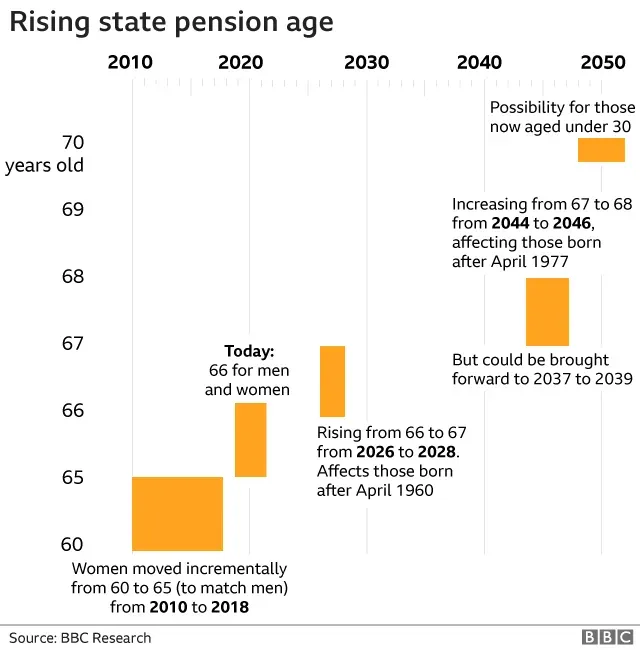
The gradual adjustments in the UK pension age reflect the government’s response to changing demographics and life expectancy. By moving the state pension age to 66 for both genders, substantial savings on public spending can be realized, which is crucial in sustaining the pension system. Projections suggest a further rise to 68 by the late 2030s, emphasizing the importance for individuals to proactively manage their retirement expectations and finances. It is essential for individuals nearing retirement to understand these updates, not only to align their personal savings but also to prepare for potential shifts in their retirement plans.
As people live longer and healthier lives, the state pension age is becoming increasingly aligned with current realities. It encourages citizens to either extend their working life or strategize appropriately to ensure a comfortable retirement. Knowing when you can claim your pension is essential for effective retirement planning. This means reviewing your current employment situation, potential late-life career changes, and how these factors interact with personal savings, especially in light of possible changes to the pension system.
Understanding New State Pension Rules
The introduction of the new state pension system in April 2016 was a transformative shift designed to simplify and clarify pension entitlements for individuals. Unlike the previous system, which offered a flat rate, the new state pension takes into account individual National Insurance contributions. With the need for at least 10 years of contributions to qualify for any payment, and 35 years for the full amount, individuals must actively monitor their contribution status to avoid unpleasant surprises at retirement.
These new rules necessitate a keen awareness of one’s financial contributions throughout their working life. Many may not realize how critical their National Insurance contributions are to their overall pension entitlement. Therefore, individuals should take the initiative to check their records regularly. Understanding these new rules helps to establish realistic expectations for retirement income, prompting individuals to consider additional savings strategies if necessary.
Pension Credit Adjustments Explained
Pension Credit serves as a safety net for many low-income pensioners in the UK, and recent adjustments aim to make this support more accessible and streamlined. These changes are particularly significant for older individuals who may struggle to meet their financial needs with the state pension alone. Recent policy revisions have focused on simplifying the application process for groups that have historically faced barriers.
However, it’s important to familiarize oneself with the eligibility criteria, especially the ongoing discussions about how assets and income are assessed. These discussions may potentially alter the landscape of Pension Credit accessibility, impacting many who rely on this benefit to supplement their income in retirement. Keeping informed on these developments can empower low-income pensioners to take advantage of available support.
What to Know About State Pension Eligibility Changes
Understanding state pension eligibility is crucial as the landscape shifts with new government policies. Key factors such as National Insurance contributions and specific residency requirements can significantly affect an individual’s ability to claim state pension benefits. As the pension system evolves, staying informed on changes can ensure individuals do not miss out on what they are entitled to receive after a lifetime of work.
Potential changes in state pension eligibility rules may also complicate planning for those nearing retirement. Information about contributions, along with any upcoming policy changes, is vital for proactive financial planning. Engaging with official resources or financial advisors can help in clarifying one’s entitlements and preparing adequately.
Essential Steps for UK Retirement Planning
Effective retirement planning is a multifaceted process that requires careful consideration of various factors, especially in light of the UK state pension reforms. One crucial step is to assess your current financial standing, including checking National Insurance records and identifying any gaps in contributions. This is essential in determining how much state pension you will be eligible for and helps identify any need for supplementary savings.
Moreover, individuals are encouraged to continue accumulating additional retirement savings through private pension pots and other investment mechanisms. Starting this savings journey early can significantly contribute to a more comfortable and stable financial future during retirement. Engaging with financial advisors or utilizing online retirement planning tools can support individuals through this process.
Engaging Financial Advisors for Strategic Planning
In light of the evolving UK pension system, consulting with financial advisors can provide significant advantages for those approaching retirement age. Financial professionals have expertise in navigating the complexities of pensions, including understanding the implications of new state pension rules and possible pension credit entitlements. They can help individuals create tailored strategies that encompass both expected state benefits and personal savings.
Furthermore, a financial advisor can offer insights into the interplay between state pensions, additional retirement savings, and taxation, ensuring individuals make informed decisions that facilitate a secure retirement. Leveraging professional advice can alleviate the confusion associated with retirement planning, providing a clearer pathway toward financial security in later life.
Frequently Asked Questions
What are the recent UK pension age updates that affect eligibility?
Recent UK pension age updates have raised the eligibility age for claiming the state pension to 66 for both men and women. This age is set to increase further, potentially reaching 68 by the late 2030s, impacting how and when individuals plan for their retirement.
What are the new state pension rules introduced in 2016?
The new state pension rules, effective from April 2016, replaced the previous basic state pension. Under the new system, pensions are calculated based on National Insurance contributions, requiring at least 10 years for any payment and 35 years for the full amount, ensuring fairness and sustainability.
How have the recent changes impacted state pension eligibility?
State pension eligibility has been affected by several changes, including the raising of the pension age and the requirement for increased National Insurance contribution years under the new state pension rules. Individuals must stay informed about their National Insurance records to understand their eligibility.
What adjustments have been made to Pension Credit for low-income pensioners?
Recent adjustments to Pension Credit have simplified the application process for eligible low-income pensioners, while ongoing discussions regarding asset and income assessment could further impact eligibility. It’s important for pensioners to understand these changes to access available support.
How do UK retirement planning changes affect future pension savings?
UK retirement planning changes, including increased state pension age and modifications to contribution rates, significantly affect future pension savings. Individuals are advised to consider additional retirement savings options, as the state pension alone may not suffice for comfortable living in retirement.
Why is it important to stay informed about UK state pension changes?
Staying informed about UK state pension changes is crucial for effective retirement planning. Continuous updates could impact pension eligibility, contribution rates, and benefits such as Pension Credit, ensuring individuals can take proactive steps towards a secure financial future.
| Aspect | Details |
|---|---|
| What is the State Pension? | A government payment to individuals post-retirement funded by National Insurance contributions. |
| Increase in State Pension Age | The age is now 66 for both genders, expected to rise to 68 by the late 2030s. |
| New State Pension | Introduced in April 2016, benefits are based on National Insurance contributions; 10 years required for any payment, 35 for full amount. |
| Changes in Contribution Rates | Contribution rates are reviewed every few years and can affect take-home pay and future pension amounts. |
| Pension Credit Revisions | Changes to eligibility and application process; essential for low-income pensioners to stay updated on adjustments. |
Summary
UK State Pension Changes have introduced important updates to ensure the sustainability of pension funds for future generations. Key aspects include the gradual increase in the state pension age, adjustments in contribution rates, the introduction of a new state pension structure, and revisions to Pension Credit for low-income individuals. Being aware of these changes is vital for citizens approaching retirement, as it affects their financial planning and eligibility. By understanding these adjustments and taking proactive steps—such as checking National Insurance records and considering additional savings—the public can prepare for a secure retirement.