Listen to this article
When it comes to ensuring financial security, understanding the importance of Life Insurance for Every Stage of Life is crucial. In the UK, life insurance serves as a vital safety net that helps protect your loved ones from financial strain during unexpected events. Throughout different life stages—from the carefree 20s to more settled 30s, and into retirement in your 50s—your life insurance needs will evolve, making it essential to revisit your coverage regularly. With various life insurance types available, such as term and whole life insurance, you can find a policy that best fits your circumstances and financial planning UK goals. In this guide, we’ll delve into how life stages insurance can benefit you at every age, ensuring you have the right protection in place.
Life insurance, often viewed as a personal safety net, is essential for individuals during various life phases. Known by terms like financial protection plans and life coverage, this insurance product adapts to your changing needs as you progress through different life chapters. In the realm of financial planning, particularly in the UK, understanding the contrasting options—like term vs whole life insurance—can lead to informed decisions for you and your family. Whether you are young, starting a career, or approaching retirement, considering your coverage options is key to safeguarding your financial legacy. This article will explore how life insurance is indispensable, helping you navigate through significant life stages.
Understanding the Importance of Life Insurance at Every Age
Life insurance is a critical financial product that offers a safety net across different life stages. Starting from young adulthood, individuals often overlook the importance of having coverage, thinking they are invincible. However, securing a life insurance policy early can benefit them immensely. In the UK, where rising living costs and economic uncertainties loom, having life insurance ensures that one’s loved ones are financially taken care of in case of unexpected events.
As people transition into their 30s and beyond, responsibilities typically mount with careers, mortgages, and family obligations. Each life stage presents unique challenges, making it essential for individuals to reassess their life insurance needs regularly. Understanding how life insurance adapts to varying life stages enhances financial planning, ensuring adequate coverage that reflects one’s current lifestyle.
Life Insurance for Every Stage of Life: Tailoring Your Coverage
In the UK, life insurance is not a one-size-fits-all approach. As people move through different phases of life—from the carefree 20s to the financially demanding 40s and beyond—customizing coverage becomes imperative. For instance, while young adults may only require basic coverage for debts, those in their 40s might need comprehensive policies that include children’s educational expenses and outstanding mortgages. This tailored approach helps individuals align their financial planning with their life insurance needs.
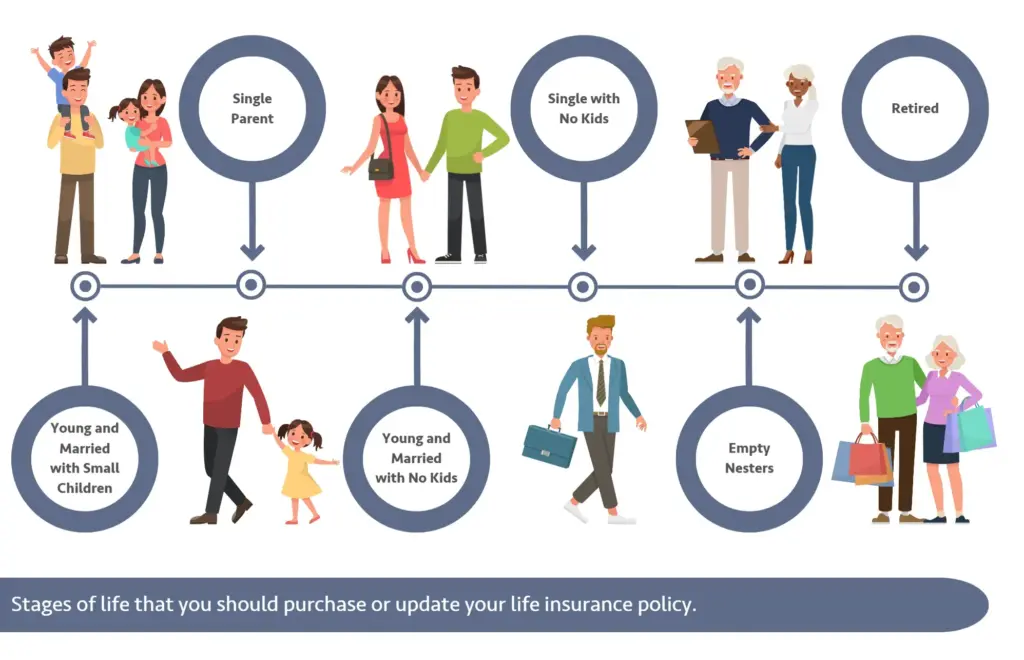
Additionally, reassessing life insurance aligns with significant life events like marriage, buying a home, or having children. Each milestone brings additional financial responsibilities, necessitating a review of existing policies. Individuals should actively engage with financial advisors to ensure their life insurance products remain relevant and adequately serve their family’s future financial security.
Financial Planning in the UK: The Role of Life Insurance
Financial planning in the UK encompasses a broad range of considerations, with life insurance playing a pivotal role in securing one’s legacy and providing for beneficiaries. As individuals map out their financial goals, understanding how life insurance integrates can lead to a more solid and secure financial future. This includes recognizing how different types of life insurance, like term vs whole life insurance, fit into broader financial strategies.
Term life insurance is generally suitable for those seeking affordable premiums during key financial years, while whole life insurance appeals to those looking for a long-term investment with cash value benefits. By leveraging these products, individuals can enhance their financial portfolios, ensuring they are not just investing for today, but also safeguarding their family’s future.
Evaluating Life Insurance Types: Term vs Whole Life Insurance
When selecting a life insurance policy, understanding the differences between term and whole life insurance is essential. Term life insurance provides coverage for a specified period, making it a popular choice among young professionals in the UK who are looking for cost-effective options. This type allows individuals to secure high coverage amounts without the hefty premium costs associated with permanent policies.
On the other hand, whole life insurance offers lifetime coverage and accrues cash value over time, making it a suitable choice for those looking to incorporate life insurance into their long-term financial planning. Individuals should weigh the advantages and disadvantages of each type, considering their financial responsibilities and goals at different stages of life to make informed decisions.
The Financial Benefits of Life Insurance Across Life Stages
Life insurance often acts as a financial ally during critical life transitions. For younger individuals, it serves as a safeguard against the unforeseen burden of debt, while those in their 30s may view it as a critical component in family security planning. In the UK, an increasing number of young adults are grasping the concept that life insurance is not just for the elderly; it has strategic benefits that can significantly impact their financial planning.
Moreover, as individuals age into their 40s and 50s, the advantages of life insurance extend into areas like retirement and estate planning. A comprehensive life insurance policy ensures financial stability for dependents and can help manage long-term care costs associated with aging. Thus, understanding these benefits is vital for anyone looking to secure their financial future effectively.
Legacy Planning: How Life Insurance Plays a Role in Your Will
Legacy planning is a consideration that becomes increasingly important as individuals approach retirement age or find themselves with accumulated assets. Life insurance can serve as a valuable tool in this process, providing liquidity to cover taxes and debts, ensuring a smoother transition of wealth to heirs. In the context of UK life insurance, considering how policies will fit into an estate plan can be a vital part of comprehensive financial strategy.
Choosing the right policy can enhance your legacy planning efforts and assist in preserving family wealth across generations. By discussing options with an estate planning attorney or financial advisor, individuals can maximize the benefits of their life insurance policies, ensuring they align with their overall financial goals and legacy aspirations.
Frequently Asked Questions
What are the key benefits of UK life insurance for every stage of life?
UK life insurance offers various benefits tailored to different life stages, such as affordable premiums in your 20s, financial protection for dependents in your 30s, funding for children’s education in your 40s, and legacy planning in your 50s and beyond. Each stage presents unique financial responsibilities, making life insurance a crucial part of financial planning.
How does life insurance vary as we move through life stages in the UK?
Life insurance requirements change significantly across life stages. In your 20s, it focuses on protecting against debt; in your 30s, it secures family and property; in your 40s, it emphasizes education funding; and in your 50s, it aids retirement and legacy planning. Understanding these variations helps in choosing the right life insurance types.
Is term vs whole life insurance better suited for specific life stages?
Yes, the choice between term vs whole life insurance often depends on the life stage. Term life insurance is ideal for young adults or families seeking affordable coverage for a set period, while whole life insurance might be more appropriate for older adults focusing on long-term financial security and legacy planning.
Why is it important to review life insurance policies at different life stages?
Regular reviews of your life insurance policies ensure that your coverage matches your current financial obligations and life changes. As you transition through stages like starting a family or approaching retirement, your needs evolve, making it essential to update your policy accordingly.
How can financial planning in the UK integrate life insurance for all ages?
Financial planning in the UK should incorporate life insurance as a foundational element across all ages. By evaluating your life insurance needs at various life stages—such as marriage, home buying, or retirement—individuals can create a comprehensive financial strategy that protects dependents and manages debts effectively.
What should young adults in the UK consider when choosing life insurance?
Young adults in the UK should consider the affordability of life insurance, the potential need for coverage as debts grow, and the long-term benefits of locking in lower premiums and insurability through early purchase. It’s also crucial to evaluate different life insurance types available to find the most suitable option.
| Life Stage | Key Points |
|---|---|
| In Your 20s | Lower premiums, future planning, debt coverage. |
| In Your 30s | Home financing, family protection, reassess coverage. |
| In Your 40s | Children’s education, estate planning, review policy. |
| In Your 50s and Beyond | Retirement security, long-term care, legacy planning. |
| Types of Policies | Term vs Whole Life Insurance – affordability vs cash value. |
Summary
Life Insurance for Every Stage of Life is a vital consideration for individuals looking to ensure financial security and peace of mind. From starting young in your 20s to preparing for retirement in your 50s and beyond, life insurance adapts to your varied needs and financial situations. By understanding the importance of life insurance across different life stages, individuals can make informed decisions that protect their loved ones and secure their financial legacy. Whether it’s addressing debts in your 20s, planning for family obligations in your 30s and 40s, or ensuring retirement stability, life insurance remains an essential component of a comprehensive financial strategy.