Listen to this article
UK mortgage rates play a crucial role in shaping the affordability and accessibility of homeownership for aspiring buyers. As first-time buyers embark on their journey to purchase a home, understanding these rates is essential for making informed financial decisions. From fixed-rate mortgages to variable options, the landscape can be daunting yet rewarding with the right knowledge. Exploring the best mortgage rates in the UK can pave the way for favorable terms, setting you on the path to owning your first home. By staying informed about the ever-evolving UK housing market and conducting a thorough mortgage comparison, you can find the most suitable mortgage solution tailored to your needs.
When it comes to securing a mortgage in the UK, grasping the nuances of home financing options and associated interest rates is vital for first-time buyers. The term ‘mortgage rates’ encapsulates the costs of borrowing necessary for property acquisition, but delving deeper opens a realm of choices, including fixed and variable rates. Understanding these various lending options and the current economic climate allows potential homeowners to make strategic choices. With the emphasis on affordable home loans and a robust mortgage comparison, buyers can identify favorable terms that fit their financial situation, making the journey toward homeownership an achievable goal.
Understanding UK Mortgage Rates for First-Time Buyers
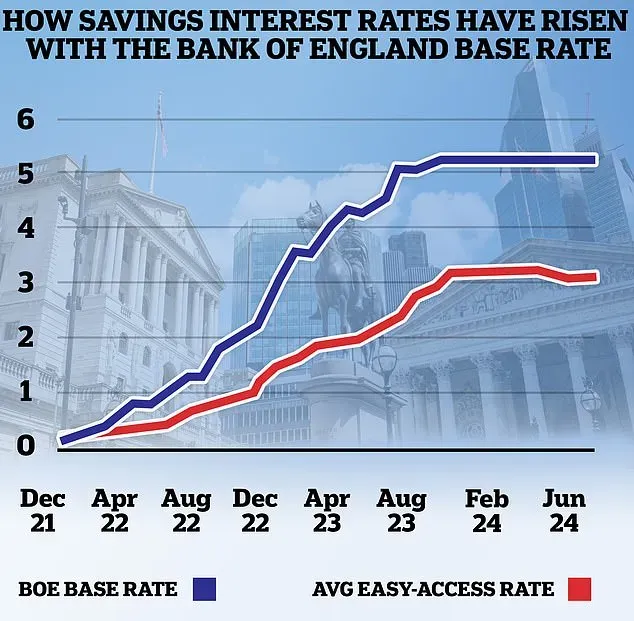
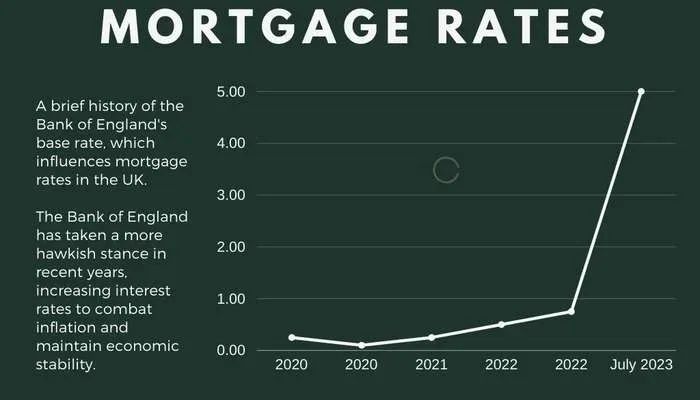
UK mortgage rates are crucial for first-time buyers when considering their entry into the housing market. These rates dictate how much you’ll repay over the lifetime of your loan, making it essential to grasp their implications. The factors influencing mortgage rates, such as the Bank of England base rate and economic indicators, are vital. First-time buyers need to stay updated on these aspects to better understand their borrowing capacity and the overall cost of purchasing a property.
Moreover, understanding the current trends in UK mortgage rates can aid first-time buyers in making timely decisions. With fluctuations in rates often linked to broader economic conditions, potential homebuyers should monitor these changes closely. Tracking rate movements can provide a significant advantage, allowing buyers to time their mortgage applications strategically.
Types of Mortgages and Their Implications
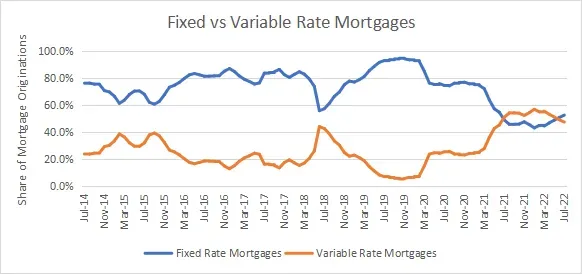
Understanding the various types of mortgages is crucial for first-time buyers looking to find the best mortgage rates in the UK. Fixed-rate mortgages are particularly attractive as they lock in interest rates for a specific period, providing financial stability amidst market fluctuations. By choosing a fixed-rate mortgage, first-time buyers can budget effectively without the worry of rising interest rates during their initial years of homeownership.
On the other hand, variable rate mortgages come with their own set of advantages and risks. While they can start at lower rates compared to fixed mortgages, they are susceptible to market changes. This unpredictability can lead to higher monthly payments if rates rise significantly. Therefore, first-time buyers must weigh the benefits of lower initial costs against the potential for increasing expenses over time.
Comparing Mortgage Rates Effectively
When it comes to comparing mortgage rates, the annual percentage rate (APR) serves as a vital tool for first-time buyers. It not only reflects the interest rate but also incorporates additional fees and costs associated with the mortgage. By examining the APR, buyers can more accurately assess the total cost of borrowing and make well-informed decisions about which lenders offer the most competitive rates.
In addition to the APR, it’s also important to take into account any fees and charges that may be associated with mortgage products. Arrangement fees, valuation costs, and early repayment penalties can significantly impact the overall affordability of a mortgage. First-time buyers should ensure they include these costs in their comparison to find the best mortgage deal that suits their financial situation.
Current Trends in the UK Housing Market
As of late 2023, notable trends have emerged in the UK housing market that first-time buyers should consider. The competitive landscape among lenders has resulted in more favourable mortgage rates, making it a strategic time for potential homeowners to enter the market. With rates stabilising, first-time buyers may find a range of viable options, reducing the strain on their budgets.
Furthermore, understanding how changes in the Bank of England’s base rate impact mortgage rates is essential for navigating the housing market effectively. Announcements concerning interest rate changes can signal the right moment for buyers to secure a mortgage, potentially at lower costs. Keeping a close eye on these trends will empower first-time buyers to make the best financial choices.
Preparing for Mortgage Approval
For first-time buyers, the journey to mortgage approval is paramount and can often be daunting. Start by focusing on improving your credit score, as it plays a pivotal role in how lenders view your borrowing capabilities. Regularly checking your credit report, addressing any outstanding debts, and avoiding new credit applications prior to applying for a mortgage can enhance your eligibility.
Saving for a deposit is another critical step in the mortgage approval process. Lenders typically expect a deposit ranging from 5% to 20% of the property value. A larger deposit not only increases your chances of being approved but can also yield access to better mortgage rates, reducing monthly repayments and overall costs.
Common Mistakes First-Time Buyers Should Avoid
Navigating the mortgage process can be fraught with pitfalls for first-time buyers. One of the most significant mistakes is overborrowing, which can lead to financial strain if circumstances change, such as a rise in interest rates or unexpected expenses. It’s crucial for buyers to assess their financial situation thoroughly and choose a mortgage they can comfortably afford.
Another common oversight is overlooking the total costs associated with homeownership beyond the mortgage itself. First-time buyers should account for additional expenses, such as property taxes, insurance, and maintenance costs. A comprehensive understanding of these financial commitments will help buyers plan effectively for their new home.
Frequently Asked Questions
What are the current UK mortgage rates for first-time buyers?
As of late 2023, UK mortgage rates for first-time buyers have stabilized due to increased competition among lenders. It’s advisable to check rate comparison websites for the most current rates, as they can vary based on individual circumstances such as credit score and deposit size.
How do UK mortgage rates influence the housing market?
UK mortgage rates significantly influence the housing market by impacting affordability for buyers. Lower mortgage rates can encourage more buyers to enter the market, leading to increased demand for properties, while higher rates may dampen buyer interest and slow down market activity.
What factors should first-time buyers consider when looking for the best mortgage rates in the UK?
First-time buyers seeking the best mortgage rates in the UK should consider factors such as the type of mortgage (fixed or variable), the Annual Percentage Rate (APR), arrangement fees, and the length of the fixed-rate period. Comparing these aspects can help find a mortgage that fits their financial situation.
How can I improve my chances of getting approved for UK mortgage rates as a first-time buyer?
To improve your chances of mortgage approval as a first-time buyer in the UK, focus on enhancing your credit score, saving for a substantial deposit (ideally 5-20%), obtaining a mortgage in principle to clarify your budget, and researching various lenders for competitive rates.
What should I know about fixed-rate mortgages in relation to UK mortgage rates?
Fixed-rate mortgages are popular among first-time buyers due to their stable interest rates for a set period, typically ranging from 2 to 10 years. Understanding how fixed rates compare to variable rates can assist buyers in making informed decisions based on their financial stability and market conditions.
What common mistakes should first-time buyers avoid when navigating UK mortgage rates?
First-time buyers should avoid overborrowing without considering future financial strains, ignoring total costs beyond monthly repayments, and skipping guidance from mortgage professionals. These pitfalls can lead to financial strain and affect long-term stability in homeownership.
| Key Topics | Details |
|---|---|
| Understanding Mortgage Rates | Various factors influence mortgage rates, including the Bank of England base rate, economic conditions, and competition among lenders. |
| Types of Mortgages | Includes Fixed-Rate, Variable Rate, Discounted, Capped, and Interest-Only Mortgages, each with unique features. |
| Comparing Mortgage Rates | Key elements to compare include the APR, fees, charges, and length of the fixed rate. |
| Current Trends | Mortgage rates have stabilized due to increased competition, influenced by Bank of England’s base rate changes. |
| Getting Approved | Steps include improving your credit score, saving for a deposit, and ensuring you choose the right lender. |
| Common Pitfalls | Avoid overborrowing, ignoring total costs, and not seeking professional advice. |
Summary
UK mortgage rates can be daunting for first-time buyers, but understanding their nature and the factors influencing them is essential for making informed decisions. This guide outlines the types of mortgages available, highlights how to compare rates, and discusses current trends impacting these rates. By following the outlined steps for mortgage approval and being aware of common pitfalls, potential homeowners can navigate the mortgage landscape more effectively, ensuring a smoother journey towards owning their first home.