Listen to this article
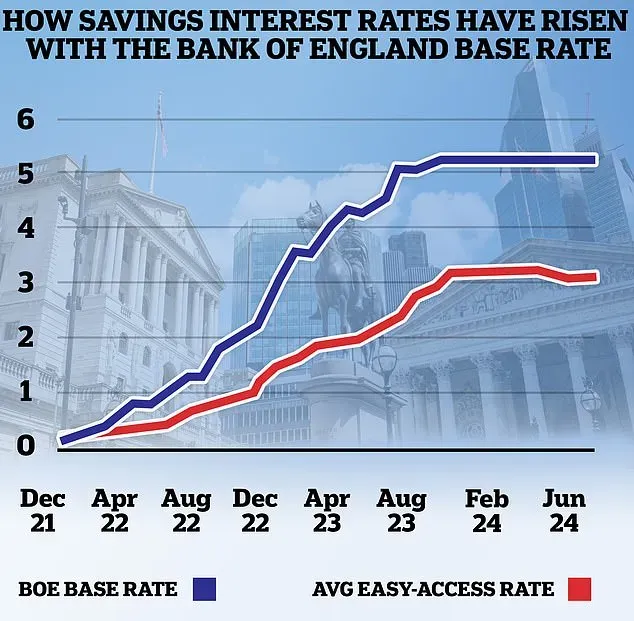
The Bank of England interest rate plays a pivotal role in shaping the UK’s financial landscape, particularly for those seeking a mortgage. This key rate, which currently stands at 5.25%, directly affects borrowing costs and, by extension, the affordability of homes for potential buyers. Understanding the nuances of the current interest rate and its implications can empower consumers to make informed decisions regarding their mortgage options. As fluctuations in UK interest rates continue to affect the housing market, individuals are encouraged to seek mortgage advice tailored to their specific circumstances. Ultimately, staying abreast of the impact of interest rates on mortgages can significantly aid borrowers in securing the best mortgage rates available.
When it comes to obtaining a home loan, the base rate set by the central bank significantly influences how much prospective homeowners will pay over time. The current borrowing rate, dictated by the Bank of England, affects not only loan affordability but also various mortgage types available in the market. As individuals assess their home financing strategies, understanding how these central bank decisions filter down to lenders offers crucial context for making educated financial choices. With constant fluctuations in interest rates, potential buyers must become savvy in navigating these economic conditions to uncover favorable borrowing opportunities. By grasping the broader implications of monetary policy, mortgage seekers can tailor their plans amidst the ever-changing landscape.
Understanding the Bank of England’s Interest Rate Decisions
The Bank of England’s interest rate not only influences the financial market but also has profound implications for anyone considering obtaining a mortgage. When the BoE adjusts its interest rates, it creates ripples across the economy, particularly affecting borrowing costs for consumers. For mortgage seekers, understanding these changes is integral to making informed financial decisions and choosing the right time to secure favorable mortgage rates.
Additionally, the current interest rate set by the Bank of England plays a pivotal role in determining the mortgage landscape in the UK. Lenders typically respond to changes in the BoE’s base rate by adjusting their products, leading either to competitive mortgage rates during periods of low interest or the burden of higher rates during hikes. Consequently, staying vigilant regarding the Bank’s rate decisions is critical for potential homeowners.
Analyzing Recent Trends in UK Interest Rates
In recent months, the Bank of England has taken a cautious approach towards interest rate adjustments, reflecting economic uncertainties. As of now, the interest rate stands at 5.25% following several increases aimed at combating persistent inflation. Such changes in the UK interest rates impact not just the economic environment but also directly affect the affordability of mortgages, pushing some potential buyers to reconsider their timelines for entering the housing market.
Moreover, prospective homeowners should understand that fluctuations in UK interest rates lead to varying mortgage rates offered by lenders. This variability highlights the importance of monitoring the Bank of England’s announcements, as even a slight change can dramatically alter the financial landscape for both first-time and seasoned buyers.
How Changes in Interest Rates Affect Mortgages
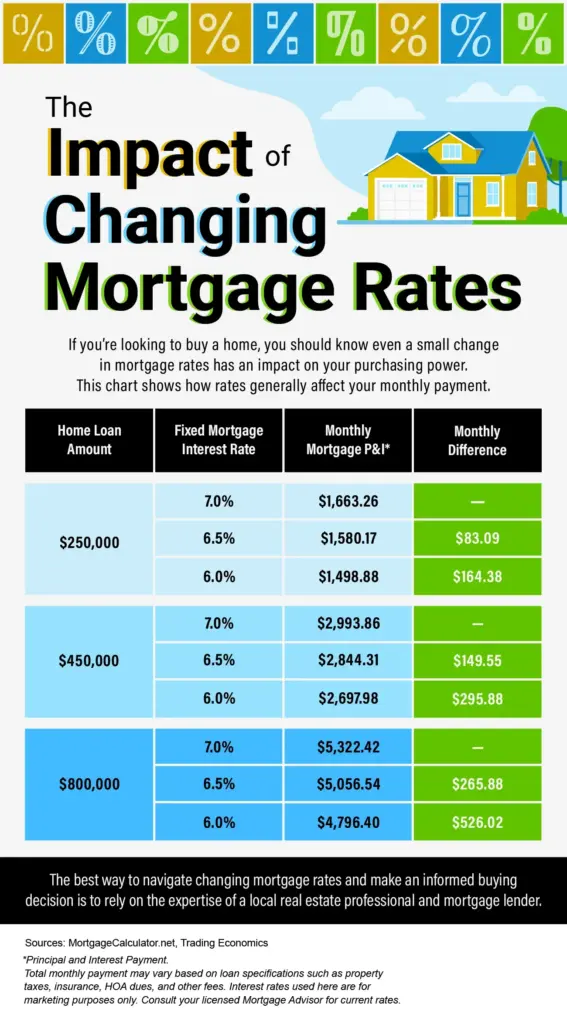
The correlation between interest rates and mortgage costs is critical for homebuyers to grasp. When the Bank of England raises interest rates, the cost of borrowing increases. This situation translates into higher mortgage rates, which can significantly impact monthly payments. Lenders often adjust their offerings to align with the BoE’s decisions, meaning that consumers might face steeper costs for fixed-rate mortgages if the rates hike.
Conversely, if the Bank of England decides to reduce interest rates, homeowners can benefit from lower monthly payments and increased affordability on new mortgage agreements. Understanding the impact of interest rate fluctuations is essential for mortgage seekers, as timing the market can lead to considerable financial savings when locking in a mortgage.
Supporting First-Time Buyers in a Changing Interest Rate Environment
For first-time buyers, navigating the complexities of mortgage rates amid fluctuating interest rates can be daunting. A slight increase in the Bank of England’s interest rate can significantly amplify monthly payments, potentially pricing out many first-time buyers from the housing market. As such, it becomes crucial for these buyers to time their entry carefully, ideally during periods of lower interest rates to gain the best possible mortgage deals.
Furthermore, first-time buyers can utilize various programs available to mitigate the impact of fluctuating interest rates. Initiatives aimed at first-time purchasers often include protection against rising rates or provision of favorable mortgage terms, ensuring that these individuals remain competitive in a challenging lending environment.
The Importance of Mortgage Term Length and Interest Rates
The length of a mortgage term is a significant consideration for buyers, particularly in relation to the prevailing interest rates. A longer-term mortgage can provide stability in payments but may also be associated with higher interest rates. With the Bank of England’s rate policies directly affecting the costs associated with fixed and variable mortgage rates, understanding how to balance term length against market conditions is crucial for prospective homeowners.
Mortgage seekers need to analyze their financial situation and consider the implications of locking in a rate for an extended period. For instance, choosing a fixed-rate mortgage might be advantageous if the interest rates are expected to rise, offering protection against future increases. With the BoE’s current policy landscape, buyers must strategically approach their mortgage decisions to ensure financial security.
Becoming a Savvy Mortgage Seeker Amid Interest Rate Changes
In today’s fluctuating interest rate environment, becoming a savvy mortgage seeker requires vigilance and informed decision-making. Regularly checking updates from the Bank of England, along with staying informed through financial news and reports, can help prospective homeowners gauge the best times to act. For example, a mortgage seeker aware of impending rate hikes can prepare accordingly, securing a more favorable deal ahead of time.
Additionally, engaging a mortgage advisor can provide tailored advice to navigate the complexities of the current interest rate climate. These professionals can offer insights into the best mortgage products available, helping individuals achieve significant savings by securing the most competitive rates aligned with the current interest rates set by the Bank of England.
Frequently Asked Questions
What is the current Bank of England interest rate and how does it affect mortgage rates?
As of the latest update, the Bank of England’s interest rate stands at 5.25%. This rate plays a crucial role in determining mortgage rates, as lenders typically adjust their rates based on the BoE’s decisions. When the BoE raises its interest rate, mortgage rates usually follow suit, making borrowing more expensive for homeowners.
How do UK interest rates set by the Bank of England impact mortgage affordability?
UK interest rates, adjusted by the Bank of England, directly influence mortgage affordability. Higher interest rates increase the cost of borrowing, leading to higher monthly mortgage payments, which can strain budgets, especially for first-time buyers. Conversely, lower interest rates can make mortgages more manageable and affordable.
What mortgage advice should I consider in relation to the Bank of England interest rate changes?
When considering mortgage advice, it’s vital to stay informed about Bank of England interest rate changes. Opt for fixed-rate mortgages to lock in lower rates during times of rising rates, and regularly compare mortgage offerings to secure the best deals. Consulting with a mortgage advisor can also provide personalized guidance tailored to current interest rates.
How does the impact of interest rates on mortgages vary between fixed and variable rates?
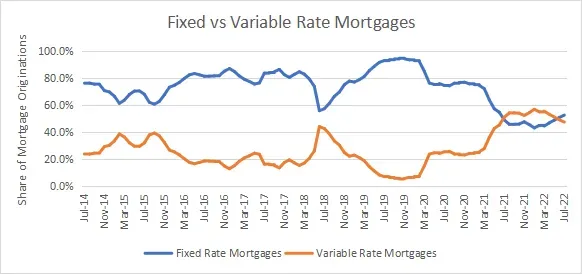
The impact of interest rates on mortgages differs significantly between fixed and variable rates. When the Bank of England raises interest rates, borrowers with fixed-rate mortgages remain shielded from these changes, while those with variable rates will see their monthly payments increase. It’s important for mortgage seekers to understand these differences in order to make informed decisions.
What should first-time buyers do in response to changes in the Bank of England’s interest rate?
First-time buyers should closely monitor changes in the Bank of England’s interest rate to optimize their mortgage options. Utilizing available first-time buyer schemes can provide financial benefits, and securing a mortgage during periods of low interest rates can enhance affordability and reduce monthly payments.
What is the best strategy to secure competitive mortgage rates considering the Bank of England interest rate?
To secure the best mortgage rates considering the Bank of England interest rate, it is advisable to shop around for different lenders, compare mortgage offers, and consider locking in rates when they are low. Additionally, consulting with mortgage advisors can help identify the most advantageous options aligned with the current rate environment.
| Key Points | Details |
|---|---|
| The Role of the Bank of England | The Bank of England (BoE) manages the UK’s monetary stability using the base interest rate, which affects inflation and economic growth. |
| Current Interest Rate | As of the latest review, the BoE’s interest rate is set at 5.25%. This rate aims to control inflation while supporting economic growth. |
| Impact of Interest Rate Changes on Mortgages | When the BoE increases rates, mortgage lenders often raise their rates, impacting both new fixed-rate and existing variable-rate mortgages. |
| Effect on First-Time Buyers | Fluctuations in interest rates directly affect the affordability for first-time buyers, making timing crucial. |
| Advice for Mortgage Seekers | Stay informed, compare mortgage offerings, lock in favorable rates, consult with advisors, and budget wisely to navigate the mortgage process effectively. |
| Future Outlook | Potential rate cuts may occur if inflation continues to decrease, but economic uncertainties could affect BoE decision-making. |
Summary
The Bank of England interest rate plays a pivotal role in determining mortgage costs and strategies for homebuyers. As the BoE adjusts its rates, it directly influences borrowing conditions throughout the economy. With the current rate at 5.25%, potential homeowners must understand how these changes impact their mortgage options. Increased rates can elevate monthly payments, making affordability a concern, particularly for first-time buyers. Staying informed about rate trends, consulting financial experts, and exploring available mortgage products are essential steps for successfully navigating the complexities of securing a mortgage. Therefore, knowledge about the Bank of England interest rate and its implications is key for informed financial decisions.