Listen to this article
Creating a budget that works is crucial for anyone aiming to achieve their financial goals, whether it’s saving for a dream vacation, paying off debt, or simply gaining a better handle on personal finances. Effective budgeting strategies can serve as the foundation of sound money management, helping individuals track expenses and assess their financial conditions. For many, the process begins with understanding budgeting tips that simplify what can often feel like an overwhelming task. With the right tools and mindset, anyone can construct a budget that not only meets their needs but also paves the way for future financial success. In this article, we’ll delve deeper into creating a budget that works, focusing on practical insights to help you manage your money wisely.
When discussing financial wellness, one cannot overlook the significance of formulating a budget that aligns with one’s economic aspirations. This process, often referred to as fiscal planning or financial forecasting, encompasses a range of effective strategies tailored to enhance individual money management skills. By gaining insights into personal financial habits and expenses, individuals can set meaningful targets that resonate with their ambitions. Adopting various tracking methods ensures a clear understanding of cash inflows and outflows, aiding in the realization of both short-term and long-term financial aspirations. Ultimately, devising a budget that fits the user’s lifestyle not only fosters fiscal responsibility but also empowers them to take charge of their economic future.
The Basics of Effective Budgeting
Effective budgeting starts with a solid understanding of personal finance. At its core, budgeting is about assessing your income and determining how to allocate it efficiently. Creating a budget that works requires you to clearly identify your financial situation, including all sources of income and monthly expenses. By grasping the fundamentals of budgeting, you lay the groundwork for smarter money management and achieve your financial goals.
Additionally, budgeting is not a static practice; it evolves with your financial journey. As your circumstances change—be it a job promotion, increased living costs, or shifting financial priorities—your budgeting strategies should adapt accordingly. This continual adjustment is vital in maintaining effective control over your finances and ensuring you remain on track to reach your desired financial outcomes.
Assessing Your Financial Situation: The First Step
Before diving into budgeting methods, it is essential to assess your current financial standing. This means taking a comprehensive look at your monthly income and categorizing your expenses. Begin by listing all income streams, including salaries and side jobs, then document expenses as fixed or variable. This practice not only clarifies spending patterns but also provides you with a clear roadmap to create a budget that works.
Reviewing your past spending habits allows you to distinguish between necessary costs and those that can be reduced or eliminated. This reflective process aids in identifying areas where you can improve your money management. For instance, if you find recurring subscriptions that you no longer use, cutting back on these can free up funds for savings or debt repayment, thereby aligning your spending with your financial goals.
Setting SMART Financial Goals for Success
Setting clear financial goals is a crucial component of effective budgeting. Using the SMART framework—Specific, Measurable, Achievable, Relevant, and Time-bound—ensures your goals are well-defined and attainable. Short-term goals, such as saving for a holiday or paying off a credit card, help maintain motivation and encourage small, consistent progress in your money management journey.
In addition to short-term goals, consider medium-term and long-term aspirations. Whether it involves saving for a new car or planning for retirement, having a diverse range of goals keeps you focused and accountable. By consistently reviewing these goals as part of your budgeting process, you can adjust your spending habits to ensure they remain aligned with your financial objectives.
Choosing the Right Budgeting Method
With multiple budgeting methods available, selecting one that best suits your lifestyle is critical for success. The zero-based budgeting approach is particularly effective, as it involves allocating every dollar of income to specific expenses, ensuring that your income equals your expenditures. This method can help to significantly reduce overspending while encouraging a more disciplined approach to managing money.
Alternatively, the widely popular 50/30/20 rule provides a simple yet effective strategy by dividing your income into three categories: 50% for needs, 30% for wants, and 20% for savings and debt repayment. This straightforward allocation can simplify personal finance and make it easier for individuals to stick to their budgets. Finding the method that resonates with you will enhance your commitment to budgeting and ultimately lead to achieving financial stability.
Tracking Expenses: Building Awareness and Control
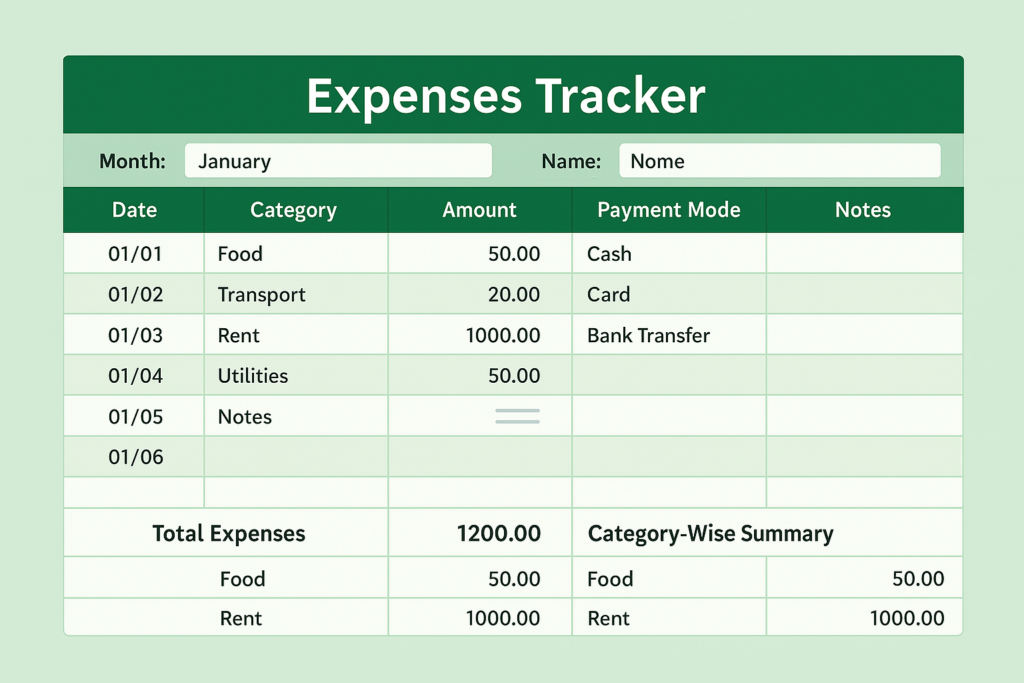
Effective budgeting hinges on diligent expense tracking, which cultivates awareness of your spending habits. Whether using spreadsheets or intuitive budgeting apps like Mint or YNAB, regularly tracking your expenses enables you to see where your money goes. This awareness not only helps in enforcing budget adherence but also assists in recognizing areas where adjustments can be made.
Establishing a habit of reviewing your spending weekly allows you to make timely changes and keep your financial goals in sight. Whether this means cutting down on dining out or re-evaluating subscriptions, continuous analysis of your expenses is crucial in fostering responsible money management and ensuring your budget effectively meets your financial objectives.
Adapting and Reviewing Your Budget Regularly
Implementing a budget is just the beginning; it’s essential to review and adjust it periodically. Life changes, such as unexpected expenses or income variations, can necessitate amendments to the budget. By consciously revisiting your budget each month, you can assess where you overspent and identify necessary adjustments for future months, ensuring your financial management remains responsive and effective.
Regular reviews also provide an opportunity to revisit your financial goals. As your circumstances evolve, those goals may need to be redefined to ensure they remain relevant and attainable. Continuous reevaluation of your budget and financial objectives encourages an adaptable approach to personal finance, ultimately enhancing your ability to achieve long-term financial success.
Frequently Asked Questions
How can I create a budget that works effectively for my personal finance goals?
To create a budget that works for your personal finance goals, start by assessing your current income and expenses. Use tools like the 50/30/20 rule for spending allocation or zero-based budgeting to assign every dollar a purpose. Setting SMART financial goals will guide your budgeting process. Regularly track your expenses and adjust your budget as necessary to align with your financial objectives.
What are some budgeting tips to help me create a budget that works?
Some effective budgeting tips include categorizing your expenses into fixed and variable types, using budgeting apps like Mint or YNAB for tracking, and reviewing your budget monthly. Consider implementing the envelope system to control spending in specific categories. By applying these strategies, you’ll create a budget that works and supports your financial success.
What role does tracking expenses play in creating a budget that works?
Tracking expenses is critical to creating a budget that works, as it allows you to monitor your spending habits and assess whether you’re sticking to your financial plan. By consistently tracking your expenses, you can identify areas where you might be overspending and adjust your budget accordingly, ensuring that you remain aligned with your financial goals.
What are effective budgeting strategies for creating a budget that works?
Effective budgeting strategies include zero-based budgeting, where every dollar is allocated a specific purpose, and the 50/30/20 rule for balanced spending. Additionally, setting short, medium, and long-term financial goals can help guide your budgeting efforts. Make adjustments as life circumstances change, and track your progress regularly to enhance your budgeting outcomes.
How do I ensure my budget that works aligns with my financial goals?
To ensure that your budget aligns with your financial goals, start by setting clear, SMART objectives that reflect your aspirations. Regularly review your budget against these goals to see if you’re on track. Adjust your spending categories and amounts as necessary to cope with changes in income or expenses, ensuring your budget continuously supports your financial objectives.
Why is regular review important in creating a budget that works?
Regular review of your budget is essential to creating a budget that works because it helps you stay accountable and allows you to adapt to any changes in your financial situation. By analyzing spending patterns and making necessary adjustments, you ensure your budget remains effective and aligned with your current financial goals, enhancing your overall money management.
| Key Point | Description |
|---|---|
| Importance of Budgeting | Budgeting helps monitor income and expenses, identify spending patterns, set financial goals, and plan for future expenses. |
| Assess Current Financial Situation | Calculate income, list expenses, and review past spending to know your financial standing. |
| Set Clear Financial Goals | Define short-term, medium-term, and long-term goals that are SMART, guiding your budgeting process. |
| Choose a Budgeting Method | Select a method like zero-based budgeting, the 50/30/20 rule, or the envelope system that fits your lifestyle. |
| Track Your Spending | Use apps or spreadsheets to monitor your spending habits and make necessary adjustments to stay on track. |
| Implement and Adjust | Follow your budget diligently while staying disciplined and adjusting when life changes occur. |
| Review Your Budget Regularly | Continuously check your budget monthly to analyze spending, make adjustments, and keep your goals relevant. |
Summary
Creating a budget that works is essential for anyone looking to achieve financial stability and reach their personal financial goals. By understanding the importance of budgeting and assessing your current financial situation, you can set SMART financial goals that motivate you to save and spend wisely. Choosing a budgeting method that suits your lifestyle will streamline your financial management, while tracking your spending allows you to stay on course. Remember, budgeting is an ongoing process; regular reviews ensure you adapt to financial changes and continue to make progress. With the right strategies and commitment, you’ll not only create a budget that works but also cultivate a sense of control over your financial future.