Listen to this article
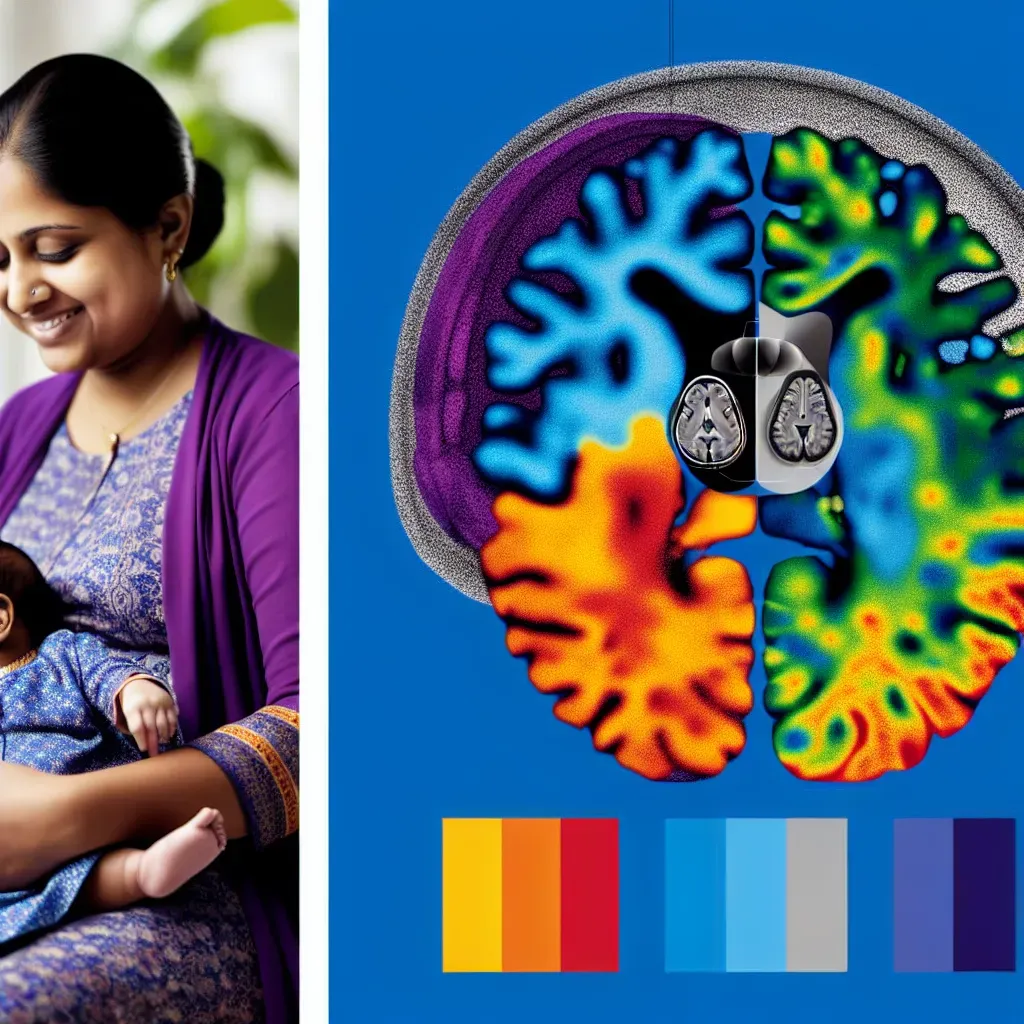
Pregnancy brain changes are not just a fleeting myth; recent studies reveal significant neurological changes that occur during this transformative period. Indeed, research highlights that the grey matter in a pregnant woman’s brain can decrease by nearly 5%, challenging the stereotype of ‘baby brain’ and suggesting a more profound structural impact. These motherhood brain changes are beneficial, as they may enhance emotional processing and foster a deeper connection between mothers and their newborns. Scientists indicate that these neurological changes during pregnancy are a natural adaptation, ultimately preparing women for the demands of motherhood. With compelling evidence from the latest baby brain study, it’s clear that the effects of pregnancy on brain function deserve more understanding and appreciation.
During pregnancy, expectant mothers undergo a fascinating array of cognitive and neurological transformations, often referred to as pregnancy-related brain adaptations. This phenomenon goes beyond mere forgetfulness associated with having a baby; it encompasses significant changes in brain architecture, designed to support new mothers in caring for their children. As the brain remodels itself, insights into the impact on emotional intelligence and social bonding emerge, shedding light on how women prepare for the challenges of parenthood. These neurological modifications include the reduction of grey matter, which might sound alarming but is, in fact, a positive change that fosters nurturing behaviors. Ultimately, acknowledging these motherhood-related cognitive shifts allows for a deeper appreciation of the sacrifices and adjustments mothers navigate during this critical life phase.
Understanding Pregnancy Brain Changes
Pregnancy brain changes, often dismissed as mere forgetfulness, actually reflect profound neurological transformations that occur in expectant mothers. Research indicates that during pregnancy, there is an average decrease of nearly 5% in grey matter. This reduction is not a sign of decline but rather a recalibration of the brain’s structure, enabling mothers to better bond with and care for their newborns. As professor Susana Carmona notes, the brain undergoes a remodeling process akin to pruning a tree, where excess connections are trimmed to enhance efficiency in maternal instincts.
These changes challenge the stereotype of ‘baby brain’ that suggests women become less capable during pregnancy. On the contrary, studies indicate that the neurological changes signify a transition towards enhanced emotional processing and empathy, essential qualities for motherhood. Instead of deterioration, pregnancy brain changes offer a unique perspective on the adaptability of the human brain in response to new roles and responsibilities.
Neurological Changes During Pregnancy
Pregnancy induces a series of neurological changes that are necessary for the transformation into motherhood. Pregnant women’s brains experience notable shifts in grey matter, particularly in areas that govern empathy and self-awareness. The significance of these changes can be seen in how new mothers often report a stronger emotional connection to their babies, aligning with the findings of recent studies that show substantial brain reorganization aimed at enhancing parenting capabilities.
Moreover, these neurological adjustments do not merely affect emotional levels but also contribute to new mothers acquiring essential skills. Although some women may perceive these changes as memory deficits or cognitive decline, it’s crucial to recognize them as adaptations that optimize caregivers’ abilities. Understanding the neurological implications of pregnancy can pave the way for better support systems for women transitioning into motherhood, particularly in addressing challenges like postpartum depression.
The Role of Grey Matter in Pregnancy
Grey matter plays a vital role in processing information and emotions. During pregnancy, researchers found a nearly 5% loss of grey matter, specifically linked to the default mode network, an area associated with self-perception and empathy. This reduction, while seemingly alarming, is actually a natural part of the brain’s adjustment to the demands of motherhood, signifying a reorganization that enhances maternal instincts and capabilities.
Interestingly, these changes in grey matter are not permanent. While some grey matter loss occurs, research indicates a partial recovery within six months post-birth. This return suggests that the brain is continuously adapting to new circumstances, reinforcing the idea that motherhood is not just a biological shift but an ongoing cognitive and emotional journey. By studying grey matter dynamics during pregnancy, we can gain valuable insights into how women’s brains evolve in response to motherhood.
What Baby Brain Studies Reveal
Baby brain studies shed light on the scientific understanding of how pregnancy affects cognitive functions. Researchers have utilized MRI scans to compare the brains of pregnant women to those of their non-pregnant counterparts, revealing significant alterations in brain structure associated with increased empathy and stronger parental bonding. Such findings challenge the preconceived notions of ‘baby brain,’ showing that the purported forgetfulness is merely part of a complex and adaptive neurological response to motherhood.
These investigations also highlight that the brain operates differently during parenting phases. For example, many mothers report heightened emotional clarity and prioritization of their child’s needs over non-essential tasks. The connection between brain changes and actual maternal behavior supports the view that pregnancy instigates beneficial adaptations, creating a strong bond between mother and child that is crucial for healthy development.
Pregnancy Effects on the Brain: An Overview
The effects of pregnancy on the brain encompass both structural and functional transformations that foster maternal behaviors. Studies indicate that these neurological changes are not only profound but essential for nurturing and caregiving. As hormones influence the brain’s architecture, women may experience shifts in emotional processing that prepare them for the demands of motherhood entirely.
As the study conducted by Carmona and colleagues highlights, understanding these pregnancy effects on the brain can shift the narrative around maternal health. Rather than viewing changes in cognition merely as deficits, it’s vital to recognize them as strategic adjustments that enable better maternal care. This knowledge can inform healthcare professionals and society at large on the importance of supporting new mothers through their unique psychological and developmental transitions.
Emotional Connections Fostered by Pregnancy Changes
The emotional connections fostered during pregnancy are compounded by the brain’s restructuring. As grey matter decreases, many mothers report significant increases in feelings of empathy and attachment towards their children. This emotional shift is not only crucial for the mother’s mental health but also plays a pivotal role in the child’s development, establishing the foundation for secure attachment and bonding.
These profound emotional transformations highlight the importance of understanding pregnancy not just as a physical journey but as an emotional and neurological passage. Recognizing how these changes manifest psychologically can help in formulating better support and educational initiatives aimed at helping new mothers navigate their parenting journey and enhance their bonding experience with their newborns.
The Physiological Basis of Motherhood Brain Changes
The physiological basis of motherhood brain changes is deeply rooted in hormonal fluctuations that occur during pregnancy. As levels of estrogen and other hormones rise, expectant mothers experience significant restructuring in their neural pathways. These alterations promote cognitive adaptations that enable women to address the challenges of motherhood more effectively.
This hormonal influence on the brain suggests that pregnancy serves as a critical period for neurological development that extends beyond birth. The insights gained from studying these physiological changes can lead to improved strategies for supporting new mothers, emphasizing holistic care that encompasses both physical and emotional wellbeing during and after pregnancy.
Research Directions on Pregnancy and Brain Development
The emerging research directions focusing on pregnancy and brain development emphasize the need for a deeper understanding of how motherhood affects mental health. Investigations, such as those conducted during the Be Mother project, aim to dissect the neurological intricacies of pregnancy brain changes not only in terms of structure but also in emotional and cognitive outcomes associated with motherhood.
Future research could delve into how these changes impact long-term mental health, forming a foundation for preventative measures against issues such as postpartum depression. By examining the broader implications of pregnancy on brain functioning, scientists can enlighten the discourse on maternal health and wellbeing, paving the way for more comprehensive care frameworks.
A New Perspective on Maternal Transformation
Viewing pregnancy as a transformative phase rather than a setback can shift societal perceptions surrounding motherhood. The evidence of significant brain changes during pregnancy reflects women’s adaptability and resilience, often strengthening their capabilities as caregivers. This fresh perspective encourages recognition of the complexity and depth of maternal experiences, embracing the transformative journey into motherhood.
Tania Esparza’s sentiments about mothers ’emerging from a cocoon’ encapsulate the essence of this transformation. By re-evaluating the attributes associated with motherhood brain changes, society can foster more supportive environments for new mothers, acknowledging their growth and the various challenges they navigate in this new chapter of life.
Frequently Asked Questions
What are the neurological changes during pregnancy and how do they relate to pregnancy brain changes?
Pregnancy brain changes refer to significant neurological transformations that occur in expectant mothers, including a nearly 5% reduction in grey matter. This grey matter loss is associated with processing information, emotions, and empathy, facilitating the development of maternal instincts and bonding with newborns.
How does grey matter pregnancy affect a woman’s cognitive abilities?
Grey matter pregnancy typically results in structural changes that may enhance cognitive functions related to motherhood. Rather than impairing memory, these changes prepare the brain for nurturing and emotional connection with the baby.
Are pregnancy effects on the brain temporary or lasting?
Pregnancy effects on the brain are largely temporary, with some grey matter returning partially six months after childbirth. Although some changes persist, the brain’s rewiring during pregnancy is mainly aimed at improving maternal skills and relationships.
How do motherhood brain changes contribute to a mother’s emotional connection with her baby?
Motherhood brain changes, including alterations in the default mode network responsible for self-perception and empathy, enhance a mother’s emotional connectedness to her baby. These neurological adaptations facilitate bonding and nurturing behaviors.
What is the significance of studies like the baby brain study in understanding pregnancy brain changes?
Studies such as the baby brain study provide crucial insights into the neurological changes during pregnancy and help dispel myths surrounding ‘baby brain.’ They highlight the structural adaptations in the brain that support motherhood, emphasizing that these changes are beneficial rather than detrimental.
Can pregnancy brain changes lead to forgetfulness, and if so, why?
Many women report forgetfulness during pregnancy, attributed to the combined effects of hormonal changes, metabolic demands, stress, and fatigue. While some cognitive functions may seem impaired, this could be a result of prioritizing new maternal responsibilities.
How does the transition to motherhood affect a woman’s brain structure according to new research?
New research indicates that the transition to motherhood involves a significant reorganization of brain structure, characterized by a loss of grey matter that may enhance maternal bonds and caregiving skills, rather than diminishing cognitive abilities.
What do experts suggest about the importance of understanding pregnancy effects on brain development?
Experts underscore the value of understanding pregnancy effects on brain development for improving maternal health and addressing issues like postpartum depression. Increased awareness of these changes can lead to better support systems for new mothers.
| Key Point | Details |
|---|---|
| Pregnancy Brain Changes | The brain undergoes structural transformations, including a loss of nearly 5% of grey matter. |
| Grey Matter Reduction | Grey matter decreases in parts of the brain associated with processing emotions, helping mothers bond with their babies, according to researchers. |
| Benefit of Changes | These neurological changes are viewed as beneficial for newborn care rather than detrimental to cognitive function. |
| Research Findings | MRI scans of pregnant women displayed brain changes associated with their emotional and bonding experiences with their infants. |
| Hormonal Influence | The study links hormonal changes during pregnancy, particularly estrogen rises, with the observed reduction in grey matter. |
| Importance of Further Research | More research is needed to understand pregnancy-related changes in brain structure in depth and their implications for postpartum mental health. |
| Examples from Women | Experiences vary with some women feeling forgetful during pregnancy but also reporting increased resilience and prioritization of motherhood. |
Summary
Pregnancy brain changes are a fascinating aspect of maternal health, suggesting that the structural adjustments in a pregnant woman’s brain are not mere inconveniences but meaningful transformations preparing her for motherhood. The evidence presented indicates a significant reduction in grey matter that enhances emotional processing and bond formation between mother and child. These changes, instead of resulting in forgetfulness, may instead reflect a specialized adaptation beneficial for nurturing. Such insights can help reshape societal attitudes towards expecting mothers and highlight the need for more comprehensive studies on neurological developments during this critical life phase.