Listen to this article
The Bank of England’s interest rate policies play a critical role in shaping the economic landscape, especially concerning home mortgages. These policies directly influence mortgage rates, which in turn affect everything from homeownership rates to the overall dynamics of the UK housing market. For prospective and current homeowners alike, understanding the impact of interest rate changes is vital, as they dictate borrowing costs and monthly repayments. As the Bank of England adjusts its rate, the repercussions can be felt by first-time buyers who are particularly vulnerable to fluctuations in mortgage affordability. This article will explore the long-term effects of these interest rate policies, helping you navigate the complexities of the mortgage landscape in the UK.
The monetary policies instituted by the Bank of England significantly affect borrowing costs for homebuyers, impacting how housing finance functions in the UK market. When the central bank modifies interest rates, it alters the financial environment for mortgages, presenting challenges and opportunities for potential homeowners and investors. Consequently, these monetary adjustments ripple through the housing market, influencing consumer behavior and ownership trends. Particularly for first-time buyers, an understanding of these dynamics can determine whether homeownership is achievable or delayed. This discussion aims to elucidate the broader implications of interest rate management and its effects on housing affordability and market stability.
Understanding the Impact of Bank of England Interest Rate Policies on Mortgage Rates
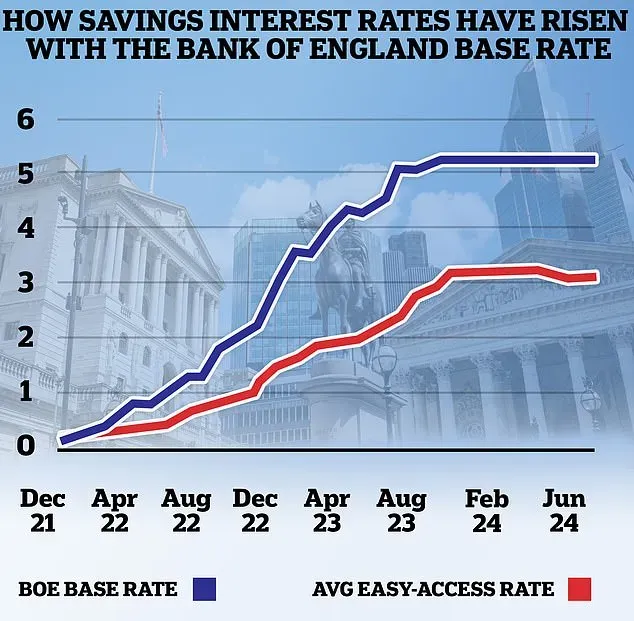
The Bank of England plays a pivotal role in shaping the financial landscape of the UK, particularly through its interest rate policies. These policies directly influence mortgage rates, which are crucial for potential homebuyers and existing homeowners alike. When the Bank adjusts the base rate, banks often follow suit, altering mortgage rates to reflect these changes. For individuals looking to buy a home or refinance an existing mortgage, understanding these dynamics is essential, as even a slight change in the interest rate can result in substantial financial implications.
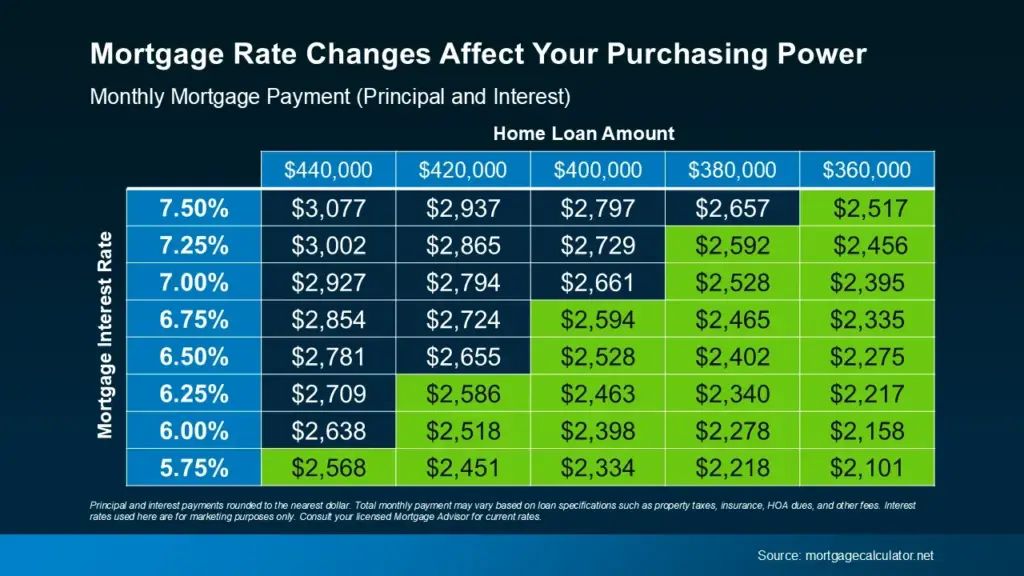
Furthermore, fluctuations in mortgage rates can impact the affordability of homes significantly. Lower interest rates tend to make mortgage repayments more manageable, encouraging homeownership among first-time buyers and even those looking to upgrade their living arrangements. Conversely, rising rates can increase monthly mortgage costs, potentially putting homeownership out of reach for many, particularly among lower-income families.
The connection between the Bank of England’s interest rate policies and mortgage rates is not just a short-term occurrence; it has long-term repercussions as well. For instance, prolonged periods of low-interest rates typically result in a surge of activity in the housing market, with many buyers seizing the opportunity to enter the market. This demand can lead to rising home prices, making it more challenging for future buyers to enter the market when rates rise again. Hence, the relationship between interest rates set by the Bank and the mortgage market is cyclical, often leading to broader implications for the UK’s housing economy.
Short-term vs Long-term Effects of Interest Rate Changes on Homeownership
Understanding the effects of interest rate changes from a short-term perspective is crucial for homeowners and potential buyers. When the Bank of England decides to increase rates, the immediate effect is typically a spike in mortgage rates. This can make it more expensive for buyers to secure financing, which may cause them to reconsider purchasing homes at that time. In simple terms, higher short-term rates can lead to decreased purchasing power, pushing potential buyers out of the market temporarily until they can afford the increased costs of borrowing.
In contrast, the long-term effects of such interest rate changes can be even more significant. Sustained increases in rates can lead to a stabilization of home prices or even a decrease in housing market activity. Over time, prolonged high rates can discourage new home constructions, reduce the number of available homes, and impact overall homeownership rates negatively. Consequently, understanding how interest rate changes affect the housing market is vital for formulating strategies for both buyers and those looking to invest.
One of the long-term effects of increased rates from the Bank of England’s policies can be observed in the behavior of existing homeowners and prospective buyers. For example, when rates rise, many homeowners may choose to hold onto their current lower-rate mortgages instead of refinancing or selling their homes. This phenomenon can lead to decreased turnover in the housing market, limiting availability for new buyers and driving up competition for existing homes. In effect, the longer the Bank holds rates high, the more it influences the movement of individuals within the housing sector, creating a slower-paced market that could deter new investments and purchases.
The Relationship Between Interest Rates and the UK Housing Market Trends
The UK housing market is highly sensitive to fluctuations in interest rates. When the Bank of England adjusts its rates, these changes resonate throughout the housing market, affecting everything from consumer confidence to property values. For instance, when rates are low, many first-time buyers enter the market with the intent to purchase, which can result in increased competition for homes. This competition often drives property prices up, creating a boom period for sellers. On the flip side, when interest rates increase, the market can cool off, leading to a reduction in home sales and possibly lower prices as buyers pull back due to higher mortgage costs.
Long-term trends in the housing market are often dictated by the expectations surrounding interest rates. If potential buyers anticipate that rates will rise in the future, they may rush to make purchases while they can secure lower rates. This can create spikes in housing demand that affect pricing temporarily. Understanding these trends is crucial for economists and investors alike, as it serves as a marker of overall economic health and consumer behaviors towards homeownership.
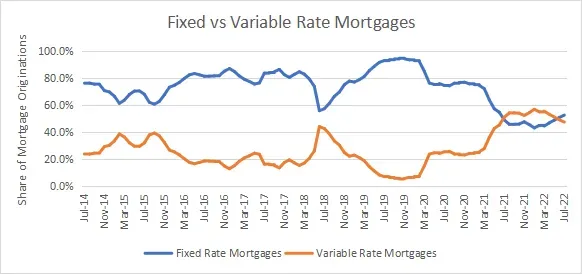
Moreover, the anticipation of interest rate adjustments by the Bank can lead to strategic shifts in how buyers approach home purchases. For instance, a potential homebuyer aware of an impending increase in rates may decide to accelerate their buying process or opt for fixed-rate mortgages to secure a lower payment over the long term. This behavior is especially true for first-time buyers who may find themselves at a disadvantage during economic shifts. Overall, the relationship between interest rates and the UK housing market encapsulates the ebb and flow of economic conditions, influencing decisions that ripple through the entire economy.
The Effects of Interest Rate Changes on First-time Buyers
First-time buyers are particularly vulnerable to changes in interest rates set by the Bank of England. An increase in rates often leads to significantly higher mortgage payments, making it challenging for these buyers to afford homes. Higher borrowing costs can dissuade potential first-time buyers from entering the market altogether, creating a situation where demand decreases while supply may still remain stable. This can lead to stagnation in the housing market, delaying the opportunity for homeownership for many individuals and families who are eager to invest in their futures.
Additionally, the implications of increased interest rates may extend beyond just immediate affordability. When first-time buyers are priced out of the market, this can have long-term effects on homeownership rates across the country. Over time, a smaller segment of the population will be able to achieve homeownership, resulting in broader economic implications, such as reduced consumer spending power and less economic mobility for families.
The cyclical nature of interest rates and the housing market means that first-time buyers must remain aware of the fluctuating economic environment. Strategies to cope with rising interest rates might include seeking assistance through government programs, opting for longer loan terms to mitigate monthly payments, or exploring alternative financing options that may provide more lenient conditions. Ultimately, first-time buyers must stay informed about market conditions and the Bank of England’s policies to make the best financial decisions regarding their home purchases.
Coping Strategies for Homebuyers Amid Interest Rate Fluctuations
Navigating the complexities of the housing market amidst fluctuating interest rates can be daunting for potential buyers. However, adopting effective coping strategies can significantly enhance their ability to secure favorable mortgage terms. For instance, opting for fixed-rate mortgages can protect buyers from future increases in interest rates, providing them with predictable monthly payments over the duration of the loan. This stability can be especially beneficial in a volatile economic environment characterized by frequent rate changes by the Bank of England.
Moreover, potential buyers can benefit from employing long-term financial planning. By establishing clear budgets and timelines for home purchases, buyers can better prepare for changes in interest rates. Understanding when and how to afford a home during various economic conditions is crucial for successful homeownership.
Additionally, staying informed about the Bank of England’s announcements and economic indicators is vital for making timely decisions regarding mortgages. By paying attention to financial news, buyers can gauge the market conditions and anticipate potential changes in interest rates. This knowledge empowers homebuyers to strategize effectively, whether it’s timing their entry into the market or preparing for any necessary adjustments in their plans. In this way, potential homeowners can navigate the challenges posed by fluctuating rates with more confidence and foresight.
The Long-term Dynamics of Mortgage Refinancing in Relation to Interest Rates
Mortgage refinancing is significantly influenced by the Bank of England’s interest rate policies. When interest rates are low, homeowners often take the opportunity to refinance, reducing their monthly payments and freeing up cash for other expenditures. This behavior not only boosts individual financial situations but can also stimulate broader economic activity as homeowners gain increased disposable income. The long-term effects of this refinancing trend can create a more fluid and dynamic housing market, further encouraging homeownership among prospective buyers, including first-time purchasers who may find more opportunities as more homeowners move into affordability.
However, higher interest rates can severely dampen refinancing opportunities. Homeowners may feel trapped in their existing mortgages at higher rates, resulting in decreased liquidity within the housing market. This stagnation can suppress housing prices as fewer homes are available for purchase, impacting new buyers looking for entry points into the market. Understanding these long-term dynamics of refinancing in relation to interest rates is crucial for anyone considering homeownership in the fluctuating economic environment that the Bank of England’s policies create.
The Interplay Between Inflation, Interest Rates, and Mortgage Affordability
The interplay between inflation, interest rates, and mortgage affordability is a critical aspect of the economic landscape that homeowners and potential buyers must consider. The Bank of England’s adjustments to interest rates are often a direct response to inflation; as inflation rises, the Bank tends to increase rates to maintain economic stability. This correlation means that periods of high inflation typically translate into higher mortgage rates, making home buying less affordable for many individuals, particularly first-time buyers who have fewer financial resources to absorb increases in monthly payments.
In a landscape marked by rising inflation and higher interest rates, prospective buyers may face diminished purchasing power. This combination can deter many from pursuing homeownership altogether, further impacting homeownership rates and potentially leading to a cooling off in the housing market as demand wanes.
On the flip side, understanding this connection can empower buyers to make informed decisions regarding when to enter the housing market. Potential homebuyers may opt to accelerate their purchasing decisions when rates are low to lock in favorable mortgage rates before potential increases occur in response to inflation. Consequently, being equipped with knowledge about how inflation influences interest rates allows buyers to strategize effectively, reducing the risks associated with fluctuating economic conditions.
Frequently Asked Questions
How do Bank of England interest rate policies affect home mortgages?
The Bank of England’s interest rate policies directly influence mortgage rates offered by lenders. When the Bank sets higher rates, borrowing costs increase, making home mortgages more expensive for consumers. Conversely, lower rates typically lead to cheaper mortgage payments, encouraging homeownership and borrowing.
What are the long-term effects of interest rate changes on the UK housing market?
Long-term interest rate changes can significantly affect property prices and homeownership rates in the UK housing market. Prolonged low rates can stimulate demand, increasing home prices, while consistently high rates may stabilize or reduce prices, making homes more affordable over time.
How do interest rates influence mortgage rates for first-time buyers?
Interest rates play a crucial role in determining mortgage rates for first-time buyers. When the Bank of England raises rates, it leads to higher mortgage costs, which can deter first-time buyers from entering the market. Lower rates, however, make mortgages more accessible, encouraging home purchases among this demographic.
What is the role of the Bank of England in setting mortgage interest rates?
The Bank of England establishes the ‘Bank Rate,’ which serves as a benchmark for other interest rates in the economy, including mortgage rates. By adjusting this rate in response to economic conditions, the Bank influences borrowing costs for homeowners and investors alike.
How do inflation expectations affect Bank of England interest rate policies?
Inflation expectations heavily influence Bank of England interest rate policies. When inflation is rising, the Bank may increase interest rates to curb spending and borrowing, consequently affecting mortgage affordability for consumers. This interplay can significantly impact long-term home ownership rates and the overall housing market.
What strategies can homebuyers adopt in response to Bank of England interest rate policies?
Homebuyers can adopt several strategies in light of Bank of England interest rate policies: consider fixed-rate mortgages to lock in current rates, conduct market research to anticipate rate changes, and plan long-term to adapt to potential shifts in the housing market.
| Key Points | Details |
|---|---|
| What Are Interest Rates? | Interest rates are the cost of borrowing money, impacting mortgage rates offered by banks. |
| Role of the Bank of England | Sets the ‘Bank Rate.’ Adjusts rates to manage inflation and stimulate growth. |
| Short-term Effects | Immediate adjustments can lead to increased mortgage rates and costs. |
| Long-term Effects | Prolonged low rates increase homeownership, stimulate prices, and attract investments. |
| Impact on First-time Buyers | Higher rates may deter first-time buyers due to increased monthly obligations. |
| Coping Strategies | Consider fixed-rate mortgages, plan long-term, and monitor the Bank’s policies. |
Summary
Bank of England interest rate policies play a crucial role in shaping the dynamics of the housing market in the UK. By adjusting interest rates, the Bank influences mortgage rates, which in turn affects affordability for homeowners and potential buyers. Understanding how these policies operate is essential for anyone navigating the housing market, whether they are looking to buy, sell, or invest. With sustained low rates, we often see an increase in homeownership and rising property prices, while higher rates can dampen demand and slow down market activity. As inflation impacts these rates, being informed about the Bank’s monetary policy is critical for making strategic financial decisions related to home mortgages.