Listen to this article
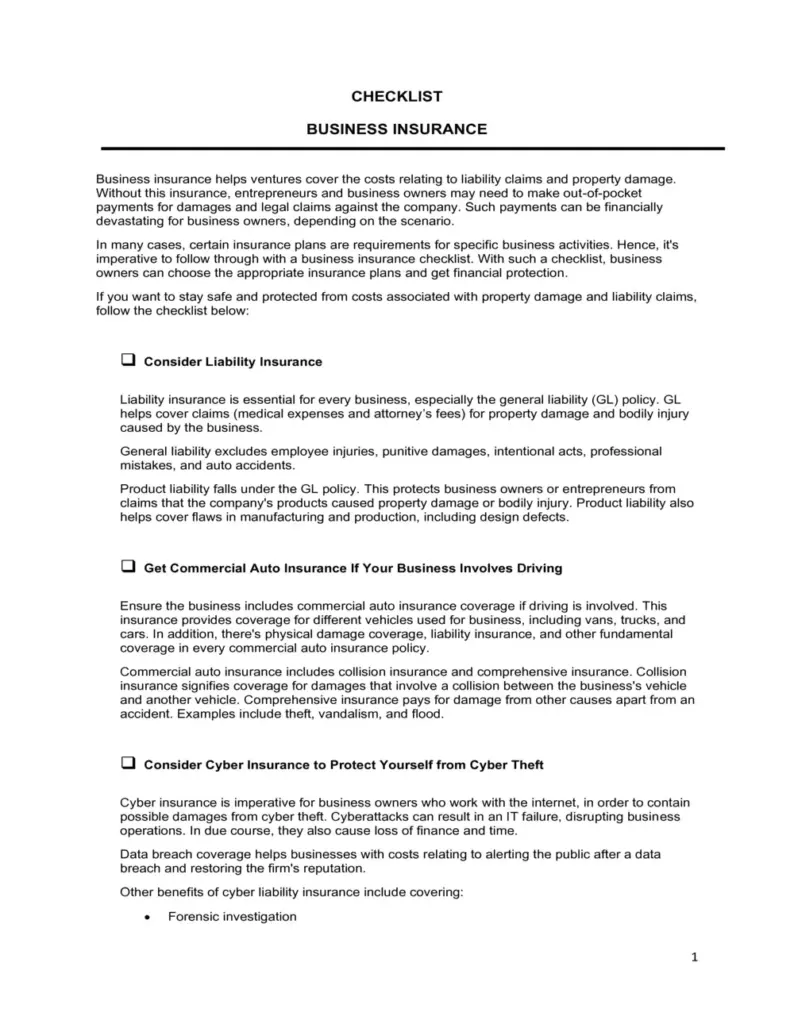
When it comes to ensuring the financial security of your enterprise, securing the best Business Insurance UK is paramount. Every business, whether a burgeoning startup or an established corporation, faces various risks that can disrupt operations and lead to significant financial losses. However, navigating the myriad of options available can feel overwhelming, which is why having a detailed business insurance checklist is invaluable. Understanding the different types of business insurance—such as public liability insurance UK, employers liability insurance UK, and professional indemnity insurance UK—empowers you to make informed decisions tailored to your specific needs. This comprehensive guide serves as your roadmap to explore the landscape of business protection, ensuring your organization is resilient against unforeseen circumstances.
In the realm of safeguarding your company’s interests, securing appropriate commercial coverage is essential. Business protection in the UK encompasses a wide array of policies designed to mitigate risks, from public liability to employers liability and professional indemnity insurance. Knowing the specific types of coverage that cater to your industry ensures that you are not only compliant with regulations but also shielded from potential liabilities. This topical examination will delve into key aspects of insuring your business, including necessary precautions to take, potential interruptions, and the diverse array of plans available. Ultimately, understanding these elements can drastically improve your preparedness against unforeseen hurdles and bolster your enterprise’s longevity.
Evaluating Your Business Risks: A Guide to Comprehensive Coverage
Understanding the unique risks associated with your business is the first crucial step in finding the right business insurance in the UK. Every industry has its set of challenges that can lead to potential financial losses, from natural disasters affecting physical assets to legal claims from customers or employees. Conducting a thorough risk analysis can help you identify these potential hazards and assess their severity. For instance, a retail business may face risks related to theft or property damage, while a consultancy may be more susceptible to litigation due to professional errors. Having a clear picture of the risks allows you to tailor your insurance coverage accordingly.
Once you have identified and categorized your risks, it becomes easier to determine which types of insurance policies will best protect your business. Categories such as low, medium, and high risk can guide your decision-making process. For example, businesses that handle a lot of customer interactions might prioritize public liability insurance to safeguard against claims of injury or property damage. Meanwhile, companies with employees should definitely consider employer’s liability insurance as it is a legal requirement. Proper risk identification not only ensures adequate coverage but also gives you peace of mind knowing that your business is protected.
Types of Business Insurance: Which Policies Do You Need?
When it comes to business insurance in the UK, understanding the various types of coverage is vital for safeguarding your interests. Common policies include public liability insurance, which protects your business from third-party claims for injuries or damages on your premises. Additionally, employer’s liability insurance is mandatory for businesses with employees, covering costs related to workplace-related injuries or illnesses. For those offering professional services, professional indemnity insurance is key, as it protects against claims of negligence that may occur during service delivery.
Other essential types of insurance include property insurance, which covers damage to your business premises, and business interruption insurance, which compensates for lost income in the event of operational disturbances. Each of these insurance types serves a unique purpose and can be crucial in protecting your financial health. It’s worth reviewing your specific business activities to determine which combinations of these insurance types will provide the most comprehensive protection, ensuring you are not left vulnerable to unforeseen circumstances.
Comparing Business Insurance Quotes: Why It Matters
Once you’ve identified the types of business insurance you need, the next important step is to compare quotes from various insurers. This process is essential to ensure that you’re getting the best possible coverage at a competitive price. By seeking out multiple quotes, you can compare premiums, coverage limits, and deductibles, helping you make an informed choice. Many insurance providers offer online tools to make this comparison easier, allowing you to evaluate the options based on your budget and specific needs.
However, it’s not just about choosing the lowest premium; it’s also crucial to examine the depth of coverage provided in each policy. Some insurers might offer lower rates but include fewer benefits or higher exclusions. A thorough comparison will highlight any potential gaps in coverage that could leave your business exposed. Be proactive in asking for detailed explanations of the terms and conditions associated with each quote, ensuring that there are no hidden surprises down the line.
Choosing a Reliable Insurer: Importance of Reputation
Selecting an insurance provider is as critical as choosing the right policy. Your insurer should have a solid reputation for reliability and trustworthiness. One effective way to assess this is by reading online reviews and testimonials from other business owners in your industry. Look for feedback regarding claims handling and customer service, as these elements are vital in ensuring a smooth experience when you need to file a claim.
Additionally, it’s wise to research the financial stability of the insurer. Rating agencies like A.M. Best provide insights into the financial health of insurance companies. A stable insurer is more likely to honor claims promptly and provide the support you need when facing difficulties. Combining positive reviews with solid financial ratings will give you confidence that you are partnering with a capable business insurance provider.
Understanding Policy Exclusions: What You Need to Know
Every business insurance policy comes with exclusions that specify what is not covered. It’s crucial for business owners to read through these exclusions carefully to avoid surprises when filing claims. Ensuring you understand what is included in your policy helps clarify your coverage. Request clarifications from your insurer regarding any complex language or terms that might cause confusion.
Identifying these exclusions upfront can save you time and financial stress in the long run. For example, some policies may exclude certain types of natural disasters or operational interruptions that could be pivotal for your business. By clearly comprehending what gaps might exist in your coverage, you can either opt for additional coverage or tailor your policy to better meet your specific business needs.
Tailoring Your Business Insurance: Custom Solutions for Unique Needs
To adequately protect your business, one-size-fits-all insurance solutions often fall short. Instead, it’s important to tailor your coverage to fit the specific needs of your operations. Many insurers offer customizable policy add-ons that can address niche risks particular to your industry. For example, if your business deals in high-value transactions, additional coverage for cyber risks might be necessary to mitigate potential data breaches.
Additionally, consulting with a professional insurance broker can be invaluable, especially if your business needs are complex or if you’re unsure of the necessary types of coverage. Brokers can help you assess risks accurately and guide you toward policies that provide comprehensive benefits tailored to your business model. Taking the time to customize your insurance can significantly reduce your risks and enhance your overall protection.
Frequently Asked Questions
What is a business insurance checklist for UK businesses?
A business insurance checklist for UK businesses is a comprehensive guide that outlines key considerations when selecting appropriate insurance coverage. This checklist includes assessing specific risks, determining types of necessary business insurance such as public liability insurance UK and employers liability insurance UK, comparing quotes, checking the insurer’s reputation, understanding policy exclusions, tailoring coverage, and reviewing insurance regularly to ensure adequate protection against unforeseen risks.
What types of business insurance are essential for UK companies?
Essential types of business insurance for UK companies include public liability insurance, which protects against third-party claims; employers liability insurance, a legal requirement for businesses with employees; professional indemnity insurance, which covers service providers against negligence claims; and business interruption insurance UK, which compensates for lost income during operational disruptions. Understanding these types helps businesses select coverage that meets their specific risks.
How do I find the best business insurance UK for my needs?
To find the best business insurance UK, start by assessing your unique risks and identifying types of coverage you require. Seek multiple quotes from different insurers to compare pricing and coverage limits. Research each provider’s reputation by reading online reviews and checking their financial stability. Consulting with an insurance broker can also provide tailored advice and help you customize your policy for optimal protection.
What does public liability insurance UK cover?
Public liability insurance UK covers claims made by third parties for injury or property damage that occurs as a result of your business activities. This insurance protects your business from financial losses that may arise from lawsuits or compensation claims, ensuring that you can afford legal fees and payouts without jeopardizing your financial stability.
Is employers liability insurance UK a legal requirement for all businesses?
Yes, employers liability insurance UK is a legal requirement for most businesses that employ staff. It provides coverage for claims made by employees who are injured or become ill due to work-related activities. This insurance protects the business from compensation claims, helping to ensure compliance with regulations and safeguarding against financial risks associated with workplace injuries.
What is the purpose of business interruption insurance UK?
Business interruption insurance UK is designed to cover loss of income and ongoing expenses if your business operations are disrupted due to unforeseen events, such as fire, flood, or other disasters covered in the policy. This insurance helps businesses recover financially by providing compensation for lost profits and expenses incurred during the business interruption, allowing for a smoother recovery process.
| Key Points |
|---|
| 1. Understand Your Risks: Evaluate potential risks specific to your business and categorize them by severity and likelihood. |
| 2. Determine Types of Insurance Needed: Identify necessary insurance types such as Public Liability, Employer’s Liability, Professional Indemnity, Property, and Business Interruption Insurance. |
| 3. Compare Quotes from Multiple Insurers: Gather multiple quotes to find competitive pricing while examining coverage limits and deductibles. |
| 4. Check the Insurer’s Reputation: Research online reviews and financial stability to ensure reliability and adequate customer support. |
| 5. Understand the Exclusions: Clarify exclusions in the policy to avoid surprises during claims. |
| 6. Tailor Coverage for Your Specific Needs: Customize policy coverage by considering options specific to your business. |
| 7. Review and Update Your Insurance Regularly: Conduct annual reviews and stay informed about changes in regulations affecting your insurance. |
Summary
Choosing the right business insurance in the UK is fundamental for any company’s protection and sustainability. By following the outlined checklist, businesses can effectively assess their risks, identify necessary coverage types, and ensure they are working with reliable insurers. Remember, maintaining and regularly updating your business insurance is just as crucial as selecting the right policy initially. This proactive approach not only protects your assets but also establishes trust with clients and partners, empowering your business to thrive.