Listen to this article
The UK State Pension Changes 2023 have introduced notable alterations that are set to shape the financial landscape for retirees across the country. With the rising state pension age and the implementation of the government’s Triple Lock guarantee, understanding these pension changes is essential for effective retirement planning. For many, the increase in pension rates offers a much-needed financial boost, yet it also calls for a careful assessment of individual contribution histories and future retirement strategies. Moreover, the latest adaptations aim to address the needs of unpaid carers, ensuring inclusivity within the pension system. As we navigate these changes, it’s crucial to stay informed and proactive to secure your future.
The recent modifications to the UK’s pension system in 2023 represent a shift in how retirement benefits are structured and delivered. As the nation adjusts to an evolving financial framework, key updates are vital for both current and prospective retirees. Not only do these adaptations affect the amount received by pensioners, but they also introduce new considerations around the retirement age and support for caregivers. Understanding this transformation in state-sponsored retirement funds can help individuals plan effectively for their financial futures. By leveraging these insights, everyone can make informed decisions that align with their retirement goals.
Understanding the UK State Pension System
The UK State Pension system is a critical component of retirement planning for millions. It ensures that every citizen, upon reaching retirement age, has access to a basic income, which is fundamentally derived from their National Insurance contributions made during their working life. In 2023, there are two primary categories to consider: the Basic State Pension (BSP), designed for individuals who reached retirement before 2016, and the New State Pension (NSP), applicable for those who retired after the above date. Understanding these categories can help you determine the benefits you’re entitled to and how best to approach your retirement.
In light of the recent changes in 2023, individuals need to assess their National Insurance contribution history against the backdrop of these pension types. New retirees might find themselves at a disadvantage compared to their peers due to varying contribution levels over their careers. It is vital to stay informed about these nuances of the UK State Pension to grasp fully how it will impact your financial wellbeing in retirement.
Pension Changes 2023: What You Should Know
The year 2023 has introduced significant shifts in the state pension landscape, particularly with respect to pension rates and age regulations. Notably, the pensions have increased substantially, adhering to the government’s Triple Lock policy. The new rate for the NSP stands at £203.85 per week, while the BSP has risen to around £156.20. This adjustment offers improved financial security for many, alleviating some of the pressures faced by retirees. However, it’s important to note that entitlement is heavily dependent on one’s individual contribution history.
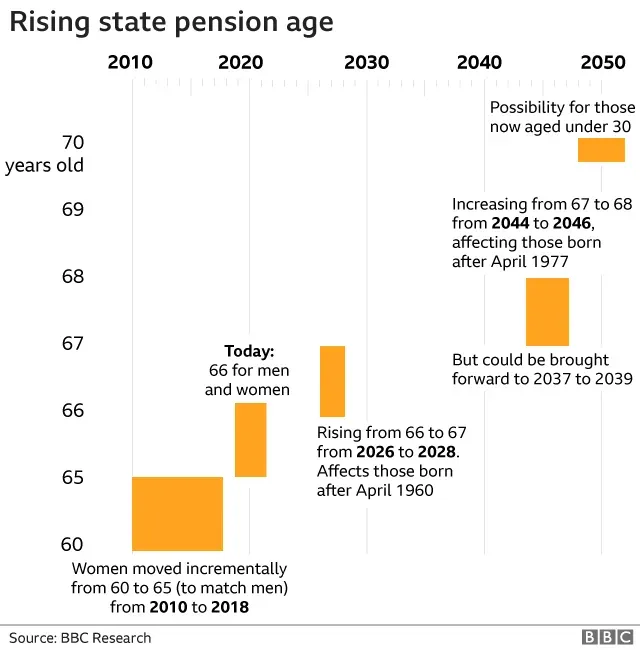
Moreover, changes to the state pension age continue to be a significant factor for retirees and future pensioners alike. With the state pension age set to rise to 67, individuals must anticipate this shift in their retirement planning processes. This change may require those approaching retirement to reconsider their savings strategies, potentially needing to work longer or save more aggressively in their private pensions to ensure a comfortable retirement income.
The Impact of New Pension Age Regulations
The adjustments to the state pension age represent one of the most substantial shifts in recent policy. As the state pension age gradually rises, it now stands at 67 for both genders, affecting various age groups differently. Particularly impacted are those born between April 6, 1960, and April 5, 1961, who may need to refine their retirement strategies as they navigate these changes. Understanding one’s specific pension age is crucial, as it will dictate when full entitlements can be accessed.
For many, this rise in state pension age necessitates a reassessment of financial strategies. Younger retirees may wish to evaluate the feasibility of delaying their retirement to maximize their state pension benefits, gaining a higher weekly income as a result of waiting until they reach the appropriate age. This option could lead to long-term financial stability, particularly as living costs continue to rise.
Evaluating Financial Contributions and Future Benefits
A key aspect of understanding the state pension is evaluating your National Insurance contributions, which directly affect the size of your pension upon retirement. For 2023, it becomes increasingly pertinent to actively track your contributions and ensure that you’re maximising your qualifying years. Consider reviewing your National Insurance record regularly to identify any gaps that may impede your entitlement, allowing for better preparation as you approach retirement.
Moreover, opting to enhance your contributions or purchasing ‘additional’ years can significantly impact your eventual entitlement. Strategies such as voluntary contributions can mitigate potential shortfalls in your pension provision, thus offering better financial security. As pension rules and entitlements continue to evolve, being proactive in managing your contributions is essential for future retirees.
Strategies for Adapting to State Pension Changes
With the anticipated changes in pension rules for 2023, retirees must focus on adaptive strategies to manage their retirement more effectively. One of the most significant recommendations is to boost savings in private or workplace pensions. This approach compensates for potential insufficiencies in state pension income, ensuring that retirees have sufficient funds to maintain their desired lifestyle.
Additionally, individuals considering delaying their state pension claims should weigh the benefits of deferring their payments. By postponing the claim, pensioners can earn an increase for each year they defer; this can result in a higher weekly pension, ultimately improving their financial stability during retirement. It’s critical to assess personal financial circumstances and make informed decisions about the timing of pension claims.
Consulting Financial Advisors for Retirement Planning
In the complex landscape of state pension and retirement planning, seeking guidance from financial advisors can be invaluable. Professional advice can help individuals navigate the intricacies of pension entitlements and the latest changes impacting their plans in 2023. Financial advisors can tailor recommendations based on individual circumstances, ensuring a holistic view to retirement strategy.
For many, the impact of delayed claims, changes in state pension entitlements, and adjustments to contribution strategies can be challenging to comprehend fully. Therefore, consulting an expert can illuminate potential avenues for enhancing pension income and safeguarding against future financial challenges. With the right support, individuals can confidently approach their retirement planning, taking proactive steps toward a secure financial future.
Frequently Asked Questions
What are the UK State Pension Changes 2023 regarding pension rates?
In 2023, the UK state pension rates increased in line with the Triple Lock guarantee. The New State Pension (NSP) rose to £203.85 per week, while the Basic State Pension (BSP) increased to around £156.20 per week, providing much-needed financial support for retirees.
How has the state pension age been affected by the pension changes in 2023?
The state pension age continues to rise in 2023, with both men and women reaching the age of 67 after completing specific milestones. Individuals born between April 6, 1960, and April 5, 1961, are particularly impacted by these adjustments.
What should future retirees consider regarding the UK State Pension Changes 2023?
Future retirees should assess their National Insurance contribution history, as this directly impacts their state pension payouts. Understanding the eligibility criteria and expected pension size is crucial for effective retirement planning.
What provisions are being introduced for unpaid carers in the context of UK State Pension Changes 2023?
The 2023 pension changes include new provisions aimed at better supporting unpaid carers, allowing them to claim pension contributions that they may have missed due to caregiving responsibilities, ensuring they are not disadvantaged in retirement.
How can one adapt their retirement planning due to the UK State Pension Changes in 2023?
To adapt to the state pension changes, individuals should consider boosting their private pensions, understanding the benefits of delaying their state pension claims, and seeking professional advice to navigate the complexities of their pension entitlements.
What financial strategies can help mitigate the impact of the state pension changes in 2023?
To mitigate the impact of the state pension changes in 2023, consider increasing your savings in private or workplace pensions, delaying your state pension claims for higher future payouts, and consulting with financial advisors for tailored retirement strategies.
| Key Points | Details |
|---|---|
| Overview of the UK State Pension | The pension provides financial support based on National Insurance contributions. Two main types: Basic State Pension (BSP) and New State Pension (NSP). |
| Increase in Pension Rates | State pension rates increased in 2023: NSP at £203.85/week and BSP at £156.20/week due to Triple Lock guarantee. |
| Changes to Pension Age | Pension age is now 67 for both men and women, affecting those born between April 6, 1960, and April 5, 1961. |
| Impact on Unpaid Carers | New provisions support unpaid carers missing pension contributions due to caregiving. |
| Review of Contracting Out Protections | Adjustments may occur for individuals who were contracted out of the Second State Pension based on NI contributions recalibration. |
| Adapting to Changes | Strategies to adapt include boosting savings, delaying claims for higher pension benefits, and seeking professional advice. |
Summary
The UK State Pension changes in 2023 have introduced pivotal updates that individuals approaching retirement or currently receiving pensions need to be aware of. Understanding these modifications is essential for navigating your financial future effectively. With the state pension rates increasing under the Triple Lock, adjustments to the pension age, and new support for unpaid carers, it’s crucial to re-evaluate your retirement plans to ensure you are on track for a secure financial future. By assessing your National Insurance contributions, planning for changes in retirement age, and considering professional advice, you can better prepare for these changes and make informed decisions that will benefit your retirement years.