Listen to this article
The Bank of England interest rates play a vital role in shaping the financial landscape of the United Kingdom, particularly in relation to mortgage rates that homeowners and buyers encounter. These interest rates influence not only the cost of borrowing but also determine how accessible UK mortgages are for the average consumer. When the Bank of England adjusts its base rate, it has significant implications for both fixed-rate and variable-rate mortgages, affecting everything from monthly payments to overall affordability. Understanding this connection is essential for anyone navigating the complexities of real estate finance. By staying informed on how changes in the Bank of England interest rates impact mortgage decisions, prospective buyers can make well-informed choices in their home-buying journeys.
When considering the impact of the UK’s central banking policies, the Bank of England’s monetary decisions are paramount, particularly regarding home financing options. The adjustment of interest rates by the BoE can greatly affect the prevailing mortgage market, including fixed and variable loan types. As lenders respond to these changes, the cost of real estate financing is inevitably influenced, which is crucial information for all potential homeowners. As such, understanding the dynamics of interest rate fluctuations and their broader economic implications is vital for anyone planning to enter the market or refinance existing loans. By appreciating these key economic factors, individuals can better navigate the complexities associated with securing a mortgage.
The Significance of Bank of England Interest Rates in the Mortgage Market
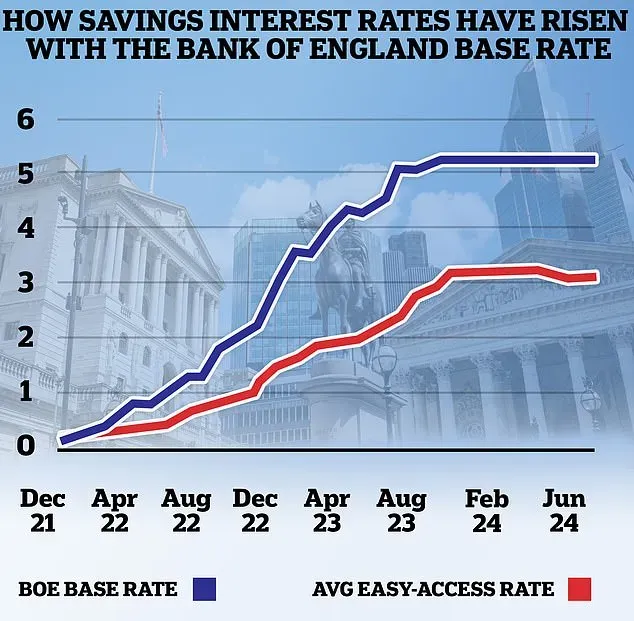
The Bank of England’s interest rates serve as the cornerstone for financial stability in the UK mortgage market. When the Bank Rate is adjusted, it sends ripples throughout the economy, particularly affecting how banks price their mortgage products. These rates directly influence borrowing costs for consumers, determining not only the affordability of homes but also the overall demand in the real estate sector. For potential homebuyers, understanding the implications of changes to the Bank Rate can mean the difference between securing a dream home or stretching finances too thin.
Moreover, the relationship between the Bank of England and mortgage rates is intertwined with macroeconomic factors. When the BoE lowers rates to combat economic stagnation, it typically means lower mortgage payments for homeowners and buyers alike. Conversely, when rates rise, it is often a reaction to inflationary pressures, which can result in higher mortgage rates, influencing affordability and home purchasing power. Staying informed about these changes is essential for anyone navigating the mortgage landscape.
Analyzing the Effect of Interest Rates on UK Mortgages
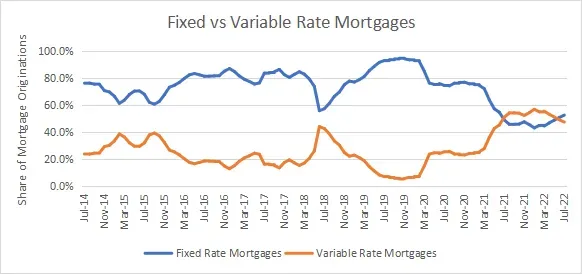
Interest rates are a crucial determinant in the UK mortgage landscape, affecting both fixed-rate and variable-rate mortgages. When interest rates rise, borrowers with fixed-rate loans are protected from immediate increases, enjoying stable payments even as new loans become more expensive. On the other hand, those with variable-rate mortgages may find themselves facing fluctuating payments, which can lead to financial strain during periods of rising rates. Therefore, the assessment of the Bank of England’s rates is essential for current and prospective homeowners.
The trends in mortgage rates can also reflect broader economic health. For instance, a decrease in interest rates may signal a sluggish economy, prompting the BoE to stimulate growth through lower borrowing costs. It’s important for borrowers to understand how these shifts not only affect current loan options but also pave the way for future mortgage possibilities. Whether seeking a mortgage now or considering remortgaging later, keeping a close eye on the interest rates set by the Bank of England provides valuable insights into the mortgage landscape.
Key Factors Impacting Bank of England Interest Rate Decisions
The Bank of England’s decisions regarding interest rates are influenced by various interconnected economic factors. Monitoring inflation trends is vital as the BoE often raises rates to curb excessive price hikes, which can protect the value of currency and, subsequently, purchasing power. Additionally, the economic growth rates provide a context for these decisions; rapid growth may lead to increased demand for loans and spending, prompting the Bank to adjust rates accordingly.
Unemployment rates also play a significant role in these deliberations. In times of high unemployment, the Bank may opt to lower rates to encourage borrowing and investment, attempting to stimulate economic activity. A comprehensive understanding of these factors enables borrowers to make well-informed mortgage decisions, based on the likelihood of upcoming rate changes and their potential impact on the real estate market.
Preparing for Future Mortgage Rate Adjustments
Given the Bank of England’s significant influence on mortgage rates, it is crucial for borrowers to prepare for potential rate changes. This entails not only tracking BoE announcements but also staying informed about economic indicators that could signal shifts in interest rates. By utilizing resources such as financial news platforms and the BoE’s official communications, prospective buyers can better time their mortgage applications.
Moreover, consulting with mortgage advisors can provide clarity on navigating the complexities of fixed and variable-rate products. Advisors can help borrowers understand their financial capabilities and the implications of various mortgage structures in the context of anticipated rate changes. Ultimately, being proactive and informed positions borrowers to capitalize on favorable market conditions when considering a mortgage.
The Pros and Cons of Fixed vs. Variable-Rate Mortgages
When choosing between fixed-rate and variable-rate mortgages, borrowers must carefully weigh their options in light of the Bank of England’s interest rates. Fixed-rate mortgages provide long-term security, as the interest rate remains unchanged for the duration of the loan. This stability is particularly beneficial during periods of rising rates, allowing homeowners to budget confidently without fear of increasing payments.
Conversely, variable-rate mortgages can offer attractive savings during times of low or declining interest rates. However, the inherent risk lies in potential rate hikes, which could lead to increased monthly payments. Thus, understanding the current economic climate and anticipated trends in Bank of England interest rates can guide borrowers in making the most suitable choice for their financial situation.
The Current Landscape of UK Mortgages and Economic Indicators
As of October 2023, the economic environment in the UK is marked by [insert current economic conditions such as inflation and employment rates]. This landscape, influenced by the Bank of England’s policies, presents unique challenges and opportunities for mortgage seekers. With interest rates currently set at [insert current interest rates], potential buyers must act strategically to determine the best course of action when considering mortgage options.
The pressing need for borrowers to understand how these economic conditions affect mortgage availability and affordability cannot be overstated. Engaging in detailed market research and consulting with financial professionals can equip homebuyers with the knowledge necessary to navigate these complexities effectively. As the UK real estate finance sector adapts to ongoing changes, informed decision-making remains paramount for securing favorable mortgage terms.
Frequently Asked Questions
How do Bank of England interest rates affect mortgage rates in the UK?
Bank of England interest rates directly influence mortgage rates in the UK. When the BoE raises its base rate, banks face higher borrowing costs, leading them to increase interest rates on new mortgage loans. Conversely, a decrease in the BoE’s rates typically results in lower mortgage rates, making home loans more affordable.
What impact do Bank of England interest rates have on variable-rate mortgages?
Variable-rate mortgages are affected directly by Bank of England interest rates. When the BoE adjusts its rates, the interest on variable-rate mortgages will fluctuate accordingly. If the rates rise, monthly payments on these mortgages could increase, while a decrease in the rates would lead to reduced payments.
How can changes in Bank of England interest rates influence financial stability in the mortgage market?
Changes in Bank of England interest rates impact financial stability by influencing borrowing costs and consumer spending. Higher rates may cool the housing market by making mortgages less affordable, while lower rates can stimulate demand, leading to potential overextension in real estate finance if not managed carefully.
What economic factors lead the Bank of England to change interest rates affecting UK mortgages?
The Bank of England considers several economic factors when adjusting interest rates, including inflation, economic growth, and unemployment rates. For instance, high inflation may prompt the BoE to raise rates to control consumer prices, which in turn affects the mortgage rates available to borrowers.
Should homeowners prefer fixed-rate mortgages in response to Bank of England interest rates?
Homeowners may benefit from fixed-rate mortgages when the Bank of England interest rates are low or expected to rise. A fixed-rate mortgage offers stability as the rate remains unchanged for a set period, protecting borrowers from potential future rate hikes.
How can prospective homebuyers prepare for fluctuations in Bank of England interest rates?
Prospective homebuyers should stay informed about Bank of England interest rate trends, consult with mortgage advisors, and regularly assess their financial situations. By understanding the economic landscape and BoE announcements, buyers can make timely decisions about locking in favorable mortgage rates.
| Key Points | Explanation |
|---|---|
| Bank of England Interest Rates | The Bank of England sets the base interest rate, which affects the overall mortgage rates offered by banks. |
| Impact on Mortgages | Higher Bank Rate typically leads to increased mortgage rates, while lower Bank Rate can result in reduced mortgage rates. |
| Economic Influences | Factors like inflation, economic growth, and unemployment influence the Bank of England’s rate decisions. |
| Preparing for Rate Changes | Homebuyers should stay informed, consult mortgage advisors, and assess financial situations regularly. |
| Fixed vs. Variable Mortgages | Fixed-rate mortgages provide certainty, whereas variable-rate mortgages can fluctuate with the Bank Rate. |
Summary
Bank of England interest rates play a critical role in the mortgage landscape, influencing how much potential homeowners pay for their mortgages. It is essential for prospective buyers to understand how fluctuations in these rates can shape their financial decisions. The connection between the Bank of England interest rates and mortgage affordability cannot be overlooked, as higher rates can increase borrowing costs, while lower rates can make purchasing a home more accessible. Thus, staying informed about economic indicators and consulting with financial experts will empower borrowers to navigate the mortgage maze more effectively.