Listen to this article
The recent UK State Pension changes are creating waves of interest, particularly for those planning for retirement in the UK. As the backbone of many retirees’ financial security, understanding these adjustments is vital for effective financial planning. With evolving policies affecting the state pension age and the amount payable, it is crucial to stay informed about UK pension updates. These changes not only impact pension contributions but also influence how individuals approach their retirement planning. This article aims to shed light on the latest alterations to the state pension system, exploring their significance and suggesting strategies to help secure your financial future.
Changes to the pension system in the UK are becoming increasingly important for anyone contemplating their retirement years. The adjustments to the government-funded retirement benefits influence not only when one can start receiving payments but also the amounts that will be distributed. As we delve into the future of pensions in the UK, it’s essential to be aware of how these developments interact with the broader landscape of financial planning for retirement. By grasping the nuances of the state pension scheme and related updates, you can better understand the implications for your long-term retirement strategy. This discussion will provide clarity on how to adapt to these transformations effectively.
The Current State of the UK State Pension System
The UK state pension system is currently undergoing various transformations aimed at adapting to the challenges posed by an aging population and changing economic conditions. Understanding the status and how it functions plays a vital role in ensuring optimal retirement financial planning. The state pension is made up of the basic state pension and the new state pension, which is applicable to individuals who reached state pension age after 6 April 2016. These pensions serve as a fundamental support system for many retirees, providing a source of income alongside personal savings and investments.
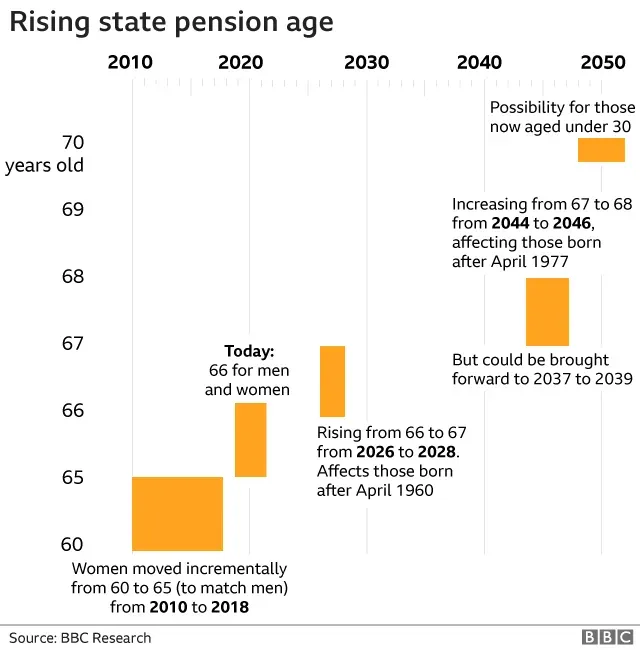
As life expectancy rises, the state pension age is also changing; those born after a certain date may face a later retirement age. Therefore, individuals need to consider how long they plan to work and how this aligns with their pension contributions and future benefits. The current regulations and payment structures are crucial knowledge for anyone planning retirement, allowing them to prepare effectively for their financial future.
Key Updates: UK State Pension Changes 2023
This year, significant revisions to the UK state pension system are making headlines. The government has announced plans to increase the state pension age from 66 to 67, aligning retirement age policies with demographic shifts. This change will affect those born in the early 1960s, making it imperative for individuals to be proactive in their retirement planning. As the eligibility age shifts, many people will need to reassess their financial strategies, perhaps opting to work longer or increase savings in private pension plans to ensure a comfortable retirement.
Equally important are the new state pension rates that often adjust annually based on economic factors such as inflation or wage growth. These changes are crucial as they directly impact the amount individuals can expect to receive upon reaching retirement age. Staying informed about these changes not only enhances financial knowledge but can vastly influence preparations and expectations for future income during retirement.
Understanding Your National Insurance Contributions
National Insurance contributions are the backbone of the state pension system in the UK, determining how much and when you will receive your pension. It’s essential for individuals to frequently check their National Insurance record to ensure that they have made sufficient contributions throughout their careers. The record helps ascertain eligibility for the full state pension amount, ensuring that individuals are not left short-changed upon retirement. Missing contributions due to gaps in employment or self-employment can severely impact pension income, making it vital for workers to monitor their records closely.
Moreover, understanding how to increase your National Insurance contributions can be beneficial. This includes making contributions during years of lower income or reviewing eligibility for Class 2 or Class 3 National Insurance contributions for self-employed workers. Making additional payments can potentially raise your future pension income, making each individual’s awareness of their obligations and entitlements critical to their financial planning for retirement.
Exploring Private Pension Options
As the state pension may not cover all financial needs in retirement, exploring private pension options becomes increasingly important. Private pensions come in two forms: defined benefit plans, which provide set amounts based on salary and length of service, and defined contribution plans, where the retirement income varies based on investment performance. Investing in private pensions can supplement the state pension, ensuring a more comfortable and secure financial future.
Furthermore, employer-sponsored pension schemes offer employees additional resources to enhance their retirement savings. Understanding the benefits of these plans and opting into them can significantly increase one’s overall retirement funds. Engaging in self-invested personal pension (SIPP) plans or other private investment opportunities can also further diversify income sources, ensuring financial stability as individuals transition into retirement.
Establishing Financial Goals for Retirement
Setting clear financial goals for retirement is crucial for effective retirement planning in the face of state pension changes. Individuals should assess their current lifestyles, anticipated expenses in retirement, and the income they expect from the state pension and private plans. This involves projecting future needs and determining the amount they need to save on a monthly basis, thereby ensuring they can maintain their desired quality of life post-retirement.
Additionally, having defined financial goals allows individuals to allocate resources effectively towards pensions and other investment opportunities. By reviewing spending habits and adjusting savings plans, individuals can better prepare for life after work. This planning not only minimizes financial stress but also helps in creating a structured approach to reaching retirement readiness.
The Future of Pensions in the UK
The outlook for pensions in the UK is continuously evolving as economic conditions, demographic shifts, and policy reforms come into play. Experts often express concerns over the future financial sustainability of the state pension scheme amid increasing life expectancy and growing financial pressures on the government. As a result, it is critical for individuals to stay informed regarding potential adjustments to pension policies that may affect their retirement plans.
Moreover, the introduction of new pension regulations and initiatives aimed at altering National Insurance contributions and private pension incentives marks a significant shift in the pensions landscape. Awareness of these changes is essential, allowing individuals to adapt their financial strategies accordingly. Engaging with financial advisors and resources related to the future of pensions will empower individuals to take informed steps toward securing their retirement.
Frequently Asked Questions
What are the recent changes to the state pension age in the UK?
The state pension age in the UK has been increasing, with the current threshold set at 66 for both men and women. Plans are in place to raise the state pension age to 67 by 2028, impacting how individuals plan for retirement. It’s crucial to know your state pension age to strategize your financial future.
How do the UK state pension increases affect retirement planning?
Each April, the UK government announces an increase in the state pension, which may be linked to average earnings, inflation, or the consumer prices index (CPI). Staying updated on these increases is vital for effective financial planning for retirement, as it can influence your overall income during retirement years.
What impact did recent changes to National Insurance have on state pension contributions?
In 2022, the UK government raised National Insurance contributions, which means that those earning higher salaries will contribute more to their pension funds. While this change strengthens the pension system long-term, it may temporarily reduce your take-home pay, affecting your immediate financial planning.
How can I check my National Insurance record for state pension eligibility?
You can verify your National Insurance contributions via the UK government website. This record is crucial for understanding your entitlement to the state pension amount, which can significantly influence your retirement strategy and financial planning.
Why is it essential to consider private pensions alongside the state pension in the UK?
The state pension alone may not be sufficient to support your lifestyle during retirement; therefore, integrating a private pension plan is advisable. Supplementing your state pension with employer-sponsored or personal pension plans can create additional income streams, ensuring financial stability after retirement.
How can I stay informed about UK state pension changes and updates?
Regularly check official government releases, financial news outlets, and reliable financial blogs for the latest information on UK pension updates. Being proactive and informed will help you adapt your financial strategy effectively and prepare for any legislative changes impacting your state pension.
| Key Point | Details |
|---|---|
| Introduction to UK State Pension Changes | Understanding the evolving state pension system is crucial for retirement planning. |
| Types of UK State Pensions | The basic state pension and the new state pension are the two main types. |
| Age Threshold Increase | Currently, the state pension age is 66, increasing to 67 by 2028. |
| New Pension Rates | Pension rates typically increase annually based on earnings or inflation. |
| National Insurance Changes | Increased contributions may enhance pension funds but affect take-home pay. |
| Financial Planning Tips | Verify NI record, consider private pensions, set financial goals, and seek advice. |
Summary
UK State Pension Changes are essential to understand as they significantly impact financial stability during retirement. With recent shifts in eligibility ages, pension rates, and National Insurance contributions, it’s crucial for individuals nearing retirement to stay informed and proactively plan their finances. By checking contributions, exploring private pension options, and setting clear financial goals, retirees can successfully navigate the complexities of the current pension landscape. Ultimately, being aware of the UK state pension changes not only prepares you for what to expect but also empowers you to take control of your financial future.