Listen to this article
Inflation insurance premium increases have become a pressing concern for consumers navigating the challenging economic landscape in the UK. As inflation surges, insurance rates are adjusted accordingly, impacting everything from home and auto to health and life insurance. This shift reflects the broader inflation impact on insurance, where rising costs are passed onto policyholders in the form of higher premiums. Consequently, many British consumers are feeling the squeeze, as the rise in insurance premiums lays an additional burden on already strained household budgets. In this article, we will delve into the intricate relationship between inflation and insurance rates in the UK, providing insights into how these changes affect consumers across the country.
The phenomenon of escalating insurance costs, particularly in the context of rising inflation, is proving to be a significant challenge for many. With the persistent increases in prices affecting a wide array of sectors, insurance companies are compelled to recalibrate their premiums to cover inflated operational and claim costs. This rise in insurance premiums reflects a broader trend marked by shifts in consumer insurance across Britain, as policyholders wrestle with the financial implications of these necessary adjustments. As households adapt to these economic pressures, understanding the nuances of how inflation influences their insurance choices becomes paramount. Here, we will explore how these developments shape the experiences of consumers while shedding light on their responses to this economic reality.
The Fundamentals of Inflation in the UK Insurance Market
Inflation plays a significant role in determining the landscape of insurance rates in the UK. As the cost of living increases, so do the expenses associated with providing insurance services. This rise in operational costs impacts insurers, leading them to adjust their rates accordingly. In particular, the insurance rates for homes, cars, and other assets must reflect the increasing cost of repairs and replacements, driven by inflation. By understanding how these economic principles work, consumers can better anticipate their insurance premium changes.
Moreover, the inflation impact on insurance often correlates with broader economic factors. Analyzing trends such as supply chain disruptions and energy price fluctuations provides insights into why premiums rise. These factors cause insurers to reassess their risk assessments and pricing strategies, leading to an overall increase in insurance premiums across the board.
The Relationship Between Inflation and Operational Costs for Insurers
As operational costs for insurers escalate due to inflation, the effects resonate throughout the insurance industry. Insurers face rising maintenance costs, employee wages, and technological investments, all of which are crucial for delivering competitive insurance products. This financial burden prompts insurance companies to raise premiums as a necessary step to maintain profitability and service quality without compromising customer care.
For consumers, understanding this connection between inflation and operational costs is vital. As the prices for essential services increase, they can expect equivalent adjustments to their insurance premiums. Thus, anticipating inflationary trends can empower consumers when reviewing insurance policies, giving them the tools to navigate potential future expenses.
Adjusting Coverage in Response to Rising Insurance Premiums
In a climate of increasing insurance premiums, it becomes essential for consumers to regularly evaluate their coverage needs. Some may feel the urge to scale back their policies or opt for higher deductibles as a means of managing rising costs. However, this approach can lead to underinsurance risks; if an unexpected event occurs, individuals might find themselves financially exposed.
Insurance professionals often advise consumers to assess not only their current coverage but also potential future claims. This proactive approach provides opportunities for better financial protection despite the inflation insurance premium increases. Additionally, consumers should consider comparing different policies to find the best options that fit their changing financial situation.
The Effects of Claims Experience on Insurance Rates
Higher inflation rates typically correlate with a rise in claims experiences for insurers. As repair and replacement costs soar, insurers face an increased volume of claims that stress their financial frameworks. This, in turn, can prompt a reevaluation of premium structures, compelling insurers to boost prices to preserve their loss ratios.
Moreover, understanding the dynamic between claims experiences and insurance premium rises is crucial for consumers. When major claims events lead to an uptick in payouts, insurers often look to realign their business models, resulting in heightened premiums. Thus, consumers should stay informed about broader economic trends and their potential impacts on claims processing and overall insurance costs.
Policy Adjustments: The Long-term Implications of Inflation
Adapting insurance policies to reflect inflation rates can be a complex but necessary step for consumers. Policies established during periods of low inflation may no longer serve their intended purposes effectively when viewed in light of rising inflation. Therefore, insured parties may find themselves underinsured or overpaying for coverage that no longer meets their needs.
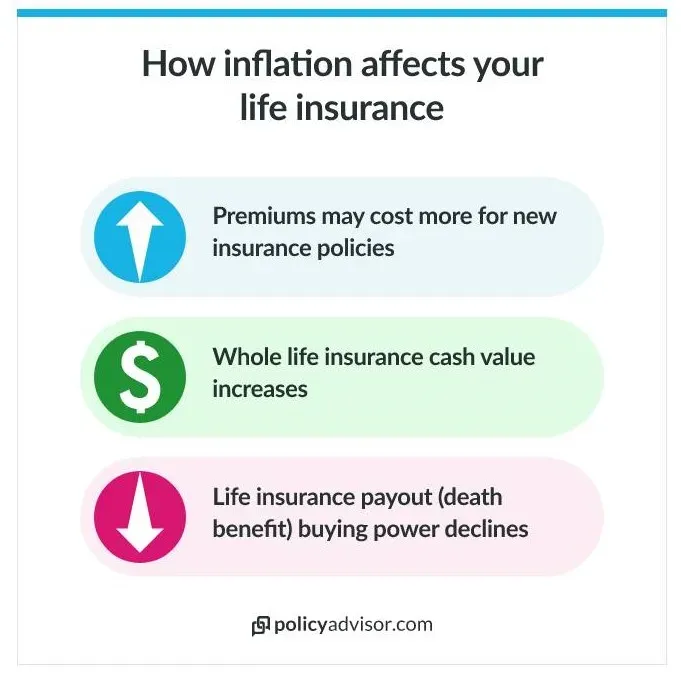
Long-term policies, such as life insurance, also display distinct implications due to inflation. Those who purchased policies based on previous inflation rates might need to reevaluate their terms and conditions to ensure they meet current economic realities. By proactively addressing these issues, consumers can secure their financial futures while navigating volatile economic landscapes.
Tips for Consumers Facing Rising Insurance Costs
As inflation continues to increase, consumers may feel overwhelmed by rising insurance premiums and their impacts on overall budgets. However, there are effective strategies to manage insurance costs. Firstly, reviewing and comparing insurance policies regularly helps consumers identify better deals that can mitigate the effects of inflation. This not only assists in finding competitive rates but also helps individuals reassess their coverage needs in light of current economic conditions.
Additionally, bundling different insurance products is another smart way to alleviate financial strain. Many insurers offer discounts for customers who consolidate policies like auto and home insurance. By harnessing these strategies, consumers can maintain adequate coverage while counteracting inflation insurance premium increases.
Frequently Asked Questions
How does inflation impact insurance premiums in the UK?
Inflation leads to increased operational costs for insurers, which can cause a rise in insurance premiums. Since insurers face higher expenses for claims and operational activities, they often pass these costs onto consumers through increased insurance rates.
Are insurance rates in the UK expected to continue rising due to inflation?
Yes, as inflation persists, the UK is likely to see further increases in insurance rates. This trend will be influenced by the continuing rise in costs associated with claims, reinsurance, and operational expenses for insurance companies.
What can consumers do about rising insurance premiums due to inflation?
Consumers facing rising insurance premiums can review and compare policies, consider increasing deductibles, bundle different insurance products for discounts, and maintain a good credit score to potentially lower their insurance costs amidst inflation.
Do long-term insurance policies consider inflation insurance premium increases?
Yes, long-term insurance policies may be reassessed due to inflation insurance premium increases. If premiums are originally set in a low-inflation environment, insurers might adjust them during renewal to ensure they account for the loss of purchasing power.
How do replacement values affect the rise in insurance premiums?
Inflation causes replacement costs for properties and goods to increase, necessitating higher insurance coverage. Insurers adjust premiums to reflect these inflated replacement values, leading to a rise in insurance premiums for consumers.
What role does reinsurance play in inflation affecting insurance premium increases?
Reinsurance costs rise with inflation, prompting primary insurers to increase premiums for their policies. This is due to the higher expenses associated with securing reinsurance to mitigate risks, which ultimately affects the premiums consumers face.
| Key Points | Details |
|---|---|
| Understanding Inflation | Inflation is the general rise in prices and drop in currency purchasing power, driven by factors such as supply chain disruptions and rising energy costs. |
| Operational Costs | Insurers face rising operational costs and claims, leading to increased premiums for profitability. |
| Inflated Replacement Values | Property values must match inflation, leading insurers to adjust premiums to avoid underinsurance. |
| Premium Rates on Long-term Policies | Long-term policies issued during low inflation periods may become inadequate as inflation rises, prompting premium reassessment. |
| Reinsurance Costs | Higher inflation raises costs for reinsurance, causing insurers to pass on these costs through increased premiums. |
| Claims Experience | Increased cost of repairs due to inflation results in higher claims impacting loss ratios and prompting premium increases. |
| Consumer Responses | Consumers can combat rising costs by reviewing policies, increasing deductibles, bundling, and maintaining good credit. |
Summary
Inflation insurance premium increases are significantly impacting consumers across the UK, potently affecting various types of insurance such as home, car, and health. With the ongoing economic pressures, understanding how inflation influences insurance rates is vital for consumers. Increasing operational costs for insurers, higher claims experiences, and the need to maintain adequate property values contribute to the necessity for increased premiums. Consequently, consumers must adopt proactive strategies, such as regularly reviewing insurance policies and considering higher deductibles, to navigate these changes effectively and ensure financial security against inflationary pressures.