Listen to this article
In recent times, lower UK mortgage rates have emerged as a beacon of hope for homebuyers and homeowners alike, making it an ideal moment to explore financial options. With the Bank of England’s efforts to reduce interest rates, many individuals are now able to reassess their mortgage situations and seize the benefits this shift presents. This blog post will provide insightful UK mortgage tips on how to take full advantage of these competitive rates, whether you are contemplating remortgaging or looking into fixed-rate mortgages. Moreover, strategies such as equity release mortgage options and insights into government mortgage schemes will be explored, empowering you to make informed decisions. By understanding the landscape of lower mortgage rates, you can position yourself to maximize savings and investments in property.
Entering the realm of affordable borrowing, the latest decrease in mortgage rates in the UK signifies a crucial opportunity for those considering property investments. This shift has not only made homeownership more accessible but has also prompted many to think about refinancing existing mortgages. In this context, exploring alternatives like locked-in fixed-term home loans can provide security against fluctuating interest rates. Additionally, the potential benefits of utilizing equity in your home through remortgaging or exploring government schemes designed for first-time buyers are worth considering. As the mortgage market evolves, recognizing these options can play a pivotal role in enhancing financial stability.
Maximizing Savings with Lower UK Mortgage Rates
With the recent decline in UK mortgage rates, many homeowners have the chance to significantly reduce their monthly payments and save money over the long term. By closely assessing your current mortgage structure and exploring options like remortgaging, you could unlock a more favorable rate, leading to substantial savings. Lower mortgage rates not only reduce the financial burden but can also free up cash for other important investments or savings plans.
Additionally, taking advantage of these lower rates can provide homeowners with the opportunity to upgrade or renovate their properties without putting a financial strain on their budgets. It is essential to evaluate not just the immediate savings but also the long-term financial implications, such as the potential for faster repayment and accumulation of less interest over time.
The Importance of Remortgaging in a Low-Rate Environment
Remortgaging from an existing mortgage to a new loan with lower interest rates can be a powerful strategy for homeowners looking to save money. This process allows individuals to capitalize on improved lending conditions, especially when current rates dip below those of their existing agreements. Additionally, remortgaging can also facilitate accessing equity release for home improvements or to consolidate debts.
Before remortgaging, it’s crucial to thoroughly assess the terms of your existing mortgage and evaluate potentially hidden costs like early repayment fees. Making informed decisions through research and consultation with a mortgage advisor will ensure that the remortgaging process is advantageous rather than burdensome.
Shifting to Fixed-Rate Mortgages: A Smart Move
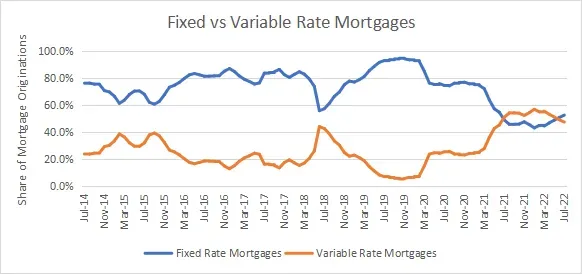
Switching to a fixed-rate mortgage amidst falling interest rates provides a valuable safeguard against future fluctuations. With the uncertainty of the economy, a fixed-rate option can offer peace of mind by locking in a stable payment that won’t change, no matter what happens with market rates. This predictability helps in budgeting and financial planning, making it easier to manage household expenses.
Furthermore, fixed-rate mortgages come with varied term options, allowing borrowers to choose based on their long-term financial goals. Investing time in comparing lenders and their offerings is essential to finding a fixed-rate plan that aligns with personal circumstances and optimizes savings.
Equity Release Mortgages: Unlocking Property Wealth
Equity release mortgages offer a viable solution for homeowners to access the capital tied up in their property. As property values increase, owners may find themselves in a position where they can release equity for various uses—ranging from home renovations to funding retirement plans. This option is particularly advantageous for those who wish not to sell their homes but still want to benefit financially from their investment.
When considering equity release, it’s essential to weigh the potential risks, such as affecting inheritance and the overall impact on future financial stability. Consulting with experts in mortgage options will provide clarity and ensure that you are making informed decisions.
Government Mortgage Schemes: Capitalizing on Available Support
The UK government provides various mortgage schemes aimed at facilitating home ownership and making mortgages more accessible. First-time buyers can benefit from schemes like Help to Buy, which allows individuals to enter the property market with a smaller deposit, effectively making homeownership more attainable. These schemes can be particularly beneficial in a climate of rising property values.
Additionally, for those looking to invest in rental properties, government-backed buy-to-let mortgages come with terms designed to encourage investment. Understanding these opportunities could make a significant difference in achieving homebuyer goals, while also promoting financial growth.
Essential Homebuyer Tips for Navigating Lower Rates
Navigating the mortgage landscape can be daunting, especially for first-time buyers. It’s vital to have a clear understanding of homebuyer tips, which include assessing affordability, calculating potential mortgage repayments with varying interest rates, and thoroughly investigating the terms of any mortgage offers. Knowledge of the current market trends can significantly influence your decision-making process.
Clearing any existing debts and maintaining a strong credit score can also improve your chances of securing a favorable mortgage deal. It helps to be proactive in educating yourself about the mortgage process and seeking expert financial advice.
Frequently Asked Questions
What are the benefits of lower UK mortgage rates for first-time buyers?
Lower UK mortgage rates provide first-time buyers with an opportunity to secure larger loans for their property purchase at a more affordable cost. With reduced monthly payments, buyers can allocate more of their budget toward homeownership. In addition, lower rates combined with government mortgage schemes can facilitate entry into the housing market with smaller deposits.
How can remortgaging help take advantage of lower UK mortgage rates?
Remortgaging allows homeowners to switch their current mortgage to a new deal at lower UK mortgage rates. This can significantly reduce monthly repayments and free up funds for other investments or improvements. By carefully evaluating existing terms and potential penalties, homeowners can benefit financially from this strategy.
What should I consider when switching to a fixed-rate mortgage during lower UK mortgage rates?
When switching to a fixed-rate mortgage amidst lower UK mortgage rates, consider the duration of the fixed term that suits your future plans, especially if you intend to stay in your property long-term. Assess current rates offered and whether locking in a fixed rate now can safeguard you against potential future increases.
How does equity release mortgage work in relation to lower UK mortgage rates?
An equity release mortgage allows homeowners to access the capital tied up in their property. With lower UK mortgage rates, borrowing against this equity can be more economical, enabling homeowners to fund renovations or other expenses while keeping monthly repayments manageable.
What government mortgage schemes are available to make the most of lower UK mortgage rates?
The UK government offers various mortgage schemes like Help to Buy and Shared Ownership. These initiatives are particularly beneficial during periods of lower UK mortgage rates, helping buyers reduce the financial burden of deposits and make property purchases more attainable.
How important is a good credit score in securing lower UK mortgage rates?
A good credit score is essential in securing lower UK mortgage rates, as lenders view applicants with strong credit history as lower risk. Maintaining timely bill payments and managing credit responsibly can significantly improve your chances of obtaining favorable mortgage terms.
| Key Points | Details |
|---|---|
| Understanding Current Mortgage Rates in the UK | Mortgage rates have significantly declined due to measures by the Bank of England amid post-COVID-19 economic recovery. |
| Assess Your Current Mortgage Situation | Analyze your current mortgage to determine if remortgaging at lower rates could save you money. |
| Shop Around for the Best Rates | Use online comparison tools and consult mortgage brokers to find the best deals available. |
| Consider Switching to a Fixed-Rate Mortgage | Switching to a fixed-rate mortgage can offer stability against future rate hikes. |
| Remortgage to Release Equity | Remortgaging can help you release equity for home improvements or investments, but consider associated costs. |
| Take Advantage of Government Schemes | The UK government provides schemes like Help to Buy to assist buyers, especially first-time buyers. |
| Maintain a Good Credit Rating | A strong credit score will help in securing lower mortgage rates from lenders. |
| Be Prepared for Additional Costs | Budget for costs like stamp duty, legal fees, and valuation fees when buying or remortgaging. |
| Seek Expert Advice | Consider consulting mortgage advisors to navigate complex options and tailor decisions to your situation. |
Summary
Lower UK mortgage rates offer a tremendous opportunity for both potential homebuyers and current homeowners to enhance their financial conditions. The decrease in mortgage rates allows individuals to reassess their mortgage options and potentially save on payments. By examining your current mortgage situation, comparing offers, and considering fixed-rate options, you can capitalize on these lower rates effectively. It’s important not only to evaluate your position but also to seek expert advice, which can uncover further financial advantages. As the mortgage market is susceptible to fluctuations, acting promptly to take advantage of these lower UK mortgage rates can yield significant long-term savings.