Listen to this article
In the ever-evolving UK mortgage rates landscape, the dynamics has become a focal point for potential homebuyers and investors alike in 2023. With fluctuations stemming from economic pressures and the Bank of England’s adjustments, these rates have a significant impact on the housing market. Understanding how UK mortgage rates influence property demand and buyer behaviors is crucial for navigating the current UK property market. As trends reveal a shift in affordability and purchasing strategies, prospective buyers must stay informed to make astute decisions. With housing market predictions in flux, the relationship between UK mortgage rates and industry trends continues to shape the broader economic picture.
As the dialogue about mortgage borrowing gains momentum in the UK, the current economic climate extensively influences how individuals approach home purchasing. With interest rates impacting the affordability of loans, understanding these financial variables is fundamental for buyers in 2023. The intersection of lending rates and consumer behavior, coupled with broader housing trends, reflects the ongoing transformation of the property landscape. Additionally, the response of the housing market to changes in financial conditions highlights the importance of strategic planning for potential homeowners. This nuanced understanding of mortgage metrics allows one to navigate the complexities of buying a home in today’s environment.
Understanding Current UK Mortgage Rates in 2023
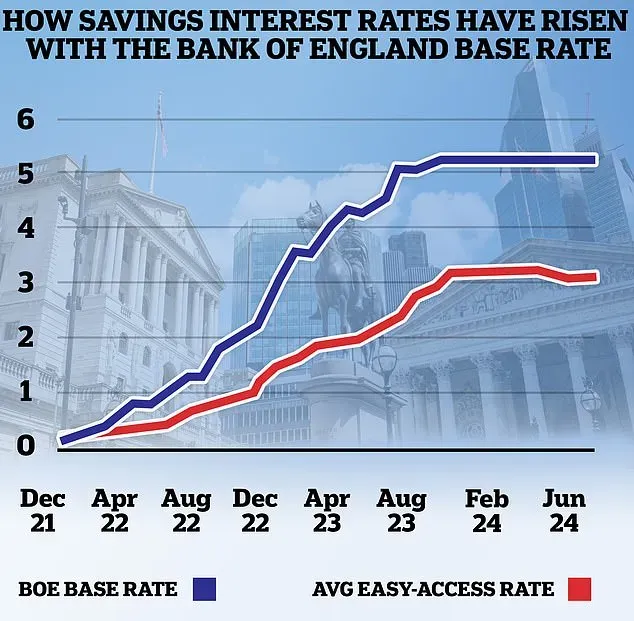
In early 2023, the landscape of UK mortgage rates has shown a noticeable shift towards stabilization after a tumultuous period of volatility that characterized much of 2022. The rates have significantly decreased from the peaks seen late last year, where economic pressures pushed interest rates to unprecedented levels. Now, mortgage products are primarily ranging between 3.5% to 5%, influenced by both market dynamics and deliberate adjustments from the Bank of England. This reduction has provided some relief to homebuyers, yet they still find themselves contending with higher costs compared to the historical lows experienced in the previous years.
As the economy continues to settle from past disruptions, potential buyers are closely monitoring these rates. The looming question for many remains how long this stability can last and what will affect these movements in the property market. With inflation still a concern and global economic uncertainties persisting, analysts suggest that mortgage rates could fluctuate, influencing home buying decisions significantly. In this climate, understanding the intricate details of mortgage offerings, such as fixed versus variable rates, becomes imperative for those looking to make prudent financial choices.
The Influence of Rising UK Mortgage Rates on Property Demand
The correlation between rising mortgage rates and property demand is becoming increasingly evident in 2023. As rates inch higher, many potential buyers—especially first-time homeowners who typically depend on lower rates to make purchases affordable—are feeling the pinch. This tightening of affordability leads to a decline in demand, as many prospective buyers are compelled to reassess their financial situations, causing them to either delay purchases or withdraw from the market altogether. Consequently, we’re witnessing a sluggishness in transactions across various segments of the housing market.
Interestingly, while property demand appears to be dipping, it is essential to recognize that the overall need for housing remains robust. Factors such as limited inventory of homes entirely for sale maintain the dynamic—albeit reduced—interest in buying, as people still seek out housing despite economic pressures. Thus, while rising mortgage rates complicate the dynamics of homeownership, they also highlight the ongoing challenges within the broader UK property market, where supply constraints continue to underpin demand.
Shifts in Mortgage Types Amid Changing Economic Conditions
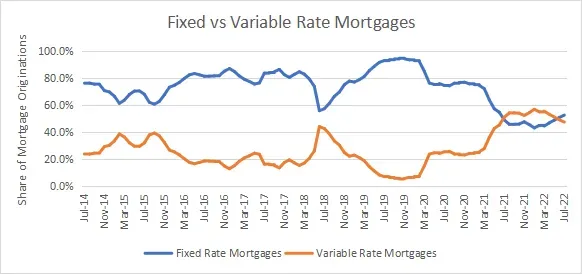
In the face of fluctuating UK mortgage rates, buyer preferences regarding mortgage types have undergone notable changes. In 2023, an increasing number of homebuyers are gravitating towards fixed-rate mortgages. This shift is largely driven by a desire for financial stability amid economic uncertainty, where many seek to secure predictable monthly payments against potential future rate hikes. The fixed-rate mortgage offers peace of mind during a period characterized by market unpredictability.
On the flip side, products like tracker and variable rate mortgages, which traditionally attract buyers with lower initial rates, are experiencing a downturn in popularity. As economic conditions evolve, many buyers have grown wary of entering into agreements that could lead to rising payments down the line. Thus, the heightened appeal of fixed-rate options indicates a broader trend of buyers prioritizing long-term stability over initial cost savings, reflecting a calculated approach to home financing in 2023.
Regional Variations in the UK Housing Market: A 2023 Perspective
The impacts of mortgage rate changes are not uniformly felt across the UK; rather, they manifest differently in various regions. Urban centers, notably London, have recorded a distinct cooling in property demand. This shift is attributed to the combination of rising mortgage costs and the preferences redefined by the pandemic, where many buyers are now seeking larger homes outside bustling metropolitan areas. As home listings increase in these urban locales, we witness a slowdown in price growth that contrasts sharply with the robust demand still present in suburban and rural markets.
Conversely, regions in the North West and Yorkshire are seeing continued interest from buyers, who are attracted by relatively lower property prices and more spacious homes compared to the south. The North-South divide becomes increasingly significant in understanding how different localities react to the current economic climate, highlighting that while some markets exhibit stagnation, others are thriving due to different demographic shifts and economic opportunities.
Future Outlook: Predicting Mortgage Rates and Housing Market Trends
Looking beyond 2023, there are mixed predictions about the trajectory of UK mortgage rates. Industry analysts are cautiously optimistic that rates may gradually decline, driven by a cooling inflation rate and responsive measures from the Bank of England. This potential reduction in rates could spark renewed interest from buyers, encouraging a resurgence in home purchases as consumer confidence improves. However, the pathway is fraught with unpredictability, influenced by global economic conditions and geopolitical factors that may continuously impact this delicate balance.
Moreover, as the housing market continues to evolve amid fluctuations in mortgage rates, buyers must remain vigilant and informed. Ongoing economic indicators will play a crucial role in shaping decisions—not only for potential homeowners but also for investors in the property sector. As they navigate this landscape, understanding the interplay between economic conditions and mortgage products will be key for anyone looking to partake in the UK property market in the near future.
Homebuyer Strategies for Navigating the 2023 Market
For anyone looking to enter the home buying market in 2023, a strategic approach is essential given the current economic landscape. It’s critical for prospective buyers to consider all available mortgage options rather than settling for the first one they encounter. A comprehensive comparison of fixed, variable, and bespoke mortgage products can save considerable amounts in interest payments, allowing buyers to make the most informed decisions regarding their financial future.
Additionally, consulting with a mortgage advisor can significantly demystify the complexities of the mortgage landscape. With rapidly changing rate environments, an expert can provide guidance tailored to specific needs, helping buyers identify the best available deals. Staying informed about economic trends relative to mortgage rates equips potential homeowners to seize opportunities and strengthen their bargaining position within this competitive market.
Frequently Asked Questions
How are UK mortgage rates impacting the housing market in 2023?
In 2023, UK mortgage rates are significantly influencing the housing market by affecting affordability. With rates ranging from 3.5% to 5%, many prospective buyers, particularly first-time homeowners, are facing challenges in securing funds. This has led to a slowdown in property demand, particularly in urban areas, even as a shortage of available properties supports pricing resilience.
What trends in UK mortgage rates should home buyers be aware of in 2023?
Home buyers in 2023 should note a shift towards fixed-rate mortgages amidst the fluctuating UK mortgage rates. As buyers seek stability against rising inflation, fixed-rate products are becoming more popular compared to tracker and variable rate mortgages, which carry the risk of rate hikes after the initial fixed term.
How do current UK housing trends reflect the changes in mortgage rates?
Current UK housing trends showcase a cooling in demand in cities like London, attributed to the rising mortgage rates. While urban demand is stalling, rural and suburban markets continue to see strong interest due to affordability and changing buyer preferences for more space, driven by the pandemic.
What is the impact of UK mortgage rates on property demand?
UK mortgage rates directly impact property demand, with rising rates leading to decreased affordability for buyers. As a result, many potential homeowners are opting to postpone their purchases, contributing to a notable slowdown in transactions and ultimately affecting home price growth.
What are the strategies for home buyers considering UK mortgage rates in 2023?
In the face of changing UK mortgage rates, home buyers should consider evaluating all mortgage options for the best rates, looking for portable mortgage terms, consulting mortgage advisors, and staying informed about economic indicators to ensure they make educated decisions in their home purchase.
What does the future hold for UK mortgage rates and the housing market?
Looking forward, analysts predict that UK mortgage rates may gradually decline as inflation levels stabilize. Should this occur, it could lead to increased buyer activity and renewed interest in the housing market. However, continued vigilance is necessary due to potential economic fluctuations that could alter rate trends.
| Key Point | Details |
|---|---|
| Current UK Mortgage Rates | Mortgage rates in early 2023 range from 3.5% to 5%, stabilized from the previous year’s peaks. |
| Impact on Housing Demand | Higher mortgage rates are reducing property demand, particularly among first-time buyers. |
| Mortgage Type Preferences | Rising rates have led to more buyers opting for fixed-rate mortgages for their stability. |
| Regional Market Variations | Urban markets are cooling while rural areas still have strong demand due to shifting buyer preferences. |
| Future Rates Outlook | Predictions suggest potential downward trends in UK mortgage rates as inflation stabilizes. |
| Homebuyer Strategies | Consider options, consult advisors, and act quickly to navigate the mortgage landscape. |
Summary
UK mortgage rates are presently a pivotal factor influencing the housing market. As mortgage rates stabilize after a turbulent period, homeowners and potential buyers are keenly assessing the implications for their property investments. Although higher rates diminish affordability and dampen demand, fixed-rate mortgages are gaining popularity as buyers seek stability in uncertain economic conditions. The housing market demonstrates regional disparities, with urban areas feeling a cooling effect while rural settings remain robust. Looking forward, if inflation decreases, UK mortgage rates could trend downwards, reigniting buyer interest. Remaining informed and strategic is essential for navigating this evolving landscape.