Listen to this article
In the UK, loan interest rates are influenced by a myriad of factors that every borrower should understand as they navigate their financial decisions. With current loan rates responding to shifts in the economy, particularly as dictated by the Bank of England’s base rates, consumers can feel the direct impact on their borrowings, whether for mortgages or personal loans. As inflation remains a pressing concern, trends in mortgage rates are likely to correlate strongly with the overall UK economic outlook, pushing rates higher in 2024. Understanding these nuances, including recent surges in personal loan interest rates and the message of the Monetary Policy Committee (MPC), is crucial for anticipating how these changes will affect individual financial planning. Staying informed allows borrowers to make smarter choices in this fluctuating climate.
The dynamics of borrowing in the UK revolve around interest rates, which determine the cost of loans for consumers and businesses alike. As we dissect the emerging patterns of loan costs, we find that the economic climate is pivotal in shaping these financial indicators. Not only do variations in the Bank of England’s monetary policy dictate current lending rates, but they also signal responsive trends in housing financing, personal credit options, and investment opportunities. As the economic landscape shifts, understanding the implications for borrowers will be essential in strategizing financial commitments effectively. Consequently, staying abreast of mortgage developments, personal borrowing conditions, and market competition will empower individuals to optimize their borrowing experiences.
An Overview of Current Loan Rates in the UK
As of late 2023, the landscape of current loan rates in the UK has transformed significantly due to various economic pressures. Following several base rate increases set by the Bank of England, financial institutions have begun to adjust their interest rates accordingly. This adjustment has resulted in higher rates for mortgages and personal loans, affecting how consumers approach borrowing. Homebuyers and individuals seeking personal loans must now account for an uptick in interest costs, which could shape their financial decisions.
The implications of these current loan rates are especially concerning for prospective homeowners looking to enter the market. With many lenders offering mortgage rates above 3%, the affordability of purchasing a home has become more challenging. Potential buyers need to carefully assess their options and budget for increased monthly payments while also considering fixed-rate products to avoid the volatility associated with variable rate loans.
Impact of Bank of England Rates on Loans
The Bank of England’s base rate serves as a benchmark for lenders when setting their loan interest rates. An increase in the base rate usually results in higher borrowing costs for consumers, as banks pass on these costs to their customers. This means that when the Monetary Policy Committee (MPC) raises interest rates to combat inflation, borrowers across the UK can expect to feel the pinch in their monthly payments. Consequently, understanding the direct correlation between the Bank of England rates and loan costs is crucial for any potential borrower.
Moreover, fluctuations in the bank rates can lead to significant changes in the lending landscape. For those currently holding variable-rate loans, these adjustments can lead to unpredictable increases in repayment amounts. Therefore, borrowers should keep an eye on the central bank’s decisions and anticipate how changes in monetary policy may affect their financial commitments and lending strategies for the near future.
Mortgage Trends in the UK: What to Expect
Mortgage trends in the UK are heavily influenced by various factors, including economic indicators and consumer behavior. As we move deeper into 2024, industry experts predict that lenders will continue to impose stricter lending criteria in response to the higher loan interest rates. This means that potential homebuyers might face more challenges in qualifying for mortgages, particularly if their financial profiles do not meet the increased requirements.
Additionally, the trend of higher mortgage rates can lead to a shift in consumer preferences, with many borrowers gravitating towards fixed-rate mortgages for stability. This preference arises from a desire to lock in rates amidst the uncertainty of future changes. Therefore, while the trends indicate rising costs, they also present an opportunity for borrowers to reassess their strategy and consider long-term financial implications.
Understanding Personal Loan Interest Rates
Personal loan interest rates are adapated to reflect the economic climate and prevailing trends in lending. Currently in the UK, there is an upward trajectory for these rates, driven by the overall economic conditions set by the Bank of England and inflation. Borrowers seeking personal loans will notice that many lenders have adjusted their rates, making it crucial for individuals to shop around to find the most competitive offers.
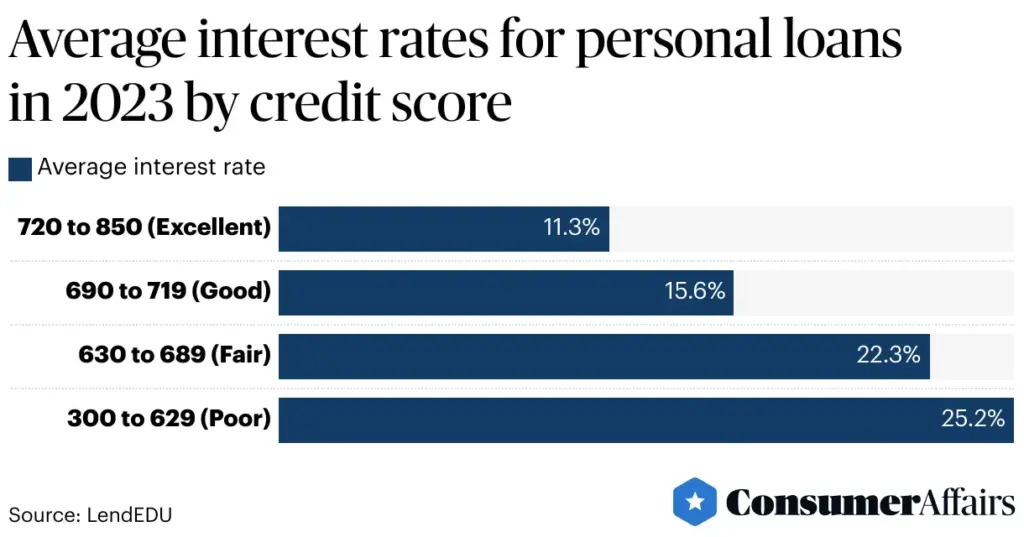
Moreover, individuals must also evaluate their credit scores prior to applying for unsecured personal loans, as higher scores typically result in lower interest rates. With the current economic outlook being less favorable, improving one’s credit profile can significantly impact the cost of borrowing. It is essential for borrowers to understand these dynamics in order to make informed decisions when seeking personal loans.
Economic Outlook and Its Effect on Loan Rates
The UK’s economic outlook plays a pivotal role in shaping the lending environment and influencing loan interest rates. As factors like inflation, unemployment, and global economic shifts come into play, borrowers must stay ahead of these changes to understand how their loan costs may be affected. An optimistic economic forecast could lower interest rates, whereas economic downturns might trigger further increases, directly impacting consumer behavior in the lending market.
Moreover, as businesses and consumers react to the economic landscape, lending institutions may adjust their policies, offering different loan products or modifying interest rates to align with market demands. Therefore, keeping abreast of the UK’s economic trends is vital for anyone looking to borrow, as it allows them to make proactive decisions that could mitigate costs associated with fluctuating interest rates.
Strategies for Navigating Rising Interest Rates
In light of the rising loan interest rates in the UK, borrowers must adopt effective strategies to navigate this challenging landscape. One of the most important steps is to shop around for the best rates, as not all lenders offer the same terms. Comparison websites and direct consultations with financial advisors can provide insights into which lenders are more competitive during heightened rate environments.
Additionally, borrowers should consider locking in fixed-rate loans, if possible, to safeguard against future rate increases. This strategy not only provides predictability in monthly repayments but also shields borrowers from potential spikes in the interest rates that could emerge as economic conditions change. Proactively managing financial health by monitoring credit scores and reducing unneeded debt can further position individuals favorably amid rising interest rates.
Frequently Asked Questions
What are the current loan interest rates in the UK for 2024?
As of late 2023, current loan interest rates in the UK have seen a significant rise due to the Bank of England’s base rate hikes. As we move into 2024, these rates are likely to remain high, impacting both mortgage and personal loan offerings.
How are Bank of England rates impacting loan interest rates in the UK?
The Bank of England’s base rate directly influences loan interest rates in the UK. When the Bank raises its rates to combat inflation, lenders typically increase the cost of borrowing, leading to higher mortgage and personal loan interest rates.
What trends should borrowers expect regarding mortgage rates in the UK this year?
Mortgage trends in the UK indicate that interest rates will likely continue to increase throughout 2024. Homebuyers should prepare for higher monthly payments and consider fixed-rate mortgage options to lock in current rates before further increases.
How do personal loan interest rates vary with the UK economic outlook?
Personal loan interest rates are closely linked to the UK economic outlook. With rising inflation and changing economic conditions, borrowers can expect rates to increase, making loans costlier in 2024.
What factors should borrowers consider when looking at current loan rates in the UK?
When evaluating current loan rates in the UK, borrowers should consider inflation trends, Bank of England policy changes, and their credit scores, as these can significantly affect the interest rates they’re offered.
What strategies can help borrowers navigate rising loan interest rates in the UK?
To navigate rising loan interest rates in the UK, borrowers should shop around for competitive rates, consider fixed-rate loans, improve their credit profiles for better offers, and stay informed about economic trends.
| Key Point | Details |
|---|---|
| Understanding Loan Interest Rates | Loan interest rates are the costs incurred for borrowing money, significantly impacting borrower decisions. |
| Current State | As of late 2023, rates are relatively high, with many mortgage rates above 3%. |
| Factors Influencing Rates | Inflation, economic growth, unemployment rates, global factors, and market competition. |
| Expected Changes in 2024 | Rates are likely to rise, particularly affecting homeowners and borrowers. |
| Strategies for Borrowers | Shop around, consider fixed-rate options, improve credit profiles, stay informed. |
Summary
Loan interest rates in the UK are poised for changes in the upcoming year influenced by various economic factors. As inflation continues to be a pressing concern, it is expected that borrowing costs will increase, affecting both new and existing borrowers. Understanding the dynamics of loan interest rates will empower individuals to make informed decisions when considering loans or refinancing their current mortgages. Staying proactive and consulting financial experts can aid borrowers in navigating this challenging landscape successfully.