Listen to this article
Long Term Investing in the UK is a cornerstone of effective retirement planning, empowering individuals to secure their financial future through strategic investment strategies. As the cost of living continues to rise, understanding how to cultivate a diversified portfolio becomes increasingly essential. By focusing on investments that appreciate over time, UK residents can maximize their savings while mitigating risks associated with market volatility. This approach not only leverages the power of compound interest but also creates a robust financial roadmap that can weather economic shifts. Embracing long-term investing today means less stress tomorrow and a more comfortable retirement.
The practice of financially committing to investments over an extended period is crucial for achieving your retirement goals in the UK. This methodology fosters wealth accumulation and helps in achieving substantial financial gains through prudent investment approaches. Familiarizing yourself with various asset types, such as stocks and property, can lead to a well-rounded investment plan capable of withstanding market fluctuations. Moreover, understanding the nuances of UK pensions and the importance of diversifying your holdings can significantly enhance your financial position for the future. Establishing a thorough investment blueprint not only aids in effective financial planning but also builds a secure path towards a fulfilling retirement.
Understanding the Importance of Long Term Investing in the UK
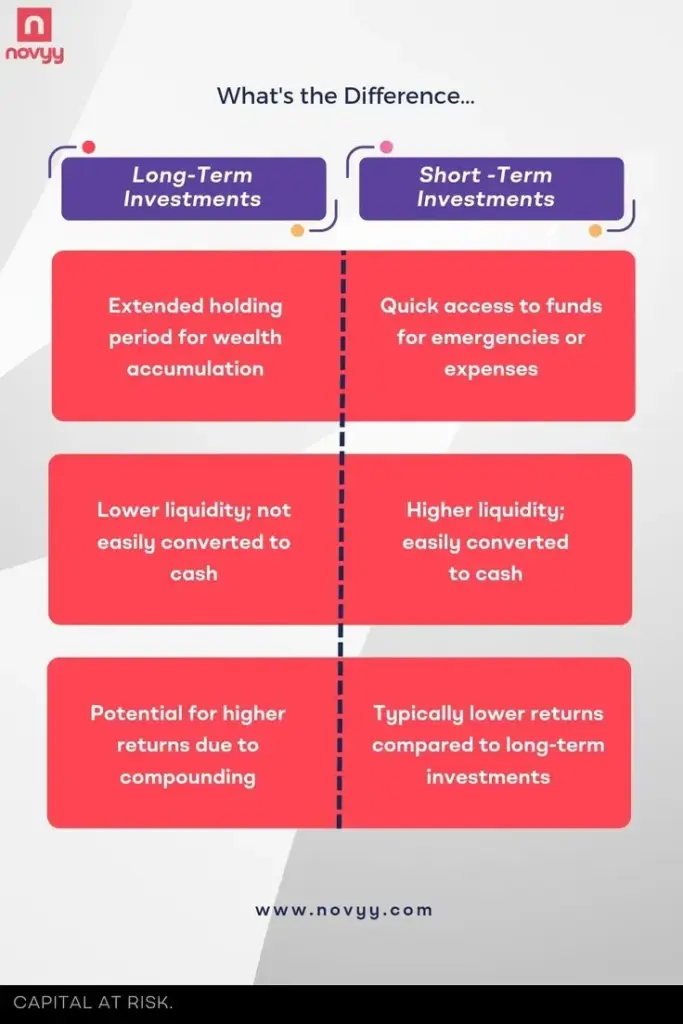
Long-term investing is fundamental for securing financial stability, especially in the context of retirement planning. In the UK, individuals face a unique set of economic pressures, including fluctuating property prices and rising living costs. By engaging in long-term investment strategies, you can effectively navigate these challenges. Long-term investments, particularly in equities and pensions, not only provide growth potential but also serve as a hedge against inflation. Understanding this importance can make a significant difference in securing your financial future and achieving your retirement goals.
Moreover, long-term investing allows for the compounding of returns, which can drastically increase the value of your savings over time. When investment returns are reinvested, they themselves begin to generate returns. This principle underscores why starting early is so crucial; the more time your investments have to grow, the larger your retirement portfolio will be. In the UK, options like ISAs and pension plans benefit from such compounding, further emphasizing the need for a strategic approach to long-term investing.
Frequently Asked Questions
What are the best long-term investment strategies for retirement planning in the UK?
The best long-term investment strategies for retirement planning in the UK include diversifying your portfolio across stocks, bonds, and real estate. Utilizing tax-efficient accounts such as ISAs and pensions can significantly enhance your savings. Starting early and consistently contributing can also maximize your compound growth over time.
How can a diversified portfolio benefit long-term investing in the UK?
A diversified portfolio reduces risk by spreading investments across various asset classes, industries, and geographic regions. This strategy helps mitigate the impact of market volatility, making it an essential component of long-term investing in the UK, particularly for retirement planning.
What role do UK pensions play in long-term investing?
UK pensions are a critical part of long-term investing, offering tax relief on contributions and providing a structured way to save for retirement. Contributing to workplace pensions or personal pensions helps ensure that you can accumulate sufficient savings for your retirement years.
How does risk tolerance affect long-term investing in the UK?
Understanding your risk tolerance is crucial for long-term investing in the UK, as it influences the types of assets you should include in your investment strategy. Conservative investors may focus on bonds and cash, while aggressive investors may lean towards equities for higher potential returns.
Why is starting early important for long-term investing in the UK?
Starting early in long-term investing in the UK allows you to take full advantage of compounding growth. The earlier you begin saving and investing, the more time your money has to grow, leading to significantly larger savings at retirement.
What are some effective ways to keep educating myself about long-term investing in the UK?
To stay informed about long-term investing in the UK, consider reading books on finance and investment, attending seminars and workshops, and taking online courses on platforms such as Coursera or Udemy. Staying updated on market trends and investment products will enhance your investment decisions.
| Key Points | Details |
|---|---|
| Importance of Long-Term Investing | Secures future and maximizes savings through compound interest. |
| Benefits of Long-Term Investing | Compounding growth, inflation hedge, and reduced stress in investment management. |
| Start Early | Starting in your 20s or 30s can yield significantly higher returns by retirement. |
| Understanding Risk Tolerance | Assess your comfort level with investment fluctuations to guide asset choices. |
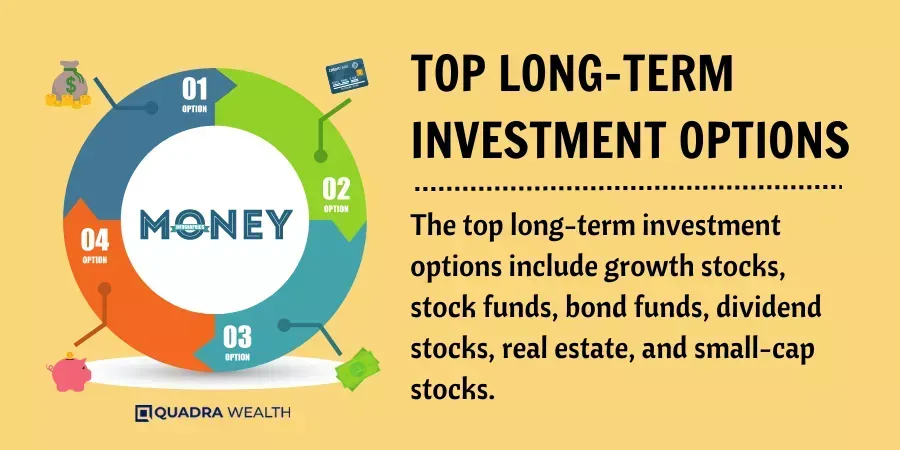
| Types of Long-Term Investments | Stocks, Bonds, Real Estate, and Pensions are key options in the UK. |
| Diversification Strategy | Spread investments across various sectors to mitigate risks. |
| Utilizing Tax-Efficient Accounts | Use ISAs and pensions to maximize tax benefits on investments. |
| Regular Contributions | Invest a fixed amount regularly and rebalance periodically. |
| Continual Education | Stay informed on market trends and investment strategies. |
Summary
Long term investing in the UK is a vital component of effective retirement planning, enabling individuals to build substantial wealth over time. By beginning your investment journey early, you harness the full potential of compound interest, ensuring that your savings grow exponentially. It is essential to assess your risk tolerance to tailor your investment strategy according to your comfort with fluctuations in asset values. Additionally, diversifying your portfolio is key to reducing risks, alongside utilizing tax-efficient accounts like ISAs and pensions to maximize your returns. Regular investment contributions and continuous education about the market landscape enhance your chances for success. In conclusion, committing to a long-term investment strategy not only provides financial security for retirement but can also yield significant rewards, making it a prudent choice for individuals in the UK.