Listen to this article
The Bank of England’s interest rate hikes are a critical factor influencing the UK economy and the mortgage market. As the BoE adjusts rates to curb inflation and ensure financial stability, these changes have direct implications for borrowers across the country. For homeowners with variable-rate mortgages, rising interest rates mean higher monthly payments, significantly impacting household budgets. Meanwhile, those considering fixed-rate mortgages may face increasing costs for new loans in this evolving landscape. Understanding how these rate hikes affect mortgage interest rates is essential for both prospective homebuyers and current homeowners looking to navigate this uncertain financial climate.
In the realm of personal finance, the adjustments made by the Bank of England regarding interest rates play a crucial role in shaping mortgage affordability and overall economic health. When central banks implement rate changes, the ripple effects are felt throughout the borrowing landscape, affecting everything from home financing to consumer spending habits. Higher borrowing costs can lead to stricter loan conditions, impacting individuals applying for home finance and influencing the type of mortgage products offered in the market. With market dynamics shifting in response to these financial policies, understanding alternative loan structures is imperative for those looking to optimize their home financing options during periods of monetary tightening.
Impact of Bank of England Interest Rate Hikes on Mortgage Interest Rates
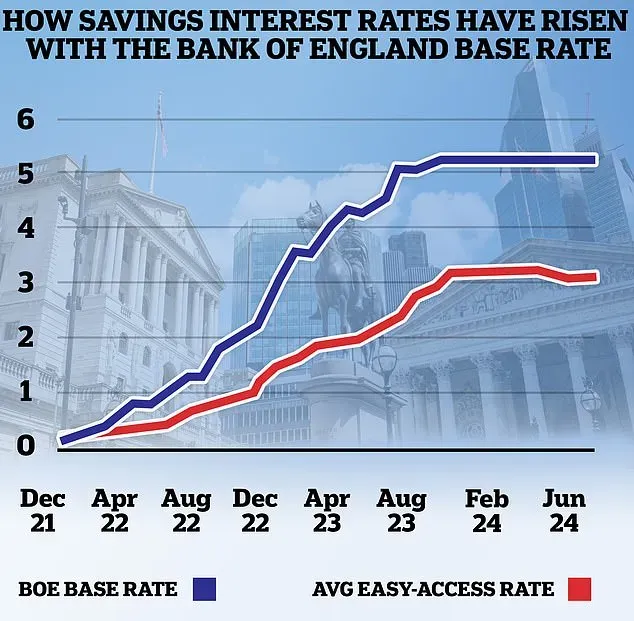
The Bank of England (BoE) plays a pivotal role in determining the interest rates that directly affect mortgage products available in the UK. When the BoE raises interest rates as part of its monetary policy, it sends a ripple effect through the entire lending landscape. In the case of mortgage interest rates, particularly for variable-rate mortgages, each increase leads to higher payments for homeowners. This shift forces many individuals to reassess their financial situations and possibly adapt to changing economic circumstances, thus impacting their overall financial health.
Moreover, the hike in interest rates not only affects those who hold variable-rate mortgages but also influences the rates for new fixed-rate mortgages. Borrowers looking to secure a new mortgage or refinance an existing one may discover that interest rates have risen, leading to increased overall borrowing costs. Consequently, the housing market can cool as potential buyers withdraw from the market, hesitant to commit to higher monthly payments, which can lead to a slowdown in home sales.
Understanding Different Types of Mortgages in a Rising Rate Environment
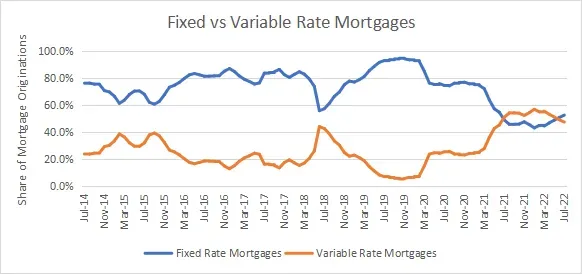
As interest rates rise, it is essential for borrowers to understand the differences between fixed-rate and variable-rate mortgages. Fixed-rate mortgages offer borrowers the advantage of stability, locking in a set rate for the duration of the loan, protecting them against future rate increases. However, the attractiveness of fixed-rate mortgages may diminish as rates escalate since the initial points available may be higher than traditionally expected, affecting new borrowers’ affordability in the housing market.
On the other hand, variable-rate mortgages can be appealing during periods of low-interest rates but present inherent risks during rising rate environments. As interest rates increase, borrowers with variable mortgages may see their monthly payments soar, leading to financial strain. This volatility underscores the importance of understanding one’s financial capacity and budget, especially during unpredictable economic times where interest rates are in flux.
Strategies for Homeowners to Prepare for Interest Rate Hikes
In light of impending interest rate hikes by the Bank of England, current and prospective homeowners must develop effective strategies to mitigate the financial impact on their mortgages. One invaluable approach is opting for a fixed-rate mortgage. This option shields borrowers from fluctuations in interest rates. By locking in a favorable rate before an anticipated hike, homeowners can gain peace of mind knowing their monthly payments will remain consistent, allowing for better long-term financial planning.
Additionally, existing mortgage holders should contemplate making extra principal payments. By reducing the overall loan amount, borrowers can lessen their exposure to rising interest costs. This proactive measure not only diminishes the principal owed but also enhances a homeowner’s equity, which can be beneficial if refinance opportunities arise, or an unforeseen financial need appears in the future.
The Role of the Bank of England in Mortgage Interest Rate Decisions
Understanding the Bank of England’s role in shaping mortgage interest rates is crucial for homeowners and potential buyers alike. The BoE employs interest rate adjustments as part of its broader monetary policy measures aimed at stabilizing the UK economy. The decisions made by the central bank stem from various economic indicators, including inflation rates, economic growth, and employment levels. By effectively responding to these factors, the BoE aims to ensure sustainable economic activity, which ultimately influences how lenders set their mortgage interest rates.
Furthermore, the bank’s commentary and guidance can significantly affect market expectations and borrower sentiment. For instance, if the BoE indicates a likelihood of further rate hikes, lenders may preemptively raise their mortgage rates, creating a ripple effect in the housing market. Therefore, staying informed about BoE’s policy statements can help borrowers anticipate movements in mortgage interest rates and plan their financial strategies more effectively.
Long-Term Economic Effects of Rising Mortgage Rates
The long-term economic effects of rising mortgage rates are profound, impacting not only individual borrowers but also the broader UK economy. Increased mortgage rates tend to stifle consumer spending as higher borrowing costs result in larger monthly payments. Consequently, this decline in disposable income can slow economic growth, affecting various sectors from retail to services, creating a chain reaction that can lead to reduced GDP growth overall.
Additionally, the potential for lower home values becomes a pressing fear during periods of rising rates. As fewer buyers enter the market, those looking to sell may have to adjust their asking prices downward to attract interest. This can lead to decreased home equity for existing homeowners, posing challenges for refinancing and creating a more cautious lending environment, where lenders tighten their criteria as they reevaluate risks associated with price drops.
Navigating the Housing Market During Interest Rate Hikes
Navigating the housing market during periods of rising interest rates requires both knowledge and adaptability. Prospective buyers must evaluate their financial readiness and be prepared for the possibility of increased mortgage costs limiting their purchasing power. Efficiently assessing one’s budget to understand what they can afford is imperative in this shifting landscape. Home buyers should also consider working closely with mortgage advisors who can provide tailored guidance based on current market conditions.
For sellers, the challenges can be equally daunting as they may face decreasing demand amidst higher mortgage costs. Setting a competitive price is essential for attracting buyers in a tighter market. Sellers might need to put more emphasis on making their homes attractive through renovations and staging to stand out. Fostering a strategic approach to both buying and selling, especially during such economic transitions, will be the key to successful real estate transactions.
Frequently Asked Questions
How do Bank of England interest rate hikes impact mortgage interest rates?
Bank of England interest rate hikes typically lead to an increase in mortgage interest rates. When the BoE raises its base rate, lenders adjust their rates, particularly for variable-rate mortgages. This can result in higher monthly payments for existing borrowers and may also lead to increased costs for new fixed-rate mortgages as lenders manage their risk against rising rates.
What should I do if I have a variable-rate mortgage during Bank of England interest rate hikes?
If you have a variable-rate mortgage and are facing Bank of England interest rate hikes, consider reviewing your budget to accommodate higher monthly payments. It’s also a good time to evaluate switching to a fixed-rate mortgage, as this can provide stability against future rate increases.
Will Bank of England interest rate hikes affect my ability to get a mortgage?
Yes, Bank of England interest rate hikes can affect your ability to secure a mortgage. Lenders may tighten their lending criteria in response to rising rates, requiring more documentation and potentially reducing the amount you can borrow. It’s important to ensure your financial profile is robust when applying for a mortgage during these times.
How can I prepare for potential increases due to Bank of England interest rate hikes?
To prepare for potential increases from Bank of England interest rate hikes, consider locking in a fixed-rate mortgage if you’re buying a home. Current mortgage holders should aim to pay down principal and establish a budget that includes potential higher payments. Keeping informed about BoE announcements will also help you make timely decisions.
What is the long-term effect of Bank of England interest rate hikes on the UK economy?
Long-term effects of Bank of England interest rate hikes can include slower economic growth as borrowing costs rise, reducing consumer spending. Additionally, these hikes may lead to lower home values over time, affecting homeowners’ equity and the housing market overall, making it a critical factor for potential buyers and sellers.
Can I refinance my mortgage if interest rates rise due to Bank of England interest rate hikes?
Refinancing during Bank of England interest rate hikes can be more challenging and less appealing, as higher rates may decrease the incentive to refinance for a better deal. However, if you currently hold a lower fixed-rate mortgage, it may be wise to maintain it rather than refinance into higher rates.
| Aspect | Impact |
|---|---|
| Interest Rates | Cost of borrowing, determined by the BoE’s base interest rates. |
| Reasons for Rate Increases | Combat inflation by stabilizing prices through increased borrowing costs. |
| Impact on Existing Mortgages | Higher monthly payments for variable-rate mortgages and potential impacts on fixed-rate mortgages. |
| Lending Criteria | Stricter scrutiny on loan applications, requiring more documentation. |
| Housing Market Dynamics | Potential cooling of the market leading to lower home prices. |
| Preparation Strategies | Consider fixed-rate mortgages, pay extra principal, budget for increases, and stay informed. |
| Long-Term Effects | Lower home values and slower economic growth due to higher borrowing costs. |
Summary
The Bank of England interest rate hikes significantly affect borrowers, especially those considering mortgages. Understanding these hikes is crucial for making informed financial decisions. When interest rates rise, it directly leads to higher borrowing costs and monthly payments for mortgage holders, particularly affecting those with variable rates. Fixed-rate mortgage borrowers are temporarily shielded but will face higher rates if they refinance or secure new loans in the future. Being proactive—such as opting for fixed-rate mortgages and budgeting for increased payments—can help homeowners mitigate the impacts. Overall, while challenges arise from these interest rate adjustments, they also offer opportunities for strategic financial planning.