Listen to this article
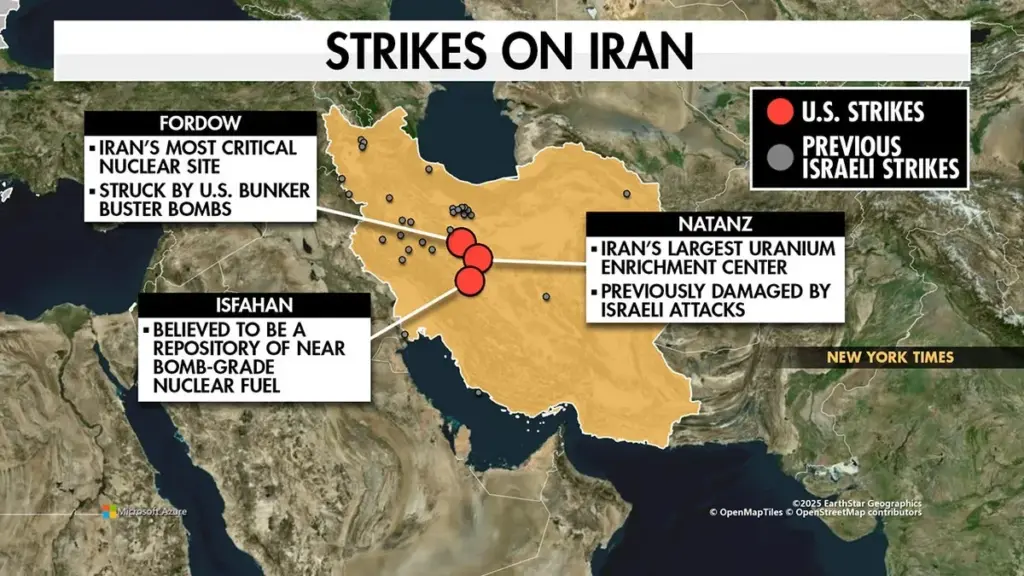
The recent wave of Iran US Israel attacks marks a significant escalation in the ongoing tensions between these nations. Beginning with the shocking assassination of Supreme Leader Ayatollah Ali Khamenei, this conflict has reverberated throughout Iran, leaving citizens in fear and uncertainty. Individuals across the country have described the harrowing impact of the bombings, with eyewitness accounts emphasizing the chaotic scenes as homes shook under the explosive force. Amidst the military conflict, information is hard to come by, especially as internet access has been restricted, complicating communications. This situation has led to intense Iranian protests, showcasing the growing discontent among the populace concerning their government’s response and the precarious US Israel relations at play.
In light of the recent military actions involving Iran and its adversaries, particularly the United States and Israel, we are witnessing a tipping point in regional stability. The targeting of key figures and strategic locations has raised alarms, leading to widespread unrest and protests among the Iranian citizens. Many inhabitants of Iran are feeling the direct effects of this violence, as daily life is disrupted by incessant bombings and governmental restrictions. Citizens are increasingly concerned about the implications of these attacks on their future and the potential for further escalation. Meanwhile, the global perspective on Iran’s military conflict is evolving, with broader implications for international relations and peace efforts in the region.
The Impact of US-Israel Attacks on Iranian Society
The recent US-Israel attacks have sent shockwaves through Iranian society, leaving many residents grappling with fear and uncertainty. As military operations intensified following the assassination of Supreme Leader Ayatollah Ali Khamenei, Iranians reported feelings of anxiety and panic as the strikes echoed throughout their cities. Residents like Hossein from Karaj have described the thundering explosions that rattled their homes, compelling them to seek shelter amidst the chaos. The chilling circumstances have stirred not only physical fears but also emotional turmoil as citizens worry about the future of their nation amidst an ongoing military conflict.
Moreover, the climate of tension has been exacerbated by the government’s decision to block internet access, effectively isolating Iranians from the outside world. As communities attempt to connect despite the digital blackout, there have been strategies to stock up on necessities, reflecting a desperate push for survival amidst escalating skirmishes. As Amir from Tehran noted, the fear of government-backed violence adds another layer of complexity to the situation, causing citizens to reflect on their loyalty and the regime’s consequences during the Iranian protests.
The Aftermath of Khamenei’s Assassination
The assassination of Ayatollah Ali Khamenei has marked a pivotal moment in Iranian history, igniting widespread discourse on its implications for the future of the regime. This event has not only triggered military responses from allied nations like the US but has also further polarised the Iranian populace. Observers speculate that Khamenei’s death could act as a catalyst for change, cutting through the numerous challenges plaguing Iran, including rampant economic hardship and widespread discontent among citizens. The stark divide between supporters and detractors of the government feels increasingly pronounced, with many attributing the recent volatility to Khamenei’s leadership style.
In the wake of his assassination, Iran faces considerable uncertainty as various factions consider their next moves amidst ongoing US-Israel hostility. Many Iranians believe that the regime needs transformative leadership to regain the trust of its citizens and to navigate through this turbulent period effectively. For many, the hope lies in the potential for a government overhaul rather than continued militant repression. The conversations around Khamenei’s legacy and his actions during recent protests continue to shape the national narrative, compelling many to reconsider their stances and hopes for a more representative political structure.
Internet Blackout: Control through Isolation
One of the most critical aspects of the current situation in Iran is the government’s systematic cutting off of internet access as a means to control the narrative and prevent the spread of dissent. This action has created a barrier for individuals attempting to voice their experiences or connect with the broader global community. The blackout has been met with frustration and anger, as people like Hossein express the challenges faced by citizens trying to gather information amidst conflicting reports. The government’s capability to enforce such measures only serves to deepen the distrust between the regime and the populace, resulting in heightened tensions.
Furthermore, the internet isolation exacerbates the feeling of helplessness amidst the US-Israel attacks. Residents are left to rely on word of mouth and scarce resources to stay informed, resulting in a sense of confusion and helplessness. This disconnect from the outside world significantly affects public morale, as captured by Amir’s reflections on the atmosphere in Tehran. Citizens are not only struggling to cope with physical threats but also suffering emotionally due to the limited avenues available for communication and expression.
The Role of the Islamic Revolutionary Guard Corps (IRGC)
As the backbone of Iran’s defense strategy, the Islamic Revolutionary Guard Corps (IRGC) has played a crucial role in maintaining control amidst the unrest following Khamenei’s assassination. Their presence on the streets serves as a reminder of the regime’s power, instilling fear among activists and opponents alike. Despite the public outcry for change, the IRGC’s grip seems unwavering, as they continue to patrol urban centers, often engaged in confrontational tactics against any dissent. Hossein’s observations reveal a nation caught in a cycle of intimidation and compliance, where even simple acts of protest can lead to severe repercussions.
The IRGC’s influence transcends military operations; it is also deeply integrated into Iran’s economic and political fabric. This relationship complicates the possibility of meaningful change, as the guard’s vested interests align closely with the regime. Amir’s comments about the exhaustion experienced by the citizens echo a wider sentiment of frustration with the status quo, further amplifying the calls for an end to the longstanding authoritarian rule. Striking a balance between internal stability and the push for reform becomes an increasingly difficult task for Iran as long as the IRGC maintains its authoritarian grip on the state.
American and Israeli Relations: A Growing Concern for Iranians
The dynamic between the United States and Israel has tangible implications for daily life in Iran, especially in the wake of military actions that further escalate tensions. For Iranians, the perception of US-Israel relations is steeped in historical grievances, and recent events have only rekindled fears of foreign intervention in domestic affairs. As Americans and Israelis strengthen their military collaboration against perceived threats from Iran, local narratives often frame the situation as an existential struggle for sovereignty. This backdrop affects how ordinary citizens view their government and how they organize their social and political movements.
The correlation between US-Israel relations and the ongoing state of unrest in Iran cannot be understated. Many citizens fear that politicians may prioritize international diplomacy over their welfare as they anticipate potential backlash from external attacks. As Iranian protests gain momentum, the public’s outlook may shift to focus less on a singular leader and more on the exodus towards a more democratic regime, which could competently engage with international powers while addressing the people’s urgent demands for civil liberties and human rights.
Public Sentiment Amidst Ongoing Conflict
The sentiment among the Iranian public reflects a growing impatience with the continuous cycle of violence and political upheaval. Many citizens express a desire to see an end to the unjust policies and militaristic approaches that have led to such dire consequences for normal life. As people reflect on the recent protests and the violent crackdowns that followed, there is a palpable yearning for a platform where voices can be heard without fear of reprisal. Hossein and Amir’s narratives illustrate this discontent, where survival and fundamental rights take precedence over blind loyalty to the regime.
This growing awareness and dissatisfaction can serve as a catalyst for mobilization, possibly uniting both supporters and opponents of the government in the aspiration for reform. The collective frustration with the ongoing conflict, economic instability, and external threats fosters a sense of urgency to attain peace and accountability. As relationships with countries like the US and Israel remain tenuous, the Iranian populace is increasingly foregrounding their struggles for autonomy and agency, illustrating the complexity of Iranian society amidst a tumultuous era.
The Future of Governance in Iran
As the dust settles from the tumultuous events surrounding Khamenei’s assassination and the abrupt military actions from the US and Israel, discussions about the future of governance in Iran remain at the forefront. Citizens are yearning for leadership that is transparent and accountable, able to navigate external pressures while addressing the internal dilemma caused by economic and civil discontent. The recent violent military conflicts highlight the inadequacy of the current political apparatus to effectively respond to crises, prompting calls for a governance structure that embraces reform and inclusivity.
Engaging with the international community in a cooperative manner appears to be a pathway forward for many Iranians. The hope is that true diplomacy can replace adversarial relationships and lead to constructive engagements that prioritize well-being and rebuilding trust. As the landscape changes with ongoing global and regional dynamics at play, the formation of a new governance model rooted in the people’s voice may provide the necessary relief from decades of turmoil, ensuring a brighter future for all Iranians.
Protests and Political Dissent: Catalysts for Change
The recent events in Iran have sparked a renewed wave of protests and political dissent, as many citizens draw courage from the chaotic backdrop to push for fundamental change. The assassination of Khamenei serves as a powerful symbol for a nation desperate for accountability and reform, energizing activists across the country. The willingness of individuals to mobilize against government repression indicates a shift in public sentiment, increasingly characterized by a collective desire for civil liberties and political engagement.
As protests continue to unfold amid the backdrop of ongoing attacks and instability, voices demand a new approach to governance that embraces the principles of democracy and respect for human rights. Various factions within Iran, disillusioned by years of hardship and isolation, urge a reevaluation of both internal and external policies. Should these sentiments crystallize into a cohesive movement, it could pave the way for a transformative period in Iranian history, breaking free from the cycles of authoritarianism and conflict.
Frequently Asked Questions
What recent events have led to Iran US Israel attacks being a trending topic in global news?
The Iran US Israel attacks have largely been ignited by the assassination of Iran’s Supreme Leader Ayatollah Ali Khamenei, prompting military responses from both the US and Israel targeting strategic locations across Iran. This has resulted in significant unrest and concern among the Iranian population, who have faced violent military actions and internet blackouts.
How have the Iranian protests been influenced by the Iran US Israel attacks?
The Iran US Israel attacks have intensified existing Iranian protests, particularly following Khamenei’s assassination. The public has reacted strongly against the regime, highlighting frustrations over government oppression and military aggression. Demonstrators are increasingly vocal in their demands for regime change, sparked by the fear of escalating conflict and lack of communication due to internet restrictions.
What are the implications of the US Israel relations on the recent Iran military conflict?
The US Israel relations have a significant impact on the Iran military conflict, as both nations have coordinated attacks on Iranian positions while pursuing shared interests in countering Iran’s regional influence. This collaboration emphasizes a shared military strategy that heightens tensions in the Middle East and directly affects the stability within Iran.
In light of the Iran US Israel attacks, how is the Iranian government responding to civil unrest?
In response to the civil unrest fuelled by the Iran US Israel attacks, the Iranian government has intensified security measures, deploying forces on the streets to monitor and control protests. Internet access has been restricted to limit communication and curb mobilization efforts, attempting to suppress dissent among the population reacting to Khamenei’s assassination.
What can we expect in terms of future developments following the Iran US Israel attacks and the assassination of Khamenei?
Future developments following the Iran US Israel attacks may involve heightened military actions and potential retaliations from Iran, especially if key figures are further targeted. Additionally, ongoing civil unrest may lead to increased calls for regime change, as many Iranians express a desire for significant political shifts following Khamenei’s death.
How is the Iranian populace experiencing the aftermath of the Iran US Israel attacks?
The aftermath of the Iran US Israel attacks has left the Iranian populace in a state of fear and anxiety. Residents are reporting significant explosions, and many are stockpiling supplies due to the uncertainty of the situation. The government’s internet blackouts have further isolated citizens, compounding their frustrations as they cope with the pervasive threat of ongoing military strikes.
What role does the Islamic Revolution Guard Corps (IRGC) play during the Iran US Israel conflicts?
The Islamic Revolution Guard Corps (IRGC) plays a pivotal role during the Iran US Israel conflicts by maintaining authority and policing the streets amidst civil unrest. Their presence serves to instill fear and order within the population, particularly in light of rising tensions following Khamenei’s assassination and the subsequent military strikes.
What concerns do Iranians have regarding a potential US-Israel deal with their government amidst the ongoing attacks?
Iranians express deep concerns that a potential deal between the US and Israel with their government could lead to further oppression or abandonment in the face of military attacks. Many fear that such agreements could favor governmental stability over the people’s demand for reform, exacerbating existing grievances against the current regime.
How has the international community reacted to the recent Iran US Israel attacks?
The international community has been closely monitoring the Iran US Israel attacks, with various nations expressing concern over regional stability and the humanitarian impact on Iranian civilians. Calls for restraint and diplomatic solutions have surfaced as countries fear escalation into a broader conflict, emphasizing the need for dialogue over military escalation.
| Location | Reported Experiences | Public Sentiment | Government Actions |
|---|---|---|---|
| Karaj | Significant explosions felt in homes; people are seeking safety. | Fear and anxiety about the future; people are worried about potential deals with the leadership. | Internet access blocked to prevent communication; security forces are patrolling the streets. |
| Tehran | Residents are stocking up on groceries and listening for explosions. | Exhaustion and desperation about the regime’s future; no confidence the death of Khamenei will change things. | Increased security checkpoints around the city to monitor suspicious individuals. |
Summary
The recent Iran US Israel attacks have significantly impacted the lives of ordinary Iranians, who are expressing fear and frustration amidst a backdrop of violence and governmental restrictions. From firsthand accounts in cities like Karaj and Tehran, it is evident that the mood among the populace is tense, with many fearing further escalation and uncertain outcomes stemming from the attacks. As the situation evolves, the resilience of the Iranian people in the face of such turmoil will be crucial in navigating these challenges.