Listen to this article
The Hezbollah conflict has seen a troubling escalation in recent weeks, dramatically impacting the already fragile dynamics in the Middle East. Following attacks from Hezbollah on the Israeli city of Haifa, Israeli forces retaliated with significant military action targeting the militia’s positions in Lebanon. This uptick in violence has drawn sharp reactions, including the Israeli defense minister’s warning that Hezbollah would face severe consequences for its provocations. As Lebanon’s Prime Minister condemned the militia’s reckless behavior, the clash raised critical questions about Lebanon’s military response and its sovereignty in the face of heightened Israel Hezbollah tensions. With the shadow of Iran Israel relations looming, this conflict not only threatens local stability but also the broader geopolitical landscape of the region.
The recent surge in aggression between armed factions in Lebanon and Israeli defense forces highlights the complexities of the ongoing hostilities in the region. Tensions have dramatically escalated due to a series of retaliatory strikes, prompting urgent calls for a reevaluation of military strategies and national security amid the chaos. As Hezbollah attacks Israel intensify, the implications for Lebanon’s military stance and the potential ripple effects across the Middle East become increasingly concerning. Observers are keen to analyze the relationship dynamics between Iran and its allies in this volatile scenario, particularly in light of the historical context surrounding Lebanon’s military and political landscape. This situation signifies more than just a local conflict; it embodies the intricate interplay of regional powers that could reshape the future of peace in the area.
The Recent Escalation of Hezbollah Conflict
The recent escalation of the Hezbollah conflict has revitalized fears around the fragile security situation in the Middle East. Following direct attacks on the Israeli city of Haifa, the Israeli military has responded robustly, targeting Hezbollah installations within Lebanon. This tit-for-tat retaliation raises questions about the potential for an all-out war, especially considering the involvement of Iran and its backing of the militant group. With regional tensions intensifying, the possibility of further military engagements has become a pressing concern for both neighboring countries and international observers alike.
Israeli Defense Minister’s stern warnings of a ‘heavy price’ for Hezbollah resonate against the backdrop of escalating hostilities, which could have implications beyond just Lebanon and Israel. As Hezbollah has persistently targeted Israeli defense mechanisms, the likelihood of increasing military responses is palpable. Observers note that this renewed conflict may disrupt the delicate balance of power in the region, amplifying risks not only for Israeli citizens but also for Lebanese locals who often bear the brunt of such escalations.
Impact of Lebanon’s Military Response on Regional Stability
In light of the recent Israeli strikes that resulted in significant casualties for Hezbollah, Lebanon’s military response is crucial in addressing the immediate and long-term stability of the region. Prime Minister Nawaf Salam’s condemnation of Hezbollah’s actions reflects an urgent need for Lebanon to reassess its military involvement amid external aggression. This stance represents a shift within Lebanese politics, as it aims to foster a more sovereign approach to national defense, which could help mitigate escalating tensions with Israel.
Moreover, Lebanon’s military response must balance the internal pressures from Hezbollah, which retains a powerful influence in Lebanese politics, against the necessity of establishing diplomatic norms with Israel. The ongoing interference from Iran complicates matters further, as the country continues to support Hezbollah’s activities. Thus, Lebanon’s ability to navigate these complex dynamics will significantly impact regional stability and could either escalate hostilities or pave the way for renewed diplomatic efforts.
Israel’s Counter-Offensive: A Strategic Military Move
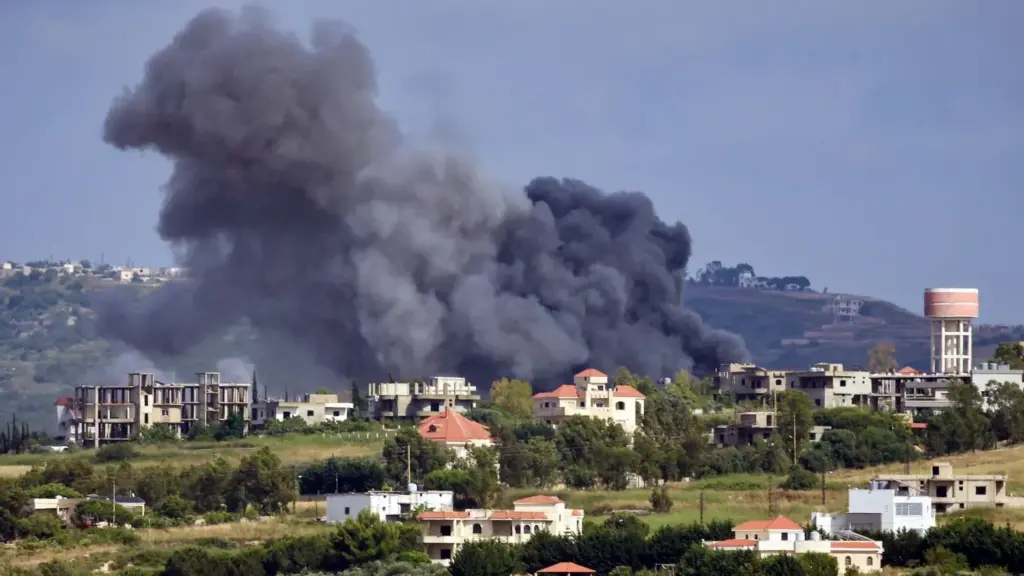
The Israeli military’s decision to broaden its operations against Hezbollah reflects a strategic response to the perceived existential threats posed by the militia. By targeting over 70 military sites in southern Lebanon, Israel aims not only to disable Hezbollah’s operational capabilities but also to send a strong message to Iran regarding its proxy’s activities in the region. This proactive counter-offensive highlights Israel’s commitment to its national security and underscores the depth of its military strategy in maintaining deterrence against attacks.
This military escalation raises critical concerns about how such actions could trigger a protracted conflict. With advanced military capabilities, including air and naval strikes, Israel is preparing for sustained confrontations, aware that any miscalculation could lead to broader Middle East tensions and potentially involve other regional actors, including Iran. The intricacies of Israel’s tactical decisions reveal a complex interplay of national defense priorities and regional diplomacy, emphasizing the need for policies that promote de-escalation rather than prolonged hostilities.
Hezbollah’s Attacks: A Response to Regional Dynamics
Hezbollah’s attacks on Israel can be interpreted as a strategic response to the shifting regional dynamics involving Iran, Israel, and the US. Following the assassination of a high-profile Iranian leader, Hezbollah’s rockets targeting Israeli defense infrastructures signal a broader narrative of retaliation shaping current hostilities. The militia is asserting its role as a key player in this multifaceted struggle, aimed at both domestic consolidation and regional power plays.
Additionally, these aggressive maneuvers place Hezbollah in a precarious position, with its actions being scrutinized not only by Israel but also by the Lebanese government seeking to curb its military influence. The internal conflict between Hezbollah’s military ambitions and Lebanon’s sovereign interests showcases the challenges in navigating this complex geopolitical landscape, threading the fine line between retaliation and seeking peace in a historically volatile region.
The Role of Iran in Escalating Israel-Hezbollah Tensions
Iran’s longstanding relationship with Hezbollah has significantly fueled the tensions experienced in the ongoing conflict with Israel. As the Iranian regime continues to back Hezbollah militarily and financially, attacks on Israel serve both as a show of strength and as a reminder of Iran’s influence over regional proxies. This support complicates the conflict further, as Israel views Iranian support as a direct threat to its national security.
As Iranian-Israeli relations remain strained, the potential for a spillover effect into broader regional conflict looms large, emphasizing the interconnected nature of Middle East tensions. The strategic alliance between Iran and Hezbollah not only affects local security dynamics but also has implications for US interests in the region. Understanding Iran’s role is crucial for anticipating future developments in this conflict and developing sound diplomatic strategies to foster stability.
Calls for Restraint Amid Growing Violence
In the midst of escalating violence, calls for restraint are emerging from both Lebanese and Israeli leadership. The need for diplomatic dialogue is becoming increasingly urgent, with the specter of a broader conflict looming just below the surface. The international community is urging both sides to prioritize peace talks over military escalations, recognizing that continued hostilities will further exacerbate the humanitarian crisis faced by civilians caught in the crossfire.
Statements from regional leaders echo the sentiment that both Hezbollah and Israel can benefit from de-escalating their current operations. The cessation of hostilities, albeit difficult given the entrenched positions of both sides, would serve as a first step towards generating a framework for long-term negotiations. Peace in this volatile region depends on a collaborative approach to security that acknowledges the complex interplay of domestic and international pressures.
Eyewitness Accounts: The Human Cost of Conflict
Eyewitness accounts of the recent conflict capture the traumatic reality faced by civilians amid the ongoing violence. Reports of chaotic scenes in northern Israel as sirens blare and individuals scramble to safety reflect the deep-seated fears that residents grapple with daily. The sound of explosions has become a horrific backdrop to daily life, highlighting the human cost of the conflict driven by geopolitical interests.
As both sides continue to engage militarily, the implications for civilian populations are dire. Many express frustration and helplessness over the repeated cycles of violence that seem to entrain them in a conflict they did not choose. The urgent plea for peace resonates strongly among the affected populations, underscoring the need for all political actors to consider the human ramifications of their military strategies.
Historical Context of Israel-Hezbollah Relations
The history of Israel-Hezbollah relations is marked by decades of animosity and armed conflict, stemming from key events such as the 2006 Lebanon War. The complex web of historical grievances, political contests, and military engagements has created a persistent cycle of violence. Understanding this backdrop is essential when deciphering current events and the motivations behind both Hezbollah’s attacks on Israel and Israel’s military responses.
This historical context reveals that each violent episode is deeply rooted in an ongoing narrative of warfare and retaliation. As regional powers like Iran influence the dynamics between these two factions, the rich layers of this history showcase the critical balance of power that will dictate future interactions. To effectively navigate the present conflict, revisiting these historical ties is imperative for informed responses and strategies that aim to achieve sustainable peace.
The Future of Peace in a Tense Middle East
The future of peace in the Middle East is increasingly uncertain in light of the latest Israel-Hezbollah escalations. With ramifications that may extend beyond traditional borders, the region’s stability hangs in the balance as both sides prepare for continued hostilities. The precedent of attempted ceasefires, such as the one established in November 2022, serves as a reminder of the delicate nature of any peace agreements forged in the area.
National leaders and international observers alike must actively seek pathways toward reconciliation to remedy the cyclical nature of violence that can easily engulf the region. Promoting dialogue and addressing underlying grievances through diplomatic channels could pave the way for a more stable future. However, for peace to take root, all parties must demonstrate a genuine commitment to respecting sovereignty and reducing militarization in a historically conflict-prone setting.
Frequently Asked Questions
What sparked the Hezbollah conflict and the recent Israel Hezbollah escalation?
The recent Israel Hezbollah escalation was triggered by Hezbollah’s attacks on the Israeli city of Haifa, which were a reaction to the assassination of Iran’s Supreme Leader Ayatollah Ali Khamenei. This act of aggression led to severe Israeli airstrikes on Hezbollah targets in Lebanon.
What was Lebanon’s military response after the Hezbollah attacks on Israel?
In response to Hezbollah’s attacks, Lebanon’s Prime Minister, Nawaf Salam, condemned the actions as reckless and instituted a ban on Hezbollah’s military operations. This reflects a significant Lebanese military response aimed at regaining control and preventing further escalation.
How do Hezbollah attacks on Israel affect Middle East tensions?
Hezbollah attacks on Israel significantly heighten Middle East tensions, as these actions not only exacerbate the conflict between Israel and Hezbollah but also involve Iran, a primary supporter of Hezbollah, thus complicating the geopolitical landscape of the region and threatening broader stability.
What are the implications of the Israeli military’s strikes on Hezbollah infrastructure?
The Israeli military’s strikes on Hezbollah infrastructure, which involve targeting over 70 military sites in Lebanon, indicate a strong counter-offensive. These actions are likely to cause increased casualties and potentially lead to further retaliation, thereby escalating the ongoing violence in the Israel Hezbollah conflict.
What role does Iran play in the Israel Hezbollah conflict?
Iran plays a crucial role in the Israel Hezbollah conflict by providing military and financial support to Hezbollah. The group’s recent military escalations and attacks on Israel are viewed as aligning with Iran’s strategic interests in the region, especially following the events surrounding the death of Ayatollah Khamenei.
How has the international community reacted to the recent Hezbollah escalation?
The international community has expressed concern over the escalation of violence between Israel and Hezbollah, advocating for restraint on both sides. Previous peace agreements, such as the November 2024 ceasefire, are now under threat as hostilities resume, indicating potential risks for future diplomatic resolutions.
What historical context is important to understand the current Hezbollah conflict?
The current Hezbollah conflict is rooted in decades of tension between Israel and Lebanon, characterized by numerous conflicts and ceasefires. Hezbollah’s alignment with Iranian interests plays a significant role in regional dynamics, affecting Israel’s security and prompting military actions as seen in the recent escalation.
What are the potential consequences of the ongoing Israel Hezbollah conflict?
The ongoing Israel Hezbollah conflict poses risks of a wider regional war, further destabilizing the Middle East. With both sides preparing for continued military operations, the threat of civilian casualties and humanitarian crises increases, raising urgent calls for peace and diplomatic engagement.
| Key Point | Details |
|---|---|
| Military Strikes | Israel targeted Hezbollah positions in Lebanon following rocket attacks on Haifa. |
| Casualties | Israeli strikes resulted in 52 Lebanese casualties, with no Israeli injuries reported. |
| Hezbollah’s Actions | Retaliatory attacks were claimed as a response to the killing of Iran’s Supreme Leader. |
| Government Responses | Lebanese PM condemned Hezbollah; calls for ban on their military activities. |
| Military Escalation | Israeli forces expanded operations against over 70 Hezbollah sites in Lebanon. |
| Public Reaction | Eyewitnesses reported chaos and fear among residents amid ongoing violence. |
| Future Concerns | Rising tensions threaten the stability of peace agreements, with both sides preparing for further conflict. |
| International Context | Hezbollah’s involvement is part of wider regional tensions including Iran, Israel, and the US. |
Summary
The Hezbollah conflict has escalated recently with heightened military exchanges between Israel and Hezbollah. In light of retaliatory attacks and critical responses from both governments, the situation remains precarious, demanding close monitoring of developments to prevent further deterioration of peace in the region.