Listen to this article
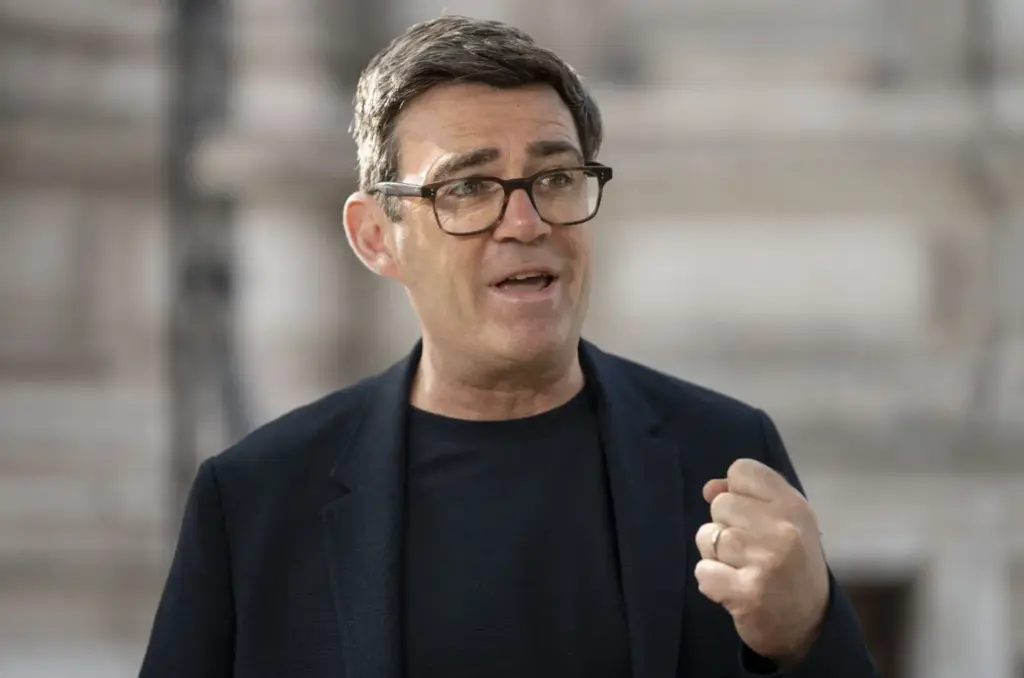
The recent Andy Burnham by-election has sparked significant debate within the Labour Party following the surprising outcome. Labour’s deputy leader, Lucy Powell, suggested that Burnham would have easily clinched a victory had he been allowed to contest this pivotal vote, which took place in the Gorton and Denton constituency. Instead, the seat was secured by the Green Party, marking a noteworthy achievement as Hannah Spencer became their latest MP, while Reform UK’s strong second-place finish raised eyebrows. The National Executive Committee’s controversial decision to block Burnham’s candidacy has ignited discussions about the party’s strategies and its response to growing competition in Greater Manchester politics. As concerns mount over the implications of the Labour Party controversy surrounding this by-election, it becomes clear that the path forward for the party is fraught with challenges and opportunities alike.
In the landscape of Greater Manchester politics, the recent by-election drama surrounding Andy Burnham highlights a crucial turning point for the Labour Party. Many involved have speculated on the potential impacts of allowing Burnham, a key figure in local governance, to run for the Gorton and Denton seat. The rise of the Green Party in this tightly contested election, alongside significant results from Reform UK, calls into question Labour’s current strategies and voter appeal. Observers note that failing to leverage Burnham’s popularity may reveal deeper vulnerabilities within the party amidst accusations of mismanagement and a lack of strategic foresight. As the political climate shifts, the outcome of this by-election serves as a warning sign for Labour’s future direction and its connection to its grassroots supporters.
Implications of the Andy Burnham By-Election Decision
The decision by Labour’s National Executive Committee (NEC) to prevent Andy Burnham from contesting the Gorton and Denton by-election could have significant implications for the party’s standing in Greater Manchester politics. Lucy Powell’s comments about Burnham’s popularity underscore the potential repercussions of this decision, as many believe he could have swayed voters in a way that the current Labour candidates couldn’t. The NEC’s reasoning, citing the costly nature of a mayoral election to replace Burnham, raises questions about priorities within the party, especially in a region where Labour has historically enjoyed strong support.
Moreover, the scrutiny over this decision highlights ongoing tensions within the Labour Party, especially as they navigate the complexities of responding to growing competition from parties like the Green Party and Reform UK. With Hannah Spencer’s victory marking the Greens’ rise in influence, the Labour Party must strategically assess how to regain ground. Burnham’s absence was felt acutely, and many analysts argue that his candidacy could have influenced the outcome, showcasing the delicate balance the NEC must strike between internal party politics and electoral viability.
Impact of Green Party’s Victory on Labour Politics
The Green Party’s recent success in securing its fifth Commons seat represents not just a victory for their candidate Hannah Spencer but also a critical challenge for Labour’s electoral strategy. The timing of this win during the Gorton and Denton by-election raises questions about Labour’s ability to connect with its traditional base in Greater Manchester. Powell’s recognition of this reality suggests that Labour must rethink its approach, especially regarding the party’s relevance among younger voters and specific demographics that the Greens have successfully attracted, like students and progressive activists.
With the emergence of the Green Party as a viable alternative, Labour cannot overlook the necessary changes that need to be made to recapture those voters. The political landscape in Greater Manchester is evolving, and Labour’s loss could serve as a powerful wake-up call. If Labour fails to adapt and resonate with constituents—particularly utilizing figures like Burnham, who embody integral Labour values—it risks allowing the Greens and other parties to further encroach on its support.
Reform UK’s Rising Influence in By-Elections
The results from the Gorton and Denton by-election have also highlighted Reform UK’s growing influence in British politics. Finishing in second place is a significant marker for a party that has often been seen as a fringe choice. The emergence of Reform UK as a contender speaks to a shifting political climate, where traditional party lines are being challenged more than ever. Their presence in a region strongly associated with Labour signifies the need for the latter to reassess its strategies and voter outreach methods to reconnect with disillusioned constituents.
As Labour grapples with its positioning amidst these emerging parties, the implications of Reform UK’s performance cannot be ignored. This shift suggests that voters are increasingly considering alternatives, particularly those offering clear and distinct policy differences. With the outcome of the by-election serving as a testing ground, it is critical for Labour to engage more proactively with its electorate and address the issues that Reform UK capitalizes on, thereby reinforcing its own identity without losing sight of evolving voter needs.
Labour Party Controversy: A Wake-Up Call
The recent by-election and the controversies surrounding Labour’s decision-making have prompted an urgent introspection within the party. Figures like Angela Rayner have called for this moment to serve as a wake-up call, catalyzing the need for Labour to communicate bolder stances and more effective policies. The decision to prevent Burnham from running not only raises questions about internal dynamics but also signifies a broader struggle to maintain relevance in an increasingly competitive political landscape.
The Labour Party’s responses to these recent challenges must reflect the values and concerns of the communities they aim to represent. Engaging with voters on critical issues and adapting to their feedback is integral if Labour hopes to reclaim its influence. Addressing the perceived disconnect that led to the by-election loss is a necessary step forward, one where leadership must be both willing and adaptable to learning from recent events.
The Role of Constituency Dynamics in By-Elections
Understanding the intricate dynamics of individual constituencies is vital for any political party, especially in contexts like the Gorton and Denton by-election. The demographic diversity of the area—including a significant Muslim community and a substantial number of students—demands tailored engagement strategies. Labour’s traditional stronghold in these neighborhoods is susceptible to shifts, as evidenced by the results. Recognizing these nuances is critical in shaping future campaign strategies and ensuring that parties like Labour maintain their relevance.
Engagement efforts must go beyond surface-level outreach; they must also genuinely connect with the core values and aspirations of local residents. Labour’s failure to pivot in this direction has opened the door for competition from both the Green Party and Reform UK. To reinstate solid support among traditional Labour voters, the party must deploy strategies that resonate with the community’s specific needs and preferences.
Greater Manchester Politics: Navigating Change
The recent by-election outcomes have served as a reflection of the shifting political landscape within Greater Manchester. The rise of both the Green Party and Reform UK points to an evolving electorate that is increasingly open to alternatives to the long-standing Labour dominance. For Labour, the implications of this change necessitate a thorough evaluation of how they engage with local communities and address their concerns, particularly in the context of socio-economic challenges that define the region.
As Greater Manchester grapples with these political transitions, Labour’s leadership must step forward with clarity and vision. Burnham’s popularity exemplifies the kind of relatable leadership that could make a difference—one that embodies the local spirit and connects with voters on a grassroots level. By harnessing this connection and insight, Labour has a chance to reinvigorate its approach and remain a significant player in the complex socio-political tapestry of Greater Manchester.
Leadership Aspirations within Labour Party
In the wake of recent electoral challenges, discussions around leadership aspirations within the Labour Party are more pertinent than ever. Andy Burnham’s potential as a leadership challenger represents a dynamic shift that could redefine the party’s direction. Seen as a figure capable of resonating with the electorate, Burnham’s candidacy in various forms could invigorate the party and reinstate a sense of purpose amid internal disputes and external pressures.
However, the path to leadership within the Labour Party is fraught with challenges, particularly as it navigates differing agendas among its members. The emphasis on collective responsibility voiced by Lucy Powell illustrates the nuanced nature of party dynamics as it reconciles ambitions and strategies going forward. For a party looking to solidify its foundations, embracing forward-thinking leadership candidates like Burnham may be the catalyst necessary to drive meaningful change at a pivotal time.
The Future of the Labour Party in Northern England
As the Labour Party reflects on its recent by-election performance, the future of its influence in Northern England hangs in the balance. The recent outcomes underscore the importance of tailoring policies that resonate with the specific needs of working-class communities. The party must not only address local issues but also build on its historical legacy in these areas, effectively demonstrating its commitment to constituents. As voters become increasingly disenchanted with the status quo, Labour’s responsiveness and adaptability will be crucial in regaining lost ground.
Furthermore, the party’s ability to engage with diverse voter bases—including those previously aligned with the Greens or Reform UK—will determine its future success in the region. Crafting a compelling narrative that speaks to residents’ aspirations and challenges is essential. By strategically realigning its focus on community engagement and practical policy solutions, Labour has the opportunity to revitalize its standing in Northern England and navigate the unpredictable waters of contemporary politics.
The Need for Strategic Adaptation in Politics
In light of the recent by-election results, the necessity for strategic adaptation within political parties has never been more evident. For Labour, the rise of alternative parties like the Green Party and Reform UK exemplifies a pressing need for a responsive political platform that meets the evolving desires of the electorate. The Labour leadership must focus on reassessing its policies and outreach strategies to reconnect with voters who may feel overlooked or disenchanted.
Moreover, acknowledging the feedback from recent electoral experiences can pave the way for significant change within the party. By learning from the electorate’s responses, Labour can create a more robust and appealing agenda that resonates across diverse demographics. Emphasizing adaptability and openness to criticism will be pivotal as Labour charts its course through these challenging political realities.
Frequently Asked Questions
What impact did the Andy Burnham by-election have on Labour Party dynamics?
The Andy Burnham by-election significantly highlighted tensions within the Labour Party. Lucy Powell, Labour’s deputy leader, suggested that Burnham’s participation could have altered the outcome, potentially preventing the Green Party from securing their fifth Commons seat. His absence, mandated by the National Executive Committee (NEC), raises questions about Labour’s strategy in Greater Manchester politics.
Why was Andy Burnham not allowed to stand in the Gorton Denton by-election?
Andy Burnham was blocked from contesting the Gorton Denton by-election by Labour’s NEC, which cited the ‘disproportionate’ costs of a mayoral election to replace him as a key reason. This decision has sparked controversy and discussion regarding the party’s approach to by-elections and candidate selection in key areas.
How did the Green Party perform in the Gorton Denton by-election?
In the Gorton Denton by-election, the Green Party performed impressively, securing their fifth seat in Parliament with Hannah Spencer being elected as their new MP. This outcome has raised questions about Labour’s electoral strategy and the dynamics of Greater Manchester politics, especially in light of Andy Burnham’s absence from the race.
What were the consequences of Labour’s decision regarding Andy Burnham’s candidacy?
Labour’s decision to prevent Andy Burnham from running in the by-election has led to scrutiny and debate within the party. Many believe that his candidacy could have influenced voter turnout and potentially altered the results, making it a critical moment for Labour to reflect on their electoral strategies and engagement in Greater Manchester.
What did Lucy Powell say about Andy Burnham’s popularity in Greater Manchester?
Lucy Powell emphasized that Andy Burnham is widely appreciated in Greater Manchester, stating he embodies the Labour values and policies that resonate with the community. She noted that his ability to connect with the constituents was a critical factor that should be harnessed by the party moving forward.
What are the implications of the by-election results for the Labour Party?
The implications of the Gorton Denton by-election results for the Labour Party are significant. The defeat, coupled with the Greens’ victory, serves as a ‘wake-up call’ for Labour. Key figures like Angela Rayner have urged for more decisive action from the party, indicating a need for reassessment of strategies in both local and national contexts.
Who voted against Andy Burnham’s candidacy in the NEC decision?
The NEC decision to block Andy Burnham’s candidacy saw a majority vote against him, including Sir Keir Starmer among the eight members opposing his run. This internal conflict reflects deeper strategic concerns within the Labour Party regarding their approach to by-elections and the broader electoral landscape.
How does this by-election affect future Labour Party leadership challenges?
The by-election’s outcome could influence future leadership dynamics within the Labour Party, particularly for figures like Andy Burnham, who is seen as a potential challenger to Sir Keir Starmer. The results may push the party to reconsider their strategies and improve connections with constituents in order to ward off challenges from parties like the Greens and Reform UK.
| Key Point | Details |
|---|---|
| Andy Burnham’s Potential Win | Labour’s deputy leader Lucy Powell stated that Burnham would likely have won the Gorton and Denton by-election if allowed to stand. |
| Green Party Success | The Green Party secured its fifth Commons seat with Hannah Spencer being elected as the newest MP. |
| Decision by Labour NEC | The National Executive Committee (NEC) prevented Burnham from contesting the by-election, citing high costs of a mayoral election as a reason. |
| Powell’s Support for Burnham | Lucy Powell was the only NEC member to vote in Burnham’s favor and acknowledged accepting collective responsibility for the decision. |
| Labour’s Loss Insights | Burnham’s popularity in Greater Manchester highlighted the need for Labour to refine its approach nationally. |
| Implications for Labour Leadership | Burnham is seen as a potential leadership challenge to Sir Keir Starmer, as he believes he offers an alternative path for the party. |
| Call for Bolder Actions | Angela Rayner referred to Labour’s loss as a wake-up call, urging for stronger government actions. |
| By-election Significance | This by-election was a critical strategic test for Labour in a working-class suburb with diverse demographics. |
Summary
The Andy Burnham by-election has underscored key challenges facing the Labour Party, particularly regarding its leadership decisions and strategic direction. As pointed out by Lucy Powell, Burnham’s potential candidacy could have shifted the election outcome, emphasizing the public’s favor for his leadership in Greater Manchester. This situation highlights vital lessons for Labour on the importance of aligning with grassroots sentiments and delivering resonant policies to regain voter trust.