
Listen to this article
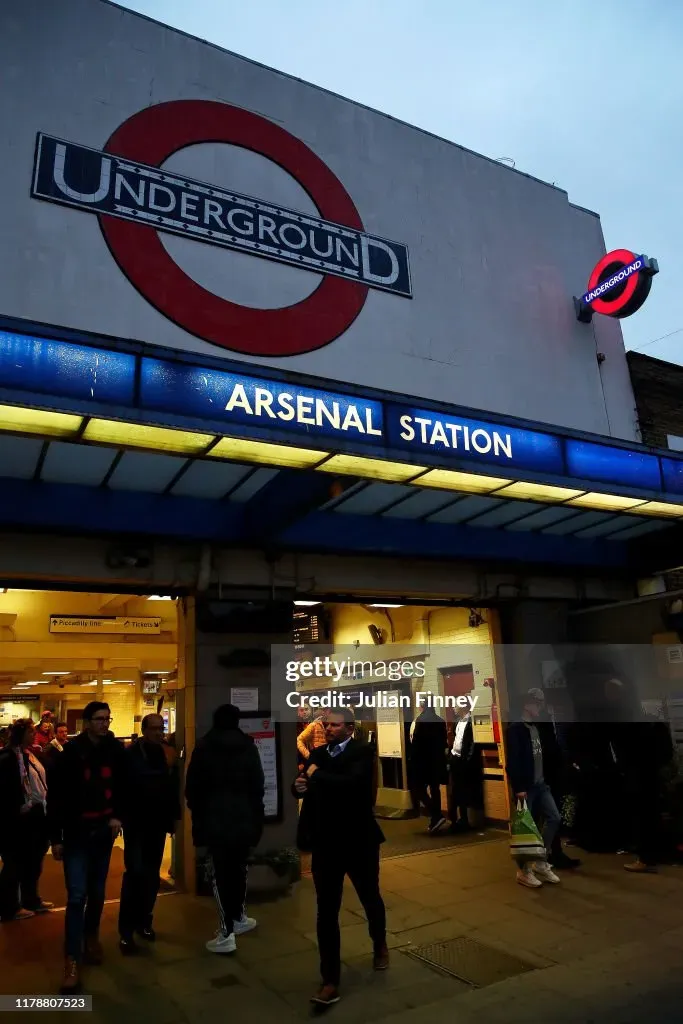
Arsenal Underground Station, a distinctive gem in the London Underground network, often sparks curiosity among commuters and football enthusiasts alike. Strikingly, this station is located approximately 13 miles from the historical Woolwich Arsenal, which served as the birthplace of the Arsenal football club in the late 19th century. This fascinating peculiarities of the Tube map give rise to debates about name relevance and geography within the city’s bustling atmosphere. Many fans advocate for the station name to remain tied to Arsenal FC, reflecting the club’s rich legacy. Additionally, with the recent developments around Highbury station, Arsenal Underground continues to remind both locals and visitors of its unique connection to London’s football culture and local history.
The fascinating dynamics of Arsenal Underground Station offer a compelling perspective on London’s vibrant transport system and its connection to football heritage. Known for its unique placement on the Tube map, this station highlights the intriguing relationship between urban geography and sports culture. The legacy of the local club, Arsenal FC, and its historical ties to Woolwich Arsenal create an engaging narrative for both residents and tourists alike. Enhanced by its proximity to Highbury station, the area remains a hub of activity, breathing life into the stories of London’s extensive underground railways. Understanding the context of these stations, including Tube map anomalies, helps to appreciate the depth of London’s transportation history and the nuances of its celebrated sports teams.
Understanding Arsenal Underground Station’s Historical Context
Arsenal Underground Station, located on the Piccadilly Line in Zone 2, holds a rich and somewhat paradoxical history. Originally named Woolwich Arsenal, the station was established in the 19th century when the Arsenal munitions factory was in full operation. With the relocation of Arsenal Football Club in 1913 from Woolwich to North London, the name persisted, becoming a source of confusion for many who traverse the London Underground. The attachment to the football club has only strengthened since, as supporters have advocated for the name to remain synonymous with their beloved team.
The geographical anomaly of Arsenal station being 13 miles from Woolwich raises eyebrows, particularly when considering the club’s history intertwined with its original name. The renaming of nearby Gillespie Road to Arsenal in 1932, as it served fans attending matches at Highbury Stadium, further adds layers to this narrative. Today, this station is not just a stop along the Tube map; it embodies a significant chapter in the history of Arsenal FC, reflecting the deep-rooted connections between London’s transport system and its sporting heritage.
The Tube Map Anomalies and Their Significance
Within the broader context of London Underground stations, Arsenal station exemplifies the many quirks present on the Tube map. Travelers might be surprised to find this station not only far from the club it represents but also obscured by the deeper significance of its name. This peculiarity is not unique to Arsenal; several other stations, like West Ham and Wimbledon, also reflect local sports teams. Such anomalies act as a reminder of the historical tapestry woven through London’s transport framework, making every journey a lesson in the city’s cultural history.
Understanding these Tube map anomalies provides insights into the city’s evolution and the influence of sports on its identity. In the case of Arsenal, local fans have embraced their station as a symbol of loyalty to their club despite the geographical misalignment. The culture surrounding the various London Underground stations showcases the powerful interplay between transit and community identity, offering an intriguing lens through which to explore the ongoing relationship between Londoners and their historic clubs.
From Woolwich Arsenal to the Emirates: A Journey Through Time
Tracing the journey of Arsenal Football Club from Woolwich Arsenal to its current home at the Emirates Stadium connects deeply with the history of the London Underground. The original station represented the working-class roots of the club, associated with the munitions factory where many supporters found employment. As the club transitioned to North London, the significance of location was transformed, yet the spirit of the club remained. This shift highlights the resilience of community ties as they adapt over time, reflected not just in the move but in the continued relevance of Arsenal station on the Tube map.
The redevelopment of the old Highbury stadium into residential flats in 2006 symbolizes a new chapter for Arsenal FC and its fans. Residences now occupy what was once a venue of vibrant matchday atmospheres, while the echoes of history resonate through the old turnstiles. For visitors arriving via Arsenal underground, this station serves as a gateway to the legacy of a club that has witnessed tremendous evolution. The historical importance remains palpable, making each visit a pilgrimage for supporters eager to connect with both the present and the past.
Connecting with the Legacy of Highbury Station
Neighboring Arsenal station, Highbury & Islington station carries its own historical significance intertwined with that of Arsenal FC. It is the closest station to the Emirates Stadium, making it a popular choice for matchday travelers. Originally serving the area since 1907, Highbury & Islington has retained its importance even after the club’s relocation. This proximity to the birthplace of the club’s storied past connects fans more closely to their roots, often prompting a sense of nostalgia among eager supporters.
The dichotomy between Arsenal station and Highbury & Islington illustrates a unique aspect of London’s transport network. While Arsenal station may represent a historical marker connected to the club’s legacy, Highbury & Islington emphasizes the club’s present-day identity. Both stations create a travel experience that is rich with heritage—a journey not just of distance but of time, linking supporters to eras of glory, hardship, and an unyielding community spirit present in the heart of North London.
Woolwich Arsenal: A Historical Overview
The history of Woolwich Arsenal serves as a profound backdrop to the English football landscape, especially regarding Arsenal Football Club. Established near the Royal Arsenal, the club’s origins reflect industrial roots deeply tied to the local community. This historical context is crucial in understanding how names and locations shape the identities we associate with them, including sports organizations. Woolwich served not only as a home for the club but also as a symbol of working-class pride and local heritage.
As the club transitioned to become known simply as Arsenal, it left behind a name rich with memories while embracing new opportunities in North London. This shift was significant, marking a change from a location tied to the military and labor to one focusing more on cultural and sporting identity. Woolwich Arsenal station acted as a crucial link during this transformation, maintaining the physical connection to the club’s roots while navigating its future amidst changing urban landscapes.
Other London Underground Stations with Sports Ties
While Arsenal station represents a unique case, it is not alone in its connection to local sports teams. The likes of West Ham and Wimbledon stations also signify moments in British sports history, providing transit options for fans flocking to events at these respective clubs. These stations have become vital intersections where sport and urban life converge, fostering a sense of belonging among supporters that transcends mere allegiance to team colors.
Similar to Arsenal fans advocating for their station’s name, the communities surrounding these other sports-affiliated stations embody an unwavering spirit. These connections to sport serve to redefine not only how supporters travel to their matches but also how they identify with their cities. In this light, the London Underground becomes a rich narrative tapestry, uniting the past with the present and ensuring that every stop on the Tube is steeped in local culture and emotion.
Impact of Urban Development on Arsenal Station
The impact of urban development surrounding Arsenal station captures the transformation of a once-quiet area into a vibrant hub for sports and community life. With the redevelopment of the Highbury stadium and the construction surrounding the Emirates Stadium, the landscape has significantly changed, bringing new populations and cultural dynamics to the area. As a result, the role of Arsenal station as a transit hub has evolved, adapting to accommodate the increasing presence of football fans and local residents alike.
This ongoing urban evolution not only transforms the immediate vicinity of the underground station, but it also reshapes the identity of Arsenal FC. As the community grows and diversifies, so too does the club’s fanbase, increasing the significance of connection points like Arsenal station. Such developments highlight the importance of maintaining a relationship with local heritage while fostering inclusivity, allowing for a celebratory melding of past, present, and future in the hearts of supporters.
Navigating the London Underground: Tips for Arsenal FC Fans
For Arsenal FC fans using the London Underground, navigating the city’s extensive transport network can be made easier with a few strategic tips. Familiarizing oneself with key stations such as Arsenal and Highbury & Islington is crucial, especially on match days when crowds can swell. Real-time updates on train schedules and potential delays can significantly enhance the travel experience, allowing fans to reach the Emirates Stadium with ease and enjoy the match-day festivities without undue stress.
Additionally, leveraging resources such as the Tube map apps and online forums discussing public transport can provide invaluable insights into the best routes and alternatives. Whether it’s avoiding congestion during peak hours or finding the quickest connections, being proactive in planning will allow fans to experience the thrill of attending Arsenal matches fully. By staying informed, supporters can smoothly transition from the chaos of the city to the excitement of the pitch, ready to cheer on their team.
The Future of Arsenal Station in London’s Urban Fabric
Looking ahead, Arsenal station stands as a vital component of London’s urban fabric, especially as the city continues to grow. Planned developments and infrastructure improvements may further enhance its utility for commuters and match-day fans alike. Discussions around transport efficiency include potential upgrades to accessibility for those with mobility challenges, ensuring that all supporters can enjoy the experience of attending matches at the Emirates Stadium.
As the city of London evolves, so does Arsenal station’s role within this journey. More than just a stop on the Tube map, it represents the resilience and passion of a community that thrives on its sporting heritage. How this station will adapt in the future remains to be seen, but its significance is sure to endure as a pivotal link between the past, present, and future of Arsenal Football Club and its fans.
Frequently Asked Questions
What is the historical significance of Arsenal Underground Station?
Arsenal Underground Station, originally named Woolwich Arsenal, plays a crucial role in the history of Arsenal Football Club. Established in the 19th century to reflect the club’s origins linked to the munitions factory in Woolwich, the station symbolizes the deep-rooted connection between the local community and the team. It was renamed to simply Arsenal in 1913 when the club relocated to North London.
How far is Arsenal Underground Station from the Arsenal football club?
Arsenal Underground Station is located approximately 13 miles from the original geographical bearing of the football club’s name, Woolwich. The station is situated on the Piccadilly Line, between Holloway Road and Finsbury Park, making it a notably distant yet iconic station associated with Arsenal FC.
Why do Arsenal fans want to keep the name of Arsenal Underground Station?
Arsenal fans campaigned to retain the Arsenal name for the Underground station to ensure its enduring association with the football club. This pride reflects their loyalty and connection to Arsenal FC, especially as the station serves as a vital landmark for supporters heading to matches.
What other stations are similarly named in the London Underground?
In addition to Arsenal Underground Station, several other London Underground stations share names with local football clubs, such as West Ham and Wimbledon. These naming conventions reflect the rich history and cultural significance of the various clubs within the London area.
Is Highbury station closer to Arsenal FC than Arsenal Underground Station?
Yes, Highbury & Islington station is actually closer to Arsenal FC’s Emirates Stadium compared to Arsenal Underground Station. While Arsenal station is part of the Piccadilly Line, Highbury & Islington provides easier access for fans attending games at the club’s current home.
Are there any Tube map anomalies related to Arsenal Underground Station?
Yes, Arsenal Underground Station is considered an anomaly on the Tube map because it is not geographically near to the area its name suggests. In fact, the original Woolwich Arsenal station, also named after the football club’s origins, lies in South London, furthering the complexities of London Underground station names.
What happened to the original Highbury stadium?
After Arsenal FC relocated to the Emirates Stadium in 2006, the old Highbury stadium was repurposed and redeveloped into residential flats. This redevelopment retained parts of the original stadium structure, such as the east and west stands, allowing residents to use the historic turnstiles.
Where can I find Woolwich Arsenal history in relation to the Underground station?
Woolwich Arsenal’s history is deeply intertwined with Arsenal Underground Station, as the station was initially named after the munitions factory where Arsenal FC originated. By exploring the historical context of the club’s evolution, fans can gain insight into how the Underground station’s identity reflects the club’s legacy.
| Key Point | Details |
|---|---|
| Arsenal Underground Station Location | Located 13 miles from Woolwich Arsenal, the original site linked to Arsenal FC. |
| Historical Background of the Station | Originally named Woolwich Arsenal, reflecting its link to the Arsenal munitions factory. |
| Football Club’s Influence | Renamed to Arsenal in 1913 after the club moved to North London. |
| Renaming of Nearby Stations | Gillespie Road was renamed Arsenal (Hillbury Hill) in 1932, now just Arsenal. |
| Current Usage of Old Stadium Site | The old Highbury stadium site is now residential flats, preserving some original features. |
| Proximity to Other Stations | Highbury & Islington is closer to the current club than Arsenal station itself. |
| Other Similar Stations | Other stations with similar naming include West Ham and Wimbledon. |
Summary
Arsenal Underground Station is a captivating point of interest for not just passengers but also football fans. Situated 13 miles away from its geographical namesake, the station maintains its connection to Arsenal FC, showcasing the rich history and identity of the club. Originally known as Woolwich Arsenal to commemorate the munitions factory, it reflects the club’s evolution and its significant ties to North London. Despite the complexities of its naming and nearby stations, Arsenal Underground Station remains a symbol of loyalty among fans and a vital part of London’s transport landscape.