
Listen to this article
Remote work has emerged as a defining feature of the modern professional landscape, allowing employees to enjoy unparalleled flexibility and autonomy. As businesses increasingly adapt to this model, understanding the intricacies of working remotely becomes paramount for leaders aiming to boost business productivity. By harnessing technology for remote work, organizations can manage remote teams effectively, ensuring seamless communication and collaboration. This digital transformation not only helps maintain employee engagement but also enhances overall performance across the board. In this article, we will delve into practical strategies for navigating the challenges of remote work, setting the foundation for a thriving and sustainable workplace.
The shift to a flexible work environment has introduced new dynamics in how teams operate, often referred to as virtual employment or telecommuting. With advancements in technology paving the way for this transition, organizations must prioritize effective remote team management to foster a cohesive and productive atmosphere. Emphasizing the need for digital tools and resources has become essential as businesses strive to maintain operational efficiency in this new normal. Moreover, the adoption of a culture that supports remote working not only aids in fulfilling employee needs but also aligns with broader trends in the corporate world. As we explore this topic, we will uncover key insights into optimizing your workforce for success in an era where boundaries of the traditional workplace are continually redefined.
Embracing Technology: The Backbone of Remote Work
In today’s digital landscape, embracing technology is undoubtedly the backbone of successful remote work. Companies that prioritize the integration of advanced tools not only streamline their operations but also enhance overall business productivity. For instance, utilizing communication platforms like Slack or Zoom fosters instant collaboration, allowing teams to share ideas effectively without the typical constraints of physical offices. Consequently, employees experience a more connected workspace that facilitates teamwork, regardless of geographical barriers.
Additionally, adopting project management software such as Asana or Trello empowers teams to stay organized and aligned on project objectives. These tools provide visual progress tracking and promote accountability amongst team members, ensuring that everyone is on the same page. Through the use of cloud storage solutions like Google Drive, employees can access files from anywhere, which solidifies the foundation necessary for a seamless remote work environment.
Building a Trusting Remote Work Culture
Cultivating a healthy remote work culture is integral for harnessing the full potential of a distributed workforce. A key element is setting clear expectations for all employees. When organizations communicate roles and responsibilities explicitly, it eliminates ambiguity and enhances efficiency. Regular check-ins help maintain transparency and foster a sense of camaraderie, replicating the supportive atmosphere found in traditional office settings.
Moreover, promoting work-life balance in a remote setup can mitigate the risk of burnout among employees. Encouraging flexible working hours and recognizing the importance of self-care activities not only boosts morale but also enhances productivity. Celebrating achievements, no matter how small, adds a personal touch that can reinforce an employee’s sense of belonging within the team.
Investing in Continuous Learning and Development
In the remote work landscape, investing in employee development is more important than ever. Offering online training resources, webinars, and personalized learning paths allows team members to enhance their skill sets at their own pace. This targeted approach not only fosters individual growth but also equips employees with innovative tools and techniques that can elevate their performance in line with business goals.
Furthermore, establishing mentorship programs in a remote setting builds vital relationships that encourage professional development. Equipped with the right guidance, employees are more likely to thrive and contribute meaningfully to the organization. Implementing robust feedback mechanisms ensures that employees receive constructive criticism and praise, ultimately creating a culture of continuous improvement.
Ensuring Robust Security Measures for Remote Teams
With the rise of remote work, businesses must prioritize security to protect sensitive information. Transitioning to remote operations can expose organizations to various cybersecurity threats, emphasizing the need for secure connections like VPNs. Using encryption methods and secure access protocols is essential for safeguarding data while allowing employees flexibility in their work habits.
Moreover, conducting regular security training sessions keeps employees informed about best practices, such as recognizing phishing attempts and managing their passwords effectively. Data compliance is another critical component; organizations must ensure their teams are well-versed in industry-specific data protection regulations. Ongoing training and updates reinforce the significance of security in the remote work environment and safeguard business continuity.
Leadership Strategies for Remote Success
Leading a remote team comes with its own set of challenges, but effective leadership strategies can foster a thriving work environment. Frequent check-ins through one-on-one and team meetings establish open lines of communication. This not only helps address concerns promptly but also allows leaders to monitor project progress proactively, ensuring that no team member feels isolated or unsupported.
Furthermore, fostering autonomy is essential for remote teams. Allowing employees to dictate their work hours and manage their tasks instills a sense of ownership and responsibility. When leaders trust their teams to perform, it cultivates creative freedom and enhances morale, resulting in high levels of engagement and productivity.
The Importance of Effective Communication in Remote Work
Effective communication is the linchpin of successful remote work operations. Establishing transparent channels of communication throughout the organization is essential for fostering collaboration among team members. Leaders should regularly solicit feedback from their teams, creating a culture of openness where ideas and concerns can be freely expressed.
Additionally, integrating various communication tools tailored to different purposes can significantly enhance workflow. Video conferencing, instant messaging, and project management platforms should be utilized appropriately to ensure that all team members can contribute effectively, regardless of their physical location. This multi-faceted approach to communication not only bridges the distance gap but also reinforces team cohesion.
The Future of Work: Adapting to Change
As businesses continue to navigate the landscape of digital transformation, adaptability will define successful remote operations. Organizations must remain flexible in their strategies and embrace new technologies that enable smarter ways of working. This not only prepares them for unforeseen challenges but also positions them as leaders in innovation within the industry.
Moreover, understanding evolving employee expectations and incorporating feedback into organizational strategies enhances retention rates and employee satisfaction. By focusing on creating a productive remote work culture now, companies can set themselves up for long-term success as the future of work continues to evolve.
Frequently Asked Questions
What are the key benefits of remote work for businesses?
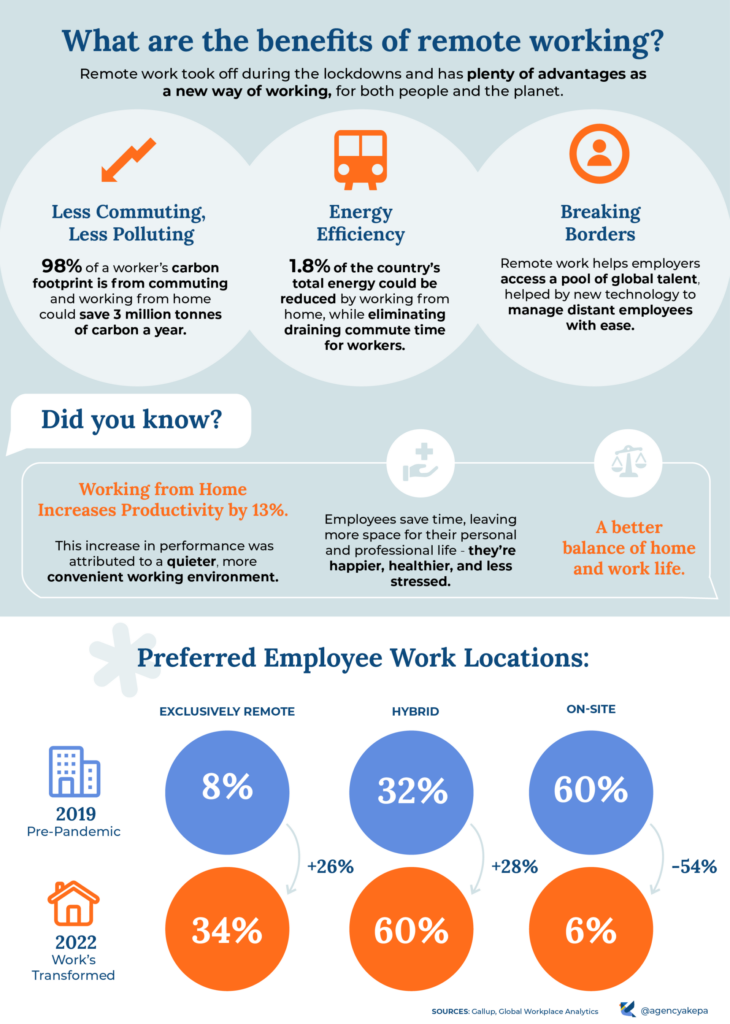
Remote work offers numerous benefits, including increased flexibility, reduced overhead costs, and access to a global talent pool. By embracing remote work, businesses can enhance productivity, improve employee satisfaction, and streamline operations.
How can technology improve remote team management?
Technology is essential for effective remote team management. Tools such as Slack for communication, Trello for project management, and Zoom for video conferencing enable seamless collaboration and keep teams aligned, regardless of their locations.
What strategies help maintain productivity in a remote work environment?
To maintain productivity while working remotely, set clear expectations, leverage project management software, and encourage regular check-ins. Additionally, promoting a work-life balance and recognizing achievements can significantly boost employee motivation and output.
What are the best communication tools for teams working remotely?
Some of the best communication tools for remote teams include Slack for instant messaging, Microsoft Teams for collaborative workspaces, and Zoom for video calls. These platforms facilitate real-time communication, enhancing collaboration among team members.
How do I cultivate a positive remote work culture?
Cultivating a positive remote work culture involves promoting trust and transparency, setting clear expectations, and recognizing employee contributions. Encourage flexible working hours and provide opportunities for team-building activities to enhance connections among remote workers.
What steps can businesses take to ensure data security in remote work?
Businesses can ensure data security in remote work by implementing secure connections through VPNs, conducting regular cybersecurity training, and maintaining compliance with data protection regulations. It’s crucial to equip employees with the knowledge to recognize potential risks.
How can organizations invest in employee development while working remotely?
Organizations can invest in employee development by offering online training courses, facilitating virtual mentorship programs, and providing access to learning resources. Regular feedback mechanisms and performance reviews also foster growth and engagement for remote employees.
| Key Point | Description |
|---|---|
| Embracing Technology | Invest in communication tools, project management software, and cloud storage solutions to enable efficiency and collaboration. |
| Cultivating a Remote Work Culture | Set clear expectations, promote work-life balance and recognize achievements to enhance employee morale and productivity. |
| Training and Development | Offer online training, mentorship programs, and a feedback mechanism to support employee growth and engagement. |
| Security and Compliance | Implement secure connections, training on cybersecurity, and ensure compliance with data protection regulations. |
| Effective Leadership Strategies | Conduct frequent check-ins, foster autonomy, and maintain transparent communication to lead remote teams effectively. |
Summary
Remote work is becoming the new norm in the business world, and successfully navigating it requires companies to adapt and transform their practices. Engaging in key areas like technology, culture, training, security, and leadership can unlock the full potential of a remote workforce. When organizations prioritize these aspects, they set themselves up for a productive and fulfilling remote work environment. It’s vital for company leaders to embrace this shift and take proactive steps in making remote work not just feasible, but also a driving force for success.

