
Listen to this article
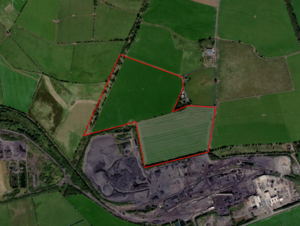
The proposal for a data centre Ayrshire, initiated by ILI Group in Hurlford, has sparked significant debate among local residents. Set to span across a massive 100 hectares, this technology hub aims to be a cornerstone of the burgeoning AI data centre industry in Scotland. Proponents highlight the potential for economic revitalization, arguing it could bring numerous job opportunities and boost community investment in the Ayrshire technology hub. However, concerns related to water usage and environmental impact have surfaced, casting a shadow over the project’s promise. Ultimately, the establishment of a cutting-edge data centre in Ayrshire could redefine the region’s technological landscape, balancing innovation with community needs.
The vision of a high-capacity digital facility in Ayrshire, specifically in Hurlford, represents a pivotal moment for the region’s technological aspirations. With the rise of artificial intelligence and data processing demands, an advanced data repository could position Ayrshire as a central player in Scotland’s tech infrastructure. Engaging with the local community and addressing concerns regarding sustainability, the ILI Group’s project could also serve as a showcase for responsible growth within the tech sector. As discussions unfold, the implications of such an initiative extend beyond mere economic figures, focusing on creating a symbiotic relationship between technological advancement and local community enrichment. Indeed, transforming farmland into a digital ecosystem presents a unique opportunity to foster innovation while maintaining ecological integrity.
The Promise of the AI Data Centre in Ayrshire
The proposed AI data centre in Ayrshire, spearheaded by ILI Group, holds immense promise for the local economy and job market. Located in Hurlford, this facility aims to be one of the largest of its kind in Scotland, positioning the region as a burgeoning technology hub. By creating approximately 150 jobs, from technical roles to essential support positions, this initiative signals a shift towards a modern economy in a region that has historically struggled with industrial decline.
In addition to immediate job creation, the development of a data centre community in Ayrshire could stimulate indirect employment opportunities. Local businesses might thrive with increased demand for services, creating a ripple effect that boosts the overall economy. With projected investments reaching billions, this initiative exemplifies how technology and economic growth can intertwine to revitalize areas previously reliant on traditional industries.
Environmental Concerns and Local Resistance
Despite the potential benefits, the push for the data centre has met with significant resistance from local residents, primarily driven by environmental concerns. Critics, like student Lisa Beacham, have highlighted the intensive water requirements necessary for cooling operations in such facilities. The prospect of millions of litres of water being diverted daily raises valid questions about sustainable resource management, particularly in a country known for its wet climate yet facing global challenges in water conservation.
Additionally, the ecological footprint of constructing a large data centre warrants careful consideration. As ILI Group plans to integrate biodiversity and landscaping onto the site, there remains skepticism about whether these efforts can effectively offset the environmental impact. The concerns reflect broader fears associated with the growth of AI data centres across Scotland, emphasizing the need for responsible development that prioritizes environmental health alongside economic growth.
Empowering the Local Workforce
One of the pivotal discussions surrounding the Ayrshire data centre is the empowerment of the local workforce. As ILI Group proposes to hire around 150 individuals, there is a critical emphasis on ensuring that job offerings are accessible to Hurlford residents. Stakeholders argue that for the project to be a true benefit to the community, comprehensive training programs must be established, enabling locals to meet the specialized skill demands of technology-focused roles.
Moreover, the potential for a significant workforce expansion highlights the importance of education and training initiatives in the region. Investing in local talent not only addresses immediate employment gaps but also fosters a more robust technology community moving forward. By prioritizing upskilling for existing residents, the data centre can significantly close the skills gap, which has often been cited as a barrier to employment in the tech sector.
Economic Impact and Long-Term Viability
The economic impact of ILI Group’s data centre project in Ayrshire cannot be overstated. By infusing an estimated billion into the local economy, the data centre has the potential to transform the region into a key player in the tech industry. With applications for data centres on the rise across Scotland, Ayrshire’s strategic positioning could attract further investment, fostering a dynamic tech environment that attracts both startups and established companies seeking to expand.
However, residents and experts alike emphasize the need for thorough assessments of the project’s long-term viability. Questions abound regarding whether the initial surge in economic activity will translate into sustainable growth or if it could later lead to a heavy reliance on a single industry. Community leaders advocate for a diversified economic strategy that incorporates the data centre’s benefits while fostering resilience against future market fluctuations.
The Redefining Role of Data Centres in Communities
As the narrative around data centres evolves, their role in communities is also redefined. ILI Group’s proposal in Hurlford illustrates this trend, where technology advancements are increasingly viewed not just as economic catalysts but also as community partners. By engaging residents in discussions about the potential benefits and challenges, such centres can foster a shared vision for community growth.
Moreover, the involvement of local councils and stakeholders is crucial for aligning the interests of the business and the community. This collaborative approach can lead to innovative solutions that address residents’ concerns while promoting economic development. By embracing this partnership model, data centres can become integral components of a thriving community, helping to shape a positive future for regions like Ayrshire.
Community Engagement and Consultation Efforts
Engagement with local communities is a cornerstone of successful data centre projects. ILI Group has made efforts to consult with residents in Kilmarnock and Hurlford to better understand their concerns about the proposed facility. These consultations are vital for creating transparency and trust, enabling residents to voice their opinions while providing the company with critical insights that can shape the project.
Effective communication channels that allow for community feedback will not only enhance the project’s acceptance but can also lead to modifications that align more closely with local needs. By fostering an ongoing dialogue, the data centre’s developers can address environmental, economic, and social concerns, ultimately creating a facility that is perceived as a beneficial addition to the community rather than an encroachment.
Strategies for Sustainable Development in Data Centres
Sustainability is a key consideration for the proposed data centre in Ayrshire. As concerns regarding energy consumption and water usage take center stage, ILI Group emphasizes the need for innovative solutions that mitigate ecological footprints. By exploring options like renewable energy sources and rainwater harvesting technologies, the project can uphold commitments to sustainability while meeting operational demands.
Moreover, implementing green building standards can enhance the facility’s sustainability credentials. This approach reflects a growing trend where data centres are designed not just for efficiency but as part of an integrated ecosystem that values environmental stewardship. Such strategies not only benefit the immediate area but also position Ayrshire as a leader in sustainable technology practices across Scotland.
The Future of Ayrshire as a Technology Hub
The potential development of a data centre in Hurlford marks a significant step towards establishing Ayrshire as a recognized technology hub in Scotland. By attracting key players in the AI sector, the region stands to benefit from a network of tech-driven initiatives that could redefine its economic landscape. This anticipated transformation is a result of both strategic planning and the region’s inherent resources.
To bolster its position as a technology hub, proactive measures must be taken to cultivate a supportive environment for innovation. Encouraging partnerships between educational institutions and tech companies could further enhance skills training initiatives, ensuring that the local workforce is prepared for the future job market. As strides are made towards this vision, Ayrshire has the opportunity to emerge as a vibrant centre for technology and innovation.
Challenges Ahead for the Data Centre Initiative
Despite the optimism surrounding the establishment of an AI data centre in Ayrshire, several challenges must be navigated. Chief among these are the varied opinions from local residents, with some expressing strong concerns about environmental and infrastructural impacts. Addressing these challenges head-on through informed dialogue and responsible planning is essential for the project’s success.
Additionally, balancing rapid technological advancement with community interests represents a crucial hurdle for ILI Group. As the proposal moves through planning stages, stakeholders must remain adaptable and responsive to feedback, demonstrating a genuine commitment to the community’s well-being. By doing so, they can work towards dispelling fears and fostering a collaborative environment that harnesses the potential of technology for regional improvement.
Frequently Asked Questions
What potential impact will the proposed data centre in Ayrshire have on the local economy?
The proposed data centre in Ayrshire, specifically in Hurlford, aims to revitalize the local economy by creating around 120 to 150 jobs, ranging from security to specialized tech roles. ILI Group anticipates that this development will inject billions into Scotland’s economy and funnel investment back into the local community.
How does the Hurlford data centre plan to address environmental concerns?
The Hurlford data centre, developed by ILI Group, intends to mitigate environmental concerns by reserving a significant portion of the 100-hectare site for biodiversity and landscaping. Additionally, ILI proposes rainwater harvesting as a solution for cooling systems, addressing worries regarding water usage.
What is the scale of the proposed AI data centre Scotland is planning for Hurlford?
The AI data centre planned for Hurlford is projected to be one of the largest in the world, covering approximately 100 hectares (250 acres) and designed to be more than twice the size of many existing leading data centres. This ambitious project is part of the broader Stoics data cluster initiative.
What are the main concerns residents have about the Ayrshire technology hub?
Residents near the proposed Ayrshire technology hub express concerns primarily focused on water usage for cooling, potential job availability for locals, and the overall impact on the community. Specific issues include the projected high water consumption of about 6 billion litres annually and whether local workers will receive adequate training for the jobs created.
How will ILI Group ensure job creation for locals at the Hurlford data centre?
ILI Group has stated that they aim to create around 120 to 150 jobs through the development of the Hurlford data centre. However, there are concerns about whether locals will receive sufficient training and upskilling to fill these roles. ILI has indicated potential collaboration with local training programs to ensure community members can participate.
What is the significance of the Stoics project in Ayrshire?
The Stoics project in Ayrshire represents a significant investment in the local economy, aiming to establish a data centre cluster across multiple locations in Scotland, including Ayrshire. This project is expected to not only generate jobs and stimulate local investment but also positions Ayrshire as a key player in Scotland’s technology landscape.
| Key Points | Details |
|---|---|
| Location | Hurlford, near HMP Kilmarnock, East Ayrshire. |
| Proposed Size | Approximately 100 hectares (250 acres), similar in size to the prison. |
| Developer | ILI Group, which plans to create a technology hub called the Stoics. |
| Community Impact | Potential to revitalize the region by providing jobs and investment, but facing local resistance. |
| Job Creation | Estimated to generate 120 to 150 jobs, spanning various sectors. |
| Concerns from Locals | Issues around water usage, environmental impact, and local employment opportunities. |
| Environmental Concerns | Opposition citing potential negative effects on biodiversity and local resources. |
Summary
The proposed data centre in Ayrshire by ILI Group has the potential to significantly impact the local economy and community. While it promises to create jobs and attract investment, concerns surrounding water usage, environmental sustainability, and the effectiveness of local workforce training persist. Engaging with community feedback will be crucial to strike a balance between development and local ecological integrity as discussions progress about the data centre in Ayrshire.

