
Listen to this article
Simpson’s in the Strand stands as a celebrated beacon of London dining, with a rich history dating back to 1828. Renowned for its dedication to British cuisine, this iconic establishment embodies the grandeur and elegance of historical restaurants in the heart of the capital. As it reopens its doors just in time for its bicentenary, restaurateur Jeremy King breathes new life into this venerated venue, preserving its heritage while signaling a thrilling restaurant revival. From its distinctive wheeled silver trolleys to its stately Edwardian decor, Simpson’s offers not just meals but a mesmerizing culinary journey through time. Set to attract both food enthusiasts and those seeking an authentic taste of history, Simpson’s in the Strand is indeed a must-visit for anyone wishing to indulge in London’s illustrious dining scene.
In the world of fine dining, few names resonate like Simpson’s in the Strand, a hallmark of British gastronomic excellence steeped in tradition. Known for its opulent setting and historical value, this cherished restaurant exemplifies the essence of gourmet experiences in London. With Jeremy King at the helm, the revival of this iconic eatery signals a new chapter, one that promises to honor its storied past while appealing to a modern audience. The legacy of Simpson’s, with its ties to various famous patrons and the introduction of unique service styles, showcases the importance of preserving culinary history amidst changing dining landscapes. For those seeking an exquisite blend of nostalgia and culinary brilliance, Simpson’s serves as a quintessential destination in the realm of British gastronomy.
The Historical Significance of Simpson’s in the Strand
Simpson’s in the Strand stands as a testament to London’s rich dining heritage, having first opened its doors in 1828. Initially founded as a coffee and chess club, the establishment quickly became synonymous with British culture and cuisine. Its innovative use of wheeled silver trolleys to serve meals allowed chess enthusiasts to savor delectable roasts without disruption, showcasing an early commitment to customer experience that resonates even today. This historical significance is not lost on Londoners, who see the restaurant not just as a place to dine, but as a chapter in the city’s vibrant story.
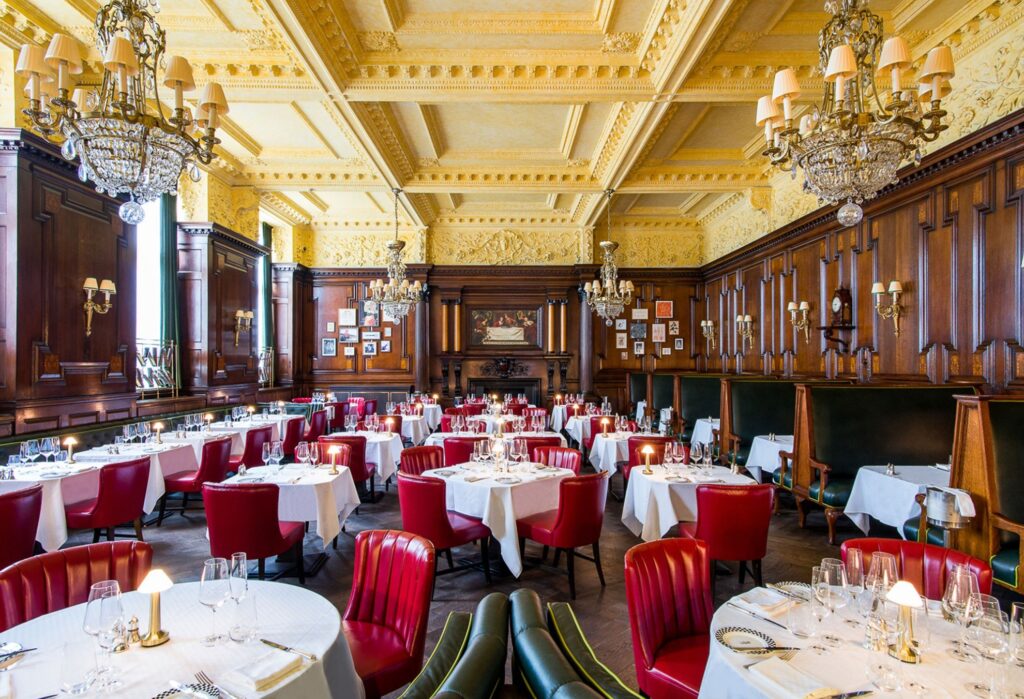
Over the years, Simpson’s has welcomed forerunners of British literature and politics, earning its place in the hearts of patrons like Charles Dickens and Winston Churchill. The decision in the 1860s to eschew the French term ‘menu’ for ‘bill of fare’ reinforced its identity as a bastion of British culinary tradition. This allegiance to heritage has preserved its grand ambiance, characterized by ornate woodwork and Edwardian opulence, a feeling of nostalgia that serves as a comforting reminder of London’s past in a rapidly changing modern landscape.
Jeremy King: Reviving a Culinary Institution
Jeremy King’s involvement in the revival of Simpson’s in the Strand demonstrates a deep respect for the restaurant’s history while embracing the need for modernity. Having previously owned renowned establishments like Le Caprice and the Ivy, King brings a wealth of experience to this venture. His vision is not merely to restore the facade of Simpson’s but to breathe new life into its culinary offerings, ensuring they resonate with both traditionalists and contemporary diners alike. For King, this undertaking is not just another restaurant opening—it is the culmination of his lifelong passion for historical dining venues.
King’s commitment goes beyond simply keeping the traditions alive; he aims to re-contextualize them for today’s audience. By emphasizing the role of the dining experience—where ambiance, food, and service intertwine—he intends to craft a space that appeals to both locals and tourists alike. Critics note that while some historic restaurants risk becoming mere museums of their former selves, King appears to be the right custodian to rejuvenate Simpson’s, ensuring that every guest walks away with not just a meal but a memorable experience.
British Cuisine: Celebrating Tradition with a Modern Twist
Simpson’s in the Strand prides itself on championing British cuisine at its finest, with signature dishes that pay homage to classic flavors while offering a contemporary twist. The long-standing tradition of serving roast beef, for instance, remains central to their menu, lovingly prepared and presented as it has been for centuries. Patrons can expect not only authenticity but also innovation, as King and his team craft dishes that highlight seasonal ingredients and modern cooking techniques, ensuring that each visit invites exploration of new dimensions of British fare.
Moreover, the revival effort at Simpson’s coincides with a broader trend in London’s dining scene, where traditional British cuisine is being reimagined and celebrated in exciting ways. This reflects a nationwide resurgence in interest regarding local produce and heritage foods, encouraging chefs to look back to their roots. The aim is to showcase the richness of British culinary heritage while adapting it to suit contemporary palates, thereby inviting a new generation to relish the flavors that have shaped the country’s gastronomic identity.
The Role of Atmosphere in Dining at Simpson’s
The atmosphere at Simpson’s in the Strand is a significant part of its allure, where the decor’s Edwardian opulence provides an unforgettable backdrop for the dining experience. The polished wood, gilded mirrors, and crystal chandeliers do not merely serve as decoration; they set the stage for a culinary journey that honors both the past and the present. Dine beneath the twinkling chandeliers and you get a taste of the grandeur associated with historic British dining rooms, a feeling cultivated over two centuries.
Creating a memorable dining atmosphere is paramount in modern restaurant culture, and King recognizes that the charm of Simpson’s extends well beyond the menu. It’s about feeling enveloped in a space that respects its heritage while also welcoming each diner into a vibrant feast of sights, sounds, and flavors. With attention to detail in both service and ambiance, Simpson’s aims to transport guests back in time, encouraging them to savor not just their meal but the very essence of what makes dining out in London such a cherished tradition.
The Economics of Reviving a Historic Restaurant
Reviving historic restaurants like Simpson’s in the Strand is not merely a passion project—it’s an intricate dance of economics, tradition, and modern consumer expectations. With the rising costs of maintaining such elaborate spaces and the challenge of turning a profit, many critics have questioned the viability of restoring a restaurant steeped in tradition. However, King’s expertise in running successful establishments provides a glimmer of hope in balancing historical integrity with modern business acumen, ensuring that the grandeur of Simpson’s can be both experienced and sustained.
Moreover, this revival comes amidst growing tourism in London, wherein visitors seek authentic experiences that reflect the city’s history. King’s ambition to keep prices reasonable while delivering exceptional service and quality highlights a strategic approach that could secure the future of Simpson’s. It is a testament to the potential success of marrying the old with the new—drawing in both fervent traditionalists and curious newcomers eager to experience London’s historical dining scene once more.
How the Pandemic Affected Simpson’s and London Dining
The COVID-19 pandemic brought unprecedented challenges to the hospitality industry, and Simpson’s in the Strand was no exception. Its closure during this time symbolized a larger narrative for many historic London dining venues, leading to speculation about their future viability. The extended hiatus left both loyal patrons and newcomers anxious about whether such a storied establishment could endure. Yet, in overcoming these monumental hurdles, King views this reopening as not only a revival of a restaurant, but as a promising beacon of hope for the wider London dining scene.
Amidst an ongoing recovery, the reopening of Simpson’s arrives at a pivotal moment for London’s culinary landscape. As dining establishments sought to adapt to new norms and consumer expectations, King has crafted a path forward that respects the past while looking to the future. This evolution reflects a wider trend in the industry, where restaurants are re-evaluating their offerings to ensure they meet the changing preferences of diners in a post-pandemic world. By embracing these challenges, King aims to position Simpson’s as a leader in the revival of London’s dining institutions.
A Culinary Journey Through Time at Simpson’s
Dining at Simpson’s in the Strand offers a unique opportunity to embark on a culinary journey through time. Every dish tells a story, echoing centuries of British culinary tradition while encapsulating the meticulous attention to detail that King and his team prioritize. From the timeless roast beef to the innovative contemporary dishes, diners can taste a mix of history and modernity, creating a menu that both respects its roots and welcomes new influences.
This journey through time isn’t just about the food; it extends into the very fabric of the dining experience. As diners enjoy their meals, they are surrounded by decor that evokes the grandeur of Edwardian dining rooms, placing them in a setting that enhances the appreciation of their meal. This combination of delicious food and enchanting atmosphere ensures that dining at Simpson’s is more than just a meal—it’s an experience where history and modern British cuisine collide, inviting patrons to indulge in the very best that London’s dining has to offer.
The Future of Simpson’s in the Strand
Looking ahead, the prospects for Simpson’s in the Strand appear promising under the stewardship of Jeremy King. His commitment to revitalizing such an important landmark while ensuring it remains relevant in the ever-evolving culinary landscape is paramount. King’s approach reflects a nuanced understanding of how to navigate the complexities of modern dining, allowing Simpson’s to celebrate its illustrious past while moving confidently into the future. Expectations are high for the reopening, as both loyal patrons and newcomers are drawn to an establishment that embodies the heart of British cuisine.
Furthermore, the reopening of Simpson’s symbolizes resilience in the face of adversity—a hallmark of London’s storied culinary history. By embracing innovation while cherishing the elements that have made it an institution, the future of Simpson’s shines brightly. As diners flock to experience this blend of tradition and modernity, the restaurant is positioned to reclaim its status as a pillar of London’s dining scene—one that not only celebrates history but also embraces the excitement of what lies ahead.
Frequently Asked Questions
What can diners expect from the revival of Simpson’s in the Strand?
Diners can expect an exquisite return to historical elegance and traditional British cuisine at Simpson’s in the Strand. Restorateur Jeremy King aims to honor its rich history and culinary heritage while revitalizing the dining experience with fresh, exciting flavors and the signature Edwardian opulence that has defined this iconic London restaurant.
How does Jeremy King’s vision enhance the historic dining experience at Simpson’s in the Strand?
Jeremy King’s vision for Simpson’s in the Strand focuses on merging its historical significance with a modern twist. By prioritizing guest experience and engaging design elements, King seeks to create a restaurant atmosphere that feels both timeless and inviting, ensuring that Simpson’s remains a beloved destination in the London dining scene.
What historical significance does Simpson’s in the Strand hold in London dining culture?
Simpson’s in the Strand is a celebrated historical restaurant, originally founded in 1828 as a coffee and chess club. It has been a staple of London dining culture for nearly two centuries, renowned for its traditional British cuisine and opulent atmosphere, making it a favorite of famous figures like Charles Dickens and Winston Churchill.
How did the pandemic impact Simpson’s in the Strand, and what does its reopening signify?
The pandemic had a profound impact, causing Simpson’s in the Strand to close its doors temporarily, which saddened many who cherished this emblem of London’s heritage. Its reopening not only marks a celebratory return in time for its bicentenary but also represents a significant revival of British dining traditions and historical establishments in London.
Why is Simpson’s in the Strand referred to as a ‘temple of food’?
Simpson’s in the Strand is often referred to as a ‘temple of food’ because of its storied history, sophisticated ambiance, and dedication to the art of dining. This phrase was popularized by literary figures and encapsulates the restaurant’s commitment to a high-quality culinary experience set within its grand, historic surroundings.
What role does Jeremy King play in the future of Simpson’s in the Strand?
Jeremy King plays a pivotal role in the future of Simpson’s in the Strand, serving as its restaurateur and visionary. He aims to rejuvenate the restaurant while staying true to its heritage, creating a balance of tradition and contemporary dining that appeals to both loyal patrons and new guests.
How does Simpson’s in the Strand connect to British cuisine?
Simpson’s in the Strand is deeply rooted in British cuisine, famously known for serving classic dishes like roast beef and Yorkshire pudding. Its commitment to traditional fare, coupled with a sophisticated dining experience, highlights its significance in the landscape of London dining and its dedication to preserving British culinary heritage.
What makes the architectural design of Simpson’s in the Strand noteworthy?
The architectural design of Simpson’s in the Strand is noteworthy for its grandeur and historical significance. With its ornate fixtures, spacious layout, and elegant design elements, the restaurant embodies the opulence of the Edwardian era, creating a unique atmosphere that enhances the overall dining experience and celebrates its rich history.
What is the influence of literary figures on the legacy of Simpson’s in the Strand?
Literary figures like PG Wodehouse and Charles Dickens have significantly influenced the legacy of Simpson’s in the Strand, often referring to it in their works. Their patronage and romanticized views of the restaurant have solidified its status as a culturally significant dining destination within London’s history.
How does the reopening of Simpson’s in the Strand reflect the evolution of London dining?
The reopening of Simpson’s in the Strand reflects the evolution of London dining by embracing a blend of tradition and modernity. It showcases a desire to revitalize historical dining rooms, ensuring they remain relevant in today’s gastronomic landscape while retaining the essence of what has made them cherished institutions over the centuries.
| Key Points |
|---|
| Simpson’s in the Strand is a historic London restaurant founded in 1828 as a coffee and chess club. |
| It is renowned for its British cuisine and unique serving style using wheeled silver trolleys. |
| Closed during the early days of Covid, many viewed its closure as a loss to London’s heritage. |
| Jeremy King, a renowned restaurateur, is leading its revival just in time for its bicentenary. |
| The restaurant aims to blend tradition with modern dining experiences, embodying Edwardian opulence. |
| King believes reviving Simpson’s is the culmination of his career in the restaurant industry. |
| Critics see King as an ideal custodian to restore the grandeur and fun of dining at Simpson’s. |
Summary
Simpson’s in the Strand stands as a beacon of London’s rich culinary heritage, marking its resurgence with exceptional fervor as it reopens on its bicentenary. This iconic institution, long cherished by famous patrons and food enthusiasts alike, is revitalized under the visionary guidance of Jeremy King. His efforts promise to reignite the restaurant’s legacy while preserving its historical charm and opulence, ensuring that Simpson’s in the Strand continues to be a quintessential destination for both locals and tourists. With an emphasis on the dining experience that intertwines history with modern flair, the revival signifies not only a return to its roots but also a new chapter in its enduring story.