
Listen to this article
In recent developments, Iran has experienced military strikes that have sent shockwaves through the nation, drawing significant attention from global observers. As explosions rocked Tehran and other cities, there has been an unsettling mix of panic and unexpected relief among many Iranians. This dual sentiment reflects a broader context of unrest, with many believing that the regime’s downfall may necessitate such military interventions. The strikes have prompted fears about civilian casualties in Iran, as well as discussions around US and Israel’s roles in the escalating conflict. With reports of both joy and terror in the streets, this episode marks a critical moment in Iran news that could define the future of its regime.
In the wake of escalating hostilities, the recent bombardments in Iran have ignited widespread panic among citizens while simultaneously eliciting a curious sense of hope from factions desiring regime change. The chaos witnessed throughout Tehran and surrounding areas highlights the profound repercussions of international military actions, particularly those involving the United States and Israel. Amidst detonations, residents grapple with the potential for greater civilian casualties, raising urgent concerns about safety and sovereignty. As the situation unfolds, many find themselves caught in a complex web of emotions, oscillating between fear and exhilaration over the possibility of significant political shifts in the Iranian landscape. This multifaceted response underscores the critical nature of understanding the implications of foreign military strikes within the context of Iran’s ongoing sociopolitical turmoil.
The Impact of Iran Military Strikes on Civilians
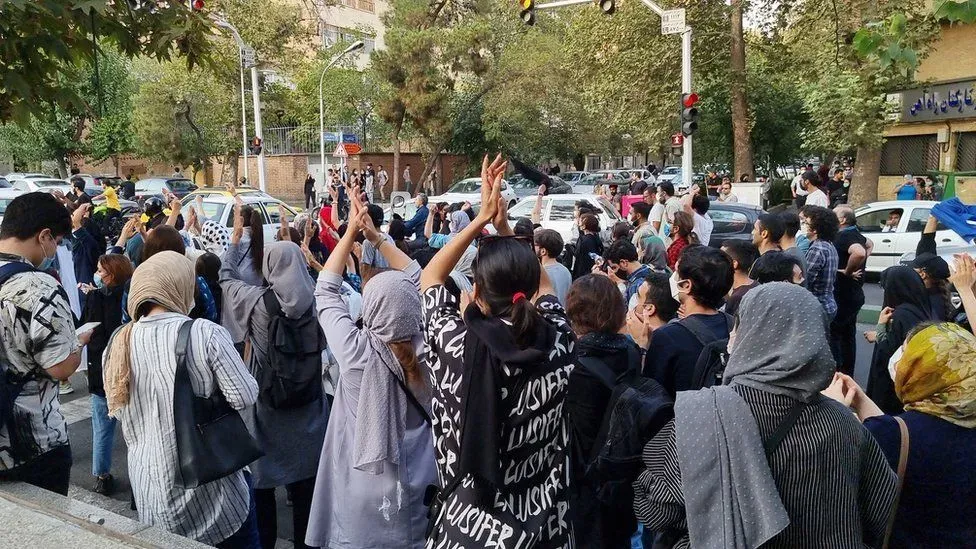
The recent military strikes across various cities in Iran have resulted in widespread panic among the civilian population. Reports of explosions echoed through the streets, leaving many residents terrified and scrambling for safety. Videos shared on social media show individuals fleeing from the vicinity of blast sites, with the chaos highlighted by screams and cries. Amid this turmoil, there are conflicting feelings; some individuals express relief, believing that these military actions might hasten the demise of the current regime. This duality showcases the complex emotions of citizens living under a regime that many Iranians wish to see fall.
As news spreads of the attacks, there are growing concerns regarding civilian casualties in Iran. The fear of being innocent bystanders in a conflict escalates as strikes target significant locations, including government buildings. With reports emerging that some schoolchildren were caught in the devastation, it raises critical questions about the ethics of military intervention. Many voices from within Iran wish to emphasize that while opposing the regime is vital, the safety of civilians must be a priority. The online discourse surrounding these strikes indicates that people are deeply affected by their implications; calls for caution are prominent as they anticipate further escalations.
Iranian Sentiment Amid Heightened Tensions
In the aftermath of the military strikes, Iranians express mixed sentiments regarding their government’s ability to endure the attacks. While some welcome international intervention as a necessary step toward regime change, many are acutely aware of the potential for increased brutality from the Iranian government in response to foreign aggression. This dichotomy highlights the broader struggle among Iranians—balancing a desire for change with the very real fear of escalated violence against the populace. Reports of long queues at gas stations and an exodus from major cities reflect a palpable anxiety as people seek safety amid uncertainty.
The public opinion regarding these military actions seems to shift dramatically, particularly in light of reported civilian casualties. Protests against the regime’s actions blend with a reluctance to endorse military strikes, illustrating the foreboding concern that interventions may lead to an even harsher crackdown on dissent. As social media users frame their messages around the need for a future that is free from tyranny, a call to action emerges that is both hopeful and fearful. The desire for regime change is contrasted with deep empathy for the victims caught in the crossfire, making the situation within Iran exceptionally delicate.
Communication Challenges During the Crisis
In the wake of the airstrikes, the Iranian government has imposed an internet blackout, leaving many citizens isolated and uninformed about the rapidly evolving situation. The inability to communicate effectively extends the sense of panic and uncertainty among those inside the country. Individuals have taken to social media, posting heartfelt messages that may become their last words, lamenting their fears and hopes in a time of crisis. Tools such as Starlink provide a lifeline for some, but the majority remain cut off, exacerbating feelings of helplessness as the military strikes continue.
This communication breakdown is critical, not only for the dissemination of information but also for the psychological impact on the population. The concerns for safety and the lack of accountability can lead to a breeding ground for misinformation. Amid this chaotic backdrop, residents express their thoughts on potential regime change, urging the international community to recognize the human cost of military actions. The voices of the people, particularly those advocating for change without further casualties, resonate powerfully, highlighting the complexity of the situation where the eagerness for transformation is intertwined with a deep longing for preservation of life.
International Reactions to Strikes in Iran
The international community has been monitoring the situation in Iran with increasing apprehension. With military strikes being attributed to the U.S. and Israel, the tension surrounding potential fallout continues to spark heated debates on foreign intervention. Many countries are grappling with the ethical implications of supporting military action that could lead to significant civilian casualties. Observers emphasize that no regime change should come at such a high cost to innocent lives and express concern over the growing humanitarian crisis.
Additionally, global discourse has turned toward how these strikes could reshape the geopolitical landscape of the Middle East. Analysts are predicting shifts in alliances, with some countries possibly reassessing their positions on engagement with Iran and neighboring states influenced by the fallout of these actions. As discussions evolve around the implications of the strikes, the need for a careful balance between intervention and humanitarian considerations remains paramount in shaping international responses.
The Role of Social Media in Iranian Protests
In the current crisis, social media has emerged as a vital platform for Iranians to voice their concerns, share real-time updates, and call for solidarity against the regime’s actions. As traditional communication methods falter due to internet outages, platforms like Twitter and Facebook become lifelines for many, allowing them to actively participate in protests and highlight the struggles faced by their fellow citizens. However, the challenge lies in filtering genuine messages from misinformation, particularly amidst a chaotic environment.
Moreover, social media serves as a tool for mobilization, enabling individuals to coordinate protests and express their collective discontent. Videos showcasing reactions to airstrikes or demonstrations against the regime proliferate, amplifying the voices of those demanding change. Residents of Iran, despite facing severe restrictions, utilize these platforms to gain international attention and evoke empathy, emphasizing that their fight for freedom should not be overshadowed by the looming threat of military conflict.
Concerns for Future Generations in Iran
As the reality of military interventions dawns upon the citizens of Iran, a palpable worry about future generations begins to surface. Many parents are questioning the safety and well-being of their children, fearing that the current upheaval may not lead to a better future. Some social media posts reflect the heartfelt hopes of parents imploring others to look after their children in case of unforeseen tragedies. The cultural fabric of Iranian society is tested as families grapple with the uncertainty of their children’s prospects amid rampant violence.
This concern transcends personal fears and becomes a collective narrative among the people. As protests arise against the regime, the notion of safety for future generations plays a pivotal role in mobilizing resistance. The wish for a democratic Iran resonated throughout the discourse suggests a deeply ingrained desire for transformation that harmonizes with the responsibility parents feel toward their children. Many express the hope that the current struggle leads to a more prosperous future, where political stability and peace reign, allowing the youth to grow without fear.
Military Strategies and International Law
As military strikes intensify in Iran, discussions surrounding international law and military strategy gain momentum. The application of force in civilian areas raises significant questions regarding the legality of such actions under international humanitarian law. Many human rights advocates are urging for accountability and adherence to treaties that protect civilians in conflict zones. The consequences of indiscriminately targeting populated areas not only increase casualties but also stir outrage within and beyond Iran’s borders.
Additionally, the strategic implications that arise from the military response underscore the importance of adhering to protocols that prevent escalation into a fuller-scaled conflict. Analysts point out that while military intervention may seem a viable strategy to bring about regime change, it must be executed carefully to minimize civilian casualties and maintain legitimacy in the eyes of the international community. Ongoing debates explore how international actors can balance their strategic objectives with a commitment to uphold human rights.
Voices of Opposition Against Military Action
Within the turmoil of military strikes in Iran, there exists a powerful narrative emerging from those opposing military intervention, even among those who desire regime change. Many Iranians have taken to various platforms to voice their disdain for the collateral damage that strikes could inflict on innocent lives. This sentiment captures a wide range of opinions—from those fearing further oppression by the regime to those who question the effectiveness of airstrikes in achieving lasting change.
The complexity of these views reflects a populace torn between the need for revolutionary change and the acute awareness of the potential human costs associated with military actions. Critics of the strikes argue that existing strategies must not only prioritize regime change but also safeguard the civilian population from becoming mere statistics amid the chaos. The growing discourse encapsulates the urgency for a solution that promotes humane treatment alongside political objectives, resisting the notion that military aggression equals liberation.
Prospects for a Democratic Future in Iran
Amidst the chaos and fear instigated by military strikes, many Iranians remain hopeful for a democratic transition that could redefine the national narrative. The enduring hope for a future where citizens can express their freedoms without repression finds resonance in social media and public demonstrations. Voices calling for change reflect an underlying desire for empowerment and a break from the autocratic grip of the regime. This sentiment is crucial as it characterizes the resilience of the Iranian populace, who see these military strikes not just as a pressing crisis but potentially as a catalyst for transformational change.
Furthermore, discussions centered on a democratic future emphasize the importance of international cooperation in realizing this vision. Many believe that international actors must reconsider their approach, ensuring that any military intervention aligns with humanitarian values focused on the safety of civilians. The aspiration for a more democratic Iran brings together diverse factions within society, united by the hope for a sustainable solution post-crisis that ensures peace, justice, and the protection of human rights for all.
Frequently Asked Questions
What are the latest reports on Iran military strikes and their impact on civilians?
Recent reports detail explosions in multiple cities across Iran, causing panic among residents while also eliciting a complex emotional response, with some viewing the strikes as an opportunity for regime change. However, there are concerns over civilian casualties, including reports of tragic incidents involving children during the Iran military strikes.
How have Tehran explosions affected residents’ reactions to Iran military strikes?
The Tehran explosions associated with the Iran military strikes have led to widespread fear and panic, as evidenced by video clips of residents fleeing and expressing distress. Yet, amidst this chaos, some people are reportedly celebrating, believing that military intervention may facilitate the downfall of the Iranian regime.
What are the implications of US and Israel attacks on Iran for its regime stability?
The attacks by the US and Israel on Iran continue to raise questions about the regime’s stability. While some Iranians express hope that military strikes could usher in change, there is a prevailing fear that such actions may prompt the government to retaliate more ruthlessly against dissenters.
How are Iranian civilians communicating amid the internet blackout during military strikes?
During the ongoing military strikes, Iranians are struggling with an internet blackout, severely limiting communication. Some individuals have resorted to alternative methods, such as Starlink, to send messages expressing their fears and urging support for their families.
What are the risks of civilian casualties in the context of Iran military strikes?
The risk of civilian casualties is a significant concern in the context of Iran military strikes. Reports indicate incidents where civilians, including schoolchildren, may have been harmed, which could incite widespread anger and shift public sentiment against foreign military actions.
How are residents preparing for potential escalations from Iran military strikes?
In anticipation of potential escalations from the Iran military strikes, residents in affected areas are stockpiling supplies such as canned food and fuel, while some are fleeing to perceived safer locations away from urban centers like Tehran.
What is the public sentiment surrounding regime change linked to Iran military strikes?
Public sentiment regarding regime change linked to Iran military strikes is divided. While some individuals express relief and support for external intervention, there are equally strong feelings of fear and concern that such actions could lead to greater suffering among civilians.
What role do social media and messaging play during the Iran military strikes?
Social media and messaging have become critical tools for Iranians during the military strikes, even with limited access. Many are using these platforms to express their fears, document the situation, and call for support, highlighting the human impact behind the conflict.
| Key Point | Details |
|---|---|
| Panic in Cities | Explosions heard in multiple cities, with residents expressing panic and fear. |
| Sense of Relief Among Some | Despite panic, some citizens celebrate strikes, seeing them as a step toward regime change. |
| Internet Blackout, | Total internet shutdown hampers communication inside Iran; some access via Starlink, |
| Early Warnings and Rumors | Residents were aware of potential US attacks leading to fears and preparation. |
| Public Sentiment | Fear among citizens that strikes may lead to increased brutality by the regime. |
| Concerns Over Civilian Casualties | High tensions and anger prevalent, especially surrounding reports of civilian deaths. |
| Voices Against Military Intervention | Opposition to military strikes voiced by some Iranians, emphasizing the risks to civilians. |
Summary
The recent Iran military strikes have led to widespread panic mixed with unexpected relief among some citizens who view the attacks as potential catalysts for regime change. As explosions echoed through various cities, many took to social media to express their dual feelings of fear and hope. However, the heavy toll on civilians, including reported casualties, could turn public sentiment against military intervention, highlighting the complex dynamics within Iran as the situation continues to develop.

