Listen to this article
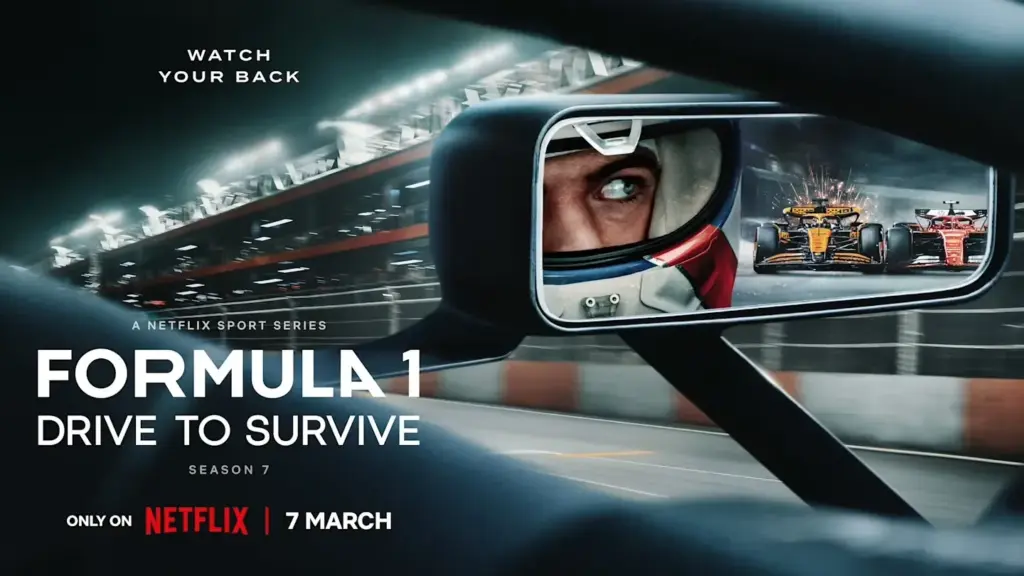
Drive to Survive F1 has undeniably transformed the landscape of Formula 1, captivating both die-hard fans and a new generation of viewers. As the popular Netflix series dives deep into the lives of drivers and teams, it has highlighted the glamor and drama that consistently entices audiences. This show has played a crucial role in the surge of F1’s popularity, particularly among Gen Z, who are now embracing the fast-paced world of motorsport and its celebrity culture. With soaring viewer statistics and increased engagement, the impact of Drive to Survive F1 cannot be overstated, especially as it coincides with a notable rise in women and young fans in the sport. By blending high-speed racing with the allure of Formula 1 celebrities, this groundbreaking series has reshaped the way we perceive and connect with the racing world.
The Netflix series that chronicles the adrenaline-fueled realm of Formula One, known as Drive to Survive F1, is revolutionizing how fans engage with the sport. By providing an intimate look at the athletes, their relationships, and the high-stakes drama that unfolds on and off the track, this show resonates deeply with viewers, especially younger audiences. With an increasing number of F1 enthusiasts and a shift towards a more accessible celebrity culture, the series effectively enhances the thrill and excitement of racing. This wave of interest signals a significant evolution in motorsport, paving the way for a broader audience to join the ranks of Formula 1 followers. As the show continues to draw in millions, it fuels both the spectacle of racing and the allure of its stars, creating an enticing blend of sports and celebrity magic.
The Rise of Celebrity Culture in Formula 1
In recent years, the world of Formula 1 (F1) has transformed dramatically, evolving from a sport steeped in tradition to a global spectacle fueled by celebrity culture. The emergence of figures such as Beyoncé, Timothée Chalamet, and Kim Kardashian in the paddock has contributed to a new dimension of celebrity engagement within the sport. This shift is significant, as it not only attracts long-time fans but also appeals to a younger audience that embraces the personalities behind the drivers, creating a connection between the glamour of F1 and the allure of celebrity. As these high-profile figures attend races, they bring with them a fresh perspective that resonates with Gen Z fans, who prioritize engagement and relatability.
The integration of celebrity culture into F1 is not merely a superficial change; it signifies a strategic shift aimed at increasing the sport’s appeal across diverse demographics. The continued visibility of celebrities in F1 events encourages casual viewers to take interest, transforming F1 races into must-see experiences. Social media platforms amplify this presence, making it easier for fans to engage with both the sport and its celebrities. As a result, the paddock has become a vibrant space where fashion meets motorsport, fostering a sense of accessibility that was previously lacking in the sport’s image.
Impact of Drive to Survive on F1’s Popularity
Netflix’s ‘Drive to Survive’ is undeniably a game-changer for Formula 1, serving as a catalyst for the sport’s burgeoning popularity, particularly among younger generations. The documentary series provides an unprecedented look behind the scenes, showcasing the intense rivalries and personal stories of drivers, which resonate with viewers on multiple levels. Recent statistics show that 43% of F1’s fanbase is now under 35, a clear indication of how Drive to Survive has successfully tapped into a demographic eager for more inclusivity and accessibility within motorsport. The show’s portrayal has sparked an interest in not just the racing but also the lives and personalities of those involved, bridging a gap between F1 and popular culture.
Moreover, the show’s accessibility contributes significantly to the rise of a new generation of F1 fans. Research indicates that around 26% of viewers of Drive to Survive reported having little to no prior interest in the sport itself. This fact underscores how the series has introduced F1 to fresh audiences who become invested through the engaging narratives presented onscreen. In this sense, Drive to Survive does not just document the racing; it creates a compelling narrative that cultivates a sense of community among fans, encouraging them to follow the sport beyond the confines of the episodes.
The Changing Demographics of F1 Fans
The demographic landscape of Formula 1 has experienced a significant shift, with women making up an increasing share of the fanbase. According to recent statistics, 42% of F1 fans are female, with the fastest-growing segment being young women aged 18-24. This change is largely attributed to initiatives like Drive to Survive that highlight not only the races but also the off-track dynamics including personalities and relationships. Increased representation has driven home the notion that motorsport is no longer just about speed; it’s about the stories that captivate diverse audiences. Figures like Alexandra Saint Mleux have emerged, illustrating how women’s roles in F1 can inspire a new generation of female fans into a traditionally male-dominated sport.
Furthermore, the embracing of diverse voices within F1 helps to create an inclusive atmosphere that resonates with younger audiences worldwide. The evolving narrative around female drivers and their supporters highlights a shift towards a more balanced portrayal of gender in motorsport. Influencers and content creators have taken to social media to advocate for F1, drawing in fans through engaging content that speaks directly to their experiences. As a result, the sport is cultivating a new identity that aligns with contemporary values and interests, promising a vibrant future where all fans feel represented.
The Role of Social Media in F1’s Celebrity Appeal
In the digital age, social media has become a powerful tool, not only for the promotion of Formula 1 but also for solidifying the connections between drivers, fans, and celebrities. Platforms like Instagram and TikTok enable personalities from both within and outside the F1 community to share their experiences, making the sport more relatable and engaging. This shift allows fans to interact with their favorite drivers and celebrities in real time, breaking down barriers that once separated athletes from their admirers. As younger fans gravitate towards platforms where they can engage with F1 content, the sport’s reach extends beyond traditional viewership metrics.
Moreover, the influence of social media is evident in the rising popularity of influencers who create content around F1, contributing to a broader conversation about the sport. Celebrities posting about their experiences at races or sharing behind-the-scenes moments amplifies the allure of F1, drawing in casual viewers intrigued by the celebrity component. The continuous dialogue on social media ensures that the excitement of F1 transcends the racetracks, solidifying its status as a cultural phenomenon that resonates with both motorsport enthusiasts and those drawn in by the glamour and lifestyle associated with F1.
The Future of F1 in the Age of Streaming
As the world shifts towards streaming services, Formula 1 finds itself at the forefront of a significant transformation in how sports are consumed. The arrival of platforms like Netflix has not only introduced the sport to new audiences through Drive to Survive but also redefined how races are marketed and viewed. This accessibility can foster deeper connections among fans and create a loyal following, especially among millennials and Gen Z who prefer on-demand viewing experiences. As F1 navigates this streaming landscape, it must continue evolving its marketing strategies to maintain relevance and appeal to this younger demographic.
Looking ahead, F1’s ability to adapt to changes in consumption habits will play a crucial role in sustaining its growing popularity. The excitement generated by events combined with the potential for engaging storytelling through documentaries and behind-the-scenes content means the sport is well-positioned for future success. Integrating interactive elements into the viewing experience, such as virtual reality or enhanced race-day experiences, could further attract younger fans who desire immersive interactions. As F1 charts new territories within the streaming era, the blend of sport and entertainment will likely continue to captivate viewers globally.
The Intersection of Fashion and Formula 1
Fashion has increasingly become intertwined with Formula 1, reflected in the stylish appearances of both drivers and celebrities in the paddock. The presence of high-profile figures such as Geri Horner and Kim Kardashian at races signifies that fashion is now a prominent element of F1’s culture. Lewis Hamilton notably serves as a trendsetter, infusing the racing world with his unique style. The discussion around fashion at F1 events also points to broader societal trends, where personal expression and individuality are celebrated. This evolving dynamic has made the paddock more than just a place for racing; it is now a stage where style and performance converge.
As the line between fashion and motorsport blurs, brands are capitalizing on this intersection to build partnerships and create compelling merchandise. Collaborations with high-fashion labels and lifestyle brands reflect the sport’s desire to expand its reach and engage audiences who may not have been traditional motorsport fans. By embracing fashion culture, F1 is able to attract new viewers who appreciate aesthetic appeal alongside thrilling races. This trend highlights how the paddock has become a cultural hub that reflects modern tastes and aspirations, reinforcing F1’s status as a global lifestyle brand.
The Evolution of F1’s Marketing Strategies
The marketing landscape of Formula 1 has evolved significantly in response to the changing preferences of fans and the broader landscape of entertainment. Following the acquisition by Liberty Media, F1 embraced innovative marketing strategies aimed at engaging younger audiences through digital platforms and social media. The emphasis on storytelling in promotional content resonates well with fans eager for deeper insights into the sport, as seen with the success of Drive to Survive. This shift away from traditional marketing tactics underscores the importance of authenticity and connection in attracting new viewers, particularly among the Gen Z demographic who prioritize engagement and realness.
In addition, F1 has actively sought partnerships that align with its evolving image. Collaborations with popular brands and cultural icons amplify its visibility, establishing a brand identity that appeals to a wider audience. The integration of technology, social media, and celebrity endorsements are tools that F1 leverages to remain competitive in the entertainment industry. As F1’s marketing strategies continue to adapt, the sport is likely to seek out new avenues for engagement, ensuring it remains not only a motorsport powerhouse but also a cultural phenomenon.
The Social Impact of Increased Female Representation in F1
The recent increase in female representation within Formula 1 is a significant step toward promoting gender equality in a sport long regarded as male-dominated. Figures like Susie Wolff and Alexandra Saint Mleux are paving the way for greater visibility and influence of women in F1, both on and off the track. Their presence shines a light on the opportunities available to women within motorsport and encourages a more inclusive environment that benefits the sport as a whole. As more women engage with F1, whether as fans, influencers, or participants, the narrative surrounding the sport progresses to reflect a wider societal shift towards equality.
Moreover, the impact of increased female representation extends beyond just numbers; it contributes to a cultural redefinition of motorsport. Female drivers, such as those in the F1 Academy, symbolize a breaking of barriers historically faced within the industry. Increased visibility of women in roles traditionally occupied by men prompts conversations about identity and representation, drawing in female fans who previously felt disconnected from the sport. As F1 embraces this change, it fosters a diverse fanbase that not only encourages participation but enriches the overall experience of Formula 1 itself.
The Role of Personal Branding in Modern F1
In the contemporary landscape of Formula 1, personal branding has emerged as a vital component for drivers seeking to establish their identities both on and off the track. As fans are increasingly interested in the personalities of their favorite athletes, drivers find themselves balancing their sporting capabilities with the cultivation of a compelling public persona. The rise of social media has amplified the importance of personal branding, enabling drivers to connect with fans directly and develop loyal followings. As such, drivers like Lewis Hamilton have harnessed the power of their platforms to influence fashion trends, advocate for social justice, and engage with Gen Z fans.
This evolution in personal branding also aligns with the broader trends witnessed in sports entertainment, as athletes are recognized not only for their performance but also for their contributions to culture and society. By carefully curating their public images, drivers can attract sponsorships, media appearances, and collaborations with top brands. The intersection of celebrity culture and F1 enhances the visibility of the sport, leading to a more engaged fan base. Ultimately, the modern driver operates as both an athlete and a brand, leveraging their influence to broaden the appeal of Formula 1 while creating a legacy that extends beyond the racetrack.
Frequently Asked Questions
How has Drive to Survive F1 impacted the popularity of Formula 1?
Drive to Survive has significantly boosted the popularity of Formula 1 by providing an intimate look at the lives of F1 drivers and teams. This Netflix series has attracted a younger demographic, with 43% of the F1 fanbase now under 35, compared to only 30% prior to the show’s debut in 2019. The candid storytelling and behind-the-scenes access have transformed viewer engagement and enthusiasm for the sport.
What role does celebrity culture play in the success of Drive to Survive F1?
Celebrity culture plays a pivotal role in the success of Drive to Survive F1 by attracting mainstream attention to the sport. High-profile attendees like Beyoncé and Timothée Chalamet at races create buzz and draw casual viewers who may not otherwise be interested in Formula 1. This visibility fosters a new generation of F1 fans, particularly among Gen Z audiences who connect with these celebrities.
How does Drive to Survive F1 influence Gen Z fans?
Drive to Survive F1 has a profound influence on Gen Z fans by making the sport more relatable and accessible. The series showcases not just racing, but also the personalities and relationships of drivers, resonating with younger audiences. Research shows that 31% of viewers are aged 18-29, indicating that the show has successfully captured the attention of this demographic and elevated F1’s cultural relevance.
Why is the drama off track important in Drive to Survive F1?
The drama off track featured in Drive to Survive F1 is crucial because it adds layers of engagement beyond racing. The personalities, rivalries, and life experiences of drivers create compelling narratives that captivate fans. As F1 continues to embrace this theatrical aspect, it enhances the overall spectacle of the sport, appealing to a wider audience and fostering greater investment in the races and teams.
What trends have emerged in F1 due to Drive to Survive’s influence?
Drive to Survive has sparked several trends within F1, including an increase in celebrity attendance at races and a shift towards greater accessibility for women in the sport. The inclusion of more diverse personalities and fashion elements in the paddock is reshaping F1’s image, making it more appealing to a broader fan base. This evolution reflects a cultural shift that embraces inclusivity and modernity in motorsport.
How has the Netflix series Drive to Survive changed viewer perceptions of F1 celebrities?
The Netflix series Drive to Survive has changed viewer perceptions of F1 celebrities by humanizing them and showcasing their off-track lives. Celebrities attending races, such as Kim Kardashian and Travis Kelce, elevate the profile of F1, drawing attention to its glamor and allure. This shift helps bridge the gap between motorsport and popular culture, allowing F1 to reach new audiences eager for insight into the lives of these star drivers.
In what ways has F1’s demographic changed since the launch of Drive to Survive?
Since the launch of Drive to Survive, F1’s demographic has notably shifted, with a significant increase in younger viewers. The average age of fans has dropped, with 42% identified as women and a fast-growing segment among 18-24-year-olds. This transformation is attributed to the relatable narratives presented in the series, which have actively engaged a more diverse audience interested in both the sport and its personalities.
How do celebrity partnerships impact the marketing of Drive to Survive F1?
Celebrity partnerships significantly impact the marketing of Drive to Survive F1 by attracting attention from broader media and social platforms. Celebrities like Lewis Hamilton and Kim Kardashian bring their massive followings to the sport, attracting new fans and engagement. This exposure enhances F1’s visibility and strengthens its marketing campaigns, generating excitement and interest at every race event.
| Key Point | Details |
|---|---|
| Celebrity Culture | The paddock has transformed into a space where celebrities are prominent, influenced heavily by the Netflix series. |
| Influence of Drive to Survive | Since its launch, Drive to Survive has attracted a younger audience, with 43% of F1 fans now under 35. |
| Impact of Liberty Media | The purchase of F1 by Liberty Media marked a shift towards modernizing the sport and appealing to new demographics. |
| Increased Female Participation | 42% of F1’s fanbase is now female, with more engagement from women thanks to increased visibility in the sport. |
| Celebrity Presence | Celebrities from various domains, such as music and sports, are increasingly attending races, boosting F1’s appeal. |
| Cultural Shift in F1 | The sport has evolved to include diverse aesthetics and personalities, making it more accessible and relatable. |
Summary
Drive to Survive F1 has undeniably ushered in a new era of celebrity culture within the world of Formula 1, transforming the perception and appeal of the sport. By effectively combining the thrill of racing with the glamor of diverse personalities, the Netflix series has captivated a younger audience and enhanced F1’s global reach. As evidenced by the increasing presence of celebrities and the growing female fanbase, F1 is not just about the race track anymore; it’s a cultural phenomenon that continues to evolve and resonate with fans worldwide.