
Listen to this article
The recent joint US-Israel attack on Iran has escalated Middle East tensions, stirring significant global interest and concern. With President Donald Trump announcing “major combat operations”, the international community is closely monitoring the situation as the potential repercussions could destabilize the region further. This military action is centered around Iran’s controversial nuclear program, which has been a source of conflict in international relations. Explosions were reported across several Iranian cities, highlighting the urgency of addressing perceived threats from Iran’s missile capabilities. As news unfolds, many are left pondering the long-term implications of this military intervention on Iran conflict news and regional security.
The coordinated military strikes by the United States and Israel against Iran mark a critical juncture in international diplomacy, especially regarding the Iranian regime’s nuclear aspirations. This pre-emptive operation aims to neutralize what both nations see as an imminent threat posed by Iran’s missile advancements. As the air raids stir fears of expanding warfare, observers are keenly tracking developments related to Middle Eastern security and the implications for global peace. The geopolitical landscape is shifting rapidly, compelling stakeholders to reassess their strategies in light of these aggressive maneuvers. Amid the escalating conflict, the global discourse revolves around the broader ramifications of such military engagements and their potential to spark wider unrest.
Understanding the US-Israel Attack on Iran
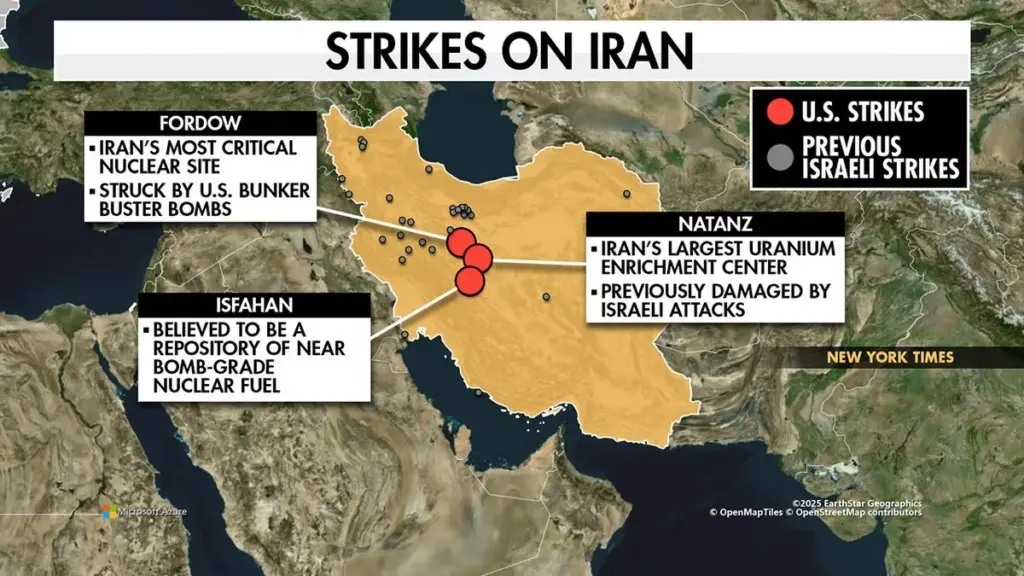
The joint military operation against Iran, carried out by the United States and Israel, marks a significant escalation in the ongoing tensions in the Middle East, primarily related to Iran’s controversial nuclear program. As reported, the attacks were characterized by extensive aerial bombardments across major Iranian cities, with officials declaring these actions as pre-emptive strikes aimed at neutralizing Iran’s potential ability to develop nuclear weapons. The Pentagon and Israeli defense forces described the operation as a necessary response to what they termed imminent threats posed by Iran, which has long been accused of advancing its nuclear ambitions against international objections.
In the aftermath of the joint attack, urban areas in Iran, including the capital, Tehran, were rocked by explosions, leaving the nation in a state of panic. The tight closure of Iranian airspace and heightened military readiness underscore the gravity of the situation, as both the Iranian government and its citizens brace for potential retaliatory measures. This military operation is seen not only as a tactical mission but also as a pivotal moment that could define Middle East politics for years to come, with implications extending far beyond Iran’s borders.
Reactions from the US and Israeli Governments
US President Donald Trump has emphasized the rationale behind the military intervention, citing the need to protect American citizens from threats allegedly posed by the Iranian regime. In his statements, he urged the Iranian people to seize control of their government during this time of destabilization, framing the attack as an opportunity for liberation from oppressive leadership. Washington’s narrative focuses on a commitment to maintain global stability by preventing Iran from acquiring nuclear capabilities, which officials contend could trigger a wider regional conflict involving nuclear arms.
On the other hand, Israeli Prime Minister Benjamin Netanyahu expressed firm support for the military operations, calling upon the Iranian populace to rise against what he referred to as the tyranny of their government. His remarks align with Israel’s longstanding policy of preventing its adversaries from gaining nuclear capabilities, viewing such threats as existential. The collaborative military efforts are part of a broader strategy shared by both nations, which aims to secure not just their own borders, but also to influence the political landscape within Iran in favor of pro-democracy movements.
Iran’s Response to Military Aggression
In response to the attack, Iran’s military has asserted that it will take all necessary measures to protect its sovereignty and has reported missile launches directed towards Israel as a counter-offensive. Iranian officials have condemned the joint US-Israel operation as an aggressive act of war, vowing to retaliate against perceived threats. The regional rhetoric has intensified, with Iran warning that any further actions by the US and its allies would lead to catastrophic repercussions, not just within its borders but throughout the volatile Middle East.
Reports of explosions in Israeli cities, including Haifa, suggest that Iran may be escalating its military responses. The situation has prompted heightened security measures across Israel, with authorities advising civilians to stay vigilant and avoid public gatherings. Amid these developments, the Iranian government is also working to bolster domestic support, framing the military aggression as a provocation that unites the nation, calling for solidarity against external threats and the resolution of internal disputes in light of external pressures.
The Impact of the Attack on Middle East Relations
The attack has resulted in significant ripples across Middle Eastern geopolitical dynamics, affecting not just US-Iran and Israel-Iran relations but also the stances of neighboring countries in the region. Nations such as Saudi Arabia and Turkey are observing the unfolding situation closely, as the heightened military engagements could alter existing alliances and create new diplomatic tension. Concerns over potential retaliatory strikes from Iran could lead to a broader conflict that may involve multiple parties, with unfortunate consequences on regional stability and security.
Moreover, the international community’s reaction to the US-Israel military operations against Iran will play a crucial role in shaping future policies. European nations, in particular, are likely to voice concerns regarding the implications for the Iran nuclear deal, emphasizing the need for diplomacy over military intervention. The prevailing attitudes towards security, defense and nuclear proliferation in the Middle East will likely undergo examination as actors reassess their strategies in light of these aggressive maneuvers.
Global Repercussions of the Iran Conflict
As conflict intensifies in the region, global markets are reacting to the uncertainty surrounding oil prices and energy supplies due to potential interruptions that could arise from ongoing hostilities. The Middle East’s significance as a critical oil-producing region means that escalations in military activities can have far-reaching economic impacts, contributing to volatility in energy markets worldwide. Analysts warn that continued military operations against Iran could not only hinder global oil trade but also amplify fears of a comprehensive Middle Eastern war that could disrupt supply chains and economic recovery efforts.
Furthermore, the humanitarian implications of the attack must be considered, as civilians in Iran and beyond could face severe consequences amidst increasing military actions. International organizations may be compelled to respond to the needs of displaced individuals or those affected by the conflict, prompting debates about the responsibility of major powers in conflict management. As the situation develops, there is a critical need for dialogues seeking de-escalation and the restoration of peace in the region.
The Future of Iran’s Nuclear Program
The ongoing military operation against Iran raises urgent questions about the future of the country’s nuclear program. U.S. and Israeli officials assert that halting Iran’s nuclear advancement is a primary objective of their joint efforts, yet such confrontational approaches could drive Iran to accelerate its nuclear activities as a form of self-defense. Analysts are concerned that military strikes might inhibit diplomacy and lead Iran to further isolation, driving it to pursue advanced weapons capabilities in secrecy, contrary to global non-proliferation efforts.
In this charged atmosphere, the possibility of reviving diplomatic negotiations regarding Iran’s nuclear program appears bleak, as mutual distrust deepens. The aggressive tactics employed by the US and Israel may also heighten the resolve of hardliners within Iran who oppose any form of compromise on its nuclear ambitions. The broader implications of this are concerning not only for regional actors but also for international communities engaged in non-proliferation dialogues, who may face tougher challenges in engaging Iran meaningfully in the future.
Civilian Safety Measures During the Conflict
In light of the escalating military actions, both the United States and Israel have issued warnings to their citizens and military personnel in the region regarding safety protocols. The Israeli government has called for heightened vigilance, advising citizens to stay indoors and prepare for potential air raid alerts as a precaution against Iranian missile threats. Simultaneously, the US has recommended that its military personnel deploy protective measures and maintain situational awareness as the conflict evolves.
Civilians in affected areas, particularly in Iran and Israel, are being urged to follow official guidelines aimed at minimizing risks associated with military operations. Emergency services have mobilized to ensure readiness to respond to potential bombardment or threat incidents. Communities are encouraged to remain informed through reliable news channels for updates on safety advisories and announcements from governmental authorities.”}]},{
Frequently Asked Questions
What triggered the US Israel attack on Iran?
The recent US Israel attack on Iran was triggered by escalating tensions surrounding the Iran nuclear program and perceived threats from Iranian missile capabilities. After ongoing negotiations failed to curb Iran’s nuclear ambitions, both nations deemed military action necessary to eliminate imminent threats.
What are the implications of the US Israel military operations in Iran?
The implications of the US Israel military operations in Iran are significant, potentially escalating Middle East tensions further. This coordinated attack aims to weaken Iran’s military capacity and deter its nuclear ambitions, but it also risks retaliatory strikes and broader regional conflict.
How have Middle East tensions escalated due to the US Israel attack on Iran?
Middle East tensions escalated significantly following the US Israel attack on Iran, as countries in the region watch closely for repercussions. The strikes have led to fears of regional destabilization, particularly with Iran vowing to respond to any acts of aggression against its nation.
What was the response of the Iranian government following the attack?
In response to the US Israel attack on Iran, the Iranian government accused both nations of aggression and declared a state of emergency. Iranian military forces have reportedly launched missiles towards Israel, signaling a commitment to retaliate and defend national sovereignty.
How does the US Israel attack on Iran affect the global nuclear landscape?
The US Israel attack on Iran could significantly impact the global nuclear landscape by reinforcing international scrutiny on Iran’s nuclear program. The military intervention highlights the deep concerns surrounding nuclear proliferation and could lead to renewed discussions on nuclear disarmament and diplomatic measures.
What precautions are being taken in Israel following the attack on Iran?
Following the attack on Iran, Israel has implemented strict precautions including a state of emergency, closure of airspace to civilian flights, and warnings against public gatherings. Citizens are urged to remain vigilant and follow official guidance to ensure their safety amid heightened tensions.
What role did US military operations play in the joint effort with Israel against Iran?
US military operations played a crucial role in the joint effort with Israel against Iran by providing strategic support and capabilities. US President Donald Trump emphasized the necessity of these operations in protecting American interests and eliminating perceived threats posed by the Iranian regime.
What are the potential consequences of the US Israel attack on Iran for future conflicts?
The potential consequences of the US Israel attack on Iran could include an escalation of armed conflict in the Middle East, increased Iranian military retaliation, and a more fractious international community. This conflict may lead to drawn-out tensions and necessitate further military engagement from both sides.
How might the international community react to the US Israel strike against Iran?
International reaction to the US Israel strike against Iran is likely to be mixed, with some nations supporting the need to curb Iran’s nuclear ambitions, while others condemn the military action as provocative. This could prompt calls for diplomatic solutions or new sanctions against Iran.
What has the US Israel attack on Iran revealed about Iranian missile threats?
The US Israel attack on Iran has underscored the reality of Iranian missile threats, as the Israeli military reported intercepting missiles aimed at its territory. This situation emphasizes the ongoing challenge posed by Iran’s missile capabilities and their potential use in regional conflicts.
| Key Points | Details |
|---|---|
| US-Israel Attack Overview | The US and Israel have initiated a military operation against Iran, framing it as a preemptive strike to neutralize threats from the Iranian regime. |
| Time of Attack | Explosions were first reported around 09:30 Tehran time, with multiple cities including the capital Tehran experiencing unrest. |
| Statements from Leaders | President Trump confirmed military actions via social media, emphasizing the need to eliminate threats posed by Iran, while Israeli PM Netanyahu echoed similar sentiments. |
| Impact on Civilians | Iran’s airspace has been closed, and citizens have been urged to seek shelter due to ongoing military operations. |
| Regional Reactions | Missile threats reported against Israel, with military responses and emergency alerts issued in neighboring Bahrain. |
| Future Outlook | Both US and Israeli officials express intentions to empower the Iranian people to reclaim their government once the operations conclude. |
Summary
The US-Israel attack on Iran marks a significant escalation in regional tensions and military operations. As both nations launch a coordinated military assault, they justify their actions as necessary for eliminating threats posed by Iran’s government. With reports of widespread explosions across Iranian cities and strong rhetoric from US and Israeli leaders urging the Iranian population to rise against their government, this situation remains fluid and highly volatile. The aftermath of these attacks will likely shape geopolitical dynamics in the Middle East for years to come.

