Listen to this article
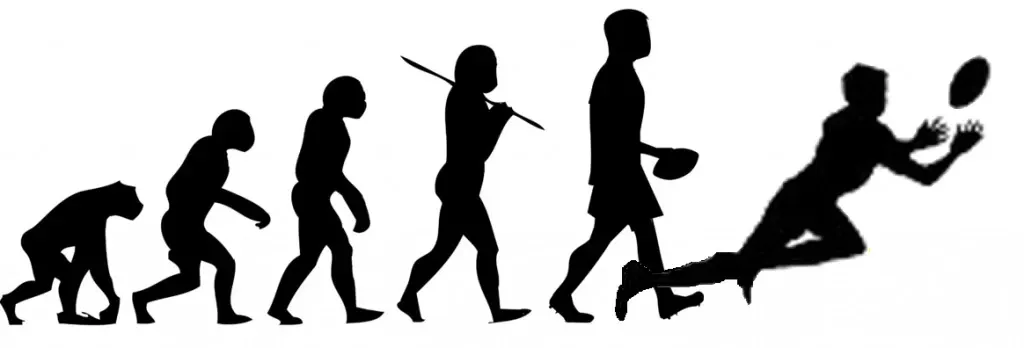
The Evolution of Sport has been a compelling journey through time, influencing cultures and societies across the globe. From the ancient games that thrived in civilizations like Greece and Egypt to the highly organized and commercialized competitions of today, the history of sports reflects our shared humanity. As sports have transitioned from local celebrations to international spectacles, they have fostered a sense of community while also showcasing individual talent. This post delves into the captivating evolution of sport, examining how ancient competitions laid the groundwork for modern athletic pursuits and the fascinating rise of sports globalization that connects fans worldwide. Join us as we explore this dynamic history and its impact on contemporary sports.
The journey through the development of athletic competition reveals a rich tapestry of human expression and interaction within various cultures. With origins found in early civilizations, sporting activities such as traditional contests and games have paved the way for today’s formal athletic events. As we investigate the past, we also witness the transformation of recreational activities into structured performances that now attract millions. This exploration underscores the significant role of sports as both a shared cultural experience and a platform for global unity, showcasing how the spirit of competition has evolved and adapted over centuries. Through this lens, we gain insight into how the past informs present practices in the sporting world.
The Rich History of Sports: Ancient Beginnings
The history of sports traces back to the earliest civilizations, illuminating how competition and physical prowess have always been pivotal to human engagement. In ancient Egypt, around 2000 BC, contests of strength and agility were organized under the reign of pharaohs, setting the stage for the importance of athletics in societal structure. This early sports culture not only entertained the populace but also reinforced social hierarchies and communal bonding.
Transitioning from Egypt, the ancient Greek civilization pioneered the concept of competitive sports with the establishment of the Olympic Games in 776 BC. These games brought together athletes from various city-states to compete in events that celebrated the human body and spirit. Events like running, wrestling, and boxing were not just contests; they embodied a deep cultural reverence for physical excellence and spiritual devotion, showcasing the profound connection between athleticism and religion.
The Influence of Roman Gladiatorial Games
The evolution of sport saw a critical transformation during Roman times, where the spectacle of gladiatorial games shifted the focus from individual athletic achievement to grand public displays of entertainment. Staged in the massive arenas of Rome, these events captivated audiences, combining elements of violence, bravery, and performance, thereby redefining how sports were perceived socially. This brutal competition, while tarnishing the ideals of sportsmanship, emphasized the powerful role of sports as a tool for propaganda within the Roman Empire.
Despite the dark nature of gladiatorial games, they played a significant role in shaping public engagement with sport, contributing to its visibility as an integral aspect of social life. The Romans’ innovations in sports spectacles also laid the groundwork for future sporting events that prioritize not only competition but also the spectacle, foreshadowing the commercialization of sports that would emerge in later centuries.
Transition to Medieval and Renaissance Sports
With the fall of the Roman Empire, the nature of sports shifted dramatically during the medieval period, reflecting the societal changes across Europe. Local competitions began to dominate, including activities such as jousting, archery, and village games. This era was characterized by a focus on feudal allegiances and the knightly class, where sports served both recreational and military training purposes, fostering community pride and regional identity.
The Renaissance period sparked a revival of interest in physical fitness and athletic competitions, leading to the birth of more structured sports including the early forms of football. This marked a turning point where sports became more organized and inclusive, allowing for greater participation across different social strata. The societal appreciation for physical skill and fitness intertwined with cultural advances during this intellectual revival, promoting a coherent view of sports as a reflection of humanism and personal excellence.
The Rise of Modern Sports in the 19th Century
The 19th century marked a monumental shift in the landscape of sports, heavily influenced by the Industrial Revolution. As cities grew and leisure time increased, the desire for organized recreational activities surged, giving rise to codified sports. Football (soccer) became particularly popular with the formation of the Football Association in England in 1863, providing standardized rules that contributed to its global proliferation.
The revival of the Olympic Games in 1896 symbolized the reawakening of ancient traditions and the emphasis on international athletic competitions. These modern Olympic Games introduced a range of events including track and field, swimming, and gymnastics, emphasizing sportsmanship and camaraderie among nations while instilling a competitive spirit that resonated with the burgeoning interest in national pride.
Professionalism and the Commercialization of Sports
As the 20th century unfolded, sports transitioned from amateur activities to highly commercialized enterprises. This transformation was facilitated by the rise of mass media, as radio and television broadcasts brought sports into the homes of millions. Iconic athletes like Babe Ruth and Jim Thorpe became household names, capturing the public’s imagination and interest, further promoting the idea of sports as an entertainment industry.
Economic factors played a crucial role in this shift, with sponsorship and endorsements becoming integral to the financial viability of sports. The establishment of professional leagues such as the NFL and NBA not only created a platform for athletes to achieve fame but also turned sports into a significant economic sector, reshaping the entertainment landscape and establishing a roadmap for future developments in the sporting world.
The Globalization of Sports in the 21st Century
The beginning of the 21st century heralded a new era marked by the globalization of sports. Events like the FIFA World Cup and the Summer Olympics became monumental cultural and social phenomena, uniting fans across various nations in shared excitement and pride. The rise of technology and social media facilitated unprecedented access to global sports events, allowing fans to connect with teams and athletes beyond geographical barriers.
This expansion led to the formation of international regulations and governing bodies that promote fair play and consistency. As more countries began to participate in global competitions, the cultural exchange fostered by sports became a vital tool in diplomacy and international relations, showcasing how deeply interconnected the world has become through the medium of sports.
The Emergence of Esports: Redefining Competitions
In recent years, the rise of esports has revolutionized the concept of competition. Initially perceived as a fringe activity, esports have gained immense popularity, drawing millions of viewers and participants in online tournaments. Games like League of Legends and Dota 2 exemplify this new frontier of competition, where strategy, quick thinking, and teamwork are as critical as physical prowess in traditional sports.
Major corporations and even sports franchises have recognized the potential within the esports industry, leading to significant investments and sponsorship deals. With universities offering scholarships to aspiring esports athletes, the legitimacy of competitive gaming is solidifying its role within the broader sporting narrative, reflecting changing societal values towards entertainment and competition.
The Future of Sport: Innovations and Inclusivity
As technology continues to evolve, it plays an increasingly influential role in the future of sports. Innovations such as wearable technology and artificial intelligence are revolutionizing athlete training and performance analysis, enhancing competitiveness and physical performance. These advancements suggest a future where science meets sport in unprecedented ways, potentially redefining the limits of athletic achievement.
Moreover, the push for inclusivity and diversity in sports has gained momentum, with organizations now prioritizing equal opportunities for all participants, regardless of gender, race, or ability. The visibility and support for women’s sports and marginalized groups reflect a societal shift towards greater acceptance and equity in athletics, inspiring future generations to engage in sports with a strong sense of community and belonging.
Sports as Cultural Artifacts
Throughout history, sports have served as cultural artifacts, encapsulating the values and identities of societies. The rituals and traditions surrounding ancient games highlight the significance of physical endurance and competition in various cultures, while modern competitions showcase a different set of societal ideals. Sports are a mirror reflecting cultural dynamics, shaping and being shaped by the context of their time.
As we look to the future, sports will likely continue to evolve, embracing both traditional roots and modern interpretations. The ongoing dialogue about the role of sports in global culture emphasizes the need to celebrate diversity while fostering mutual respect among different sporting traditions, confirming that sports will remain a foundational pillar of human civilization.
Frequently Asked Questions
What is the significance of the evolution of sport in human culture?
The evolution of sport reflects societal changes, cultural values, and historical milestones. From ancient games to modern competitions, sports have shaped communities and provided a platform for entertainment, showcasing human prowess and teamwork.
How did ancient games influence the evolution of sport?
Ancient games laid the foundation for modern sports, with events like the Olympic Games in Greece highlighting athletic skill and competition. These early contests emphasized physical training and social cohesion, key elements still present in today’s sports.
What role did the Roman Empire play in the evolution of sport?
The Roman Empire influenced the evolution of sport significantly by introducing large-scale spectacles such as gladiatorial games. These events not only entertained but also served as a means of political propaganda, highlighting the complexity of sport’s role in society.
How did the industrial revolution impact the evolution of modern sports?
The industrial revolution drove urbanization and increased leisure time, facilitating the organization of modern sports. This era saw the codification of rules and the formation of sports associations, crystallizing many sports we enjoy today.
What is the connection between the evolution of sport and globalization?
The globalization of sport in the 21st century has enhanced international competitions, such as the FIFA World Cup and Olympics. Increased connectivity through technology and media has widened the reach of sports, making them a shared global phenomenon.
How have modern competitions evolved from ancient games?
Modern competitions have evolved significantly from ancient games by embracing professionalization, commercialization, and international governance. These changes have transformed sports into major entertainment industries while still honoring their historical roots.
What technological advancements are shaping the future of the evolution of sport?
Technological advancements, including wearable tech and virtual reality, are revolutionizing training and performance assessments in sport. These innovations push athletes to excel in their disciplines and enhance the audience’s viewing experience.
What does the future hold for the evolution of sport?
The future of sport promises to expand with ongoing innovations in technology and a heightened focus on inclusivity and diversity. As societal values evolve, sports will adapt, fostering environments that promote equality and celebrate various talents.
How did the establishment of the modern Olympic Games impact the evolution of sport?
The revival of the modern Olympic Games in 1896 marked a key milestone in the evolution of sport, rekindling ancient traditions while promoting international camaraderie through athletic competition, which continues to be a significant aspect of global sports today.
What is the significance of esports in the evolution of sport?
Esports represent a contemporary branch in the evolution of sport, transcending traditional boundaries. These competitive gaming platforms have gained massive popularity, showcasing skills at par with physical sports and diversifying the definition of athleticism in modern culture.
| Era | Key Developments | Significance |
|---|---|---|
| Ancient Origins | Competitive games in ancient Egypt (2000 BC); Olympic Games established in Greece (776 BC) | Noted physical prowess and honored gods; set foundation for competitive sports. |
| Roman Influence | Introduction of gladiatorial games and spectacles | Reinforced the role of sport in entertainment and propaganda, despite ethical concerns. |
| Medieval and Renaissance | Jousting, archery, hunting in Medieval times; renaissance rekindles sports interest, sports improve physical fitness. | Developed culture of sport as physical fitness and competition improved. |
| 19th Century Modernization | Establishment of Football Association (1863); modern Olympic Games (1896) | Standardization of sports rules; revived international sporting traditions. |
| Professionalism and Commercialization | Transition to professional sports; rise of major leagues (NFL, NBA) | Sports became significant entertainment and economic factors. |
| Globalization of Sport | International competitions like FIFA World Cup; rise of social media | Created a unified global sporting culture; increase in popularity and reach. |
| Esports | Emergence as mainstream; university scholarships for esports athletes | Legitimized competitive gaming and expanded audience engagement. |
| Future Trends | Technological advancements like wearables and AI; push for inclusivity | Focus on efficiency, performance, and diversity in sports. |
Summary
The evolution of sport exemplifies the progression of human society from its ancient roots to contemporary practices. From the organized competitions of ancient Greece and Rome to the rise of professional leagues and the impact of technology, sport has transformed in myriad ways. We see an ongoing journey marked by innovations, changes in societal values, and the globalization of audiences. The evolution of sport not only highlights changing preferences but also mirrors cultural shifts, underscoring sport’s role as a unifier across different communities. As technology continues to shape experiences and inclusivity gains importance, the future of sport promises further dynamism, reflecting our collective aspirations in ever-evolving landscapes.