
Listen to this article
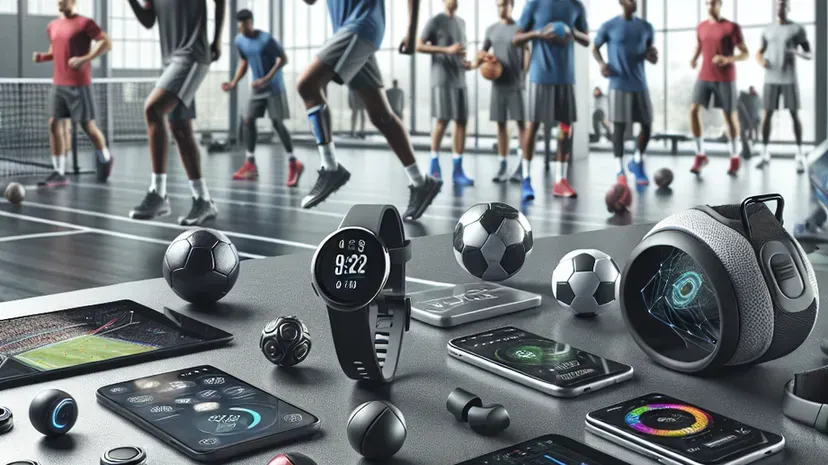
In the dynamic landscape of modern athletics, the integration of sport and technology has ushered in a new era of innovation that enhances both athletic performance and fan engagement. With advancements such as wearable fitness technology, teams are now equipped to monitor real-time data analytics in sports, providing athletes and coaches with critical insights into training and performance. Moreover, the emergence of smart sports equipment, designed with cutting-edge sensors, allows players to receive immediate feedback on their techniques, facilitating continuous improvement. As artificial intelligence in sports evolves, it further optimizes strategies and predicts outcomes with unprecedented accuracy. This blog post explores how these sport innovations are not only reshaping the game but also elevating the overall experience for participants and spectators alike.
The intersection of athletics and technological developments is rapidly transforming the sporting world as we know it today. Characterized by advancements in sports technology, the field has never been more reliant on innovations such as multifaceted data analytics and wearable devices that track and enhance performance. The rise of smart equipment synchronizes athletic training with real-time feedback, aiding athletes in refining their skills and strategies. Moreover, the impact of modern advancements extends into e-sports, representing a captivating blend of traditional sports elements with digital gaming. By understanding these trends, we can better appreciate how technology shapes participation and enjoyment in various athletic pursuits.
The Evolution of Wearable Fitness Technology in Sports
Wearable fitness technology has emerged as a game-changer in the sports industry, offering athletes and coaches alike invaluable insights into performance metrics. Devices such as fitness trackers and smartwatches present a personalized approach to training by monitoring vital signs, activity levels, and recovery metrics. Today, many professional athletes use wearable devices to gather real-time data about their performance during games and training sessions, allowing them to make data-driven adjustments to their routines. This shift towards personalized data analysis has paved the way for a new era where athletes can train and play smarter rather than just harder.
Furthermore, the integration of wearable fitness technology in training programs has contributed significantly to injury prevention. By utilizing detailed metrics obtained from these devices, coaches can determine when an athlete is at risk of overexertion or fatigue and adjust their training intensity accordingly. This proactive approach helps ensure that athletes can push their limits while simultaneously safeguarding their health. As sports technology continues to advance, the role of wearables will only expand, offering even more sophisticated monitoring tools that enhance athletic performance and safety.
Harnessing Data Analytics for Competitive Advantage
Data analytics in sports has transformed the way teams strategize their approach to competitions. Modern teams extensively analyze player statistics, game footage, and historical performance data to gain a competitive edge. This deep dive into analytics helps coaches identify trends, assess strengths and weaknesses, and formulate effective game plans tailored to their opponents. By leveraging cutting-edge data analytics tools, teams can optimize everything from player rotations to play calling, ensuring they maximize their chances of success in highly competitive environments.
Moreover, individual athletes benefit immensely from data-driven insights. Personalized training regimens based on comprehensive performance tracking allow professionals to target specific skill areas for improvement. For instance, basketball players often analyze shooting percentages in various game scenarios to enhance their accuracy. The continuous feedback provided through data analytics not only fosters a culture of continuous improvement but also drives athletes toward achieving peak performance during critical moments in competition.
The Role of Artificial Intelligence in Sports Innovation
Artificial intelligence (AI) has become an integral part of sports technology, revolutionizing how teams train, strategize, and engage with fans. By processing vast amounts of data, AI can identify patterns and trends that humans might overlook, providing coaches with valuable insights into player performance and game dynamics. For instance, AI algorithms can analyze player movements and make recommendations on optimal positioning during game play, enhancing tactical decisions and overall performance.
In addition to performance analysis, AI is also making waves in injury prevention and management. AI tools can assess players’ biomechanics and risk factors associated with specific injuries, allowing for preventative measures to be implemented in training programs. By leveraging AI in these crucial areas, teams can ensure a more robust approach to player health and longevity, further emphasizing the importance of innovative technologies in modern sports.
Smart Sports Equipment: The Future of Training
The advancement of smart sports equipment is revolutionizing how athletes train and improve their skills. From tennis rackets that measure swing speed to smart basketballs that track shooting performance, athletes now have access to firsthand insights into their training. This technology allows for real-time feedback, which helps athletes hone their techniques and develop a better understanding of their gameplay. By incorporating smart equipment into their training regimens, athletes can effectively target their weaknesses and work on refining essential skills.
Additionally, the development of smart sports equipment is fostering a culture of innovation within the sports industry. Brands are continually investing in R&D to create technologies that not only enhance daily training routines but also cater to professional athletes’ needs. These advancements empower athletes across various sports disciplines to leverage data in their practice, creating an environment where continuous learning and improvement are prioritized. As technology in equipment evolves, we expect even greater results in terms of performance optimization and skill development.
Transforming Fan Engagement Through Technology
Technology is playing a pivotal role in revolutionizing fan engagement in the sports industry. With the proliferation of high-definition broadcasts and advanced streaming services, fans can now enjoy an immersive viewing experience from the comfort of their homes. Innovations like augmented reality (AR) and virtual reality (VR) are enhancing this experience further, allowing fans to interact with their favorite sports teams and players in novel and engaging ways. For example, AR applications can overlay real-time statistics and player bios during live broadcasts, elevating the overall fan experience.
Moreover, the rise of interactive platforms enables fans to engage with content on a much deeper level. Teams are utilizing social media and gamification to create communities around their brands, allowing fans to share experiences and connect with fellow enthusiasts. These advancements are not just improving engagement but also helping teams build loyal fanbases by fostering a sense of belonging and active participation. As the technological landscape continues to evolve, we can anticipate more creative approaches to enhancing fan engagement, making them integral parts of the sporting experience.
Exploring the Boom of E-Sports
E-sports has rapidly gained traction as a legitimate sport, merging the worlds of competition and entertainment in unprecedented ways. With a global audience of millions, e-sports events draw massive viewership, rivaling traditional sports leagues. Fueled by advancements in technology, the e-sports industry has become a lucrative venture for gamers, streamers, and sponsors alike. Enhanced gaming platforms, cutting-edge graphics, and high-speed internet connectivity have transformed how players and fans interact, making the virtual arena an exhilarating environment for competition.
The growth of e-sports is indicative of the changing landscape of sports consumption, especially among younger demographics. As digital natives increasingly opt for online platforms over traditional media, e-sports organizations are capitalizing on this shift by creating engaging content and dynamic viewing experiences. The integration of fan engagement strategies, alongside technological innovations, has established e-sports as a formidable player in the sports industry, offering an intriguing fusion of athletic performance and technology that captivates audiences worldwide.
The Impact of Sports Technology on Training Regimens
Sports technology has significantly transformed training regimens for athletes across all sports disciplines. The introduction of sophisticated tools that collect and analyze data on performance has allowed athletes to take a more focused approach to their fitness and skill development. For instance, using heart rate monitors and motion-sensor technology, athletes can identify their peak performance zones, ensuring their training is both effective and efficient. This allows athletes to capitalize on their strengths while strategically working on their weaknesses.
Moreover, the use of data analytics enables trainers to track progress over time and adjust training plans according to an athlete’s evolving needs. This personalized approach is a departure from traditional training methods, which often relied on a one-size-fits-all model. By embracing technology, athletes can navigate their training with a level of precision that enhances performance outcomes, reduces injury risks, and ultimately leads to greater success in competitions.
Leveraging Data for Enhanced Performance Insights
In the realm of sports performance, data-driven insights are invaluable. The application of data analytics allows athletes and teams to dissect every move, decision, and element of the game. By analyzing performance data collected from various sources, coaches can evaluate factors such as shot accuracy, player efficiency ratings, and game-time decisions. This objective analysis grants teams a clearer understanding of their competitive landscape and equips them with information to make informed strategic decisions.
Athletes are increasingly collaborating with data analysts and sports scientists to develop tailored training programs based on their unique performance metrics. These adaptations provide athletes with a roadmap for growth, improving their skills in targeted areas while addressing weaknesses. As data analytics continues to evolve, its role in sports will only expand, leading to deeper performance insights and enabling athletes to attain their full potential.
The Future of Sports Broadcasting
The future of sports broadcasting is closely intertwined with technological advancements, which are reshaping how fans consume sports content. Cutting-edge technologies such as 5G internet, immersive virtual reality experiences, and innovative streaming platforms are set to redefine the viewing experience. Fans today expect instant access to live streams, highlights, and comprehensive coverage, which has prompted networks to invest heavily in enhancing their broadcasting services.
Furthermore, the integration of interactive features into broadcasts enriches the viewer experience. Upcoming developments may allow fans to customize their viewing options, such as selecting camera angles or accessing real-time stats during crucial moments of games. This level of interactivity elevates fan engagement and positions them as active participants in the sporting event, reinforcing the connection between technology and sports broadcasting. As these innovations unfold, we can anticipate an exciting evolution in how fans experience their favorite sports.
Frequently Asked Questions
How is sports technology enhancing athlete performance?
Sports technology, such as wearable fitness technology and smart sports equipment, allows athletes to track their performance metrics, providing real-time feedback that helps optimize their training regimens. Data analytics in sports further enables coaches to analyze performance patterns, leading to personalized training that enhances athletes’ overall performance.
What role does data analytics play in sports management?
Data analytics in sports is crucial for teams as it helps in making data-driven decisions about player acquisitions, game strategies, and performance optimization. By analyzing performance metrics, teams can identify strengths and weaknesses, improving overall efficiency and effectiveness on the field.
What are some examples of wearable fitness technology used in sports?
Wearable fitness technology includes devices like smartwatches and GPS trackers that monitor metrics such as heart rate, speed, and distance traveled. These devices help athletes tailor their training regimens, ensuring optimal performance and injury prevention.
How is artificial intelligence transforming sports?
Artificial intelligence in sports is revolutionizing the way teams analyze data and make decisions. AI algorithms can predict player performance and injury risks, while technologies like goal-line technology utilize AI to enhance refereeing accuracy, ensuring fair play during games.
What impact has smart sports equipment had on training?
Smart sports equipment, like sensor-equipped tennis rackets and smart basketballs, provides athletes with immediate feedback on their performance metrics. This data aids athletes in refining their techniques and understanding their strengths and weaknesses, which promotes a culture of self-improvement.
How has e-sports grown as a segment of sports technology?
The rapid growth of e-sports is fueled by technological advancements in gaming platforms and high-speed internet connectivity. E-sports combine competitive gaming with traditional sports elements, attracting millions of viewers and creating a thriving ecosystem for both players and spectators.
What are the benefits of using data analytics for athlete training?
Data analytics allows sports scientists to craft tailored training programs based on individual athlete performance metrics. This personalized approach fosters improvement by addressing specific areas of weakness and enhancing overall athletic performance.
How do augmented reality and virtual reality enhance fan engagement in sports?
Augmented reality (AR) and virtual reality (VR) create immersive experiences for fans, allowing them to engage with live stats, player bios, and even virtual simulations of games. This technology enhances the viewing experience by making fans feel as if they are part of the action.
What future trends can we expect in sports technology?
Future trends in sports technology will likely include enhanced data analytics, more advanced wearable fitness technology, and increased integration of AI for performance optimization and fan engagement. As technology evolves, these innovations will continue reshaping the sports landscape.
How can coaches utilize technology to improve team strategies?
Coaches can leverage data analytics in sports to analyze gameplay and player statistics, enabling them to design more effective strategies. By understanding performance data and trends, coaches can make informed decisions that enhance team performance on the field.
| Topic | Key Points |
|---|---|
| Wearable Technology | Monitors athletic performance metrics; aids in training and injury prevention. |
| Smart Equipment | Integrated technology in gear provides instant performance feedback. |
| Enhanced Broadcasting | Immersive Fan experiences through VR and AR technologies. |
| Data Analytics | Analyzes performance metrics for strategic and personal development. |
| Artificial Intelligence | AI aids performance insights and officiating processes. |
| E-Sports | Competitive gaming leveraging technology attracts massive viewership. |
Summary
Sport and technology are increasingly intertwined, transforming how athletes train and how fans engage with their favorite games. The rise of wearable technology enables athletes to track their performance closely, while smart equipment provides real-time analytical feedback, greatly enhancing training effectiveness. Furthermore, the evolution of broadcasting technologies allows fans to enjoy sports in immersive formats using virtual and augmented reality. Data analytics continues to revolutionize decision-making in both team strategy and individual training, ensuring that every aspect of performance is optimized. Meanwhile, the impact of artificial intelligence enhances fairness in officiating and enriches team strategies. The emergence of e-sports highlights technology’s role in creating new competitive platforms and fan experiences. The ongoing collaboration between sport and technology promises exciting advancements, setting the stage for unprecedented growth and innovation in the sports industry.

