
Listen to this article
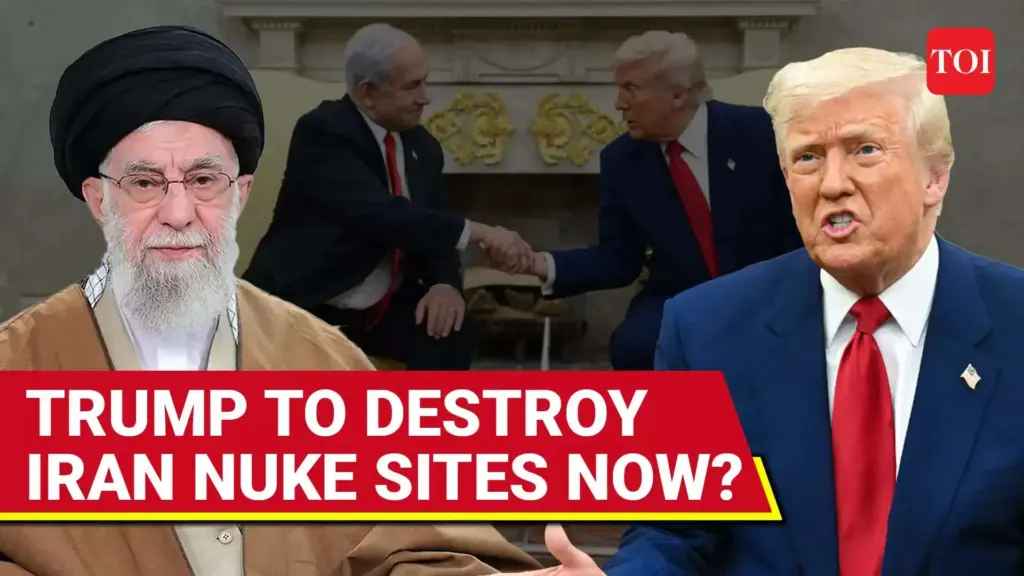
Trump Iran nuclear talks have been at the forefront of international diplomacy recently, as President Trump voiced his dissatisfaction with Iran’s response to discussions surrounding the country’s contentious nuclear programme. In a public statement, Trump expressed frustration over Iran’s unwillingness to meet the expectations set by the United States, indicating a precarious atmosphere surrounding US Iran negotiations. Despite the looming threat of military action, Trump has emphasized a preference for diplomacy, yet underscored that the situation could escalate if a satisfactory agreement is not reached. The recent surge in US military buildup in Iran intensifies concerns regarding potential conflict and hints at a fractured relationship as talks continue. As the world watches closely, the future of the Iran nuclear deal talks remains uncertain, with critical implications for regional stability and global security.
The ongoing discussions between Washington and Tehran regarding Iran’s nuclear ambitions, often referred to as the Trump Iran negotiations, have sparked significant global attention and worry. With increasing tensions stemming from Trump’s expression of discontent towards Iran’s nuclear programme, alternative approaches to diplomacy are being examined. This situation has led to a complex interplay of military readiness and diplomatic efforts, where US military deployments signal a potential shift from negotiation to confrontation. Furthermore, as experts analyze the repercussions of failing to strike a robust accord, the dialogue surrounding the Iran nuclear agreement remains critical in understanding the broader geopolitical landscape. The intricacies of these talks not only affect US-Iran relations but also involve varying degrees of international response, reflecting a multifaceted challenge in global diplomacy.
Trump’s Discontent with Iran: Key Insights from Recent Talks
President Trump’s recent remarks regarding the Iran nuclear programme underscore his dissatisfaction with the progress of negotiations between the US and Iran. Despite the ongoing discussions aimed at curbing Iran’s nuclear capabilities, Trump expressed frustration over Iran’s unwillingness to comply with US demands. Such sentiments raise questions about the viability of US-Iran negotiations and highlight the complexities inherent in diplomatic interactions with Tehran. The stark reality of potential military action looms large as Trump remains evasive about resorting to force, leaving the door open for further escalation.
In Geneva, where the latest talks were held, both US and Iranian officials were said to have made ‘significant progress’, yet substantial differences remain unresolved. This duality of progress yet dissatisfaction reflects the tenuous nature of the negotiations. With the specter of military buildup in the region haunting these talks, the future of US-Iran relations hangs in the balance as Trump’s administration grapples with demands for a meaningful agreement.
Frequently Asked Questions
What are the key points of Trump’s dissatisfaction with Iran in the nuclear talks?
President Trump expressed dissatisfaction with Iran during the recent nuclear talks, highlighting that Iran is not providing concessions necessary for a potential deal. His comments emphasized a desire for significant progress to prevent a military response to the ongoing tensions surrounding Iran’s nuclear programme.
How has the US military buildup influenced the Trump Iran nuclear talks?
The US military buildup in the Middle East has significantly influenced Trump Iran nuclear talks by raising tensions and prompting concerns about military action. This escalation aims to pressure Iran during negotiations and underscores the US’s commitment to monitoring Iran’s nuclear activities closely.
What are the implications of Trump’s statements on potential military action against Iran?
Trump’s statements regarding potential military action against Iran imply a willingness to consider military options if diplomatic negotiations fail. This posture aims to leverage pressure in Trump Iran nuclear talks, emphasizing the importance of reaching a deal while keeping military responses as a last resort.
How are other countries reacting to the US’s stance in the Trump Iran nuclear negotiations?
Other countries have responded to the US’s stance in the Trump Iran nuclear negotiations by issuing travel warnings and reevaluating their military presence in the region. The UK and other nations, concerned about escalating tensions, have temporarily withdrawn staff or recommended against travel to areas affected by US-Iran conflicts.
What progress has been made in the Trump Iran nuclear deal talks?
During recent Trump Iran nuclear deal talks held in Geneva, both sides reportedly made significant progress, yet challenges remain. While some agreements were reached, notable differences persist, with further discussions scheduled to continue addressing unresolved issues surrounding Iran’s nuclear programme.
What role does the International Atomic Energy Agency play in the Trump Iran nuclear talks?
The International Atomic Energy Agency (IAEA) plays a crucial role in the Trump Iran nuclear talks by monitoring Iran’s nuclear activities. Given recent concerns about Iran’s uranium enrichment, the IAEA’s inspections and reports are vital in assessing Iran’s compliance and ensuring transparency in its nuclear programme.
What are the immediate effects of the recent Trump Iran nuclear discussions on US citizens in the region?
In light of the recent Trump Iran nuclear discussions, the US government has advised its citizens in Iran to leave immediately, reflecting heightened concerns over the potential for conflict. This precaution underscores the urgent nature of the negotiations and the risks involved due to rising tensions.
What are the next steps for the US and Iran following the recent nuclear talks?
Following the recent Trump Iran nuclear talks, the next steps include continued negotiations aimed at resolving outstanding issues. High-level talks are expected to occur soon, with scheduled technical discussions in Vienna to further examine the progress made and explore options for a potential agreement.
| Key Points | Details |
|---|---|
| Dissatisfaction of Trump | Trump expressed he is ‘not thrilled’ with Iran’s unwillingness to accommodate US demands during nuclear talks. |
| Military Options Considered | Despite wishing to avoid military action, Trump acknowledged that it might be necessary, causing global military and travel advisories. |
| International Response | Countries like the UK and others issued warnings to citizens, with the UK withdrawing staff from Tehran. |
| Progress in Talks | Significant progress was reportedly made in negotiations, yet major disagreements on key issues remain. |
| Concerns Over Nuclear Development | US and allies suspect Iran is moving towards developing nuclear weapons, which Iran denies, citing peaceful intentions. |
| U.S. Military Build-up | The largest U.S. military presence in the Middle East since 2003 has been ordered, eliciting stern responses from Iran. |
| Oman’s Mediation | Oman’s Foreign Minister noted that Tehran is committed to not stockpiling enriched uranium, which could affect the potential for nuclear weapons. |
| Next Steps | Further negotiations are planned soon in Vienna, with some aspects making progress, but challenges remain. |
Summary
Trump Iran nuclear talks have taken a tense turn, with President Trump expressing his displeasure at Iran’s lack of cooperation on its nuclear programme. As discussions stalled in Geneva, urgent warnings prompted countries to assess their diplomatic presence and travel advisories, highlighting the precarious situation. While significant dialogue has occurred, both sides remain at odds over critical issues, underscoring the fragility of the situation and the potential for escalating tensions.

