Listen to this article
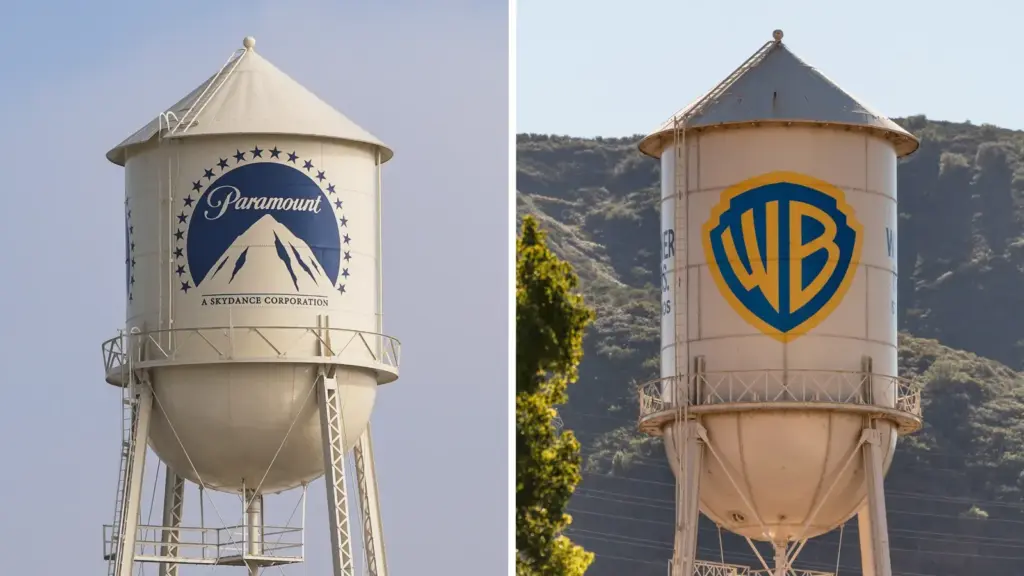
The potential Warner Bros Paramount deal signals a dramatic shift in the landscape of Hollywood and the streaming services market. By merging operations, these two media giants aim to create a powerhouse capable of competing against the likes of Netflix and Disney, drastically impacting the cinema industry as well as viewer access to beloved content. This consolidation could lead to significant Warner Bros streaming changes, offering a more enticing platform for subscribers seeking a rich library of films and shows. However, the implications extend beyond just streaming; they also touch on CNN news coverage implications and how the deal might influence the narrative landscape amid growing concerns about media industry consolidation. As the future of this deal remains uncertain and pending regulatory approval, the film and television sectors hold their breath in anticipation of what it could mean for entertainment consumption in America.
The proposed merger between Warner Bros and Paramount represents a pivotal moment for the film and media sectors, hinting at a future where fewer entities dominate the ecosystem. This union could usher in an era characterized by significant alterations to how audiences engage with streaming platforms, which may inadvertently affect the cinema experience. Furthermore, concerns regarding the potential changes in news delivery by networks like CNN add another layer of complexity to this developing narrative. As we explore the ramifications of this merger, it’s important to understand not only how it may transform content availability but also how it might contribute to heightened scrutiny in the media landscape. With evolving industry dynamics and shifting viewer expectations, the broader implications of such a merger cannot be overstated.
Understanding the Warner Bros Paramount Deal
The proposed merger of Warner Bros and Paramount Skydance represents a significant shift in the landscape of the film and streaming industries. If the deal moves forward, it could create a powerful new player in the entertainment sector that combines the robust libraries of both companies. This merger is poised to serve as a direct response to the increasing dominance of streaming giants like Netflix and Disney. Analysts predict that this collaboration will provide consumers with a wider array of content offerings, potentially making it more difficult for smaller streaming services to compete. As the media industry consolidates, audiences might see a shift towards fewer, but more comprehensive, subscription packages that could redefine their viewing experience.
However, the implications of the Warner Bros Paramount deal extend beyond mere content availability. There are concerns about how such consolidation might affect the diversity of films produced, the artistic independence of filmmakers, and the pricing dynamics in the streaming sector. As merged entities streamline operations, the uncertainty surrounding job security in both companies could emerge as a bigger issue. Analysts point out that while initial subscription prices may drop to attract users, long-term price hikes might become inevitable due to reduced competition in the market and increasing operational costs.
Frequently Asked Questions
What are the potential impacts of the Warner Bros Paramount deal on the streaming services market?
The Warner Bros Paramount deal is expected to lead to the merging of Paramount+ and HBO Max, resulting in a more comprehensive streaming service. This consolidation could initially offer lower subscription costs for users with both services. However, over time, as competition decreases, prices might increase, potentially leading to higher overall costs for viewers.
How might the Warner Bros Paramount deal affect the cinema industry?
The Warner Bros Paramount deal could provide a temporary reprieve for cinema operators by reducing the likelihood of films being rushed to streaming platforms, as both studios still rely on ticket sales. However, the consolidation may ultimately lead to fewer films being produced, similar to the outcomes observed after Disney’s acquisition of Fox.
What implications could arise from the Warner Bros Paramount deal for CNN’s news coverage?
With the Warner Bros Paramount deal, CNN could face changes under the control of the Ellison family, who might introduce a more restrained editorial approach. Concerns have been raised about the potential for biased coverage, particularly regarding the Trump administration, which could affect the network’s journalistic integrity.
Could the merger triggered by the Warner Bros Paramount deal raise subscription costs for consumers?
While the initial merger of Warner Bros and Paramount may lead to lower subscription costs for users paying for both HBO Max and Paramount+, analysts warn that less competition in the streaming market could ultimately allow for price increases for consumers in the long run.
What does the Warner Bros Paramount deal mean for the future of content creation in media?
The Warner Bros Paramount deal is likely to result in fewer films being produced due to cost-cutting measures and increased debt. This consolidation trend could lead to less diversity in content as studios become more risk-averse when it comes to funding new projects.
How does the Warner Bros Paramount deal compare to the broader trend of media industry consolidation?
The Warner Bros Paramount deal is part of a larger trend of media industry consolidation that has seen major companies merge to bolster their market positions. This trend raises concerns regarding fewer choices for consumers and could lead to less innovation within the industry as competition diminishes.
| Key Points | Impact |
|---|---|
| Streaming Costs Could Change | Possible merger of Paramount+ and HBO Max could alter subscription prices, with potential initial discounts but later increases due to less competition. |
| Reprieve for Cinemas but Less Content | A merger might reduce the rush to streaming for films, benefiting cinema attendance, but could lead to fewer films being produced overall. |
| Impact on CNN | Concerns over editorial independence as CNN comes under Ellison family control, possibly leading to less critical coverage of the Trump administration. |
| Competition with YouTube | The real challenge lies with YouTube and short-form video content, not just direct competitors in the streaming market. |
Summary
The Warner Bros Paramount deal could significantly transform the streaming landscape, cinema attendance, and news coverage in the U.S. If approved, the merger promises to enhance content offerings for viewers but raises concerns over pricing, the future of cinema, editorial independence at CNN, and competition with platforms like YouTube. As the media landscape continues to evolve, this potential deal will be closely scrutinized for its long-term effects on consumers and the industry.