Listen to this article
Collagen supplements have surged in popularity, promising a range of collagen benefits that can enhance skin elasticity and combat the signs of aging. These supplements, available in various forms such as powders or capsules, aim to rejuvenate the skin by boosting hydration and promoting a more youthful appearance. While they are not a miracle cure for wrinkles, studies suggest that consistent use can significantly improve skin tone and moisture over time. Additionally, different collagen types can serve various needs, offering solutions for those committed to a skincare routine focused on anti-ageing. However, it’s essential to remember that the journey to youthful skin involves patience, as the positive effects of collagen supplements often manifest gradually.
In recent years, the market has seen a rise in products touted for their skin-rejuvenating properties, particularly those rich in collagen. These nutritional additives, available in various formats, are believed to support the skin’s structure and overall health, making them a popular choice for many enthusiasts of natural beauty solutions. With ongoing discussions about the merits of these sources of protein, people increasingly seek options that promote a vibrant, youthful complexion. By enhancing moisture levels and skin firmness, these collagen-rich supplements are integrated into daily health routines, serving not just beauty but also wellness goals. As more research unravels the complex nature of skin aging, understanding the role of collagen becomes paramount for those interested in holistic skin care.
Understanding the Benefits of Collagen Supplements
Collagen supplements have gained immense popularity in recent years, primarily due to their purported benefits for skin health. Scientific studies indicate that these supplements can enhance skin elasticity and hydration, which are critical factors in maintaining a youthful appearance. As our bodies age, the natural production of collagen declines, leading to less elastic skin and the formation of wrinkles. By incorporating daily collagen supplementation into your routine, you may support your skin’s structural integrity and overall appearance, contributing to the anti-ageing process.
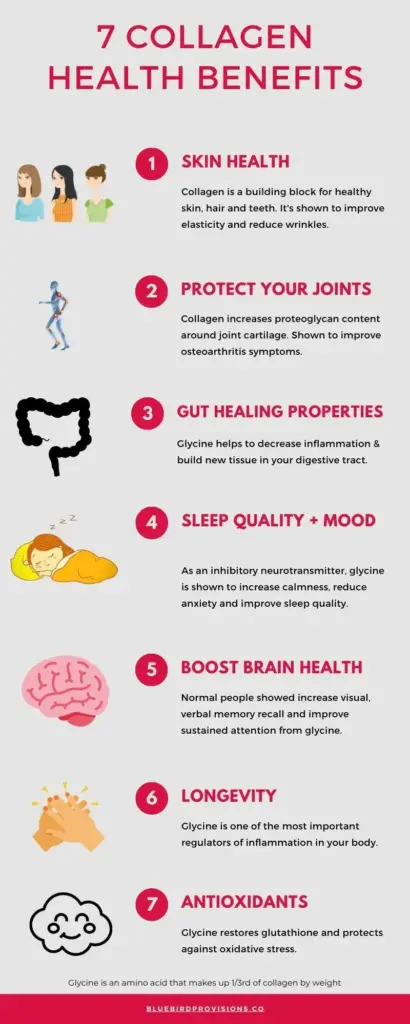
Additionally, collagen is not solely beneficial for the skin but also plays a role in the health of joints, nails, and hair. Nutrition experts advocate for collagen as a holistic solution for enhancing overall well-being and promoting healthy ageing. While the effects are not instantaneous, consistent use of collagen can lead to significant improvements over time, making it a worthy consideration for those looking to bolster their skincare routine.
Types of Collagen and Their Applications
There are various types of collagen supplements available on the market, with marine, bovine, and vegan options being the most prevalent. Each source has distinct properties and potential benefits, with marine collagen, for example, being lauded for its superior absorption and effectiveness in enhancing skin hydration and elasticity. Bovine collagen, on the other hand, may contribute to improved joint health alongside skin benefits. It’s vital for consumers to choose the type of collagen that best aligns with their health goals and dietary preferences.
While the review of studies did not establish a definitive winner among the different types of collagen, it did highlight the importance of consistent use. Regardless of the source, the benefits appear to accrue over time, suggesting that individuals should integrate these supplements into their daily regimen for the best results. For those on vegan diets, plant-based collagen boosters containing amino acids found in beans, lentils, and other sources can offer a suitable alternative.
Collagen and Skin Elasticity: What You Need to Know
Skin elasticity is a vital aspect of youthful skin, and collagen plays a pivotal role in maintaining this elasticity. With age, the depletion of collagen leads to a decrease in skin firmness and a rise in the visibility of fine lines and sagging skin. Collagen supplements can aid in replenishing some of this lost protein, potentially reversing some visible signs of ageing. The connection between collagen and skin elasticity underscores the need for proactive skincare strategies, particularly as one approaches their 30s and beyond.
For optimum results, integrating collagen supplements with a comprehensive skincare routine can be beneficial. This includes the use of topical treatments enriched with ingredients like Vitamin C, which promotes collagen synthesis in the skin. Adopting a holistic approach that combines dietary considerations, topical applications, and proper hydration can further enhance skin elasticity, allowing for a more youthful appearance.
Debunking Myths About Collagen and Anti-Ageing
There are numerous misconceptions surrounding collagen supplements and their efficacy as anti-ageing solutions. Some claims suggest that collagen can completely eradicate wrinkles; however, current research reveals that while collagen can improve skin hydration and elasticity, it is not a magic cure. It’s crucial to set realistic expectations when considering collagen as part of your anti-ageing strategy. Understanding that collagen supplementation is a supportive measure rather than a standalone solution is key.
Moreover, the emphasis on holistic ageing suggests that lifestyle factors such as nutrition, sun protection, and smoking cessation play equally critical roles in the overall appearance of skin. Thus, while collagen can provide legitimate benefits, it should be viewed as one component of a multifaceted approach to skincare and healthy ageing.
Incorporating Collagen into Your Skincare Routine
Incorporating collagen supplements into your skincare routine can be a simple yet effective way to enhance skin health. Whether through powders, capsules, or drinks, finding a form that fits seamlessly into your daily life can increase adherence and utilization. To maximize the benefits, consider taking collagen alongside Vitamin C-rich foods or supplements, as Vitamin C is influential in aiding collagen synthesis in the body.
Additionally, combining collagen supplements with topical retinoids or hyaluronic acid can yield synergistic results. Retinoids are known for their ability to stimulate collagen production and encourage skin cell turnover, while hyaluronic acid helps retain moisture and plump the skin. This comprehensive approach not only amplifies the effects of collagen but also promotes a more vibrant and youthful complexion.
Key Nutrients that Support Collagen Production
To optimize the effectiveness of collagen supplements, it’s essential to include key nutrients in your diet that support natural collagen production. Vitamin C is a standout nutrient in this regard, as it aids the body in synthesizing collagen from amino acids. Foods rich in Vitamin C, such as berries, citrus fruits, and leafy greens, should be staples in your diet to enhance collagen absorption and effectiveness.
Moreover, minerals like zinc and copper are crucial for collagen maintenance and development. Zinc, found in foods like nuts, seeds, and shellfish, helps facilitate the formation of new collagen. Eating a well-rounded diet that includes protein sources such as beans, lentils, and lean meats can also deliver the amino acids necessary for collagen synthesis. Prioritizing these nutrients can amplify the overall impact of collagen supplements on your skin health.
How Collagen Supplements Improve Joint Health
Aside from their cosmetic benefits, collagen supplements can significantly contribute to joint health. With age, collagen levels in connective tissues decline, leading to increased joint wear and tear, which can result in pain and stiffness. Many studies suggest that collagen supplementation can help alleviate these issues by improving joint function and reducing discomfort. This is particularly important for individuals engaged in regular physical activity or sports.
Research indicates that athletes or older adults who regularly consume collagen supplements may experience reduced joint pain and improved mobility. The ability of collagen to strengthen cartilage may also contribute to better overall joint health, allowing for a more active lifestyle without the burden of discomfort. Incorporating collagen into your wellness regimen can thus be a proactive measure for maintaining joint integrity and flexibility.
The Future of Collagen Supplements in Skincare
The future of collagen supplements in skincare appears promising, as research continues to unveil new insights into their efficacy. As consumers seek natural and effective anti-ageing solutions, the demand for quality collagen products is likely to rise. Ongoing studies aim to decipher the specific mechanisms through which collagen positively influences skin health, paving the way for more targeted and effective formulations.
Furthermore, with advances in science and technology, we may see the development of enhanced delivery systems for collagen supplements, making them even more potent and effective. The ongoing dialogue surrounding collagen’s role in skincare will continue to evolve, leading to innovative products and approaches that allow individuals to maintain youthful skin and overall health as they age.
Conclusion: Embracing Collagen for Healthy Ageing
Embracing collagen supplementation as part of a holistic approach to skincare and healthy ageing can offer substantial benefits. By improving skin elasticity, hydration, and overall texture, collagen can enhance the appearance of aging skin. Moreover, its positive effects on joint health make it an essential supplement for individuals eager to maintain mobility and comfort.
While collagen does not offer a one-size-fits-all solution to anti-ageing, its consistent use can yield tangible results over time. By educating yourself about these supplements and adopting a well-rounded skincare regime that includes a balanced diet and sun protection, you can navigate the journey of aging with confidence and grace.
Frequently Asked Questions
What are the benefits of taking collagen supplements for skin elasticity?
Collagen supplements are known to enhance skin elasticity, hydration, and overall appearance. Scientific studies suggest that consistent use of collagen can lead to significant improvements in skin texture and moisture levels, contributing to a more youthful appearance.
How do collagen supplements relate to anti-ageing effects on the skin?
While collagen supplements may not prevent wrinkles entirely, they can play a role in anti-ageing by improving skin tone and moisture. Regular intake of these supplements may support healthy skin ageing, making the skin appear more radiant and youthful.
What types of collagen supplements are available and how do they differ?
There are several types of collagen supplements, including marine, bovine, and vegan options. Each type may offer unique benefits, but research has not conclusively shown that one is significantly more effective than another in enhancing skin health or collagen levels.
Can collagen supplements be part of a skincare routine for better skin health?
Yes, incorporating collagen supplements into your skincare routine can provide additional support for skin health. When combined with a balanced diet and other skincare products, collagen supplements can enhance hydration and elasticity, helping to maintain a youthful appearance.
How does collagen production decline with age and what can be done about it?
As we age, collagen production decreases, especially after milestones like menopause. This decline can lead to reduced skin elasticity and increased wrinkles. Taking collagen supplements, along with a diet rich in vitamin C and zinc, can help stimulate collagen production and improve skin vitality.
What nutrients help support collagen formation in the body?
Key nutrients that support collagen formation include vitamin C, which is crucial for collagen synthesis, and zinc, which helps the body in producing collagen. Consuming a diet rich in fruits, vegetables, and adequate protein sources can promote healthier skin and boost collagen levels.
Are there vegan collagen supplements available, and do they work?
Yes, there are vegan collagen supplements that provide the amino acids necessary for the body to naturally produce collagen. While they do not contain collagen itself, they can still support collagen production when combined with a healthy diet.
How long does it take to see results from collagen supplements?
Results from collagen supplements may vary, but consistent use typically shows improvements in skin elasticity and hydration over a period of weeks to months. It’s important to maintain a regular supplementation routine for optimal benefits.
| Key Points | Details |
|---|---|
| Collagen Supplements and Skin | Boosts skin elasticity and hydration but does not stop wrinkles. |
| Scientific Review Findings | Based on evidence from 113 trials with 8,000 participants, collagen supplements show ‘legitimate’ skin benefits over time, but results are not immediate. |
| Natural Collagen Production | Collagen production decreases with age, especially around menopause. |
| Types of Collagen Supplements | Available types include marine, bovine, and vegan; no evidence showing one is superior. |
| Myths and Truths | While collagen may aid skin and joint health, it is not a cure-all. Consistent use is important. |
| Dietary Factors | Vitamin C and zinc are crucial for collagen synthesis; dietary protein also supports natural production. |
| Need for Further Research | Additional studies are required to build upon initial findings regarding collagen’s effectiveness. |
Summary
Collagen supplements are gaining attention for their potential benefits in enhancing skin elasticity and overall hydration. Although these supplements do not prevent wrinkles, they can improve skin’s youthful appearance when taken consistently. The scientific review highlights the credibility of collagen in supporting skin health and joint function, especially as natural collagen production declines with age. Balancing supplement usage with a diet rich in vitamin C and zinc can further enhance collagen formation in the body, promoting healthier and more resilient skin.