
Listen to this article
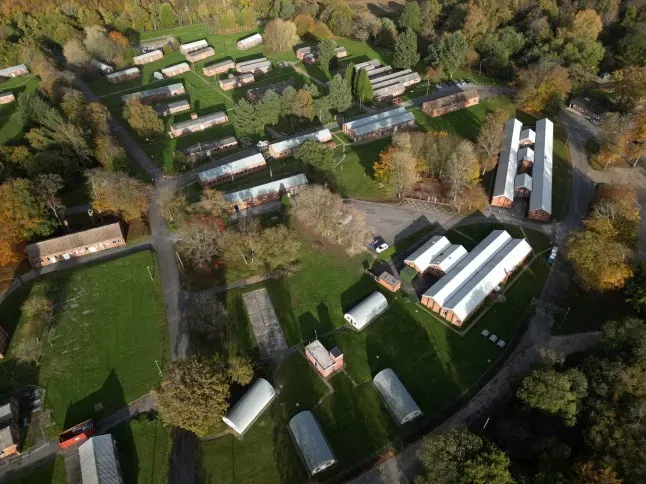
Crowborough army camp asylum housing has become a focal point of community debate in East Sussex, as residents grapple with the implications of the Home Office’s recent decision to utilize the former military site for accommodating asylum seekers. The legal battle initiated by Crowborough Shield, a dedicated residents’ group, illustrates significant local concern following plans to house up to 540 men in a setting that many perceive as inappropriate. These plans have stirred emotions across the area, highlighting issues surrounding asylum policies, community well-being, and environmental impacts, as the camp lies close to Ashdown Forest, a protected area. Despite a recent high court ruling against the residents’ legal challenge, support for the initiative to safeguard the community’s interests remains strong, with Crowborough Shield vowing to continue their fight. The cases raised about the decision-making process reflect an ongoing tension between governmental authority and local dissent regarding the treatment of asylum seekers in facilities like the asylum camp Crowborough.
The discourse surrounding the use of a former military installation as accommodation for asylum seekers in Crowborough, East Sussex, underscores the complexities involved in housing vulnerable populations. Local advocacy groups, including Crowborough Shield, have raised significant concerns over the Home Office’s plan to place individuals who often come from traumatic backgrounds into a militarized environment. This situation has prompted discussions on the legality of such decisions and the impact they may have on both the residents and asylum seekers. As legal challenges unfold regarding the government’s actions, the community remains divided and deeply engaged in the quest for a solution that respects the dignity of all individuals involved. The unfolding narrative not only centers around housing arrangements but also invokes urgent questions about humanitarian policies and governmental accountability.
Overview of the High Court Decision on Crowborough Army Camp Asylum Housing
In a notable legal ruling, the high court dismissed the residents’ group, Crowborough Shield, in their attempt to challenge the Home Office’s decision to utilize the Crowborough army camp for asylum seeker housing. This ruling marks a critical moment in the ongoing debate regarding the rights of local communities versus the urgent need for asylum accommodations in East Sussex. With significant public interest, the judgment reflects not only the legal intricacies involved but also the emotional weight carried by the residents affected by such decisions.
Mr. Justice Mould ruled that the challenge to the Home Office’s plan was premature, as it had not yet been officially adopted at the time of the lawsuit. This highlights a crucial aspect of legal proceedings, which is the timing of filings. Legal representatives often find themselves navigating a complicated web of regulatory protocols, where a premature challenge could negate grassroots efforts for justice. This judgment underscores the importance of procedural precision, especially in cases that impact community welfare and governmental policy.
Implications of Crowborough Shield’s Legal Challenge
The implications of the Crowborough Shield’s legal challenge extend beyond the immediate ruling, touching on the future strategies used by residents against government decisions. Activists assert that housing asylum seekers at the Crowborough army camp could set a dangerous precedent for the treatment of vulnerable populations. By leveraging community voices and resources, Crowborough Shield has mobilized public support, launching a significant crowdfunding campaign to finance their legal fight, which raises questions of how similar groups may strategize in future cases regarding asylum camps.
Furthermore, the ruling opens discussions about the responsibilities of the Home Office in the asylum process. Resident concerns include not only the immediate impact of housing asylum seekers in a military camp but also the longer-term effects on the local environment and community dynamics. This legal challenge reflects broader issues surrounding asylum policies in the UK, particularly regarding transparency and community engagement in decision-making processes.
Environmental Concerns Linked to Asylum Housing at Crowborough Camp
The site of the Crowborough army camp is located near Ashdown Forest, a geographically significant area known for its biodiversity and conservation priorities under UK and international law. This proximity raises several environmental concerns, notably the welfare of protected species like the Dartford warbler and great crested newt that inhabit the locale. Opponents of the asylum housing plan worry that converting such a sensitive area into temporary military-style accommodations for asylum seekers could endanger these native species and disrupt critical ecosystems.
In its defense, the Home Office contends that they have legal authority to repurpose the camp for housing asylum seekers. However, local community groups argue that such a decision was made without adequate consideration of environmental regulations. As residents vocalize their environmental and humanitarian concerns, it poses an ethical dilemma for policymakers regarding balancing the urgent need for asylum accommodation with the duty to protect the environment.
Community Response and Actions Against Crowborough Army Camp Asylum Plan
The community’s response to the Crowborough army camp asylum housing proposal has been robust and organized, with residents mobilizing demonstrations over a period of sixteen weeks. These protest marches signify a united front of dissent against the government’s plan, showcasing the residents’ determination to protect both their neighborhood and the asylum seekers’ rights. The community’s protests are not aimed solely at stopping the asylum plan but are also a call for a more transparent consultation process concerning developments that affect their lives.
Additionally, local leaders and organizations, such as Wealden District Council, have expressed their opposition to the Home Office’s handling of the situation, reflecting the community’s unease. This public sentiment is critical; it complements Crowborough Shield’s legal efforts by building a collective narrative around the importance of communication and transparency in housing policies. The relentless spirit of community inquiry and proactive engagement can lead to more effective advocacy and potential changes in future asylum housing strategies.
Prospects for a New Legal Challenge Against Home Office Decisions
Following the recent ruling, Kim Bailey, director of Crowborough Shield, has indicated the group’s intention to launch a new legal challenge against the Home Office’s asylum housing plan. This step demonstrates resilience on the part of local advocates, as they navigate through the complexities of legal frameworks while upholding community interests, environmental justice, and the humane treatment of asylum seekers. A renewed effort may hinge on stringently addressing the legal missteps cited in the court’s dismissal.
Moreover, the potential for a new legal challenge invites wider discussions among similar advocacy groups across the UK. As they analyze this case’s implications, other communities facing similar government interventions might consider collaborative strategies aimed at legal reform regarding asylum policies. This renewed effort could also enhance civic engagement surrounding asylum seeker rights, especially in regions with existing camps.
Understanding the Human Element in Asylum Housing Decisions
It is imperative to consider the human element in discussions surrounding asylum housing at places like the Crowborough army camp. Many asylum seekers arrive with traumatic experiences, having fled war, persecution, and human rights violations. Critics of the government’s plans argue that placing these vulnerable individuals in a former military site, especially one near police training facilities, may exacerbate their trauma. Understanding these human narratives can inform policies and provoke more compassionate housing strategies that protect their dignity.
Advocates point out that beyond just providing shelter, there must be consideration of the mental and emotional wellbeing of asylum seekers. Establishing a safe and conducive environment is paramount to their recovery and integration into society. The Crowborough case serves as a reminder that government decisions must not overlook the intricate balance of logistical planning and humane treatment of those seeking refuge in a new land.
Home Office’s Justification for Utilization of Army Camps for Asylum Seekers
The Home Office had justified its plan to utilize the Crowborough army camp as an asylum housing facility based on the need to create immediate accommodations for increasing numbers of asylum seekers arriving in the UK. This response has been both criticized and defended within public discourse, where proponents argue that it is a pragmatic approach in times of unprecedented inflows of individuals seeking refuge.
However, critics claim that such a justification overlooks the complexities of adequately protecting and supporting asylum seekers. They are calling for more transparent decision-making that involves local communities in consultations. The conversation around the utilization of military spaces as asylum housing raises essential questions not only about efficiency but also about moral responsibility and legal adherence in housing strategies.
Potential Impact of Protests on Government Policies Regarding Asylum Seekers
The ongoing protests organized by Crowborough residents could significantly impact future government policies regarding asylum accommodations. When communities vocalize their concerns consistently, it creates pressure on policymakers to reconsider the implications of their actions. The sustained public activism reflects a growing acknowledgment that local voices are vital in shaping policies that affect their lives and communities.
Moreover, the Crowborough protests may inspire similar responses across the country, urging other communities to engage in activism concerning asylum housing. Through collaboration and shared experiences, residents could create a larger movement advocating for holistic approaches to asylum policies—combining emergency accommodations with long-term supportive measures aimed at integration and resilience.
The Role of Community Advocacy Groups in Asylum Housing Issues
Community advocacy groups like Crowborough Shield play a pivotal role in shaping local responses to government asylum housing initiatives. By galvanizing support and raising awareness, these organizations ensure that the voices of affected residents are heard. Their efforts highlight the significance of grassroots movements in challenging governmental decisions and advocating for just outcomes that take both environmental and humanitarian issues into account.
The work of such advocacy groups is essential not just in this specific instance but also in a broader context as they can stimulate public discourse on complex issues surrounding asylum seekers. The ongoing case at the Crowborough army camp exemplifies how local activism can mobilize significant resources, including crowdfunding for legal battles, creating a powerful narrative that merges legal review with community-driven advocacy.
Frequently Asked Questions
What is the status of Crowborough army camp asylum housing plans?
The plans to use Crowborough army camp for housing asylum seekers have faced legal challenges but have been upheld by the courts. The most recent ruling favored the Home Office, indicating the decision was premature since no formal policy to utilize the camp had been established at the time of the challenge.
Who is Crowborough Shield and what is their concern regarding the asylum housing?
Crowborough Shield is a group of residents who raised concerns and funds to challenge the Home Office’s decision to convert the Crowborough army camp into asylum housing. Their concerns focus on the environmental impact and the safety of the asylum seekers, particularly those with traumatic backgrounds.
How does the Crowborough army camp asylum housing impact local wildlife?
The Crowborough army camp is located near Ashdown Forest, an area protected under UK and international law. Residents and environmentalists worry that converting this site for asylum housing may threaten local biodiversity and violate conservation regulations.
What prompted the legal challenge against the Home Office’s decision on asylum seekers at Crowborough?
The legal challenge, led by the Crowborough Shield group, was prompted by concerns over the Home Office’s plans to house asylum seekers at the army camp, citing a lack of transparency and potential abuse of powers in the decision-making process.
What did the recent court ruling mean for the future of asylum seekers at Crowborough army camp?
The recent ruling confirmed that the legal challenge was premature, allowing the Home Office’s decision to house asylum seekers at Crowborough army camp to proceed. However, the Crowborough Shield group plans to pursue further legal action regarding specific concerns about the housing of asylum seekers.
What actions have local residents taken against the Crowborough army camp asylum housing proposals?
Local residents, represented by Crowborough Shield, have organized protest marches for 16 consecutive weeks against the asylum housing proposals. They have also initiated legal challenges citing environmental concerns and a lack of transparency from the government.
How many asylum seekers are expected to be housed at the Crowborough army camp?
The Home Office had proposed to house up to 540 men at the Crowborough army camp as part of its plan for asylum housing, although the legal challenges may influence future accommodations.
What were the reasons cited for opposing the use of Crowborough army camp as asylum housing?
Opposition to the Crowborough army camp asylum housing comes from concerns about environmental impact, inadequate community consultation, and the physical and psychological welfare of the asylum seekers being placed in a military-style environment.
Can further legal challenges be made regarding the Crowborough army camp asylum housing decision?
Yes, further legal challenges can be made regarding the Home Office’s decision on Crowborough army camp asylum housing. The recent ruling has left room for new challenges that could address residents’ specific concerns following the formal establishment of the housing policy.
What is the role of Wealden District Council regarding the Crowborough army camp asylum housing?
Wealden District Council has opposed the use of Crowborough army camp for asylum housing, expressing dissatisfaction with the government’s decision-making process and planning permissions. They are currently seeking legal advice to determine potential actions in response to the recent court ruling.
| Key Points | Details |
|---|---|
| Legal Challenge Outcome | Residents’ group Crowborough Shield’s challenge against using the Crowborough army camp for asylum housing was dismissed by the high court. |
| Funding for Legal Fees | The group raised over £100,000 through crowdfunding to support their legal action. |
| Home Office’s Plan | The Home Office planned to house up to 540 men at the camp, with 27 men already accommodated. |
| Judge’s Ruling | Mr. Justice Mould ruled that the challenge was premature as the policy for housing asylum seekers was not clearly established. |
| Environmental Concerns | The site is near a protected area with endangered species and residents raised concerns about environmental impacts. |
| Reactions to the Judgment | Residents are disappointed and plan to continue their legal fight against the use of the site. |
Summary
Crowborough army camp asylum housing has become a focal point of legal and community contention following a high court ruling that dismissed a challenge from local residents. The case has highlighted significant concerns regarding the potential housing of asylum seekers in a military environment, alongside issues of environmental impact and community involvement in planning decisions. Despite the setback, the Crowborough Shield group remains determined to pursue further legal actions to address their concerns.