
Listen to this article
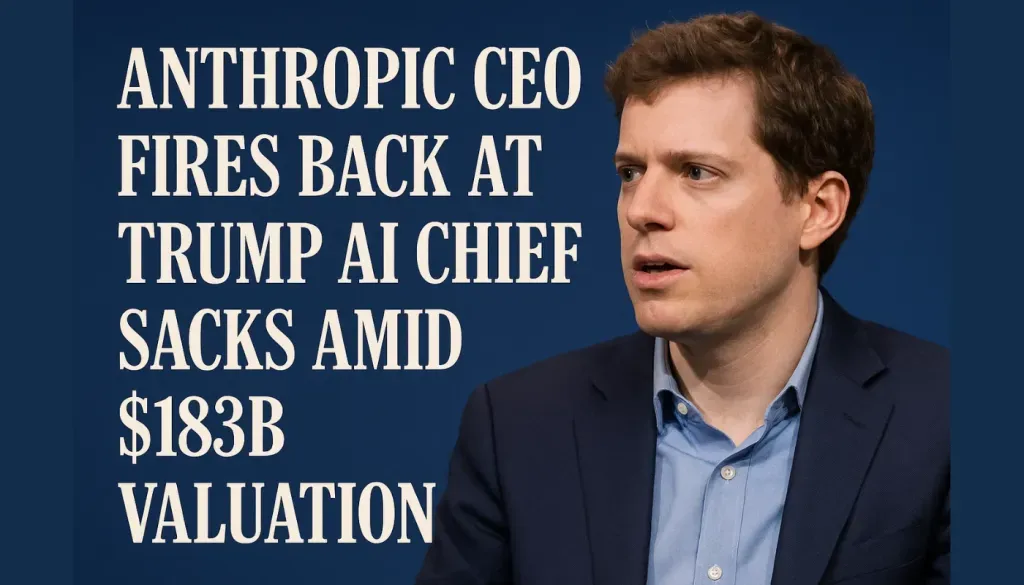
In a significant move, Trump halts Anthropic AI contracts, declaring an immediate cessation of government dealings with the AI developer. This decision comes in light of Anthropic’s founder, Dario Amodei, raising crucial concerns about his technology’s potential applications in mass surveillance and autonomous weapons. “We don’t need it, we don’t want it, and will not do business with them again!” Trump stated emphatically in a Truth Social post. With a looming deadline set by the Pentagon for Anthropic’s compliance, the former president’s directive marks a pivotal moment in the ongoing discourse surrounding government AI contracts and military technology. As discussions continue to heat up within the tech community, the ramifications of this ban could reshape the landscape of AI development and governance in the United States.
The recent suspension of dealings with Anthropic AI by Trump represents a broader concern regarding the ethical use of artificial intelligence in governmental applications. As tensions rise over the implications of advanced AI technologies, industry leaders and policymakers alike grapple with the difficult balance between innovation and public safety. The choice to halt these contracts ties into larger debates about the military’s role in technology development and the potential risks associated with autonomous systems. With high-profile figures like Dario Amodei leading conversations around responsible AI usage, this situation exemplifies the mounting pressure on tech companies to ensure their products do not facilitate violations of civil liberties or contribute to warfare. As a result, the outcry against such technologies may ultimately influence how companies approach government collaborations in the future.
Trump’s Directive on Government AI Contracts
In a bold move, President Donald Trump has instructed all federal agencies to terminate their contracts with Anthropic AI. This unparalleled directive signals a significant shift in the government’s approach to artificial intelligence development and partnerships. By halting these contracts, Trump aims to address growing concerns surrounding the ethical implications of AI technologies, particularly in areas such as mass surveillance and autonomous weaponry. The decision underscores a broader intention to ensure that government-associated AI tools align with the values and security needs of the nation.
This suspension of Anthropic’s AI contracts does not only have implications for the company but also raises questions about the administration’s broader strategy on technological partnerships. Trump’s statement, “We don’t need it, we don’t want it, and we will not do business with them again!” showcases his administration’s commitment to reassessing the tech firms that engage with the federal government. The Pentagon, which initially set a deadline for Anthropic to comply with its demands, is now tasked with navigating the challenges of a phase-out process that could potentially revisit how AI tools are selected and utilized in government operations.
Anthropic’s Position and Dario Amodei’s Stand
Dario Amodei, the CEO of Anthropic, has taken a strong stance against the demands posed by the Pentagon regarding the use of its AI technology. His commitment to ethical AI development has resonated within the tech community, as he prioritizes preventing the utilization of AI tools for mass surveillance and fully autonomous weapons. Amodei’s unwavering position highlights the growing responsibilities AI developers face in ensuring their technologies are applied ethically, revealing a tension between corporate interests and government objectives. This has sparked conversations about the role of AI companies in national security matters and the ethical boundaries that should guide technological advancements.
Moreover, Amodei’s conflict with the Pentagon underscores a critical juncture in the AI landscape, where ethical considerations are increasingly clashing with governmental demands for technological innovation. By rejecting the possibility of his company’s innovations being used for harmful purposes, Amodei is positioning Anthropic not just as a player in the AI space but as a moral leader advocating for responsible practices within the industry. His approach is indicative of a trend where AI corporations are starting to prioritize ethical frameworks over lucrative government contracts, a choice that may redefine their operational priorities moving forward.
Trump Halts Anthropic AI Contracts: Implications for the Industry and Government Relations
The decision by President Trump to halt all contracts with Anthropic AI is sending ripples through the tech industry, prompting discussions about the future of government-tech relations. This unexpected move has drawn mixed reactions, with some industry leaders lauding Trump’s commitment to regulating AI technologies, while others express concern over the potential stifling of innovation within the sector. Companies engaged in AI development are now meticulously reassessing their dealings with the government, as regulations become more stringent and compliance with ethical standards grows increasingly imperative.
Additionally, as the fallout from the decision unfolds, other tech giants working with the Department of Defense are likely to scrutinize their involvement in similar projects. This could lead to a reevaluation of how contracts are negotiated and the stipulations attached to them, particularly in light of ethical considerations surrounding AI uses. Companies may seek to distance themselves from any applications that could be perceived as contributing to harmful governmental practices, further complicating the landscape of AI development in a field rife with potential for misuse.
The Defense Production Act and Its Implications
The invocation of the Defense Production Act (DPA) presents a compelling dynamic in the ongoing debate over AI technologies, especially concerning Anthropic. This act enables the U.S. government to prioritize the production of goods necessary for national defense, creating a tension between technological innovation and governmental control over essential resources. In the context of Anthropic’s situation, the threat of invoking the DPA raises significant questions about the balance of power within the tech industry and governmental overreach into business practices.
As the Pentagon considers actions under the DPA, the implications reach far beyond Anthropic. If the government exercises this power to override corporate hesitance to comply with controversial requests, it sets a concerning precedent that could deter leading tech firms from engaging with government contracts altogether. The chilling effect of such decisions could stymie innovation, push tech companies towards more stringent compliance regulations, or lead to corporate climates resistant to government oversight due to fear of potential exploitation of their technologies.
Support for Ethics in AI Among Tech Leaders
Amid the turmoil surrounding Anthropic’s contracts, support for ethical practices in AI development has gained momentum among prominent figures in the tech industry. Sam Altman, CEO of OpenAI, has publicly sided with Amodei, emphasizing that his organization shares the same principles regarding responsible AI use. This unity among tech leaders illustrates a growing consensus on the critical need to ensure that AI tools promulgated for government use do not cross ethical lines, particularly regarding privacy and military applications.
This growing solidarity among industry leaders could potentially reshape the landscape of AI ethics significantly, heralding a new era in which transparency and corporate responsibility are prioritized. As major players advocate for stringent ethical frameworks in relation to government contracts and AI use, it signals a shift towards an industry-wide acknowledgment of the moral responsibilities tied to technological advancement. This pushback against governmental pressures reflects a broader trend where tech leaders recognize the importance of maintaining ethical standards over pursuit of profit, fostering a culture of accountability that resonates with the public.
The Future of AI Development and Regulation
Looking ahead, the halt of Anthropic’s government contracts by President Trump prompts a reevaluation of the future of AI development and regulation in the U.S. As the technology evolves rapidly, the necessity for robust regulatory frameworks to ensure ethical implementation of AI tools becomes increasingly apparent. Legislators face the challenge of establishing clear guidelines that govern the use of AI across various sectors while still fostering an environment conducive to innovation and growth.
Establishing comprehensive regulations around AI technologies is critical in addressing the potential risks associated with their misuse. This situation highlights the need for collaborative efforts between tech companies, policymakers, and regulatory bodies to create a framework that balances innovation with ethical use. As the industry continues to explore AI’s capabilities, the emphasis on responsible AI usage will undoubtedly shape future partnerships and collaborations between the government and tech firms, guiding the evolution of artificial intelligence in society.
Public Reaction and Opinion on Government AI Policy
Public opinion on Trump’s directive to halt contracts with Anthropic AI reveals significant scrutiny and contemplation around the government’s approach to AI technologies. Many individuals express concern that breaking ties with a leading AI provider could hinder the U.S.’s technological advancements and deprive government operations of innovative solutions. This discourse raises questions about the balance between ethical governance and the pragmatic need for effective technological resources to secure national interests.
Additionally, with a community of tech workers advocating against government demands for the development of AI technologies for warfare and surveillance, this situation underscores a larger narrative about the role of public sentiment in shaping governmental policies. As communities unite to resist certain applications of technology, it is imperative that policymakers recognize the collective voices advocating for responsible innovation. The evolving public discourse highlights the critical importance of engaging both tech professionals and civilians in conversations surrounding AI governance and ethical uses, ultimately influencing future policymaking endeavors.
The Role of Congress in AI Governance
As attempts to regulate AI technologies intensify, the role of Congress becomes more pivotal in establishing frameworks that govern the use and development of AI systems like those from Anthropic. Congressional involvement can lead to the implementation of clear legislation that defines ethical boundaries and operational requirements for AI technologies, preventing potential misuse in government applications. With increasing pressure to address these concerns, legislative measures may soon emerge intended to delineate the acceptable parameters for AI development, particularly when engaged in services with the Department of Defense.
However, the challenge lies in crafting laws that effectively address the rapid pace of AI evolution while ensuring the protection of civil liberties. Congress must navigate these complexities to ensure that the technology’s advancement aligns with democratic values and ethical standards. As conversations surrounding AI governance become more urgent, fostering collaboration between lawmakers, industry experts, and civic stakeholders can result in comprehensive policies that prioritize both progress and public safety across all areas impacted by AI innovations.
The Competitive Landscape of AI Firms
In light of the ongoing issues faced by Anthropic, the competitive landscape among AI firms is becoming increasingly pronounced. As numerous organizations strive for a foothold in the burgeoning AI market, the responses to government policies and market demands will significantly determine the success of these entities. With industry competitors like OpenAI observing the situation, the need for clear differentiation in ethical practices becomes an essential component of these companies’ strategies, redefining how they navigate partnerships with governmental bodies.
This competitive environment invites firms to revisit their approaches to AI development and regulatory compliance, focusing on aligning their missions with ethical standards. By prioritizing socially responsible practices, companies can bolster their reputations while mitigating risks associated with governmental scrutiny. Ultimately, the evolving discourse surrounding AI governance will continue to shape the competitive dynamics in the industry while encouraging firms to redefine their commitments to ethical principles in a rapidly transforming technological landscape.
Frequently Asked Questions
What was Trump’s statement regarding Anthropic AI contracts?
U.S. President Donald Trump announced that he would instruct every federal agency to immediately cease using technology from Anthropic AI, declaring, “We don’t need it, we don’t want it, and will not do business with them again!” This statement comes as part of a response to concerns raised by Anthropic’s leader, Dario Amodei, about the company’s technology potentially being used for mass surveillance and autonomous weapons.
How will Trump’s directive affect government AI contracts with Anthropic?
Trump’s instruction to halt all government contracts with Anthropic AI means that Anthropic’s tools will be phased out of government work over the next six months. Before this announcement, Anthropic had offered to help transition to another provider if the U.S. Department of Defense decided to stop using their AI products.
What concerns did Dario Amodei raise about Anthropic AI’s technology?
Dario Amodei, CEO of Anthropic AI, expressed serious concerns regarding the use of their technology for mass domestic surveillance and fully autonomous weapons, which ultimately led to the company’s refusal to comply with certain government demands. This stance was supported by other tech leaders, emphasizing a commitment to ethical AI development.
What implications does Trump’s action have for the future of AI technology in government contracts?
Trump’s halt on Anthropic AI contracts could set a precedent for future government AI technology contracts, emphasizing a need for ethical standards and oversight regarding the use of AI in national security. It also raises questions about how tech companies will navigate government relationships and ethical use of their technologies in defense applications.
How did other tech leaders respond to Trump’s decision on Anthropic AI?
In response to Trump’s decision, Sam Altman, CEO of OpenAI, expressed solidarity with Anthropic’s position, highlighting shared concerns regarding ethical AI use. Altman stated that OpenAI would also reject any defense contracts that involve unlawful applications such as domestic surveillance, aligning with the growing support for responsible AI development among tech leaders.
What are the legal repercussions for Anthropic AI following Trump’s statement?
Trump warned that if Anthropic does not assist during the phase-out period, he would utilize the full power of the presidency to enforce compliance, which could lead to significant civil and criminal consequences for the company. However, any threats such as invoking the Defense Production Act may face legal challenges if enacted.
What does the tech community say about the situation with Anthropic AI and the Pentagon?
Members of the tech community have rallied in support of Anthropic AI, voicing concerns about the ethical implications of government demands. An open letter signed by tech workers from various companies urged their employers not to comply with Pentagon demands related to AI uses in warfare, emphasizing a collective stance against profit-driven government contracts.
What contract does Anthropic AI have with the Pentagon?
Anthropic AI is currently involved in a $200 million contract with the U.S. Department of Defense, which includes the ongoing work and potential use of their AI tool, Claude, in government applications. This partnership has drawn scrutiny given the company’s ethical stance on the use of their technology.
What led to Trump’s decision to halt contracts with Anthropic AI?
Trump’s decision was influenced by concerns about the potential misuse of Anthropic AI’s technology, particularly highlighted by Dario Amodei’s warnings against applications in mass surveillance and autonomous weaponry. The culmination of these factors prompted Trump’s directive to shut down federal engagements with the company.
How is the supply chain risk related to Anthropic AI’s government contracts?
The Pentagon’s designation of Anthropic AI as a “supply chain risk” suggests that the company is viewed as a potential security threat regarding governmental use of AI technologies. This label raises questions about trust and reliability in technology partnerships, especially when national security is at stake.
| Key Event | Details | Impacts |
|---|---|---|
| Trump halts Anthropic AI contracts | President Trump instructed federal agencies to cease using Anthropic technology, citing safety concerns and ethical implications regarding surveillance and military use. | Trump’s order escalates tensions in AI development, impacting contracts worth $200 million and signaling a broader industry debate on technology ethics. |
| Anthropic’s Response | Anthropic’s leader, Dario Amodei, expressed refusal to permit their technology for mass surveillance or autonomous weapons and is willing to cease Pentagon collaboration. | Supports tech industry’s ethical stance against government demands, potentially affecting future defense contracts with the Department of Defense. |
| Broader Support | Sam Altman of OpenAI expressed solidarity with Amodei’s position. Nearly 700,000 tech workers signed letters against Pentagon demands. | A unified front among tech workers may influence future government negotiations and partnerships in AI. |
Summary
Trump halts Anthropic AI contracts, stating that federal agencies should immediately stop using the AI developer’s technology due to rising concerns over ethical implications in surveillance and military capabilities. This decision has provoked significant backlash and support within the tech community, emphasizing the ongoing debate about the responsible use of AI. By halting these contracts, Trump not only affects Anthropic’s ongoing relationship with the Department of Defense but also ignites a larger conversation about the future role of technology in government operations and the ethical responsibilities of AI developers.

