
Listen to this article
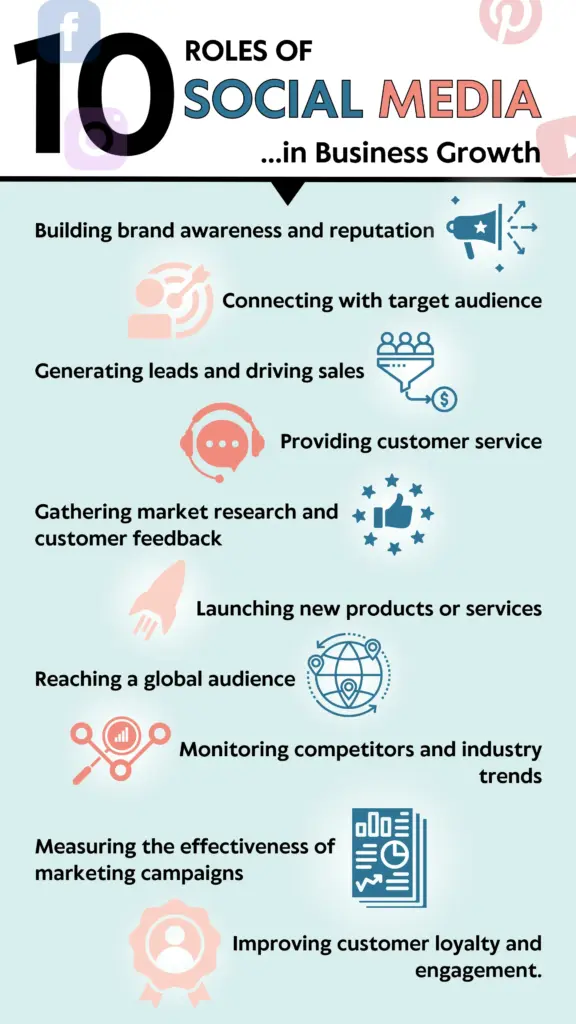
Social media in business growth has revolutionized how companies connect with their audiences, marking a significant shift in marketing dynamics. In today’s online arena, businesses leverage platforms like Facebook, Instagram, and LinkedIn not just for engagement, but as a crucial avenue for enhancing brand visibility and driving sales. By adopting effective social media marketing strategies, companies can tap into the vast potential of targeted advertising and community building, ensuring they reach the right customers. This digital transformation comes with numerous benefits of social media for businesses, such as improved customer relationships and increased website traffic, both vital for expanding market reach. Join us as we delve into the impactful strategies to harness the power of social media for sustainable business growth.
The influence of online networks on corporate expansion is undeniable, as these digital platforms have become essential for brand engagement and visibility. By implementing effective strategies in digital marketing, businesses can realize the profound effects of these social channels on their growth trajectory. Tapping into the opportunities they present is crucial for facilitating customer interaction and promoting brand loyalty. Moreover, there are numerous advantages associated with utilizing these platforms, including enhanced brand awareness and insights into consumer preferences. Let’s explore how businesses can effectively navigate the complex landscape of online networking to boost their growth and achieve lasting success.
The Impact of Social Media on Business Growth
In the realm of modern business, the influence of social media on growth cannot be overstated. It acts as a catalyst that not only enhances brand visibility but also fosters a robust connection with customers. For instance, businesses that actively engage with their audience on platforms such as Facebook or Instagram often see a direct correlation between their social activity and sales growth. As users interact with posts, share content, and leave feedback, brands receive immediate insights that can help tailor their offerings to better meet customer needs.
Moreover, social media serves as a platform for businesses to showcase their values and culture. By sharing behind-the-scenes content, customer testimonials, and community involvement, brands create a narrative that resonates with their audience. This trustworthiness leads to increased customer loyalty and word-of-mouth marketing, which are crucial for long-term success. Statistics show that consumers are more likely to purchase from brands they feel connected to, highlighting the importance of a strategic social media presence in driving business growth.
Social Media Marketing Strategies for Effective Engagement
Crafting a successful social media marketing strategy requires a deep understanding of your target audience and the platforms they frequent. It’s important to design content that not only captures attention but also encourages interactions. For example, using polls, quizzes, and contests can ignite engagement and create a community feel. If a brand encourages its followers to interact in fun and meaningful ways, it fosters a two-way dialogue, which is key to retaining customer interest and brand loyalty.
Additionally, leveraging analytics can help refine these marketing strategies. By monitoring engagement metrics such as likes, comments, and shares, businesses can ascertain what type of content resonates best with their audience. This data-driven approach allows marketers to pivot and adjust their strategies accordingly, ensuring that they remain relevant and engaging in an ever-changing digital landscape. Successful brands utilize this feedback loop to consistently evolve their social media presence and amplify their marketing impact.
The Benefits of Social Media for Businesses
The benefits of social media for businesses extend far beyond mere marketing; it’s about building relationships and gaining insights. Engaging with customers directly on social platforms provides businesses the opportunity to receive real-time feedback, making them more responsive to market needs. This two-way communication can lead to improvements in products and services that are informed directly by customer preferences, thus fostering innovation and adaptability.
Furthermore, social media acts as a cost-effective marketing channel. Traditional advertising methods can be expensive and less targeted, while social media offers targeted ads at a fraction of the cost. With options to target specific demographics—based on interests, location, and online behavior—businesses can maximize their marketing budgets. This efficiency not only boosts promotional reach but also increases the chances of conversion, making social media advertising a smart investment for business growth.
How to Use Social Media for Business Growth
To effectively harness social media for driving business growth, it’s essential to have a clear plan in place. Begin by setting specific goals, whether it’s increasing brand awareness, generating leads, or driving traffic to your website. Each goal requires a tailored approach, such as creating informative content that addresses customer pain points or sharing engaging visuals that tell your brand’s story. Understanding the nuances of each platform—such as Instagram’s emphasis on visuals versus LinkedIn’s professional focus—can enhance your strategy.
Additionally, consistency in posting is vital. Establish a content calendar that maps out what and when to post. Regular updates keep your audience engaged and informed about your brand’s latest offerings and initiatives. By maintaining a steady rhythm of quality content, businesses can position themselves as thought leaders in their industry, further solidifying their brand’s presence and authority.
Creating Engaging Content That Resonates
Engaging content is the lifeblood of social media success. Businesses must understand that their audience seeks more than just promotions; they want stories, experiences, and value added to their daily lives. Incorporating various formats—such as videos, infographics, and user-generated content—can elevate engagement levels. For example, sharing customer testimonials as video clips can resonate more with potential clients than a standard text post, as they provide authentic social proof.
To keep your audience entertained and informed, businesses should also consider employing a mix of educational and entertaining content. While sharing tutorials and tips can provide value, light-hearted memes or trending topics can keep the connection casual and relatable. Striking the right balance between professionalism and approachability in content can significantly enhance audience engagement, nurturing a community that is invested in the brand.
Engaging with Your Audience: Best Practices
Engagement on social media is about building relationships rather than just transactions. To foster meaningful interactions, businesses should make it a priority to respond to comments, messages, and reviews promptly. This not only shows customers that you value their input, but it also encourages them to engage further. Creating a dialogue with followers can lead to richer insights and strengthens the community around your brand.
Moreover, initiating conversations through questions or seeking feedback on products can further boost engagement. For example, asking followers to share their experiences with a particular product or service can create a sense of involvement and ownership among customers, which enhances brand loyalty. Businesses that actively engage with their audience tend to enjoy higher levels of trust and satisfaction, essential ingredients for long-term growth.
Monitoring and Analyzing Social Media Performance
To effectively navigate the social media landscape, monitoring and analyzing performance is crucial for businesses aiming for measurable success. Utilizing analytics tools provided by social platforms can give valuable insights into audience behavior, engagement levels, and content performance. By regularly reviewing this data, businesses can identify which strategies are working and which are not, allowing for more informed decision-making.
Additionally, these insights help in refining marketing strategies and optimizing content. Data such as post reach and interaction rates can inform future campaigns and content types, ensuring that businesses stay aligned with their audience’s preferences. A methodical approach to analyzing performance not only enhances immediate results but establishes a foundation for sustained growth.
Frequently Asked Questions
What is the impact of social media on business growth?
The impact of social media on business growth is profound, as it enhances brand visibility, fosters customer engagement, and drives sales. By strategically utilizing social media, businesses can connect with a wider audience and create lasting relationships, ultimately leading to increased sales and growth.
How can I effectively use social media marketing strategies for my business?
To effectively use social media marketing strategies, first define your target audience and choose the right platforms for your niche. Create engaging content that resonates with your audience, maintain a consistent posting schedule, and actively engage with users to build a community around your brand.
What are the benefits of social media for businesses?
The benefits of social media for businesses include improved brand recognition, enhanced customer engagement, increased website traffic, and access to valuable consumer insights. By leveraging these benefits, businesses can create effective marketing strategies that drive growth.
How does business growth using social media work?
Business growth using social media works by creating a strong online presence, reaching targeted demographics through advertising, and engaging customers. By sharing valuable content and fostering interaction, businesses can convert followers into loyal customers, thus driving sales and growth.
What are some effective social media marketing strategies for business growth?
Effective social media marketing strategies for business growth include defining your target audience, choosing the right platforms, creating diverse and engaging content, and using targeted advertising options to reach specific demographics effectively.
How can I measure the impact of social media on my business growth?
You can measure the impact of social media on your business growth by tracking engagement metrics, website traffic, conversion rates, and customer feedback through analytics tools. These insights will help you understand the effectiveness of your social media strategies and optimize them accordingly.
What are some best practices for business growth using social media?
Best practices for business growth using social media include defining your audience, engaging consistently, creating high-quality content, utilizing analytics, and staying updated with trends. Implementing these practices can enhance your social media presence and support continuous growth.
| Key Points | Details |
|---|---|
| Enhanced Brand Recognition | Increases visibility and helps in connecting with a larger audience. |
| Targeted Advertising | Allows businesses to reach specific demographics effectively. |
| Improved Customer Engagement | Fosters relationships through direct communication and feedback. |
| Increased Website Traffic and SEO | Drives traffic to websites and improves search engine rankings. |
| Access to Valuable Insights | Analytics tools help refine marketing strategies based on user data. |
Summary
Social media in business growth can’t be overstated. By leveraging platforms like Facebook and Instagram, businesses can significantly enhance their visibility and engagement with their audience. It’s all about understanding who your target audience is, choosing the right platform, and creating engaging content that resonates with them. Remember, the journey of social media marketing requires consistency and effort—don’t get discouraged if immediate results aren’t evident. By analyzing your performance and staying updated on trends, you can adapt your strategies effectively, ultimately watching your business thrive in the digital landscape.

