Listen to this article
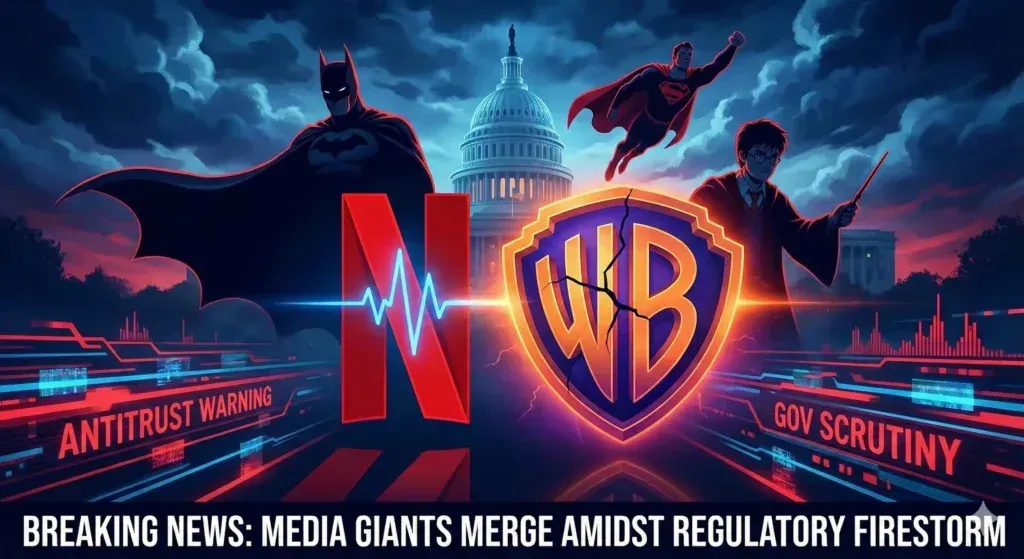
The recent Warner Bros takeover marks a significant shift in Hollywood’s landscape as Paramount emerges victorious following Netflix’s withdrawal from the bidding war. Valued at approximately $111 billion, this landmark deal not only highlights the escalating competition among major media companies but also redefines the parameters of Hollywood mergers today. With Netflix opting out of its initial offer for Warner Bros due to financial considerations, Paramount’s ascension signals a new chapter in the ongoing streaming wars that are reshaping the entertainment industry. This acquisition will grant Paramount control over not only the iconic studio but also its extensive library of films and media networks, including CNN and HBO Max. As Hollywood continues to adapt to the demands of modern viewers, the implications of the Warner Bros sale will resonate across the industry for years to come.
In what could be characterized as a seismic shift in the entertainment sector, the successful acquisition of Warner Bros by Paramount sets a new precedent in corporate strategy and governance within the film and television industry. This major consolidation, coming on the heels of Netflix’s decision to retract its bid, illustrates the fierce competition among streaming giants and traditional media players alike. As Paramount aims to solidify its place at the forefront of the media landscape, this merger not only incorporates Warner Bros’ esteemed assets but also enhances its foothold in the ongoing battle for audience attention amid the streaming wars. The ramifications of this transformation are multifaceted, encompassing shifts in operations, viewer engagement, and market strategy across Hollywood. The evolving dynamics of entertainment highlight the critical importance of adaptability and innovation in a rapidly changing digital landscape.
The Changing Landscape of Hollywood Mergers
Hollywood has always been a landscape shaped by mergers and acquisitions, and the impending Paramount takeover of Warner Bros is a prime example. As major players like Paramount and Netflix vie for control over iconic studios, the stakes grow higher in the ongoing streaming wars. The rapid escalation in monetary offers reflects not only the value of the assets involved, such as beloved franchises and expansive media networks, but also the strategic importance of these mergers in capturing and retaining audiences in a competitive market.
The competitive nature of the industry has been compounded by technological advancements and shifts in consumer behavior, leading to a race for dominance among streaming platforms. Paramount’s aggressive bid underscores an urgent need to redefine its market position, particularly as traditional media struggles against the rising influence of on-demand services. As these mergers unfold, various stakeholders including shareholders, regulators, and audiences are all watching closely, aware that decisions made today will shape the narrative of Hollywood for decades to come.
Paramount’s Bold Move to Acquire Warner Bros
In a stunning development, Paramount has set its sights on acquiring Warner Bros in a move that could reshape the Hollywood landscape. Valued at $111 billion, this acquisition aims to consolidate significant media assets, notably Warner Bros’ rich portfolio of iconic films and television properties. Paramount’s strategy is clear: by integrating Warner Bros’ extensive library and its HBO Max streaming service into its operations, it can create a formidable competitor against Netflix and other streaming giants. Such a deal isn’t just about expanding their media reach; it’s about harnessing a forward-thinking approach to content generation that anticipates audience demands.
However, this takeover is not without its challenges. Regulatory scrutiny looms over the proposed merger, as government agencies delve into potential monopolistic behaviors that could arise from such consolidation in the media market. California’s Attorney General has already expressed concerns about market competition and the ramifications for consumers, especially in an era where streaming services are paramount to media consumption. The complexities surrounding this acquisition illustrate the evolving nature of Hollywood mergers, where the vision for a collaborative future must align with regulatory frameworks.
Regulatory Hurdles Ahead for Paramount’s Acquisition
As Paramount moves forward with its acquisition of Warner Bros, it faces significant regulatory scrutiny that could delay or even derail the deal. The California Department of Justice is currently conducting an investigation into the merger, examining whether the combination of these two media titans would stifle competition and negatively impact consumers. This regulatory challenge highlights the industry’s broader concerns regarding consolidation and control over influential media outlets, which can dictate not just what content is made but also how it’s distributed and accessed.
Additionally, public sentiment and political implications can influence regulatory decisions surrounding such high-profile mergers. Given the intertwined political connections of key figures involved in the deal, notably tech billionaire Larry Ellison’s ties to former President Trump, scrutiny is expected to be intense. The potential for increased oversight from the U.S. Department of Justice and European regulators adds another layer of complexity to the acquisition; therefore, Paramount must navigate these hurdles delicately to secure a successful transition.
Impacts of the Warner Bros Sale on CNN
At the heart of Paramount’s bid lies not just Warner Bros but also CNN, one of the most significant news networks in America. The potential transfer of ownership raises questions about the editorial direction and operational integrity of CNN. With prominent political figures like Donald Trump voicing strong opinions about CNN’s performance under Warner Bros’ management, the implications for the network’s future become significant. It’s vital for Paramount to address these concerns transparently, ensuring staff and viewers that journalistic integrity will remain a top priority regardless of ownership changes.
Furthermore, the possible impacts on CNN’s programming and brand identity also weigh heavily on the minds of producers and journalists within the network. Employees have expressed anxiety over how the merger might shift CNN’s approach to news coverage, reflecting broader societal issues. With the media landscape under constant scrutiny from both the public and political entities, Paramount must handle its acquisition of Warner Bros thoughtfully to maintain CNN’s reputation as a trusted news source.
Navigating the Future of Streaming with Warner Bros
The anticipated merger between Paramount and Warner Bros signifies a significant transition in the era of streaming entertainment. With audience preferences rapidly evolving, companies like Paramount recognize the need to bolster their streaming offerings to compete effectively with industry leaders such as Netflix. By absorbing Warner Bros’ vast array of on-demand content, Paramount could enhance its platform, providing subscribers with an even more compelling selection of films and series.
Incorporating Warner Bros’ HBO Max library could also open new avenues for original content creation and innovative marketing strategies. Paramount’s leadership must push the envelope to distinguish itself in a crowded marketplace, crafting a unique identity within the streaming wars. The result could be a broader platform that not only retains existing subscribers but also attracts new audiences eager for diverse content options.
The Stakes of the Streaming Wars
The competition among streaming platforms has never been more intense, forcing companies to pursue aggressive mergers and acquisitions as a means of survival. Paramount’s foray into acquiring Warner Bros is indicative of a larger trend, where traditional studios are forced to adapt to a rapidly shifting landscape dominated by tech giants and new entrants. This arms race is fueled by the ever-increasing demand for fresh, diverse content as audiences pivot from cable to on-demand options, making swift changes to consumer expectations vital for success.
As Paramount navigates this competitive arena, it’s crucial to understand the stakes involved. Not just in terms of financial investment but also the potential cultural impact of such mergers. The outcome of the Paramount-Warner Bros deal could reshape not only the trajectory of both companies but also the overall viewing experience for millions of subscribers. The strategic realignment within Hollywood not only determines who becomes the leader in the streaming wars but also impacts the creative landscape and artistic expression within the film industry.
Implications for Hollywood’s Workforce
Mergers like the one between Paramount and Warner Bros come with significant implications for the workforce within Hollywood. Consolidations often lead to layoffs as companies streamline their operations to eliminate redundancies. As creative and administrative positions are put at risk, concerns arise over job security, especially in an industry already grappling with changes brought on by digital transformation. The evolving nature of media consumption means that jobs once deemed stable may no longer be viable, creating uncertainty for many in the sector.
Moreover, the successful integration of Warner Bros into Paramount’s existing structure will require careful management of various teams, bringing diverse corporate cultures together. Finding synergies while maintaining a productive environment for creativity and innovation will be a key hurdle for leadership. As Paramount works to establish a strong integration strategy, the focus must remain on the talent that propels content creation forward, ensuring that the merger ultimately enhances rather than diminishes Hollywood’s creative capabilities.
The Future of Paramount and Warner Bros
The proposed merger between Paramount and Warner Bros not only promises a new chapter for both companies but also raises questions about the future of the overall media landscape. If approved, this acquisition could lead to a seismic shift in how entertainment is produced and distributed. With combined resources, Paramount can better compete against established players like Netflix, leveraging Warner Bros’ vast catalog and expertise in delivering high-quality content to audiences worldwide.
However, the path ahead is fraught with challenges, from securing regulatory approvals to ensuring smooth transitions within both companies. The evolving dynamics of Hollywood and audience preferences necessitate a strategic approach in harnessing the strengths of both entities. By focusing on innovation and viewer engagement, Paramount and Warner Bros can position themselves not just to survive but to thrive in an era marked by rapid change and heightened competition.
Cultural Impact of the Paramount-Warner Merger
The merger between Paramount and Warner Bros holds potential ramifications beyond just business metrics; it could significantly shape cultural narratives in film and television. As two storied institutions come together, the blend of their creative resources may yield fresh storytelling avenues that resonate with today’s audiences. In an era increasingly defined by diverse voices and experiences, this merger could pave the way for innovative content that reflects a broader spectrum of society.
Moreover, with Paramount’s commitment to preserving the legacy of classic cinema while embracing modern storytelling techniques, this acquisition could redefine what audiences expect from Hollywood. As alignments are made to combine franchises, resources, and talent, industry watchers will monitor closely how these changes affect everything from casting decisions to genre experimentation. Thus, the cultural impact of this merger will extend beyond profit margins, influencing the very essence of what defines contemporary entertainment.
Frequently Asked Questions
What are the implications of the Warner Bros takeover by Paramount?
The Warner Bros takeover by Paramount could significantly reshape the Hollywood landscape, especially regarding the future of major media properties like CNN. If the acquisition goes through, it would combine Warner Bros’ extensive film and TV assets with Paramount’s capabilities, potentially creating a media powerhouse amidst ongoing streaming wars.
How does the Paramount acquisition of Warner Bros change the competition with Netflix?
The Paramount acquisition of Warner Bros enhances its competitive position against Netflix in the streaming wars. With control of Warner Bros’ assets, including HBO Max and popular franchises, Paramount can offer a more robust content library, potentially drawing subscribers away from Netflix.
What challenges does the Warner Bros sale to Paramount face in regulatory approval?
The Warner Bros sale to Paramount will require approval from regulatory bodies such as the U.S. Department of Justice and European regulators due to antitrust concerns. The California Department of Justice is also actively reviewing the deal, indicating that regulatory scrutiny could impact the merger’s timeline.
Why did Netflix drop its bid for the Warner Bros takeover?
Netflix dropped its bid for the Warner Bros takeover citing that the deal was no longer financially attractive after Paramount made a superior offer. The executives at Netflix emphasized their disciplined approach to investment, indicating they would not pursue a deal unless it met their financial criteria.
What does the Warner Bros takeover mean for the future of CNN?
If the Warner Bros takeover by Paramount is finalized, it could lead to significant changes for CNN, which is owned by Warner Bros. Concerns regarding the integration of political influences and leadership changes could affect CNN’s editorial direction and operational structure moving forward.
How does the Warner Bros takeover relate to Hollywood mergers trends?
The Warner Bros takeover reflects ongoing trends in Hollywood mergers, where major entertainment companies are consolidating to compete more effectively in a rapidly evolving media landscape. This acquisition is part of broader strategies to gain market share during the intense streaming wars.
What are the financial terms of the proposed Warner Bros sale to Paramount?
The proposed Warner Bros sale to Paramount includes an offer of $31 per share, valuing the deal at approximately $111 billion. Additionally, Paramount has agreed to pay a substantial fee should the deal collapse, highlighting the seriousness of their commitment to acquiring Warner Bros.
How has the media landscape responded to the potential Warner Bros acquisition?
The media landscape has reacted with mixed feelings to the potential Warner Bros acquisition by Paramount. Some fear that such consolidations may erode the diversity of film and television voices, while others see it as a necessary evolution to keep pace with the growing influence of streaming giants like Netflix.
| Key Points |
|---|
| Netflix withdraws from the proposed acquisition of Warner Bros Discovery, paving the way for Paramount’s successful bid. |
| Paramount’s offer is valued at approximately $111 billion, surpassing Netflix’s previous bid of around $82 billion. |
| Warner Bros has realigned its strategy, stating that Paramount’s proposal provides greater shareholder value and certainty. |
| Regulatory approval is still needed from the California Department of Justice and the U.S. Department of Justice before any deal can proceed. |
| The acquisition could significantly impact CNN and the overall media landscape, leading to potential layoffs in the industry. |
| Concerns over Paramount’s financial backing and political ties to Donald Trump and his administration have been raised during the bidding process. |
Summary
The Warner Bros takeover is shaping up to be a pivotal event in the entertainment industry, especially following Netflix’s withdrawal from the bidding process. Paramount’s enhanced offer has set the stage for a potential transformation of Hollywood, with significant implications for its renowned subsidiaries, including CNN and HBO Max. As this bidding war progresses, it raises questions about the future landscape of media ownership and the possible regulatory challenges that lie ahead.