Listen to this article
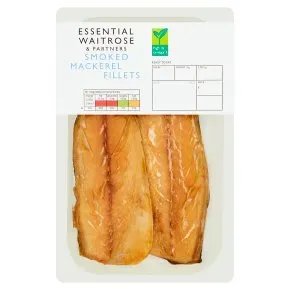
Waitrose mackerel sales are facing a significant suspension as the supermarket takes a stand against overfishing concerns. Driven by a commitment to sustainable fish sourcing, Waitrose announced it will halt all sales of fresh, chilled, and frozen mackerel products by April 29. The decision is rooted in growing worries about the depletion of mackerel stocks in the North East Atlantic, which have prompted marine organizations to advocate for drastic reductions in catch limits. As the first UK supermarket to make this move, Waitrose aims to adhere to strict standards outlined in its seafood policy, ensuring that all products align with Marine Stewardship Council (MSC) certification. By prioritizing eco-friendly practices, Waitrose reinforces its role in promoting the long-term health of fish populations and the protection of marine ecosystems.
Mackerel sales at Waitrose are being placed on hold as part of a broader initiative to tackle the pressing issues surrounding overfishing and sustainability. The grocery chain’s proactive approach reflects a growing trend among retailers to prioritize responsible sourcing of seafood. By discontinuing its offer of mackerel due to alarming reductions in fish stocks, Waitrose demonstrates leadership in adhering to ethical environmental standards. This decision aligns with a crucial shift towards alternatives that uphold the principles set forth by marine conservation agencies. As the debate over sustainable fishing practices gains momentum, Waitrose’s actions could inspire other retailers to similarly reconsider their seafood offerings.
Understanding Overfishing Concerns in Mackerel Fishing
Overfishing concerns have become a crucial contemporary issue, particularly in the fishing industry, where many species, including mackerel, face declining populations. The North East Atlantic mackerel is one of those species that has shown signs of stock reduction, prompting calls for immediate action. Overfishing not only depletes fish stocks but also disrupts marine ecosystems, leading to broader ecological ramifications. Awareness of these concerns is vital, especially as consumer demand for seafood continues to rise.
The urgency in addressing overfishing is exemplified by the recommendations from international bodies like the International Council for the Exploration of the Sea (ICES), which has called for a significant reduction in mackerel catches. It signifies a collective acknowledgment that existing fishing practices are unsustainable, necessitating concrete measures to facilitate recovery so that mackerel populations can thrive again. The impact of overfishing can cascade through the food web, impacting not only fish species but also communities reliant on fishing for their livelihoods.
Waitrose’s Commitment to Sustainable Fish Sourcing
In a pioneering move, Waitrose has committed to suspending mackerel sales to align with sustainable fish sourcing practices amid overfishing concerns. The supermarket chain emphasizes a robust seafood policy focused on responsible sourcing, which is a significant step in promoting ethical consumption patterns among consumers. By prioritizing sustainability, Waitrose aims to protect marine biodiversity and ensure that fish stocks can sustain future generations.
This commitment is also illustrated through their compliance with the standards set forth by the Marine Stewardship Council (MSC). Waitrose is actively retraining its product lines to focus on alternative seafood options that are MSC certified, effectively promoting the importance of sustainable fishing methods. As they declare a halt to mackerel sales, they set an industry standard, encouraging other retailers to consider the environmental implications of their fish sourcing practices.
The Impact of Mackerel Stock Reduction on Fisheries
The recent measures to curtail mackerel catches highlight the significant challenges posed by mackerel stock reduction. With much of the fishing industry dependent on healthy stock levels, reduced availability of mackerel can impact fishers economically, especially within coastal communities that have relied on mackerel as a staple fish. Implementing sustainable practices is essential for reversing stock reduction trends and ensuring that fishing communities can endure while maintaining ocean health.
Marine conservationists argue that drastic measures are necessary to stabilize mackerel populations, where reduced catch limits are seen as an immediate remedy. The move by Waitrose sets a precedent in the industry that prioritizes long-term ecological sustainability over short-term economic gain. The ongoing dialogue around mackerel stock reduction serves as a crucial reminder to stakeholders about the importance of adhering to scientific recommendations to foster a resilient marine environment.
The Role of the Marine Stewardship Council in Seafood Sustainability
The Marine Stewardship Council (MSC) plays a vital role in promoting sustainable fishing practices worldwide. The MSC’s certification program helps consumers identify seafood products that meet stringent sustainability standards, thereby encouraging sustainable fish sourcing. Waitrose’s commitment to replace mackerel products with MSC-certified alternatives highlights the supermarket’s dedication to responsible sourcing, reinforcing the significance of supporting fisheries that comply with best practices.
Through MSC certification, fisheries can demonstrate their adherence to sustainable catching methods, contributing to the health of marine ecosystems and the recovery of overfished species. The partnership between businesses like Waitrose and the MSC fosters a positive impact on the fishing industry as it aligns economic viability with ecological responsibility, ensuring future seafood supplies are not only safe but also sustainable.
Waitrose Seafood Policy: A Blueprint for Ethical Consumption
Waitrose has established a comprehensive seafood policy that emphasizes ethical sourcing and environmental consciousness. This policy is instrumental in guiding the supermarket’s decisions around the sale of fish products, including the sensitive decision to halt mackerel sales. By reinforcing standards that ensure seafood is sourced sustainably, Waitrose sets a framework that prioritizes both the health of fish populations and consumer trust.
The seafood policy focuses on cooperation with fisheries that exhibit responsible behavior, and those aligned with the MSC certification process. As they transition away from mackerel, Waitrose is not merely avoiding a controversial product; it’s actively promoting a market shift towards greener options. This proactive stance encourages customers to make informed choices that support sustainable fishing efforts, helping to protect marine life.
The Role of Consumer Awareness in Combating Overfishing
Consumer awareness plays a critical role in combating overfishing, especially as shoppers increasingly seek information about the sourcing of their seafood. With supermarkets like Waitrose taking a stand against mackerel sales, there is an opportunity to educate consumers on the implications of overfishing and the importance of sustainable choices. Transparent communication about seafood origins empowers customers to make informed and ethical purchasing decisions.
As more consumers demand sustainably sourced products, businesses are compelled to adapt their practices to meet customer expectations. Increased awareness surrounding overfishing issues can lead to heightened scrutiny of supply chains, which in turn pushes the industry towards responsible and sustainable fish sourcing practices that align with environmental goals. This consumer-driven change can significantly influence the future of fisheries management.
The Future of Mackerel Fishing: Hopes and Challenges
The future of mackerel fishing hangs delicately in the balance, with hopes pinned on the implementation of sustainable fishing practices and adherence to scientific advice regarding catch limits. The challenges presented by overfishing are complex, encompassing economic, environmental, and social dimensions that need careful consideration. The recent actions taken by Waitrose may herald a positive shift towards responsible fishing as more retailers recognize their role in contributing to healthier fish stocks.
It remains essential for all stakeholders, including governments, retailers, and conservation bodies, to work collaboratively towards mackerel sustainability. The ongoing dialogue around sustainable fishing, including reports from ICES and movements led by organizations like the MSC, will be instrumental in shaping the future of mackerel stocks. A concerted effort is required if communities and ecosystems are to thrive alongside a flourishing fishing industry.
The Importance of Responsible Fishing Practices
Responsible fishing practices are vital in safeguarding marine biodiversity and maintaining sustainable fish stocks. Waitrose’s decision to suspend mackerel sales highlights the urgent need for such practices in light of overfishing concerns. By taking a leadership role, Waitrose effectively emphasizes the importance of performing due diligence in seafood procurement, striving to ensure that fish species are fished within sustainable limits.
Encouraging responsible practices not only protects mackerel populations but also sets an example for other retailers and consumers. When businesses take decisive action against unsustainable fishing, it helps cultivate a culture of environmental stewardship across the entire supply chain. This shift towards responsibility will foster healthier oceans and secure the future of marine resources.
Waitrose’s Vision for a Sustainable Seafood Future
Waitrose envisions a sustainable seafood future free from the detrimental impacts of overfishing. The suspension of mackerel sales is part of a broader commitment to developing a seafood policy that reflects this vision and supports the long-term health of marine ecosystems. This proactive stance not only positions Waitrose as a leader in ethical sourcing but also challenges the industry to reevaluate its practices regarding fish populations.
By incorporating sustainability into their core business model, Waitrose sets a high standard that encourages both suppliers and competitors to follow suit. Their focus on Marine Stewardship Council certified products will help bolster fisheries that operate within ecologically sound limits, ultimately pointed towards achieving a balance between consumer demand and the necessity of preserving marine resources for future generations.
Frequently Asked Questions
Why has Waitrose decided to suspend mackerel sales due to overfishing concerns?
Waitrose announced it will suspend mackerel sales due to significant concerns regarding overfishing and the sustainability of mackerel stocks. The decision follows recommendations from marine organizations to reduce the catch of North East Atlantic mackerel to prevent stock collapse.
What does Waitrose’s seafood policy say about sustainable fish sourcing?
Waitrose’s seafood policy emphasizes the importance of sustainable fish sourcing. It requires all fish sold, including mackerel, to meet high sourcing standards and be Marine Stewardship Council (MSC) certified, ensuring responsible practices are followed in maintaining fish stocks.
How has the mackerel stock reduction impacted Waitrose’s sales?
The mackerel stock reduction has led Waitrose to suspend the sale of mackerel products entirely. The supermarket will stop sourcing all forms of mackerel, including fresh, chilled, frozen, and canned, reflecting its commitment to sustainability and ethical sourcing standards.
What role does the Marine Stewardship Council play in Waitrose’s mackerel sales policies?
The Marine Stewardship Council (MSC) plays a crucial role in Waitrose’s mackerel sales policies by providing certification for sustainable fishing practices. Waitrose will only restock mackerel once it meets MSC standards, demonstrating their dedication to sustainable fish sourcing.
What alternatives to mackerel will Waitrose offer after suspending sales?
After suspending mackerel sales, Waitrose plans to offer responsibly sourced alternatives that are MSC certified. This initiative aims to support sustainable fish stocks and reduce the impact of overfishing on marine ecosystems.
How does Waitrose’s commitment to combating overfishing reflect on its brand image?
Waitrose’s commitment to combating overfishing strengthens its brand image as a leader in ethical and sustainable retail practices. By taking decisive action to suspend mackerel sales, the supermarket showcases its responsibility towards marine conservation and aligns with consumer values on sustainability.
What are the implications of Waitrose’s move on the fishing industry and overfishing concerns?
Waitrose’s suspension of mackerel sales raises awareness about overfishing concerns in the fishing industry. It sends a strong message that sustainability must be prioritized, encouraging other retailers to adopt similar practices in order to protect mackerel stocks and marine biodiversity.
| Key Point | Details |
|---|---|
| Suspension of Mackerel Sales | Waitrose will cease sourcing mackerel products by April 29. |
| Concerns over Overfishing | Reduced catches are necessary according to marine organizations to prevent stock collapse. |
| First Supermarket to Act | Waitrose is the first UK supermarket to stop selling mackerel due to sustainability concerns. |
| ICES Recommendations | ICES recommended a 70% reduction in mackerel catches for stock recovery. |
| Response to Industry Agreements | UK, Norway, Faroe Islands, and Iceland agreed to a 48% catch cut, which Waitrose finds insufficient. |
| Future Sourcing Standards | Starting May 2026, mackerel will not meet Waitrose’s sourcing criteria. |
| Ethical Commitments | Waitrose aims to combat overfishing and protect oceans. |
| Alternatives to Mackerel | The chain will offer responsibly sourced alternatives certified by MSC. |
| Support from Conservationists | Marine conservationists welcome the decision as vital for sustainable fishing practices. |
Summary
Waitrose mackerel sales will be suspended due to serious overfishing concerns. The supermarket has committed to ethical and sustainable practices, responding to critical recommendations for reducing mackerel catch limits. By taking this bold step, Waitrose not only prioritizes marine conservation but also sets a precedent for responsible sourcing in the food industry. The emphasis on harvesting within sustainable limits signifies a growing awareness and action against the perilous state of our oceans and marine life, which other retailers might consider emulating.