Listen to this article
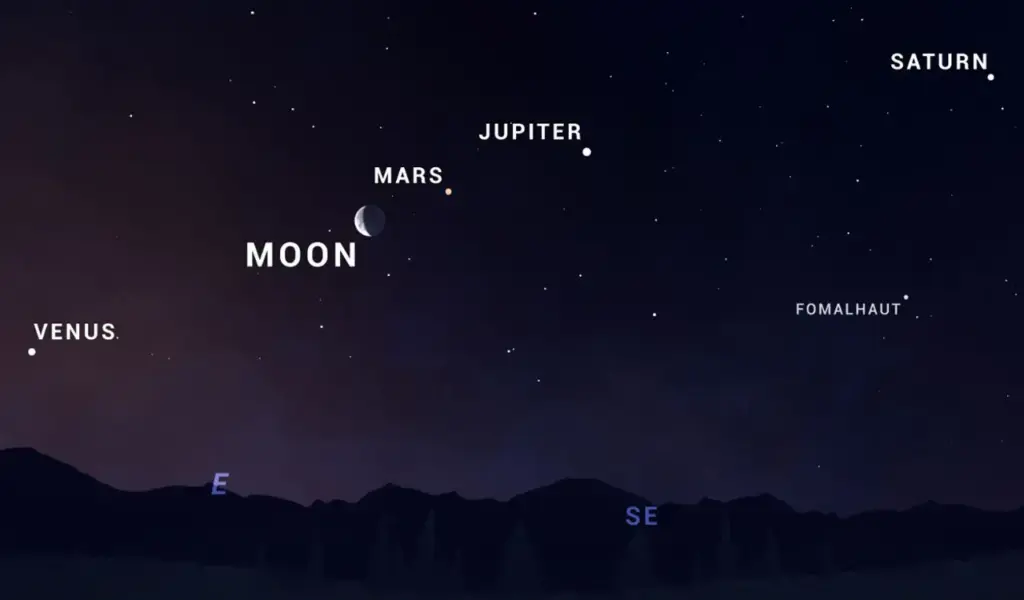
A planetary parade offers a rare treat to stargazers, as six celestial bodies align to create a stunning spectacle in the night sky. This weekend, viewers can anticipate an enchanting display featuring Mercury, Venus, Saturn, Jupiter, Uranus, and Neptune, all visible shortly after sunset. To maximize your experience, knowing how to see the planetary parade is essential, as the best time for planetary parade observation varies by location. Whether you’re using binoculars or hoping to spot some planets with the naked eye, there’s no better opportunity for viewing six planets at once. Following our stargazing tips for planetary parade night will enhance your experience as you witness this cosmic event unfold in 2023.
Astronomical enthusiasts often refer to this phenomenon as a “celestial alignment,” where multiple planets gather in the same section of the sky. Such occurrences, like the upcoming planetary display this weekend, draw attention from both amateur and seasoned astronomers alike. Viewing these heavenly bodies can feel like a magical journey through the universe, especially when combined with expert advice on the best times and techniques for observing them. As the planets line up, stargazers prepare to witness an extraordinary scene, creating excitement and anticipation among those passionate about cosmic wonders. With proper preparation, everyone can enjoy this remarkable alignment, reinforcing the beauty of our solar system.
Understanding the Planetary Parade
A planetary parade refers to an event when multiple planets align in a section of the sky as viewed from Earth. This phenomenon occurs because the planets travel along similar orbital paths, creating the illusion of alignment from our perspective. Experienced astronomers, like Dr. Becky Smethurst, emphasize that while the planets may appear in a linear formation, they are actually situated on a curved celestial plane, akin to the flattened shape of spinning dough. Such alignments allow skywatchers to observe several planets simultaneously, making it an exciting occasion for astronomy enthusiasts.
This planetary alignment offers a unique opportunity to witness the beauty of our solar system in a single evening. With six planets visible to the naked eye and through binoculars, observers can marvel at their varied colors and brightness against the backdrop of the night sky. Notably, this is not a daily event; seeing all six planets gathered is relatively infrequent, with the last significant alignment of seven planets occurring in 2002, highlighting the rarity and allure of the upcoming planetary parade.
Stargazers often ask, ‘How to see a planetary parade?’ The key lies in timing and location. The best time generally coincides with sunset when the planets will be low in the western sky. Observers are advised to seek a clear horizon, devoid of obstructions, for optimal viewing. Attending local astronomy events can also enhance the experience; with expert guidance and equipment, viewers may catch glimpses of planets that are otherwise hard to see with the naked eye.
For those wondering the best time for the planetary parade, Sunday evening promises the most favorable conditions in the UK. The positions of the planets make them easier to spot shortly after sunset, allowing enthusiasts ample time to set up and find a comfortable viewing position, whether on a picnic blanket or in a reclining chair.
Best Stargazing Tips for Planetary Alignments
To make the most of your stargazing experience during the planetary parade, preparation is essential. Begin by allowing your eyes to adjust to the darkness, which enhances your ability to see faint celestial objects. Dr. Smethurst suggests spending five to ten minutes in a dimly lit area before stepping outside. This technique helps your eyes acclimate and provides immediate rewards when locating planets, such as Jupiter and Venus, which may be particularly challenging to find.
Comfort is equally important for enjoying the celestial show. Instead of craning your neck, consider lying back on a blanket or relaxing in a chair adequately protected against the chill of the evening air. If you’re in a region where temperatures drop significantly, layering your clothing or using blankets will help you stay warm while you engage in a lengthy observation of the night sky.
Another helpful tip involves minimizing light pollution. Bright white lights can impair your night vision, making it difficult to see the planets and stars clearly. If you’re using a stargazing app on your phone, activate the device’s red light mode to preserve your vision while still being able to navigate the sky. The red light is less disruptive, allowing you to keep your eyes adjusted to the dark as you search for celestial bodies.
Even if the peak night of the planetary parade passes, don’t be discouraged! While Mercury may slip out of view shortly after early March, Venus and Saturn will maintain close proximity in the nights following the parade. This continued visibility allows for further exploration of the sky and enhances appreciation for our celestial neighbors.
Planetary Alignment 2023: What to Expect
In 2023, planetary alignment brings exciting prospects for both amateur astronomers and seasoned stargazers alike. This year’s cosmic event features six planets – Mercury, Venus, Jupiter, Saturn, Uranus, and Neptune – offering a spectacular sight for viewers worldwide. The timing varies by location, with notable peak viewing dates including February 25 in São Paulo and March 2 in Reykjavik. Keeping track of these dates is essential for anyone eager to witness the planetary parade in its full glory.
As planets move along their orbits, these alignments can vary slightly, meaning that the most closely grouped appearance may not last long. Thus, enthusiasts should be prepared to make the most of the available opportunity while maintaining flexibility in their schedules, allowing them to step outside on several nights to catch glimpses of the planets as they cross the night sky.
For those asking about the “best time for the planetary parade,” it’s vital to monitor the weather forecasts leading up to the event. While weather conditions may influence visibility, onlookers can enhance their chances of success by choosing locations known for clear sky conditions, avoiding light pollution, and being flexible with their viewing times.
By employing these strategies, stargazers can turn a simple observation of a planetary alignment into a rewarding experience, filled with wonder and educational opportunities about our solar system and beyond.
Optimal Locations for Viewing Planetary Alignments
Choosing the right location is pivotal for enjoying the planetary parade to its fullest. To maximize visibility, seek open areas with an unobstructed view of the horizon, particularly to the west where the planets will set after sunset. Parks, hilltops, or large fields away from city lights often provide ideal conditions. Prioritize spots away from artificial lighting, as light pollution can significantly diminish stargazing experiences.
For those living in urban areas, attending local astronomy clubs’ events could improve your viewing experience considerably. These gatherings often provide powerful telescopes and knowledgeable astronomers, allowing participants to enjoy a more immersive encounter with the planetary parade. Engaging with fellow enthusiasts also adds a social component and fosters a deeper appreciation for the celestial phenomena.
In addition to selecting a clear and dark location, timing your observation is essential. The planetary parade will be most visible shortly after sunset when the gas giants like Jupiter stand out brightly against the sky. Observers should arrive early to set up their equipment and avoid missing this fleeting opportunity.
With the proper preparations and by following optimal viewing practices, enthusiasts can look forward to an enriching planetary alignment experience in 2023.
Weather Considerations for Observing Planetary Alignments
Weather conditions play a crucial role in the success of viewing planetary parades. With mixed forecasts expected this weekend, staying updated on weather reports is essential. For instance, Scotland and Northern Ireland may experience clearer skies on Friday while cloud cover and rain threaten visibility in southern England. The varying conditions highlight the importance of being adaptable and having a plan B in case your original viewing location becomes unsuitable due to clouds or rain.
Additionally, as some regions may enjoy clear skies, but others suffer obscured views, the flexibility to travel to a location where visibility is optimal can be incredibly beneficial. Certain apps and websites offer real-time satellite images and weather updates that can assist you in finding clear patches in the sky.
On nights leading up to the parade event, it may be worthwhile to scout promising viewing locations in advance. This preparation may involve checking local airports’ weather stations or astronomy tools that discuss cloud cover and air quality, allowing for better planning and increased chances of witnessing the stellar phenomena.
Adapting your plans based on real-time weather updates and taking full advantage of any clear skies can transform your experience during the planetary alignment. With careful planning, stargazers can elevate their chances of a magical celestial viewing.
Frequently Asked Questions
What is a planetary parade and how do I view it?
A planetary parade is a celestial event where several planets appear to align in the night sky. To view a planetary parade, find a location with a clear view of the horizon, preferably just after sunset when the planets are visible low in the western sky. Make sure to have binoculars or a telescope, as some planets like Uranus and Neptune may require optical aid for better visibility.
When is the best time to see the planetary parade in 2023?
The best time to see the planetary parade in 2023 will be on several dates, with peak visibility expected around February 28th depending on your location. For the best viewing experience, check local times for sunset, as the planets will be best seen shortly thereafter.
What planets are visible during the upcoming planetary alignment in 2023?
During the 2023 planetary parade, you can expect to see Mercury, Venus, Saturn, Jupiter, Uranus, and Neptune. Mercury, Venus, Saturn, and Jupiter will be easier to spot with the naked eye, while Uranus and Neptune will likely require binoculars or a telescope.
What are some stargazing tips for the planetary parade?
To enhance your experience during the planetary parade, allow your eyes to adjust to the dark before heading outside. Bring a picnic blanket or a lounge chair for comfort while observing the sky. Avoid bright lights, and if you use a smartphone app to locate the planets, switch to red light mode to preserve your night vision.
How often does a planetary parade occur?
Planetary parades are not exceedingly rare; however, a complete alignment of seven planets is less common. The 2023 parade includes six planets lined up in the sky, which occurs more frequently and may last several weeks, allowing for multiple opportunities to see the planets aligned.
What should I do if I miss the peak day of the planetary parade?
If you miss the peak day of the planetary parade, there’s no need to worry. Some planets will remain visible for days after the main event. For instance, on March 7 and 8, Venus and Saturn will be particularly close together, making them easy to spot after the peak alignment has passed.
Will I need special equipment to see the planetary alignment?
While you can see four of the planets—Mercury, Venus, Saturn, and Jupiter—with the naked eye during the planetary parade, Uranus and Neptune will require binoculars or a telescope for clearer sightings. If you don’t have optical equipment, consider joining a local astronomy society for a better viewing experience.
| Planet | Visibility | Best Viewing Conditions |
|---|---|---|
| Mercury | Naked Eye | Clear view of the western horizon after sunset. |
| Venus | Naked Eye | Clear view of the western horizon after sunset. |
| Saturn | Naked Eye | Clear view of the western horizon after sunset. |
| Jupiter | Naked Eye | Higher in the sky, visible from most locations. |
| Uranus | Requires Binoculars/Telescope | Located in Taurus; sets around midnight. |
| Neptune | Requires Binoculars/Telescope | Low in the western sky, near the horizon. |
Summary
A planetary parade occurs when multiple planets align in the evening sky, providing a spectacular sight for stargazers. This weekend, six planets—Mercury, Venus, Saturn, Jupiter, Uranus, and Neptune—will be visible, making it an exciting event for astronomy enthusiasts. For the best experience, viewers should seek locations with a clear horizon and allow their eyes to adjust to the darkness. Although the peak viewing time is this Sunday, opportunities to see the planets continue in the following days. Don’t miss this chance to witness a celestial spectacle that brings the beauty of our solar system closer to home.